
Introduction
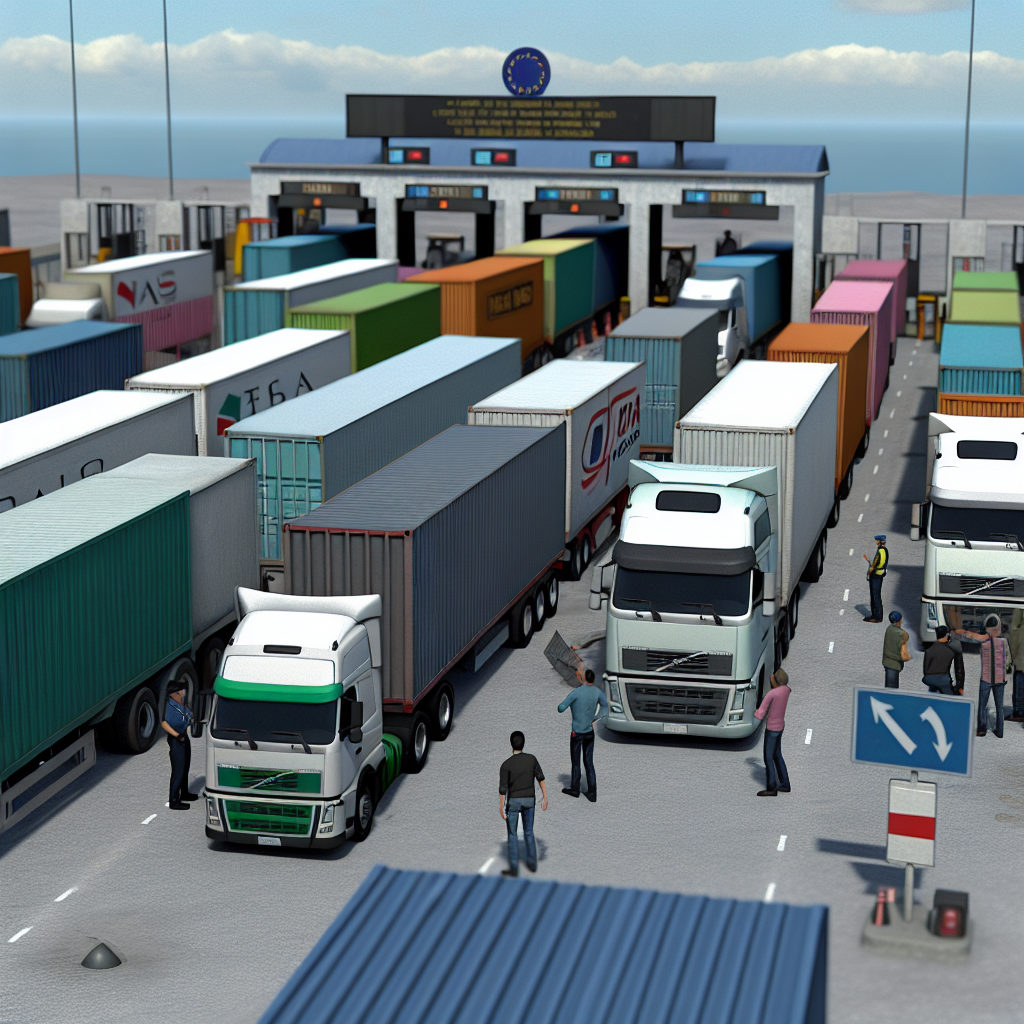
In an era where swift border crossings are crucial for maintaining efficient supply chains, the recent systems outage at the Canada Border Services Agency (CBSA) has revealed glaring vulnerabilities in our infrastructure. As delays stretch to four or even five hours at major crossings, the ramifications are stark: not only are countless truck drivers stranded, but a significant ripple effect on international commerce is being felt nationwide.
Reports indicate that U.S. state police have been forced to shut down access to several Canadian border points due to overwhelming highway backups. According to the Canadian Trucking Alliance, this is merely the tip of the iceberg, as the ongoing crisis highlights a chronic lack of investment in our IT trade infrastructure. The urgency for the Government of Canada to act and rectify these inefficiencies cannot be understated due to the potential long-lasting effects on trade relations and economic stability.
Stephen Laskowski, president and CEO of the Canadian Trucking Alliance, stated,
“This is an ongoing crisis of investment neglect of our IT trade infrastructure.”
This remark encapsulates the critical situation that underpins the current border delays and highlights the urgent need for improvements in trade infrastructure.
Current Delays at Border Crossings
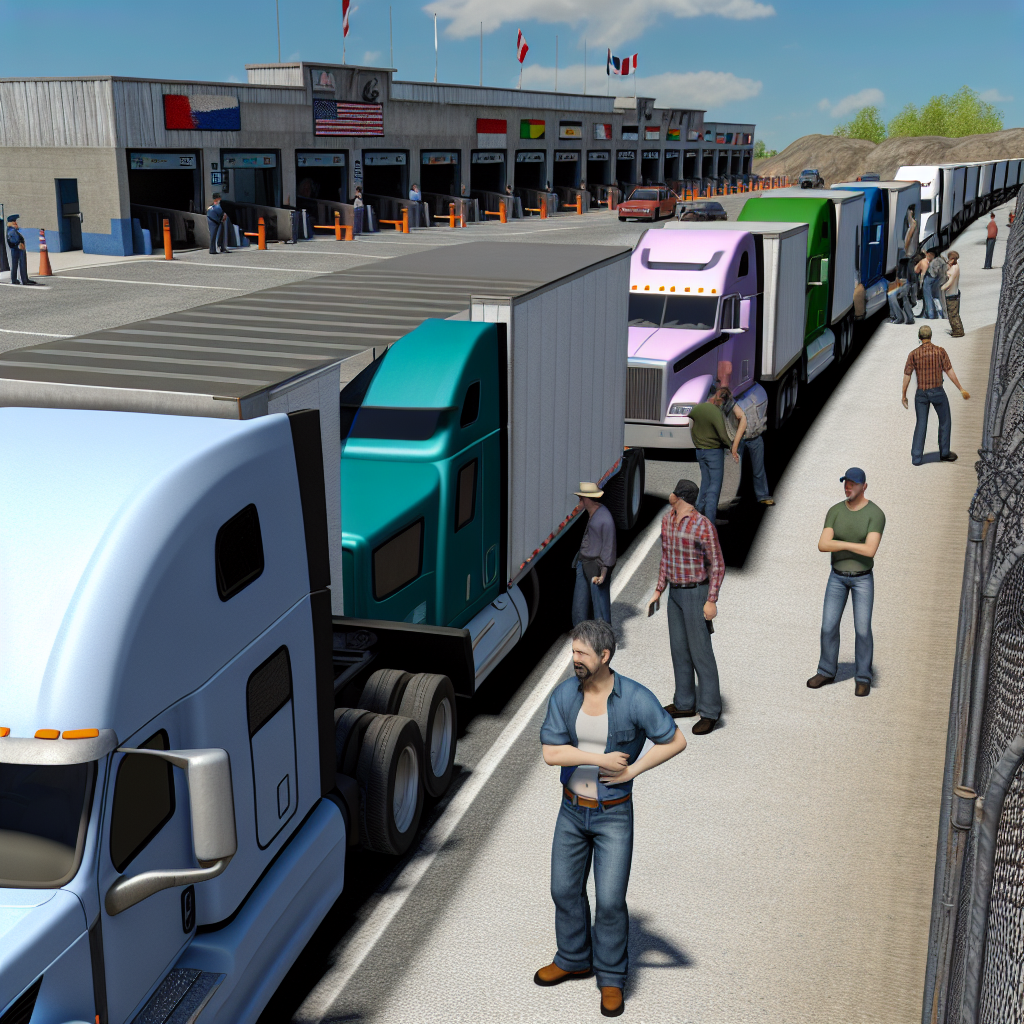
Drivers are facing extended delays at various border crossings due to ongoing operational and structural problems impacting traffic and trade. Notable crossings experiencing severe delays include:
- Emerson Crossing: Long wait times have become standard, resulting in significant traffic disruption.
- Pacific Highway Crossing: Frequent traffic jams occur, especially during peak hours, affecting trade flow.
- Lewiston-Queenston Crossing: Congestion has increased, driven by high volumes and slow processing times.
- Peace Bridge Crossing: Drivers are experiencing significant holdups due to the volume of traffic.
In addition to the long delays—averaging four to five hours at major crossings—U.S. state police have shut down access to some Canadian crossings because of serious highway backups, raising safety concerns for the public.
The Canadian Trucking Alliance (CTA) warns stakeholders of the economic repercussions these delays impose, pushing for urgent solutions. Continuous discussions between U.S. and Canadian officials are vital to reduce these disruptions.
Table of Average Delays at Major Canadian-U.S. Border Crossings
| Border Crossing | Average Delay (minutes) | 95th Percentile Delay (minutes) |
|---|---|---|
| Emerson Crossing | 0 (No delay) | 0 |
| Pacific Highway Crossing | 5 | 42.7 |
| 0 (No delay) | 45.7 | |
| Peace Bridge Crossing | 3 | 35.8 |
These delays were recorded as of November 16, 2025, and reflect the current conditions at these major crossings, significantly shaping traffic and trade efficiency.
User and Business Impact of the CBSA Systems Outage
The ongoing systems outage at the Canada Border Services Agency (CBSA) has severely affected users and businesses involved in cross-border trade and trade logistics. Initiated on September 28, 2025, this outage impacted critical processing systems, causing dramatic delays of four to five hours at high-traffic crossings like the Ambassador Bridge, which handles a significant volume of trade between Canada and the U.S. Reports indicate that this particular bridge manages over 10,000 trucks daily, making it a crucial artery for trade flows.
The Canadian Trucking Alliance (CTA) has articulated the frustration of trucking companies and logistics providers who bear the brunt of these delays. They express that such interruptions pose a risk to their operations in an already fragile freight economy. Furthermore, the CTA has criticized CBSA for its poor investment in IT infrastructure, suggesting that these frequent outages indicate a systemic issue rather than isolated incidents.
As a direct consequence of these setbacks, businesses face increased operational costs due to delayed shipments, which can disrupt entire supply chains. This, in turn, can lead to price fluctuations and hinder service availability, impacting the competitiveness of firms reliant on just-in-time delivery and cross-border trade activities.
Trucking associations have called for urgent reforms and upgrades to the outdated technological systems at CBSA to mitigate future issues and ensure the seamless operation of international trade.
The narrative emerging from these delays is one of increasing dissatisfaction within the logistics community, emphasizing the need for immediate action to restore optimal processing capabilities at the borders. The ongoing situation is a stark reminder of how critical robust IT systems are to modern trade, and without significant improvements, the Canadian and U.S. supply chains could suffer lasting repercussions going forward.
The Government of Canada needs to make a commitment to resolve this issue on behalf of the CBSA, says CTA’s director of policy and industry awareness programs, Lak Shoan.
Conclusion
The current border backups resulting from the Canada Border Services Agency (CBSA) systems outage illustrate a critical situation that extends beyond individual drivers to impact the very fabric of international commerce. With alarming delays now persisting at four to five hours at pivotal crossings, the ramifications are severe. These disruptions not only undermine the efficiency of supply chains but also escalate operational costs for businesses, posing a substantial threat to the global competitiveness of Canadian firms. Key sectors such as agriculture, manufacturing, and automotive, in particular, are under significant strain, having already faced profound financial losses in previous crises. This situation isn’t merely inconvenient—it’s a warning of the economic fragility fueled by outdated infrastructure.
The Canadian Trucking Alliance’s urgent call for immediate investment and comprehensive reform highlights the ongoing neglect of trade infrastructure. Without decisive action, the probability of further economic instability looms large, threatening to entrench a cycle of delays and disruptions in an already delicate global economy. The ripple effects of these border inefficiencies will undoubtedly impact consumers through higher prices and limited product availability.
To circumvent such dire outcomes, it is essential for both the Government of Canada and the CBSA to prioritize the reliability and resilience of our border services. The time to act is now, as inaction carries potentially grave consequences for our trade relations, especially with our largest trading partner, the United States. Our infrastructure must be capable of supporting the demands of modern trade, as the stakes have never been higher. The pathway forward requires commitment and immediate investment in IT systems and technological advancement to safeguard our economic future.
This is not just about improving wait times; it is about ensuring the prosperity of a nation.
Call to Action
As the fallout from the recent CBSA systems outage continues to disrupt commerce and create unprecedented delays at our borders, it is crucial for you—whether as an individual affected, a business owner, or a concerned citizen—to take an active role in advocating for change. Stay informed about ongoing developments, engage with regulatory bodies, and make your voice heard.
Contact your local representatives to express your concerns regarding the inefficiencies plaguing our border services. Join discussions within community forums focusing on trade and logistics. The impacts of this outage extend far beyond the immediate inconveniences of long waits; they threaten the economic stability of our entire nation.
Together, we can push for the necessary reforms and investments in technology to ensure our borders function as they should. It is time to demand accountability and action. Don’t wait for the system to resolve itself—be part of a solution that secures a brighter future for our trade infrastructure.