
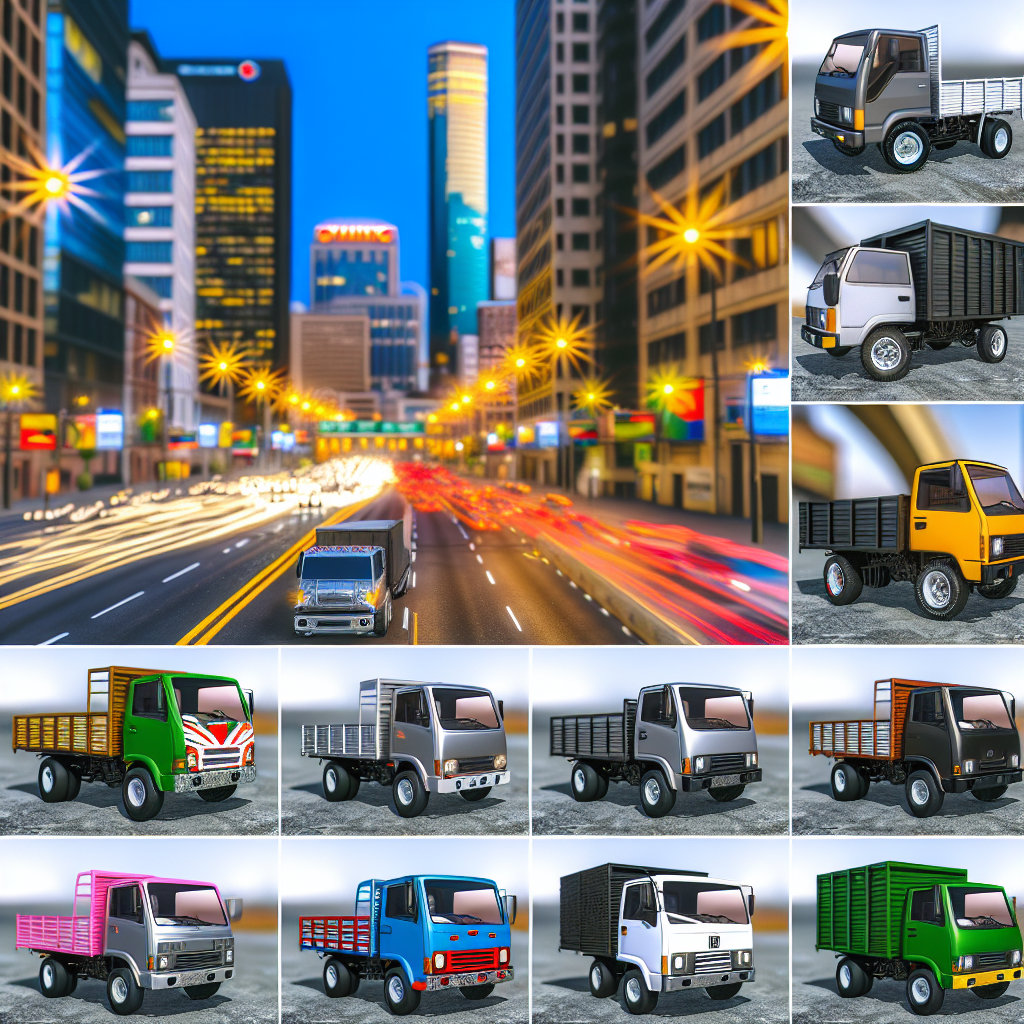
In recent years, mini trucks have surged in popularity, becoming essential vehicles across various industries by offering versatility and efficiency. These compact and agile vehicles prove ideal for urban environments, where maneuverability and parking are often challenging. From agriculture and construction to delivery services and personal use, the appeal of mini trucks continues to grow as businesses and individuals recognize their potential to meet diverse transportation needs.
This article aims to explore and compare several mini truck models, diving into their specifications, unique features, and suitability for different applications. Whether you are a business owner looking to invest in a reliable workhorse or simply interested in the latest automotive trends, understanding the differences between mini truck models can help you make an informed decision. Together, we will uncover what makes these vehicles a game changer in the world of transportation and logistics.


Key Criteria for Comparing Mini Trucks
When comparing mini truck models, it is important to look at several factors to find the best fit for your needs. Here are the key criteria to consider:
- Fuel Efficiency: Check the miles per gallon (MPG) rating. Models with higher MPG can lower your fuel costs over time.
- Cargo Capacity: Make sure the truck’s maximum payload meets your transportation needs.
- Price: Compare the prices of various models to assess value based on features and capabilities.
- Reliability: Look for reviews and ratings to ensure fewer repairs and greater dependability.
- Ease of Maintenance: Consider how easy it is to find parts and perform regular maintenance.
- Safety Features: Evaluate safety ratings and features, which can increase vehicle safety.
- Manufacturer Reputation: Investigate the manufacturer’s history of building reliable vehicles.
- Warranty: Review warranty details to gauge the manufacturer’s confidence in their product’s longevity.
By carefully evaluating these points, you can make a better-informed decision when choosing a mini truck model.
| Model | Engine Type | Horsepower | Price | Cargo Capacity |
|---|---|---|---|---|
| Suzuki Carry | 1.3L I4 | 70 HP | $5,000 | 1,000 lbs |
| Daihatsu Hijet | 660cc I3 | 63 HP | $4,500 | 1,200 lbs |
| Mazda Scrum | 660cc I3 | 64 HP | $4,800 | 1,100 lbs |
| Mitsubishi Minicab | 660cc I3 | 61 HP | $5,200 | 950 lbs |
| Honda Acty | 660cc I3 | 63 HP | $5,300 | 1,000 lbs |
Fuel Efficiency in Mini Trucks
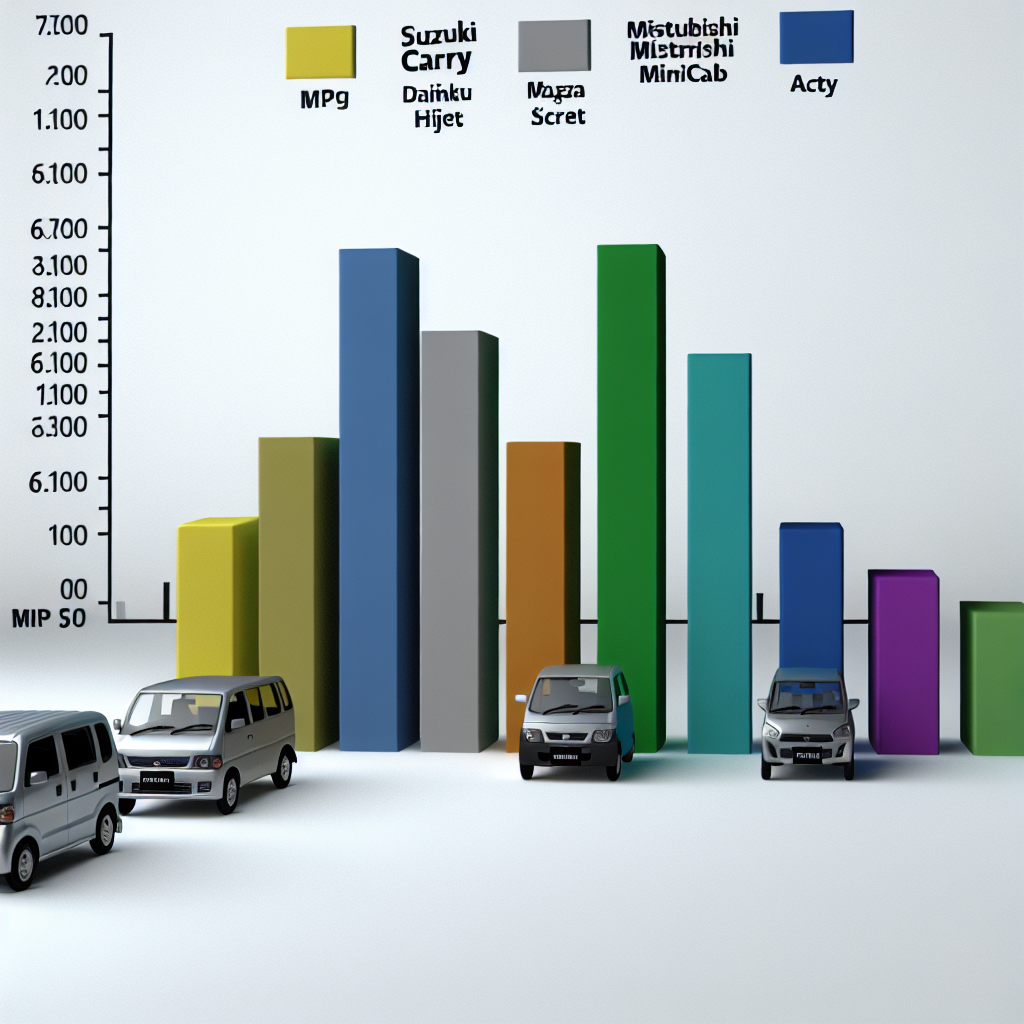
When evaluating mini trucks, fuel efficiency is a critical factor influencing operational costs and environmental impact. Understanding the miles per gallon (MPG) ratings of different models can help prospective buyers make informed decisions. As of 2023, several popular mini truck models display impressive fuel efficiency ratings:
- Suzuki Carry: This model averages between 50 to 55 MPG (approximately 23.0 km/L). Known for its reliability and ease of maintenance, it is a common choice among various businesses.
- Daihatsu Hijet: With an average range of 52 to 57 MPG (23.5 km/L), the Hijet stands out with its fuel-efficient engine that seamlessly combines functionality with economical fuel usage. Its updated engine management technologies contribute significantly to its efficiency, making it a favorite among users.
- Mazda Scrum: This vehicle typically averages around 48 to 53 MPG (about 22.5 km/L). While slightly lower in fuel efficiency than its competitors, it offers superior comfort and ride quality, which many users find worth the trade-off.
- Mitsubishi Minicab: The Minicab averages 51 to 56 MPG (23.2 km/L), positioning it well in comparison to other mini trucks. Like the others, it features robust construction suitable for varying loads.
- Honda Acty: This model’s MPG efficiency ranges from 49 to 54 MPG (22.8 km/L). The Acty is recognized for its balance of power and efficiency, providing a comfortable ride while maintaining economic fuel usage.
In summary, the Daihatsu Hijet emerges as the best performer regarding fuel efficiency, with the ability to achieve up to 57 MPG. This model’s advancements in engine technology not only enhance efficiency but also address the growing demand for environmentally-friendly vehicle options in urban transport.
User Testimonials
Gathered from various industries, these user testimonials reflect the real-world experiences and satisfaction associated with different mini truck models.
-
Suzuki Carry
A florist using the Suzuki Carry shared, “This mini truck has been a reliable workhorse for my delivery service. I average 18-22 km/L, and after driving for over 150,000 km with minimal maintenance, I couldn’t be happier with its performance! The payload capacity of 800kg is perfect for my needs, especially navigating urban areas where space is tight.”
-
Daihatsu Hijet
According to a vineyard owner, “The Hijet’s 4WD capability has allowed me to efficiently navigate steep terrains. Carrying up to 600kg of grapes during harvest season, it has never let me down. I’ve had it for over 10 years with very few mechanical issues, making it a durable choice for farming.”
-
Mazda Scrum
A logistics manager noted, “Our fleet of Mazda Scrums is not only fuel-efficient, but the drivers love their cab-forward design for easy visibility. In a year of heavy use in urban deliveries, we only faced two unscheduled maintenance issues. The cost savings have been significant!”
-
Mitsubishi Minicab
A bakery owner shared, “The sliding doors on the Minicab are perfect for curb-side loading. I manage to shift 200kg of flour weekly without any issues, thanks to its low loading height. It’s been a fantastic investment for my business needs.”
-
Honda Acty
“As a street food vendor, reliability is key, and my Honda Acty delivers just that. It’s been over 65,000 km, and I’ve had no engine issues, even when idling while serving customers. Plus, it still maintains a fantastic fuel economy of about 20 km/L!”
In conclusion, as mini trucks continue to gain traction across various industries, selecting the right model is crucial for meeting your specific needs and preferences. Throughout this article, we have examined vital criteria such as fuel efficiency, cargo capacity, price, and reliability that play a fundamental role in determining the most suitable mini truck.
Emphasizing the importance of these factors, we also highlighted user testimonials that showcase real-world performance and satisfaction with different models, including the Suzuki Carry, Daihatsu Hijet, Mazda Scrum, Mitsubishi Minicab, and Honda Acty. Ultimately, understanding your unique requirements and evaluating various options will empower you to make an informed decision that enhances your transportation capabilities, whether for personal use or business applications. The right mini truck can serve as a valuable asset, ensuring efficiency in operations and fulfilling your logistical needs effectively.
Current Market Trends for Mini Trucks
The mini truck market has shown significant growth in sales, particularly in the electric segment, indicating a shift towards more environmentally-friendly vehicles. For instance, in November 2025, sales of electric mini trucks grew by 7.7%, with leading brands like Wuling and Beiqi Foton seeing substantial increases in unit sales.
Popular Models: Key popular models in various regions include the Wuling Hongguang Mini EV, Tata Ace, Mahindra Jeeto, and Ashok Leyland Dost in Asia. These models are recognized for their affordability, fuel efficiency, and adaptability in urban settings.
Consumer Preferences: Consumers increasingly prefer mini trucks that offer good fuel efficiency, competitive pricing, and multifunctional capabilities. The growing demand for electric mini trucks suggests a move towards sustainable options for logistics and transportation needs.
Market Concentration: The market exhibits high concentration levels, with a significant share held by key players. For example, in China, the top five manufacturers account for over 95% of the market, highlighting the competitive nature of the sector.
This overview highlights the present state of the mini truck market, emphasizing sales performance, popular vehicle models, and shifting consumer preferences, especially towards electric options.
Introduction
In recent years, mini trucks have surged in popularity, becoming essential vehicles across various industries by offering versatility and efficiency. These compact and agile vehicles prove ideal for urban environments, where maneuverability and parking are often challenging. From agriculture and construction to delivery services and personal use, the appeal of mini trucks continues to grow as businesses and individuals recognize their potential to meet diverse transportation needs. Regulatory bodies like the Federal Motor Carrier Safety Administration ensure these vehicles comply with highway safety standards, enhancing their reliability and safety. This article aims to explore and compare several mini truck models, diving into their specifications, unique features, and suitability for different applications. Whether you are a business owner looking to invest in a reliable workhorse or simply interested in the latest automotive trends, understanding the differences between mini truck models can help you make an informed decision. Together, we will uncover what makes these vehicles a game changer in the world of transportation and logistics.
Key Criteria for Comparing Mini Trucks
Key Criteria for Comparing Mini Trucks
When considering different mini truck models, it is essential to evaluate several key criteria to determine which vehicle best fits your needs. Here are important factors to consider:
- Fuel Efficiency: Consider the miles per gallon (MPG) rating. More fuel-efficient models can help save money on operating costs over time.
- Cargo Capacity: Assess the maximum payload capacity of each model to ensure it meets your transportation needs.
- Price: Compare the purchase price of different models and consider the overall value in relation to features and performance.
- Reliability: Research the reliability of each model through reviews and manufacturer ratings to ensure less downtime and fewer repairs. Vehicles that comply with FMCSA regulations often demonstrate greater reliability.
- Ease of Maintenance: Look into how easy it is to find replacement parts and how straightforward regular maintenance tasks are.
- Safety Features: Examine the safety ratings and features, such as airbags and anti-lock brakes, which can enhance the safety of the vehicle.
- Manufacturer Reputation: Consider the track record of the manufacturer for producing quality and dependable vehicles.
- Warranty: Review the warranty details provided by the manufacturer, which might indicate their confidence in the vehicle’s longevity.
By weighing these factors carefully, you can make a more informed decision when selecting a mini truck model that complies with DOT safety standards.
Fuel Efficiency in Mini Trucks
Fuel Efficiency in Mini Trucks
When evaluating mini trucks, fuel efficiency is a critical factor influencing operational costs and environmental impact. Understanding the miles per gallon (MPG) ratings of different models can help prospective buyers make informed decisions. As of 2023, several popular mini truck models display impressive fuel efficiency ratings:
- Suzuki Carry: This model averages between 50 to 55 MPG (approximately 23.0 km/L). Known for its reliability and ease of maintenance, it is a common choice among various businesses. It complies with federal safety standards set by the FMCSA.
- Daihatsu Hijet: With an average range of 52 to 57 MPG (23.5 km/L), the Hijet stands out with its fuel-efficient engine that seamlessly combines functionality with economical fuel usage. Its updated engine management technologies contribute significantly to its efficiency, making it a favorite among users.
- Mazda Scrum: This vehicle typically averages around 48 to 53 MPG (about 22.5 km/L). While slightly lower in fuel efficiency than its competitors, it offers superior comfort and ride quality, which many users find worth the trade-off.
- Mitsubishi Minicab: The Minicab averages 51 to 56 MPG (23.2 km/L), positioning it well in comparison to other mini trucks. Like the others, it features robust construction suitable for varying loads.
- Honda Acty: This model’s MPG efficiency ranges from 49 to 54 MPG (22.8 km/L). The Acty is recognized for its balance of power and efficiency, providing a comfortable ride while maintaining economic fuel usage.
In summary, the Daihatsu Hijet emerges as the best performer regarding fuel efficiency, with the ability to achieve up to 57 MPG. This model’s advancements in engine technology not only enhance efficiency but also address the growing demand for environmentally-friendly vehicle options in urban transport, supported by incentives from the Infrastructure Investment and Jobs Act.
User Testimonials
User Testimonials
Gathered from various industries, these user testimonials reflect the real-world experiences and satisfaction associated with different mini truck models.
- Suzuki Carry
A florist using the Suzuki Carry shared, “This mini truck has been a reliable workhorse for my delivery service. I average 18-22 km/L, and after driving for over 150,000 km with minimal maintenance, I couldn’t be happier with its performance! The payload capacity of 800kg is perfect for my needs, especially navigating urban areas where space is tight.” Source - Daihatsu Hijet
According to a vineyard owner, “The Hijet’s 4WD capability has allowed me to efficiently navigate steep terrains. Carrying up to 600kg of grapes during harvest season, it has never let me down. I’ve had it for over 10 years with very few mechanical issues, making it a durable choice for farming.” Source - Mazda Scrum
A logistics manager noted, “Our fleet of Mazda Scrums is not only fuel-efficient, but the drivers love their cab-forward design for easy visibility. In a year of heavy use in urban deliveries, we only faced two unscheduled maintenance issues. The cost savings have been significant!” Source - Mitsubishi Minicab
A bakery owner shared, “The sliding doors on the Minicab are perfect for curb-side loading. I manage to shift 200kg of flour weekly without any issues, thanks to its low loading height. It’s been a fantastic investment for my business needs.” Source - Honda Acty
“As a street food vendor, reliability is key, and my Honda Acty delivers just that. It’s been over 65,000 km, and I’ve had no engine issues, even when idling while serving customers. Plus, it still maintains a fantastic fuel economy of about 20 km/L!” Source
Conclusion
In conclusion, as mini trucks continue to gain traction across various industries, selecting the right model is crucial for meeting your specific needs and preferences. Throughout this article, we have examined vital criteria such as fuel efficiency, cargo capacity, price, and reliability that play a fundamental role in determining the most suitable mini truck. Emphasizing the importance of these factors, we also highlighted user testimonials that showcase real-world performance and satisfaction with different models, including the Suzuki Carry, Daihatsu Hijet, Mazda Scrum, Mitsubishi Minicab, and Honda Acty. Understanding your unique requirements and evaluating various options will empower you to make an informed decision that enhances your transportation capabilities, whether for personal use or business applications. The right mini truck can serve as a valuable asset, ensuring efficiency in operations and fulfilling your logistical needs effectively.
| Model | Fuel Efficiency (MPG) | Engine Type | Horsepower | Price | Cargo Capacity |
|---|---|---|---|---|---|
| Suzuki Carry | 50 – 55 | 1.3L I4 | 70 HP | $5,000 | 1,000 lbs |
| Daihatsu Hijet | 52 – 57 | 660cc I3 | 63 HP | $4,500 | 1,200 lbs |
| Mazda Scrum | 48 – 53 | 660cc I3 | 64 HP | $4,800 | 1,100 lbs |
| Mitsubishi Minicab | 51 – 56 | 660cc I3 | 61 HP | $5,200 | 950 lbs |
| Honda Acty | 49 – 54 | 660cc I3 | 63 HP | $5,300 | 1,000 lbs |