
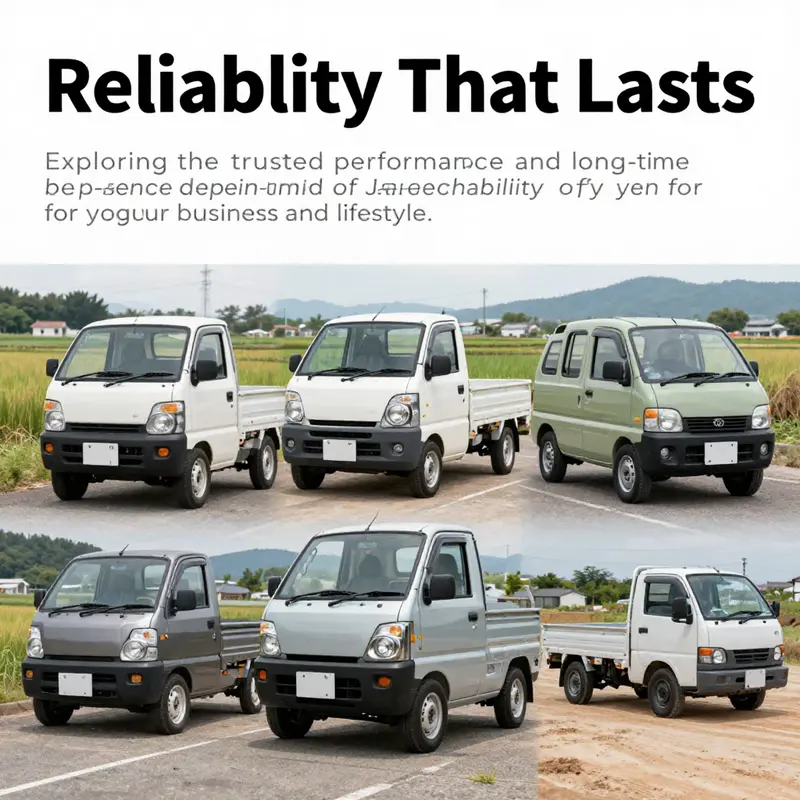
When it comes to reliability in the world of vehicles, Japanese mini trucks have carved out a remarkable niche. Known for their robust engineering and efficiency, these compact workhorses are not just a staple in Japan; they’ve gained popularity across the globe. Whether you’re a local small business owner in need of a dependable transport solution, a residential property owner looking for an affordable utility vehicle, or a mini truck enthusiast eager to understand their long-term value, this article serves as your comprehensive guide. We’ll delve into the factors that determine the reliability of Japanese mini trucks, explore their performance metrics, discuss market trends highlighting their soaring popularity, and share user experiences reflecting long-term reliability. Dive in as we uncover the impressive attributes that solidify these compact trucks as a reliable choice.
null
null
Efficient by Design: Reliability in Japan’s Mini Trucks Through Fuel Economy and Maintenance
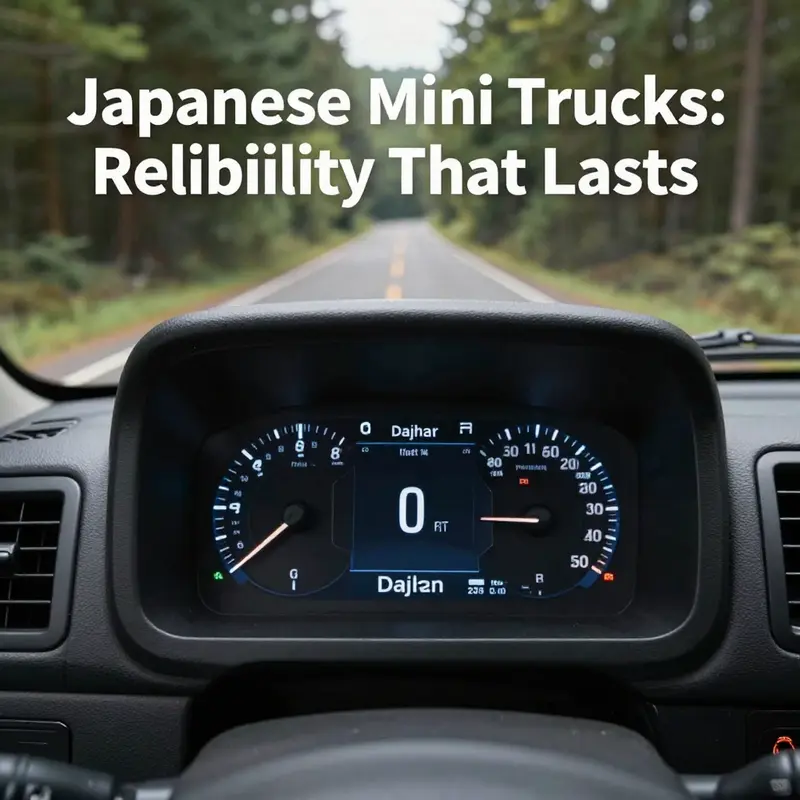
Japanese mini trucks are celebrated for reliability not because of flashy features but because of a simple, repeatable design philosophy. Built for daily work in crowded streets, their strength lies in durability, ease of maintenance, and predictable performance.
The Kei-truck class is defined by strict size and displacement limits, which pushes engineers toward lighter, simpler powertrains. Engines under 660cc help keep overall weight down, reduce parasitic losses, and minimize energy used for city acceleration and steady highway cruising. The resulting balance—small, efficient engines paired with compact bodies—translates into lower fuel use and steadier reliability in the long run.
Fuel economy sits at the heart of the reliability story. In typical urban deliveries, these engines deliver figures often in the 25 to 30 kilometers per liter range, with corresponding miles-per-gallon in the mid-60s to 70s in many cycles. For fleets and small operators, that efficiency reduces operating costs and lowers thermal and wear stresses on the powertrain. Of course, when the vehicle carries heavy loads or runs at higher speeds for extended periods, the efficiency can dip; reliability in this segment means staying within the design envelope and loading the truck appropriately.
Maintenance is the practical companion to efficiency. Regular oil changes, air-filter checks, belt and hose inspections, and timely replacement of wear items are the core routines that keep these machines dependable. The trade-off is not the absence of maintenance but the concentration of maintenance on a smaller set of robust components. Access to spare parts and service can vary by market, but when maintenance is performed consistently, downtime stays low, and predictable performance remains the rule.
Durability and simple design reinforce each other. Fewer, sturdier parts mean fewer points of failure, and compact chassis reduce leverage that can lead to wear in high-use scenarios. The overall reliability story is reinforced by disciplined operation: matched loads, sensible duty cycles, and proactive preventive maintenance combine to produce a platform that can serve daily urban logistics for many years.
From a fleet-management perspective, total cost of ownership often favors these vehicles. Lower upfront purchase prices can be offset by the savings from fuel efficiency, simpler maintenance, and predictable resale value. In dense urban contexts where last-mile work dominates, the ability to maneuver through tight spaces without sacrificing reliability makes these trucks attractive choices for municipal services and small-business fleets.
In sum, reliability in this class comes from restraint and repetition: a design that embraces compact powertrains, robust but simple construction, and a maintenance culture that keeps the vehicle performing well day after day, mile after mile.
Reliability by Design: Why Japanese Kei Trucks Earn Global Trust
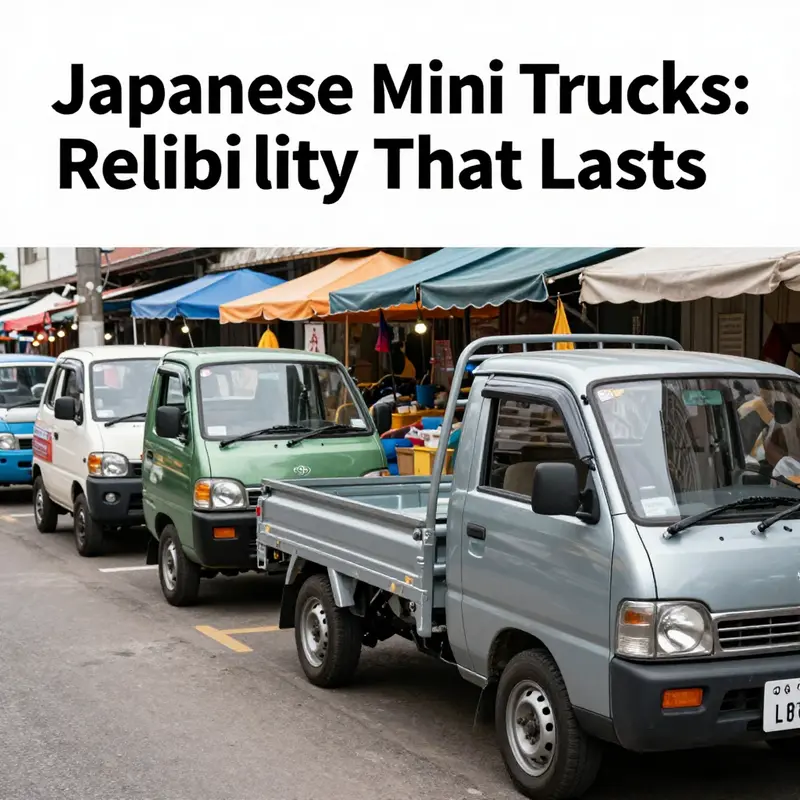
Reliability in lightweight commercial work vehicles is built from constraints, disciplined engineering, and a long view of how a vehicle fits into daily workflows. Japanese kei trucks embody this approach. They are compact by regulation, and that compactness is a designed discipline rather than a constraint that cripples capability. These trucks are built to perform where space is scarce, loads are predictable, and downtime cannot be tolerated. Across continents, the same logic governs their construction: simplicity, durability, and efficiency working together to deliver dependable service every day. This is not a story about speed or luxury; it is a steady case for how small machines carry heavy responsibilities without failing when it matters most. The result is reliability that travels beyond the showroom and into the ownership lifecycle, with predictable maintenance costs and resilient resale value.
The core reliability comes from a philosophy that favors robust, efficient design over extravagant features. Kei trucks operate under regulatory limits on engine displacement and dimensions. Those constraints push engineers to extract maximum usefulness from every cubic centimeter and kilogram. The upshot is a machine light enough to be economical yet robust enough for daily use. Lightweight construction is paired with careful material choices and components designed for repeated loading, road grime exposure, and vibration on rough surfaces. The design favors repairability and inspectability, which translates into lower life-cycle costs and fewer unexpected downtime events. When a vehicle is easy to fix in a field or shop, reliability becomes practical reality rather than abstract ideal.
A defining feature is the balance between load bearing and ride fundamentals. Suspension systems are built to handle practical weights without compromising control. Some designs use rear leaf springs formed from layered steel strips in a bow shape. This arrangement provides a stable platform for cargo on uneven ground while remaining economical to manufacture and maintain. The result is a durable, predictable platform that reduces downtime and emergency repairs in urban streets and rural lanes alike. The chassis and suspension respond well to the diverse terrains operators encounter, reinforcing reliability as a practical outcome for route planning and budgeting.
The engines emphasize efficiency, durability, and serviceability. Diesel variants appear in some markets, but the aim is a steady, long-lasting balance between torque, fuel use, and heat management. A powerplant designed for frequent short trips and starts avoids overheating and minimizes wear. That translates into lower maintenance and fewer unexpected performance dips. Fleets and individual operators value engines that start reliably in different climates and respond consistently to a workday schedule without frequent tinkering.
The compact footprint itself contributes to reliability by simplifying maintenance and reducing the risk of body or frame damage in tight spaces. Smaller footprints enable easier maneuvering, shorter service bays, and quicker routine tasks such as oil changes. Accessibility in the engine bay and under the vehicle makes maintenance faster and more predictable, reinforcing ownership experience.
Beyond the mechanical traits, reliability benefits from a global ecosystem. Kei trucks serve urban parcel runs, farm chores, and off-grid tasks, offering cross-task versatility that lowers capital outlay and inventory risk for small businesses. When a truck can be deployed across different job sites, the cost per mile drops and the model remains in service longer. This flexibility is a strategic asset rather than a perk.
Market analyses show kei trucks dominating niche segments where size, efficiency, and dependability matter. Uptime, payload stability, and predictable maintenance costs often take precedence over ride comfort in professional use. Ride quality is not neglected, but reliability remains the decisive factor for many buyers. Long service life, straightforward maintenance routines, and strong resale value are repeatedly cited as pillars of confidence in these light-duty workhorses. The result is a durable reputation: fleets can handle urban routes and rural deployments without the trade-offs that come with higher-performance trucks.
In summary, kei trucks prove reliable through disciplined design, practical durability, and broad applicability. Their appeal lies in equipment that remains functional and predictable after years of routine use, even in challenging environments. Components are chosen for longevity and serviceability rather than novelty. This combination yields predictable maintenance and performance, a compelling proposition for contractors, farmers, and city operators alike. And while technology will influence future iterations, the core idea of reliability—simplicity, robust construction, and predictable maintenance—will likely endure as the keystone of their ongoing relevance and trust around the globe. For readers seeking real-world perspectives, field experiences and case studies from operators across various terrains and tasks illuminate how these compact trucks perform in practice. The practical value of reliability, then, is measured not just in miles per gallon or top speed, but in uptime, predictable costs, and the ability to scale a single platform across multiple tasks.
null
null
Final thoughts
In conclusion, Japanese mini trucks stand tall as some of the most reliable vehicles available today. With their advanced engineering, low maintenance requirements, and proven performance, they’re not just a wise choice for local small business owners and property owners seeking utility; they captivate the hearts of mini truck enthusiasts everywhere. Their ability to navigate urban environments while maintaining efficiency and resilience speaks volumes about their enduring appeal. Ultimately, investing in a Japanese mini truck is not merely about acquiring a vehicle but about embracing a reliable partner in your daily operations. Whether it’s for business, personal use, or as a hobby, these trucks deliver on their promises, ensuring you can rely on them for many years to come.