
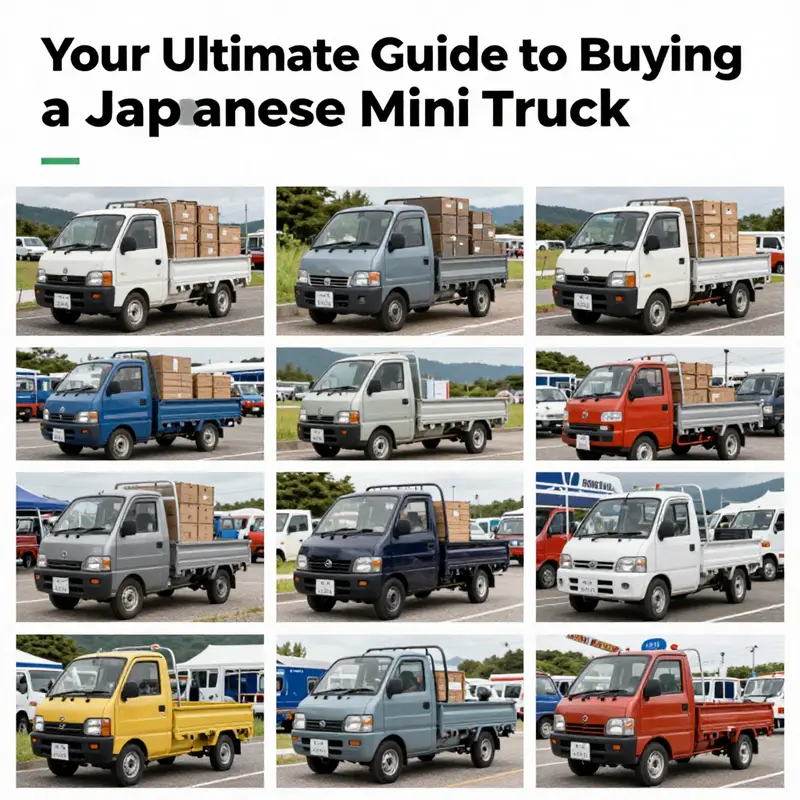
Whether you’re a local business owner looking for practical hauling solutions, a residential property owner needing versatile transport, or simply a mini truck enthusiast, knowing where to buy a Japanese mini truck is essential. This guide will walk you through an array of options, from online marketplaces to trade shows, and help identify models that fit your requirements. Additionally, we’ll cover how to find reliable exporters and offer insights into legal considerations that will ensure your purchase goes smoothly. Let’s dive into the best sources to empower you in your mini truck acquisition journey!
From Online Marketplaces to Global Expos: Navigating Where to Buy a Japanese Mini Truck
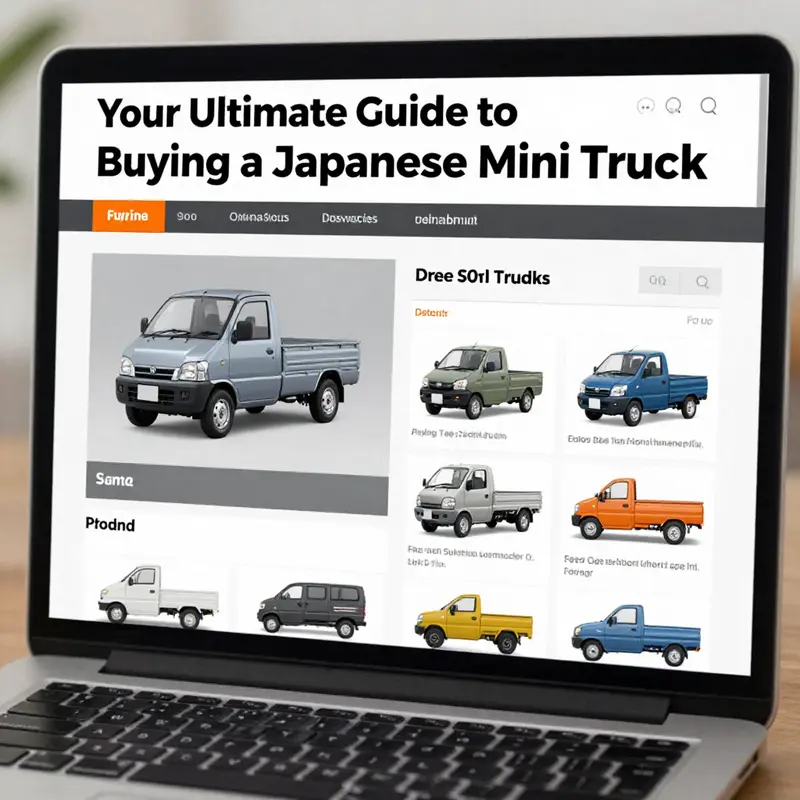
The search for a Japanese mini truck often begins with curiosity about what exists beyond local dealer lots, and it ends in a clearer sense of where buyers can find reliable inventory that suits their needs. These compact workhorses have earned a reputation for versatility, fuel efficiency, and ease of maintenance, which translates into a broad and global interest. The key to turning interest into a solid purchase is understanding the spectrum of online channels and events that connect buyers with export-ready machines. Rather than viewing the internet as a single storefront, imagine it as a spectrum that spans wholesale marketplaces, export-focused networks, and live industry events. Each channel has its own rhythms, verification requirements, and guarantees, and a thoughtful buyer learns to move fluidly among them, matching risk with reward and aligning price with performance. In this landscape, a careful approach to sourcing can save time, reduce risk, and yield a truck that remains a dependable asset well beyond its first few months on the job.
Online marketplaces form the backbone of many buyers’ initial research, presenting both breadth and the potential for excellent deals. The most comprehensive platforms host a mix of used and export-ready units, with listings that range from compact, urban-oriented rigs to larger, workhorse configurations designed for more demanding tasks. The appeal is obvious: a wide catalog, transparent pricing, and the ability to compare multiple options side by side. Yet breadth does not equal certainty. The same volume that creates choice can also conceal gaps in documentation, vehicle history, or actual condition. For this reason, a disciplined buyer cultivates a checklist before ever placing a bid or sending a message. Confirm that the listing includes clear photos, a detailed description of the truck’s condition, and the availability of export-ready paperwork. When a seller emphasizes limited time offers or unusually low prices, a cautious mind should look for independent verification, such as a video walkaround, a recent inspection report, or a third-party audit. These signals don’t guarantee perfection, but they do create a baseline for trust and a clearer sense of what to probe further.
Within the landscape of online platforms, marketplace hubs that specialize in wholesale and international sales are particularly relevant for mini trucks. These sites often aggregate listings from multiple exporters, providing a centralized venue to compare vehicle types, axle configurations, and drive layouts. In practice, buyers encounter a spectrum of options that can include used light-duty trucks, export-ready configurations, and, less commonly, new models designed for overseas markets. A typical buying arc might begin with a broad search for a right-hand drive export vehicle, followed by narrowing down to trucks that meet the intended market’s legal and logistical requirements. The process usually involves direct communication with suppliers to verify a vehicle’s provenance, confirm its current mechanical state, and review the available export documentation. It is precisely at this stage that a buyer’s due diligence becomes the hinge that determines whether a transaction proceeds smoothly or encounters friction at the port of entry.
As a practical guide to online sourcing, it helps to think in terms of price bands and export-readiness. Listings commonly present ranges that reflect differences in age, mileage, and the level of refurbishment. For a typical light-duty or mini dump configuration, price bands can span a broad spectrum, with some options priced in the lower thousands and others climbing toward mid-range figures, depending on condition and included equipment. A critical factor in pricing is the extent to which a seller can certify the vehicle for export, including the provision of documents that satisfy import rules in the buyer’s country. In many cases, exporters can facilitate the process by offering essential paperwork, such as deregistration certificates and export declarations, while also outlining the steps needed to obtain any country-specific compliance certificates after shipment. Buyers who plan to work through online marketplaces often find it advantageous to request a detailed condition report, a recent service history, and, where possible, video evidence of the drivetrain, suspension, and payload components. The more information a seller can provide up front, the more confidently a buyer can negotiate terms and establish a transparent risk profile for the transaction.
Beyond marketplaces, the value of attending a dedicated trade show can be transformative for a serious buyer. The Japan Truck Show, held periodically in Yokohama, stands out as a premier venue for the industry. For anyone drawn to the prospect of seeing the newest developments face to face, the event offers a direct bridge to manufacturers and distributors who routinely ship export-ready units worldwide. The prospect of encountering a spectrum of models in a single venue—ranging from compact mini trucks to larger light-duty vehicles—enriches a buyer’s understanding of how configurations, safety features, and build quality evolve across generations. Attendees often leave with clearer insights into the tradeoffs between payload capacity, driveline durability, and maintenance accessibility. The show also serves as a cultural barometer for the export ecosystem, illustrating how manufacturers, export networks, and inspection services coordinate to move vehicles from Japan to markets as varied as North America, Europe, and the Middle East. For a buyer, such events offer more than product looks; they provide the chance to establish direct, personal connections with people who control the pathways from factory floors to overseas ports. Those connections can translate into better pricing terms, faster processing, and more robust after-sales support down the road. Preparation for a show could include a well-ordered list of questions about warranty coverage, post-sale support, and the availability of spare parts, as well as a plan to compare practical features with the realities of a vehicle’s real-world use.
Export-focused dealers form a distinct channel that often harmonizes the strengths of marketplaces and shows with a structured, service-oriented approach. These dealers operate with an emphasis on cross-border logistics, compliance, and after-sales care. They tend to handle the heavy lifting that many buyers fear—ensuring vehicles meet legal requirements in the destination country, arranging left-to-right-hand drive conversions when necessary, and smoothing out the paperwork trail with export and import authorities. For buyers, the appeal is a more predictable end-to-end experience: access to a curated selection of vehicles, transparent terms, and a single point of contact for questions about maintenance support and warranty coverage. The trade-off, of course, is a potential premium in price that reflects the additional handling and guarantees that exporters provide. A careful buyer weighs this premium against the value of reduced risk, faster lead times, and greater confidence that the vehicle will arrive ready to work rather than towed as a project.
In evaluating any of these channels, it helps to have a clear sense of what the purchase will entail once the truck lands in the buyer’s country. Typical steps include confirming the vehicle’s condition through independent inspection, reviewing shipping options and insurance coverage, and preparing for customs clearance and registration. Import duties and taxes can significantly affect total cost, so it is wise to model these fees early and to verify whether the deal includes a bill of sale, export certificate, and any required compliance documents. Buyers should also be mindful of warranty limitations and the possible need for reconditioning or minor repairs after arrival. While the exact steps vary by country, the general arc—select option, verify, arrange shipping, complete paperwork, and register—stays consistent across channels. A disciplined buyer who documents every stage, negotiates with a calm, data-driven approach, and aligns expectations with reality will navigate the online market landscape more effectively and prepare for a smoother transition from Japan to the job site.
For readers who want to explore additional perspectives and practical reflections on the broader community surrounding these vehicles, a visit to the community blog can provide useful context and real-world anecdotes. You can discover a range of discussions on usage, customization, and maintenance by visiting the blog at minitrucksocala.com/blog. This resource is especially valuable for readers who are weighing how a mini truck fits into their specific operational needs, whether it’s light-duty delivery in tight urban corridors or rugged tasks in remote locations. As with any online purchase journey, cross-referencing information across sources helps build a more complete understanding of what to expect and how to plan.
Ultimately, the online landscape for Japanese mini trucks blends large-scale marketplaces, targeted trade shows, and export-focused networks into a practical, multi-channel pathway. Each channel contributes a different shade of certainty, cost, and convenience, and a well-prepared buyer moves between them with purpose. The goal is not to chase the lowest price alone but to secure a vehicle that arrives with verifiable history, clear export documentation, and a reasonable likelihood of reliable service after it lands. In a market where a single shipment can unlock a gear of opportunities—from efficient urban deliveries to resilient work in challenging environments—a thoughtful approach to sourcing becomes the single most important investment a buyer can make. External resource: https://www.alibaba.com
From Yokohama to Your Driveway: Navigating Trade Shows and Global Markets to Buy a Japanese Mini Truck
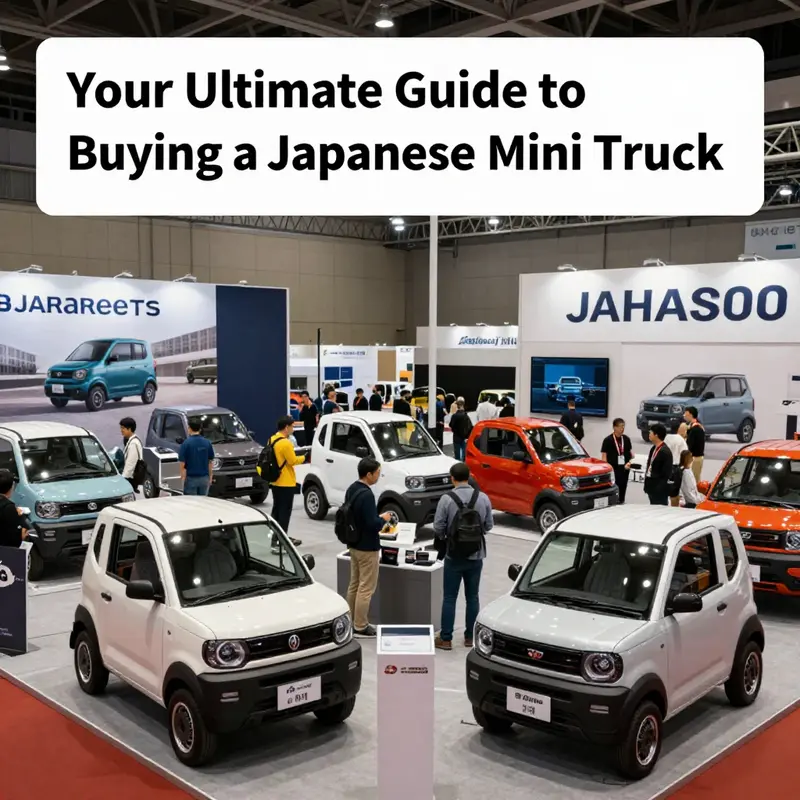
For buyers and operators alike, the journey to a Japanese mini truck is as much about immersion as it is about acquisition. The process begins long before a purchase is sealed, on a floor where engines idle, dashboards gleam, and the practical geometry of each truck asks the same question every user asks: what will this small workhorse do for me? Trade shows and global marketplaces aren’t simply catalogues; they are dynamic conversations between design intent and real-world need. A well-planned visit to a premier show can illuminate the whole landscape—how kei trucks balance compact dimensions with load capacity, how fuel efficiency is achieved in small-displacement powertrains, and how the build quality varies across kinds of chassis, cab setups, and payload options. The insight gathered here translates into smarter decisions when you step back from the booths and begin to map out a path to purchase. You learn not only about current offerings but about the kinds of support networks that make ownership practical across borders, from parts availability to local service and warranty considerations.
The best-known in-person gathering for this segment is a flagship trade show held in a major port city, a venue where the industry folds into a three-day workshop of demonstrations, close-up inspections, and direct talks with manufacturers and distributors. The show is a barometer for the market: it confirms which configurations are trending toward practicality, which features are becoming standard, and which innovations could redefine how these small trucks are used in farming, construction, landscaping, or light commercial work. It also serves as a queuing point for the most up-to-date offerings, giving visitors the chance to compare new models side by side, examine interior ergonomics, and gauge the long-term viability of certain designs. What stands out is the sheer breadth: a single venue can host a spectrum of setups—from bare-bones utility rigs to more refined, operator-friendly versions with enhanced comfort and optional equipment. This is where the lesson becomes obvious: to buy well is to have the patience to see how a machine’s intended role is reflected in both its form and its function.
Attendance figures at such fairs speak to their relevance. Tens of thousands of visitors and a couple of hundred exhibitors create an environment where dealers and producers are accessible and approachable. For someone considering an overseas purchase, this environment is invaluable because it smooths the path to understanding export procedures, eligibility for different markets, and the logistics of bringing a vehicle across borders. You’ll hear firsthand about the challenges and the solutions that have become standard practice—like how certain configurations are adapted for international compliance and how after-sales networks are organized in various regions. There is also the practical matter of who can help you broker a deal, arrange shipping, and manage customs, taxes, and registration in your home country. These are not minor details; they are the determinants of whether a purchase becomes a durable asset or a prolonged project.
While a live show provides the strongest sense of a model’s character, buyers also rely on the broader market ecosystem that encircles these events. In the months surrounding a show, many buyers explore export-focused dealers and specialized importers who routinely handle the heavy lifting of cross-border transactions. These entities often possess the experience to guide buyers through the maze of legal requirements, vehicle inspections, and regulatory conformance that vary from one country to another. They can offer curated selections, pre-purchase inspections, and, crucially, after-sales support that extends beyond the moment of sale. The advantage of working with such networks is the clarity they bring to a process that many people imagine as prohibitively complex. Instead of guessing which truck might suit a particular task, you have access to a curated inventory, documented histories, and a framework for understanding maintenance needs and spare-part accessibility in your region.
For those who cannot travel or who prefer to begin with digital research, a broader spectrum of options exists in the online marketplace world. These platforms aggregate a wide range of used and export-ready trucks, pulling from multiple sources and presenting buyers with a spectrum of conditions, price points, and configurations. The key here, as in any cross-border purchase, is diligence. A careful buyer verifies vehicle history, assesses the condition of essential systems, and confirms compliance pathways for import, licensing, and operation in the intended country. It is also wise to consider the reputability of the seller, the availability of clear documentation, and the reliability of post-purchase support. As a buyer, you want more than a good price; you want a predictable relationship that makes maintenance feasible and spare parts accessible over time.
With both live shows and online marketplaces as complementary channels, many buyers blend the experiences to form a practical buying strategy. A visit to the show can ignite a shortlist by exposing what features truly matter for a given use case—payload, turning radius, ground clearance, cab ergonomics, and compatibility with local fueling options. Afterward, discussions with export-focused dealers or importers can validate which configurations can realistically reach the buyer’s country, how much custom work is required to meet local regulations, and what service networks will sustain the vehicle over its life. In this blended approach, the show informs the decision, while the practicalities of importation and local support shape the final choice. In other words, the show is the ignition; the marketplace and importer network are the mechanism that turns that spark into a usable, long-term asset.
If you want a place to begin your exploration online, the growth of industry-focused content and community resources can guide you through the terminology, configurations, and common challenges buyers encounter. For ongoing reading that complements your hands-on research, see our minitrucks blog, where updates and practical guidance are curated for buyers navigating this space. minitrucks blog.
When you plan a path from a show floor to a driveway, you are balancing the allure of the latest design with the realities of import compliance, parts availability, and local support. The trade show is where you see potential in motion; the market and the network of exporters and importers is where potential becomes practical. The result is a purchasing journey that is as informed as it is ambitious, turning a niche curiosity into a capable workhorse that fits your tasks and your environment. For international buyers, this is not merely about obtaining a truck; it is about building a relationship with a product category that thrives on reliability, modularity, and straightforward operation. The show season, the network of specialists, and the patient scrutiny of online listings all converge to give you the confidence to choose a vehicle that will perform consistently when demand rises, and endure when schedules tighten.
External resource: official details and updates about the primary trade show can be found at the event’s official site: https://www.japan-truck-show.com/.
Where to Buy a Japanese Mini Truck: Navigating Export‑Focused Avenues, Shows, and Dealers
Sourcing a Japanese mini truck for export requires a careful, multi‑channel approach. Buyers benefit from combining online marketplaces, trade shows, and export‑focused dealers to build a complete picture of price, availability, and post‑purchase support. The objective is to locate vehicles that have a clear export path, verifiable paperwork, and an easy route to import and registration in your country. A practical plan blends three channels: online listings with clear export readiness, industry events and shows that connect buyers with manufacturers and export teams, and dedicated exporters who handle regulatory and logistical steps on your behalf.
Online marketplaces provide a broad doorway into export‑ready inventories. Look for listings that state export suitability, left‑hand drive conversions, or compliance packages. Read descriptions carefully, examine photos for signs of damage, verify odometer readings, and request documents such as titles, service histories, and export paperwork. Esteem credible sellers who offer export assistance or coordinated shipping, as that indicates a higher level of support. Due diligence is critical: request recent inspections, confirm the vehicle meets your country’s import requirements, and ask whether a broker is involved. A transparent seller will share multiple photos, a maintenance log, and clear notes about export history.
Trade shows in Japan add a practitioner’s dimension, offering direct access to manufacturers and export specialists. These events are especially valuable for understanding left‑hand drive conversion options, warranty coverage, and post‑purchase support. Attending a show enables in‑person discussions, face‑to‑face references, and the chance to verify the export ecosystem before committing. If travel is not feasible, seek exhibitors who publish export terms and contact channels, plus formal pathways to obtain required documentation and certifications.
Export‑focused dealers and distributors form a third route. Reputable networks publish transparent export terms, accreditation, and a track record of shipments. Engage with firms that can provide export titles, logistics arrangements, and local registration guidance. Request references, confirm the availability of warranties or service plans in your market, and clarify timelines from purchase to delivery. Different dealers may specialize in fleets or individual buyers, so outline your usage, budget, and regulatory constraints up front to align options.
Putting it together, define your import constraints, such as payload, engine type, drivetrain, and maintenance capacity. Outline the regulatory steps needed in your jurisdiction, including inspections and emissions compliance. Build a risk checklist covering the seller’s history, documentation integrity, and a clear path to customs clearance and registration. If you employ a broker or consultant, choose one with proven success in your destination country. Plan for logistics: transport from seller to port, transit times, insurance, and expected duties and taxes. Consider a staged approach: start with a non‑binding inquiry, obtain a detailed quote, and then proceed to a conditional agreement while you secure import approval.
Lastly, tap into the wider community. Networking with other buyers and enthusiasts can surface practical tips about specific exporters, the reliability of various channels, and after‑sales support experiences. A trusted online resource or forum can supplement your research, keeping you informed of market shifts and regulatory updates. Remember that the best path usually blends multiple routes, increasing your confidence and reducing the risk of surprises when the vehicle arrives.
Mapping the Right Mini Truck: How to Identify Models and Where to Buy a Japanese Kei Truck
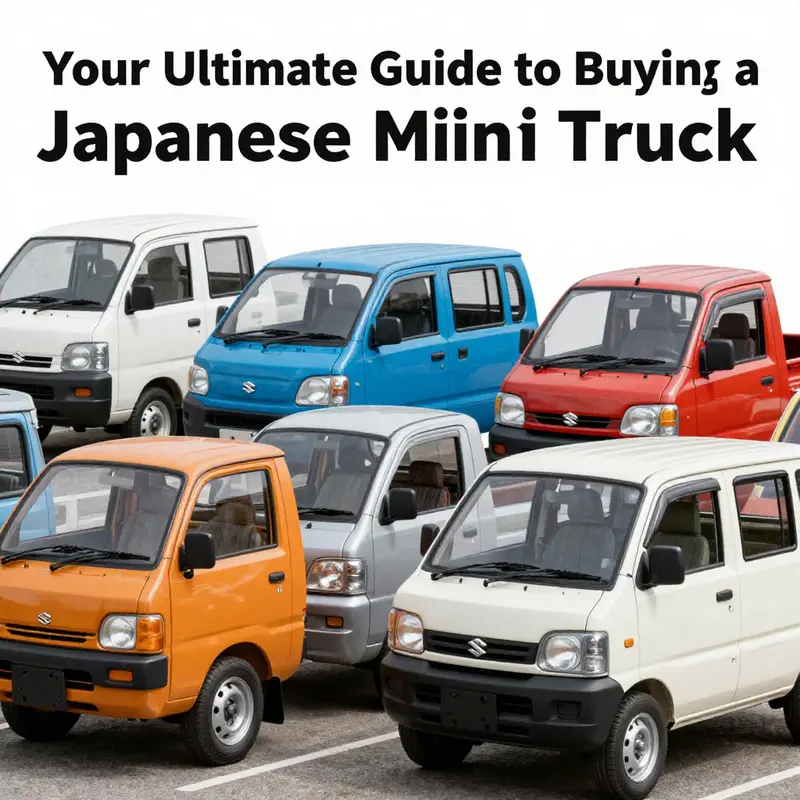
Choosing a Japanese mini truck begins with a clear sense of purpose and a method for comparing options that aren’t always obvious from photos or brief listings. These compact workhorses come in several variants designed for urban delivery, rural hauling, and export markets, and the path to acquiring one often runs through a combination of market insight, reliability checks, and legal clarity. The goal of this chapter is to weave those strands into a coherent approach that helps a buyer distinguish viable models from the rest and identify reputable channels that can deliver a truck that fits a specific set of needs. Rather than chasing a single “best model,” the practical aim is to map a small, sensible range of configurations that align with budget, usage, and the realities of bringing a vehicle from Japan to another country. In this sense, identifying models becomes less about memorizing exact names and more about understanding the features, tolerances, and support networks that keep a truck performing well after it arrives. To navigate this landscape, a buyer should first internalize a few baseline realities about Japanese mini trucks. These machines emphasize efficiency and practicality: small footprints, lightweight frames, and cargo beds sized for daily tasks rather than long-haul transport. They exist in a spectrum that ranges from urban-friendly, wheelbase-optimized units to more rugged variants built for light-duty contractor work or mixed-use. Within that spectrum, the differences among units often boil down to cargo bed length, engine displacement within regulatory limits, driveline configuration, and the availability of export documentation that can smooth the transition to a new home country. The practical effect is that one can narrow a search to a handful of configurations that reliably meet common needs—compact city deliveries, farm chores, and small-business logistics—without getting overwhelmed by the full breadth of possibilities. The process begins with how listings describe the vehicle. Look for listings that provide a clear sense of condition, mileage, and service history, even if the vehicle is pre-owned. Honest listings typically include high-resolution images of the bed, the cab interior, and the chassis, as well as a straightforward description of any known mechanical issues. When documentation is attached, it should cover the vehicle’s export readiness: a clean title, export certificates, and any available inspection reports. A buyer should also verify the configuration details that matter most for operation in another country, such as whether the vehicle uses a right-hand-drive or left-hand-drive layout and what, if any, conversions would be necessary to comply with local road rules. For many buyers, working with export-focused dealers is the simplest path. These firms specialize in handling the paperwork and ensuring vehicles meet import requirements. They can advise on the feasibility of left-hand-drive conversions, emissions compliance, and any country-specific safety standards. Importantly, they can also help estimate total landed cost, including shipping, insurance, taxes, and any import duties. The upshot is that this route shifts some of the risk away from the buyer and toward the exporter, while preserving access to a broader inventory than a local dealer could offer. Another reliable route is online marketplaces that source stock from multiple sellers. These platforms often have filters that let a buyer specify bed length, drive type, and other mechanical attributes. The caveat is that with online marketplaces, diligence is essential. Photos can be manipulated, and the language in a listing may not capture a truck’s true condition. A disciplined buyer cross-checks the listing against independent histories where possible, asks pointed questions about service records, and insists on additional photos or a live inspection if circumstances permit. Through this channel, one often encounters both genuine, export-ready options and more ambiguous listings that require careful negotiation and verification. Trade shows and industry events in Japan offer another dimension to the search. Attending or following the outcomes of a major truck show exposes buyers to the newest configurations directly from manufacturers and distributors who work with international markets. The advantage here is twofold: firsthand exposure to design directions, and access to personnel who understand import pathways and after-sales support. For a buyer who plans a longer-term investing strategy—perhaps incorporating maintenance and spare parts—this route can be especially informative and confidence-boosting. The decision to pursue a particular model should hinge on a balance of three pillars: practicality, provenance, and post-purchase support. Practicality means aligning the truck’s dimensions and powertrain with the intended tasks and the infrastructure of the destination country. Provenance pertains to the reliability of the seller and the presence of verifiable records that minimize uncertainty about the vehicle’s history. Post-purchase support covers the availability of parts, service networks, and the likelihood that the exporter will assist with any required compliance steps after the sale. When these pillars line up, a buyer gains a clearer sense of which configurations constitute viable candidates and which pathways—direct manufacturer channels, general marketplaces, or export-focused dealers—best align with the buyer’s timeline and budget. It is natural to question how to evaluate a listing’s credibility when working across borders. A cautious approach begins with a simple checklist: confirm the seller’s business legitimacy, seek multiple sources that attest to the vehicle’s condition, request a live walkthrough or detailed video tour, and verify the presence of export documentation that can be translated and prepared for customs. The word “trustworthy” in this context does not imply a guarantee; it signals a pattern of transparent communication, prompt responses to requests, and a willingness to provide copies of essential paperwork. Because each country’s import framework differs, prospective buyers should also prepare to consult with a local import broker or legal advisor who understands the latest regulations. This consultation is especially valuable if a country requires structural modifications, such as battery or emissions adaptations, or if there are unique licensing considerations for light commercial vehicles. The journey from interest to ownership is rarely linear, but it can be paced and clarified by anchoring the search to a few core questions and a practical route map. Begin by articulating the daily tasks the truck must handle and the minimum cargo dimensions that will fit the job. Then define a realistic budget that accounts for purchase price, shipping, taxes, and any modifications. Next, choose one primary channel as the backbone of the search—whether it is a trusted export dealer, a broad online marketplace, or a direct contact through a trade show network—and supplement it with secondary sources for comparison. Throughout, maintain meticulous records: request and store all correspondence, gather photos and inspection notes, and keep a running tally of landed costs so there are no surprises at customs or delivery. As a closing note, readers who want a broader perspective on the topic can explore ongoing coverage in industry-focused outlets and community resources that regularly analyze model ranges, maintenance considerations, and buyer experiences. For a deeper dive into related discussions and practical guidance, visit the Minitrucksocala blog. minitrucksocala.com/blog/. For a wider look at industry events and the pulse of the market, the Japan Truck Show official site provides a sense of where manufacturers are focusing their next-generation offerings and how these vehicles are positioned for international buyers. External resource: https://www.japan-truck-show.com/en/
Legal Clarity on Wheels: Navigating Where to Buy a Japanese Mini Truck with Confidence

Buying a Japanese mini truck isn’t merely about price or suitability for a site. It is a legal expedition that begins long before the first bid and continues after the invoice is paid. This journey requires a map drawn from national rules and local practices, not from glossy photos. The buyer who understands the terrain will save time, avoid costly detours, and gain confidence that the vehicle can be operated legally in the intended region. The legal terrain for these machines is shaped by three core elements: whether the vehicle is old enough to qualify for certain exemptions, how well it meets safety and emissions standards on arrival, and what each state requires to register and license a vehicle that began life on a different side of the planet. With that framework in mind, the rest of this chapter examines credible pathways to purchase and the checks that anchor a transaction in law as well as in good business practice.
Age and import eligibility sit at the center of the decision. In the United States, the crucial threshold is not the country of origin but the vehicle’s age. Vehicles older than 25 years often face a different regulatory route; this window is sometimes called an exemption or a special pathway for older vehicles. It opens doors where newer models would be blocked or would require expensive retrofits. Yet age alone is not a passport. Buyers must verify the exact year of manufacture and secure documentation that supports the claim. A formal compliance assessment from the DMV or an authorized safety and emissions expert becomes indispensable before any purchase decision. Without that step, a seemingly straightforward import can become a long, costly, and frustrating project. The 25-year rule provides opportunity, but it also creates a responsibility to check the paperwork and to confirm that the vehicle’s calendar year aligns with the jurisdiction’s requirements.
Safety and emissions add another layer of complexity. Federal standards set baseline expectations for vehicles that travel on public roads, and many jurisdictions add their own requirements. The result is a patchwork where what passes in one state may fail in another. California’s stringent emissions program is often cited, but many states impose their own tests and documentation demands for vehicles imported from abroad. Moving a vehicle through this maze frequently involves more than paperwork; it may require modifications, testing, and the involvement of certified technicians. Buyers should ask any seller or importer to spell out exactly which steps are included in the service package and which remain the buyer’s responsibility. When a channel offers a turnkey solution—covering compliance, retrofit supervision, and the necessary certifications—the path becomes smoother, but diligence remains essential, because not all offerings include everything needed by the destination state.
Where buyers look for these vehicles can influence the level of support they receive. Three broad approaches dominate. The first is authorized importers and dealers who specialize in moving vehicles across borders and navigating the necessary documentation. They bring knowledge of customs, port procedures, and licensing requirements, and they often present a bundle that includes vehicle history, verified condition, and some form of compliance proof. The second route is online marketplaces and auction platforms that expose buyers to a wider pool of options, yet require careful verification of provenance, maintenance records, and the availability of compliant parts or retrofitting guidance. The third option, private sellers, can tempt with lower prices but places the entire burden of due diligence, safe transport, and legal compliance on the buyer alone. Each path has merit depending on the buyer’s tolerance for risk, experience with international purchases, and appetite for managing complex documentation. Even when working with a reputable importer, it remains crucial to review the scope of services and to confirm timelines for delivery and for regulatory approvals.
Practical due diligence forms the heart of a sound purchase. A disciplined buyer checks the critical facts before money changes hands. They verify the year and origin, review VIN records, and request a complete vehicle history that covers major repairs, accident notes, and service histories. For older machines, it’s essential to understand the feasible path to compliance rather than assume a quick fix will suffice. Buyers should insist on honest disclosures about any modifications, including safety-related changes and retrofits, and confirm that any such work was performed by qualified professionals. The pricing calculation should extend beyond the sticker price to include anticipated import duties, freight, broker fees, and the costs of any required hardware or software changes for safety and emissions. A transparent seller paired with a reputable importer or platform stands a better chance of delivering predictability, whereas red flags in documentation should trigger a pause and a reevaluation of the deal. In the end, the best transactions are those where a buyer can line up every cost with a concrete, documented plan for meeting regulatory demands.
To support informed choices, prospective buyers should consult credible public and professional resources and consider building a compliance checklist that aligns with their state’s licensing framework. A reliable supplier who communicates clearly about required steps, estimated timelines, and possible contingencies can be a buyer’s best ally. The process of bringing a vehicle into use is not instantaneous; it often unfolds in stages—clearance, inspection, modifications if needed, testing, and final registration. Patience and preparation pay off when the vehicle arrives and passes the final checks without unnecessary delays. The key is to approach the purchase as a legal project as well as a financial one, recognizing that the right channel and the right documentation transform a potentially frigid import exercise into a warm, workable ownership experience.
Final thoughts
No matter your reason for buying a Japanese mini truck, understanding where to purchase one is crucial. From online platforms like Alibaba.com to immersive trade shows and specialized dealers, the options are plentiful. Additionally, being informed about specific models and the legalities involved will help ensure a seamless acquisition. With this guidance, you’re well-equipped to make an informed decision that meets your needs and opens up new opportunities for your business or personal use. Start your journey today and join the community of mini truck enthusiasts!