
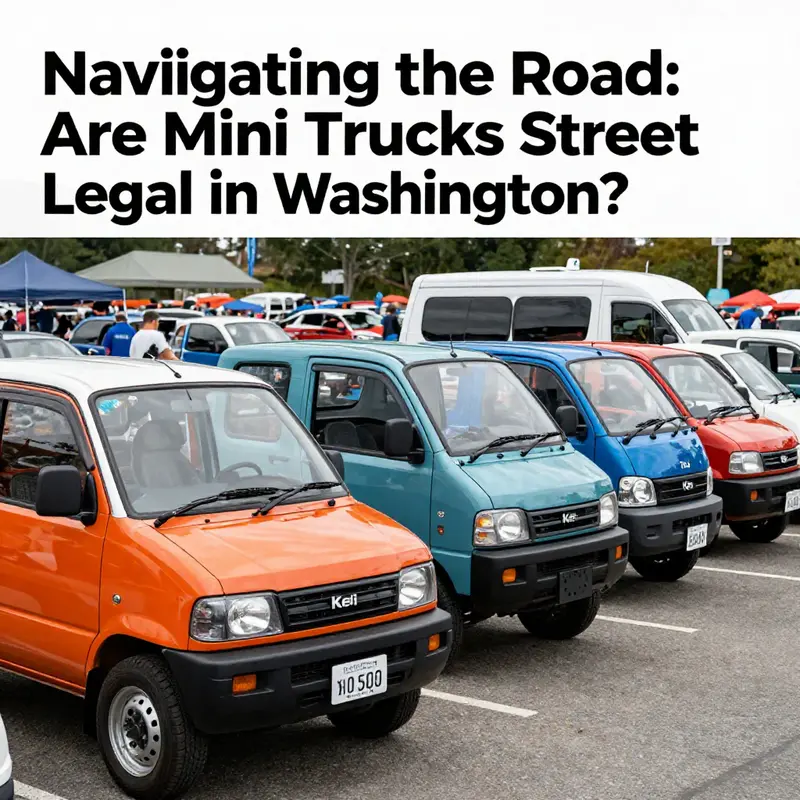
Mini trucks, particularly the Kei trucks that hail from Japan, have gained popularity among small business owners, residential property owners, and hobbyists looking for compact vehicles. But the question remains: are these unique gems street legal in Washington State? In this exploration, we will delve into the legal status of Kei trucks, ensuring they meet all safety and emissions standards, and what registration requirements accompany their import. By the end, you’ll have a comprehensive understanding of how to legally navigate the road with your mini truck in Washington.
Kei Trucks on Washington Roads: Navigating Regulations and Embracing the Mini Truck Lifestyle
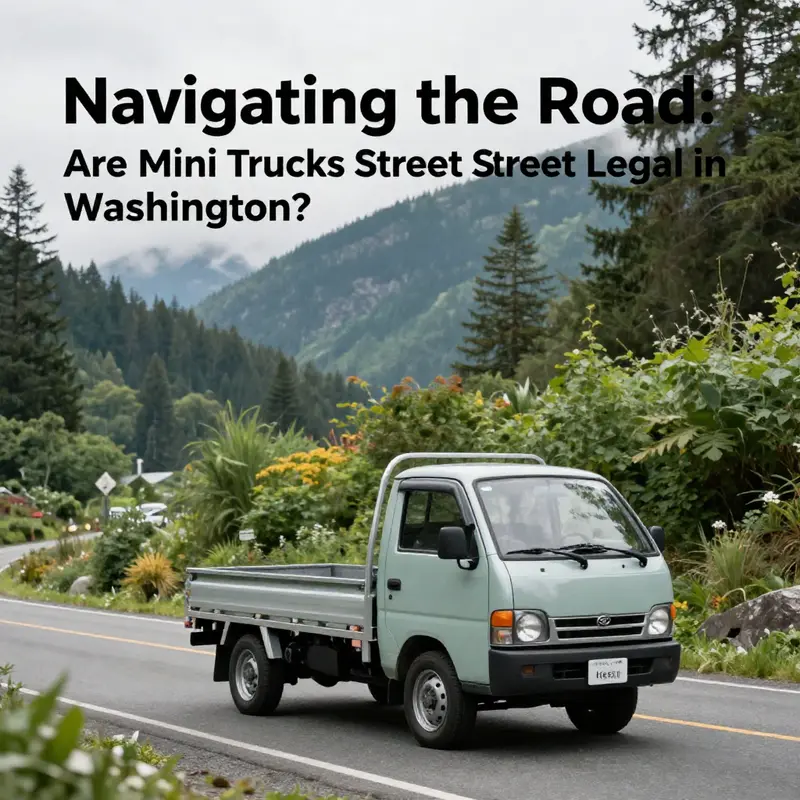
In Washington State, the allure of mini trucks, especially Japanese Kei trucks, has captured the interest of many vehicle enthusiasts and everyday drivers alike. Beyond their unique design and efficiency, these compact trucks have become symbols of innovation and practicality, particularly in urban areas and rural landscapes alike. Despite their unconventional appearance compared to larger, traditional trucks, Kei trucks have successfully navigated the complex web of state regulations to earn a place on the roads. In this chapter, we explore in depth how these mini trucks meet the state’s stringent requirements, the modifications necessary to conform to legal standards, and the processes involved in registering and operating these vehicles legally on Washington’s public roads.
Washington State classifies Kei trucks as motor vehicles, which makes it clear that they are subject to the same set of regulations that govern any other vehicle on public roads. This classification is important because it places Kei trucks under the auspices of the Washington State Department of Licensing (DOL) and associated safety and emissions standards. From the outset, potential owners must recognize that although Kei trucks are uniquely compact and offer several advantages such as ease of parking and improved fuel efficiency, they are not automatically street legal. Instead, owners need to ensure that their Kei trucks adhere to a series of modifications and adjustments before hitting public roads.
One of the primary requirements is that Kei trucks must be registered and licensed as motor vehicles in Washington. This involves a multi-step process where each vehicle is thoroughly inspected for compliance with state safety equipment guidelines. For example, these vehicles must have functioning seat belts, standardized lighting systems, turn signals, and other critical safety features. The state mandates that any vehicle used on public roads must pass a safety inspection, and Kei trucks are no exception. In many cases, Kei truck owners invest in upgrades such as enhanced steering systems, more durable braking components, and even modernized dashboard instrumentation to meet these rigorous standards.
A significant element of making Kei trucks street legal in Washington is ensuring compliance with the state’s emissions standards. Even though many Kei trucks come equipped with engines that are relatively low in displacement—frequently 660cc or less—the engines must still conform to local environmental regulations. The emission standards are in place to reduce pollution and improve air quality over time, which means that any modifications or enhancements should not lead to increased emissions beyond the accepted limits. As a result, some owners find themselves working with certified mechanics and specialized automotive companies to ensure that engine calibrations, exhaust systems, or any alterations to the fuel or emission systems do not compromise environmental standards.
Beyond safety and emissions, the issue of modifications remains a central aspect of complying with Washington’s road-use requirements. Vehicles that have been imported from Japan often require certain adjustments before they can be deemed street legal. For instance, many Kei trucks imported into Washington feature components tailored for a different country’s road standards. Modifications may include the removal or recalibration of speed governors, which restrict the maximum speed of these mini trucks, or upgrading lighting systems to meet American standards. The process of modifying these vehicles is not only about meeting the letter of the law but is also aimed at ensuring the vehicle is safe for use in a variety of driving conditions across the state—from bustling city streets to winding rural roads.
The modifications themselves can range from relatively simple changes, such as replacing headlights and installing proper turn signals, to more complex alterations involving the vehicle’s overall structural integrity and engine performance. In many instances, these modifications are performed by specialized technicians who understand both the original specifications of Kei trucks and the legal requirements set forth by Washington state law. Owners often find that the cost and effort of these modifications are balanced by the economic advantages offered by Kei trucks, such as lower fuel consumption, reduced maintenance costs, and the ability to navigate narrow urban streets with ease.
One of the more challenging aspects for Kei truck enthusiasts is ensuring that all modifications are meticulously documented and certified. The Washington State Department of Licensing requires a clear chain of evidence that any alterations have been properly performed and that every component of the vehicle meets state safety standards. This documentation can include detailed receipts, inspection reports, and certification from recognized automotive experts. The process, while time-consuming, is essential to ensuring continued compliance and the overall safety of the vehicles on public roads. In many cases, owners who have undertaken the process advise prospective buyers to plan ahead by budgeting for the inevitable modifications and administrative fees associated with the registration process.
During this journey towards legal compliance, many Kei truck owners discover a vibrant community of enthusiasts who share tips and experiences on how best to adapt their vehicles to meet legal standards. Online forums and local meet-ups provide platforms for exchanging valuable insights on the nuances of state regulations, particularly in instances where legislative changes may affect the legal status of these vehicles. One useful online resource is a comprehensive blog that discusses modifications and registration details for various mini trucks. Through this resource, potential owners can learn about common pitfalls, recommended service providers, and innovative solutions for meeting the Washington requirements. For those interested, browsing through detailed stories and advice on these modifications can be very enlightening, as it provides firsthand accounts of the challenges and successes experienced by dedicated Kei truck owners. You can explore more about these firsthand experiences and technical advice by visiting the blog resources available online.
The regulatory environment in Washington State is designed not only to ensure that all vehicles are safe and efficient but also to protect drivers and pedestrians alike. In this sense, the legal framework that oversees Kei trucks is comprehensive and carefully structured. Every vehicle, regardless of size, must meet rigorous parameters, and this is particularly true for vehicles that are imported directly from countries like Japan, where vehicle standards and manufacturing practices may differ significantly from those in the United States. Washington’s legal system prioritizes safety and environmental sustainability, and Kei trucks must be thoroughly vetted in order to maintain the balance between innovation and responsibility.
In addition to vehicle modifications, the process of registration introduces drivers to several bureaucratic steps that involve both state and local authorities. This is an important factor because, despite the seemingly simple exterior of a Kei truck, the underlying mechanics of its legal compliance are multi-faceted. When applying for registration, thorough inspections by state-appointed experts are a standard procedure. These inspections verify that every safety feature is in place, that the vehicle’s emissions are well within approved limits, and that all modifications have been made according to prescribed standards. The pitfalls in the registration process are often due to incomplete documentation or overlooked minor upgrades, and thus prospective owners are advised to work closely with experts who specialize in Kei truck modifications. Such expert assistance can ensure that all paperwork is in order and that the vehicle passes every inspection stage.
Moreover, the journey to legal compliance offers a unique opportunity for owners to better understand both the engineering intricacies of their vehicles and the broader regulatory landscape that governs motor vehicles on public roads. The learning curve can be steep, yet it is part of a larger commitment to responsible vehicle ownership. For many, the satisfaction of overcoming hurdles in the registration process is complemented by the joy of driving a modified, fully compliant Kei truck. This satisfaction is compounded when drivers realize that their efforts contribute to safer roads and a cleaner environment, priorities that lie at the heart of any regulatory framework.
The community around Kei trucks often celebrates these achievements with a mix of technical discussions, casual meet-ups, and even organized events that showcase modified vehicles. Although the modifications and inspections can seem tedious, the process fosters a sense of camaraderie among vehicle enthusiasts who share a passion for unique, resourceful transportation. Stories abound of owners who successfully transformed a basic Kei truck into a roadway marvel, all while managing the complexities of licensing and registration. The transformational journey of these vehicles serves as proof that compliance with stringent state laws does not have to stifle creativity. On the contrary, it often inspires innovative solutions that benefit both the drivers and the community as a whole.
Engineers and automotive specialists in Washington have also taken a keen interest in the process, often contributing research and technical papers that delve into the performance and safety aspects of Kei trucks. Their findings not only aid in refining the modification process but also open discussions on how small vehicles can be reimagined for efficiency and environmental performance. These scholarly contributions highlight that the process is not solely administrative; it also poses interesting challenges from a technical perspective. Innovations in vehicle engineering stem from the very need to adapt Kei trucks for American roads, leading to improvements in areas that enhance overall driving safety and performance. The dialogue between regulators, engineers, and vehicle owners is ongoing and iterative, ensuring that the regulations evolve alongside technological advancements.
A critical area of continuous improvement is the enforcement of safety regulations. Washington State authorities routinely update their guidelines to incorporate the latest road safety data and technological innovations in automotive design. As such, what qualifies as compliance today might evolve in the near future, necessitating ongoing vigilance on the part of Kei truck owners. This dynamic regulatory environment means that staying informed is as important as the initial modifications. Owners must periodically review Washington’s Motor Vehicle Regulations and adjustment requirements to ensure that their trucks remain compliant even as standards shift over time.
For individuals interested in purchasing a Kei truck, careful research is essential. Prospective buyers should consider not only the upfront purchase price but also the cumulative cost of necessary modifications, inspections, and registration fees. A thorough financial analysis that accounts for these factors is indispensable. Additionally, consulting with professionals who have successfully navigated the registration process can help avoid unexpected expenses or delays. A well-informed buyer understands that while Kei trucks may be more affordable and economical in the long run, the process of making them street legal requires careful planning and investment.
It is also imperative for Kei truck owners to be proactive about regular maintenance and periodic safety inspections. Even after a vehicle has been registered and approved for public use, ongoing maintenance is crucial for ensuring continued compliance with safety standards. Regular check-ups can uncover potential issues before they lead to non-compliance, and adhering to a routine maintenance schedule not only prolongs the life of the vehicle but reinforces its safety credentials. This practice emphasizes that compliance is not a one-and-done achievement but rather an ongoing commitment to road safety.
Understanding these regulations becomes particularly important when considering the broader impact on both driver safety and public welfare. Washington’s commitment to environmental and traffic safety extends to every mile of its roadways. By enforcing stringent compliance requirements, the state ensures that all vehicles contribute to a safer, cleaner, and more efficient transportation network. In this light, the modifications and registration process that Kei trucks undergo should be seen as integral components of a comprehensive strategy to reduce road hazards and environmental risks. For many, the process is not merely a bureaucratic hurdle but a necessary evolution that benefits the community at large.
The narrative surrounding Kei trucks often touches on the cultural impact of owning such a unique vehicle. Beyond the mechanical and regulatory challenges, many drivers find that owning a Kei truck allows them to express individuality and practicality simultaneously. The distinctive design of these trucks, which typically features compact dimensions, clever engineering, and a minimalist aesthetic, stands as a counterpoint to the larger, more conventional trucks that dominate many roadways. This personal expression, however, comes with the responsibility of ensuring that the vehicle is in full compliance with all relevant laws—a responsibility that Kei truck owners tend to take very seriously.
In many ways, the story of Kei trucks in Washington is one of adaptation and evolution. Owners are not simply adapting a vehicle to meet regulatory standards; they are also at the forefront of a broader shift in perceptions about efficient urban transportation. The evolving requirements for modifications and registration serve as a reminder that progress in automotive technology and design often goes hand in hand with rigorous safety and environmental standards. As Washington’s regulatory framework continues to adapt to new technologies and shifting societal standards, Kei trucks remain a pertinent case study in how traditional boundaries in automotive design can be creatively overcome.
Perhaps one of the most compelling aspects of owning a Kei truck in Washington is the embodiment of a broader trend towards sustainable transportation. Despite their modest size and engine capacity, these vehicles exemplify efficiency, and this efficiency is not only measured in fuel consumption but also in maintenance and environmental impact. The drive towards cleaner air and reduced emissions is a global phenomenon, and Washington State is no exception. As state guidelines tighten and as public consciousness about climate change grows, the measures taken to ensure that every vehicle—regardless of size—is eco-friendly become all the more critical.
For those who appreciate detailed technical insight, the intricacies of Kei truck regulations offer a treasure trove of knowledge. The balance between maintaining original design integrity and adhering to a modern safety framework is a recurring theme, one that requires both creativity and technical acumen. Automotive experts often discuss how seemingly minor details, such as the positioning of headlights or the responsiveness of braking systems, can have a pronounced impact on both safety and performance. These discussions highlight the importance of a meticulous approach to vehicle modifications, one that leaves no detail unaddressed. By understanding these nuances, owners become better stewards of their vehicles and more active participants in the ongoing dialogue about road safety and environmental impact.
For those planning to join this growing community of Kei truck enthusiasts in Washington, it is advisable to keep abreast of changes in local and federal regulations. The landscape of vehicle compliance is ever-changing, and periodic updates may impact how modifications need to be approached. This includes being vigilant about any adjustments issued by regulatory bodies, staying informed through industry publications, and even participating in community workshops where experts share updates and strategies for maintaining compliance. The continuous learning process in this field is reflective of a broader commitment to responsible vehicle ownership and the sustained pursuit of safety and efficiency.
In summary, navigating the regulatory maze associated with Kei trucks in Washington State is a multifaceted journey that blends technical modifications, safety inspections, and administrative processes into one cohesive narrative. The process is layered and demanding, yet the rewards include not only the economic and environmental benefits of owning a mini truck but also the satisfaction of overcoming challenges with smart, informed decision-making. It is this blend of tradition, technical innovation, and rigorous safety standards that makes owning a Kei truck in Washington a truly unique experience.
For those who are curious and wish to explore further, additional insights can be found on various automotive blogs that delve into customization and technical adjustments. These resources offer practical advice and real-world experiences that underscore the importance of compliance and continuous improvement. One can always benefit from shared wisdom, especially when navigating systems designed to keep all vehicles safe and efficient. For more detailed discussions and firsthand accounts from fellow enthusiasts, check out this excellent compilation of insights on mini truck modifications and registration.
As the regulatory framework continues to evolve, Kei truck owners and prospective buyers should remain engaged and proactive. The dynamic nature of state guidelines means that each modification, each inspection, and every upgrade is part of a larger commitment to road safety and environmental integrity. Washington State’s stringent—but fair—requirements serve both as a challenge and as an opportunity for innovation in vehicle design and automotive engineering.
Ultimately, the journey to lawful street operation for Kei trucks is a testament to the ingenuity and perseverance of their owners. It is a journey marked by careful planning, technical precision, and a commitment to not only keeping up with regulatory changes but also contributing to a safer driving environment. For anyone passionate about automotive innovation and efficiency, understanding the regulatory landscape in Washington offers valuable insights into the balance between tradition and progress. The future of mini trucks, underscored by their ability to adapt and thrive within a framework built on safety and efficiency, is one that continues to captivate the imagination of drivers across the state.
For official and detailed information on the vehicle registration process for Kei trucks and other motor vehicles in Washington, please refer to the comprehensive guidelines provided by the Washington State Department of Licensing at Washington State Department of Licensing – Vehicle Registration.
Navigating Safety and Emissions: The Legal Journey of Mini Trucks in Washington
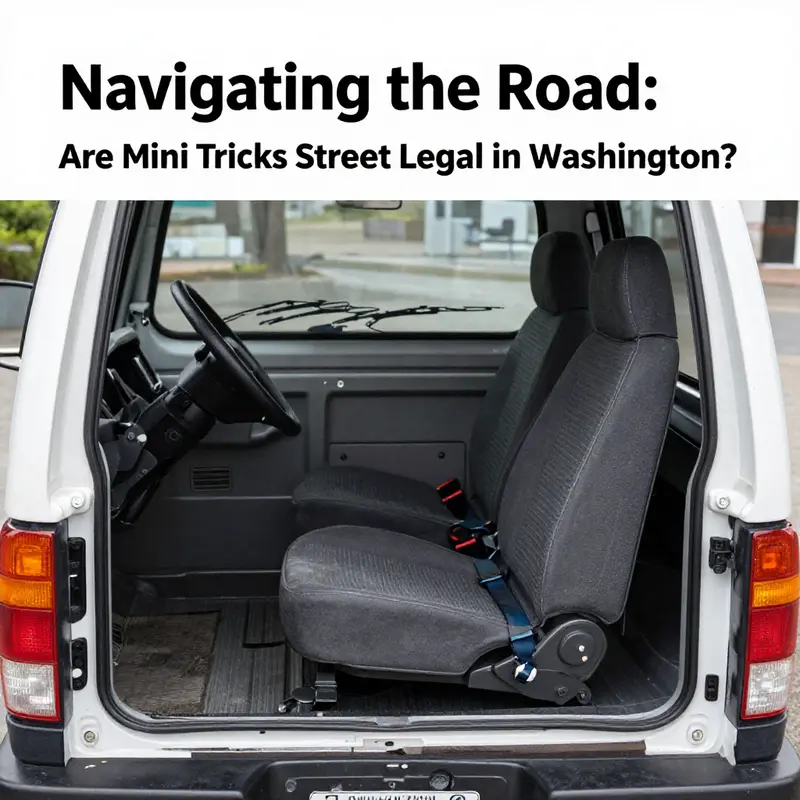
Mini trucks have garnered significant attention as an efficient and compact alternative to traditional vehicles, and in Washington State, they have captured the imagination of enthusiasts and practical drivers alike. However, their appeal comes with a responsibility to adhere to a comprehensive set of safety and emissions guidelines that ensure these pint-sized powerhouses meet the rigorous demands of public road use. While many are drawn to their economical design and Japanese heritage—particularly in models such as Kei trucks—the regulatory journey to making these vehicles street legal in Washington demands a thoughtful understanding of both safety equipment and environmental standards.
At the heart of Washington’s legal framework for mini trucks lies a commitment to safety. Operators must understand that while these vehicles are compact by design, they do not exist in a regulatory vacuum. Just as full-sized vehicles are held accountable to an array of safety mechanisms, mini trucks too must incorporate essential safety features. This includes the installation of seat belts for all seating positions, properly functioning turn signals, and an appropriate set of lighting systems that not only illuminate the vehicle but also signal its intentions to other road users. The emphasis on such features is designed to protect both the driver and the community, ensuring that the unique design of these smaller vehicles does not compromise the overall safety of Washington’s roads.
The process of bringing a mini truck into compliance begins with a detailed inspection of its safety equipment. Washington State authorities scrutinize every aspect of the vehicle: from the braking systems to the structural integrity of the chassis, and down to the proper functioning of auxiliary components like the headlights, tail lights, and reflectors. The meticulous nature of these inspections is reflective of a broader legislative intent—a clear message that all vehicles, regardless of size or origin, must contribute positively to public safety. For instance, many imported Kei trucks require modifications to align with federal and state standards, and this might involve installing additional safety gear if the original design lacks mandated components. Such modifications are often indispensable, as an imported vehicle might initially meet the aesthetic and design features expected for compact vehicles but fall short of the rigorous safety standards imposed by Washington law.
One significant reason behind these stringent standards is Washington State’s commitment to reducing road accidents. Smaller vehicles naturally present unique challenges in terms of visibility and impact force, particularly when sharing lanes with larger, more robust vehicles. To mitigate these risks, regulatory bodies insist on modifications that might not be necessary in other jurisdictions. For example, a Kei truck’s unusually compact dimensions can be an asset during city driving but may also hide potential blind spots if the vehicle is not equipped with adequate lighting and signaling devices. In such cases, upgrading the lighting systems is not merely a matter of aesthetics—it is a fundamental requirement designed to enhance visibility and communication on the road. As a result, even if a mini truck is technically engineered for efficiency and low emissions, it must be tailored further to suit local safety norms.
Beyond safety equipment, Washington’s environmental standards for mini trucks are equally rigorous, with a strong focus on emissions control. The state, like many others committed to environmental stewardship, has clear requirements that vehicles must meet to minimize harmful pollutants. Modern mini trucks have an inherent advantage in terms of fuel efficiency and lower emissions, but this does not exempt them from periodic inspections and certifications. The vehicle’s engine, often restricted to 660cc in many Kei trucks, is subject to thorough testing to ensure that it does not exceed prescribed emissions thresholds. This double-edged approach—simultaneously championing fuel efficiency while enforcing strict environmental guidelines—demonstrates Washington’s balanced strategy: it encourages innovative and efficient transportation while safeguarding public health and ecological integrity.
This dual emphasis on safety and environmental performance means that operators of mini trucks must be well-informed not only about the mechanical aspects of their vehicles but also about the broader regulatory environment. For many, the first step is understanding that while mini trucks may be fun and economical, they are categorized under the same legal framework as traditional motor vehicles when it comes to registration and licensing. In Washington, a vehicle’s classification largely determines its eligibility for road use. Even though Kei trucks were initially designed for markets with different regulatory landscapes, once they enter Washington roads, they must satisfy all local requirements—and failure to comply can lead to significant legal and financial repercussions. From acquiring a valid registration to showing proof of compliance with both safety and emissions standards, prospective owners face a multi-layered process that calls for diligence, transparency, and often, professional guidance.
The modification process is an area where mini truck enthusiasts often encounter challenges. Importing a Japanese Kei truck, for example, is rarely a plug-and-play experience. Many such vehicles are built with a specific set of regulations in mind that differ vastly from those in Washington. This dissonance creates a need for adjustments. Manufacturers outside the United States often design Kei trucks to meet their domestic safety and emissions norms, which means that a few critical modifications can be necessary to bring a newly imported mini truck into line with Washington State requirements. These modifications might include the installation of modern seat belts, compliance with enhanced lighting standards to ensure visibility in all weather conditions, and the inclusion of updated emission control devices. The transformation, while sometimes extensive, is a vital investment in the vehicle’s long-term usability and safety on the road.
An important factor to consider is that the overall process often involves periodic assessments and updates. As federal and state regulations evolve in response to new safety data and environmental trends, so too do the guidelines that mini truck owners must abide by. It is not uncommon for enthusiasts, after investing in the necessary modifications, to find that additional updates are required as new safety standards come into effect. The dynamic regulatory landscape means that owning a mini truck is not just a one-time compliance endeavor; it is an ongoing commitment to safety, performance, and environmental responsibility. This continuous evolution of standards ensures that all vehicles, regardless of their size, remain safe and fit for public roads.
For drivers and enthusiasts, one significant concern is the clarity of the process. Washington State has made efforts to streamline communication about these requirements. Detailed information is available on the official websites of regulatory agencies such as the Washington State Department of Licensing, which outlines everything from vehicle classification to the minute details of safety equipment requirements. This proactive dissemination of information helps ensure that vehicle owners are well-equipped to undertake the necessary measures before their vehicles are deemed street legal. It allows potential owners to make informed decisions, plan ahead for required modifications, and budget for any necessary upgrades. By understanding the criteria early on, owners can proactively address compliance issues rather than facing unexpected setbacks during inspections.
Beyond procedural clarity, the regulatory landscape is also designed to foster a more inclusive approach to alternative transportation. Mini trucks, and especially models like Kei trucks, represent an intersection between innovation, environmental efficiency, and cultural heritage. Their design is inherently different from that of full-sized vehicles—a fact that brings both benefits and challenges. On one hand, their small dimensions and fuel-efficient engines make them attractive in urban settings where space is at a premium and where sustainability is a growing concern. On the other hand, these very attributes require that additional attention is given to ensuring that all safety protocols are met. For instance, some mini trucks might be initially equipped with equipment that is considered outdated or insufficient by modern safety standards. In this context, the revised regulations serve as a bridge between the vehicle’s original design and the modern requirements of a progressive, safety-conscious state.
The interplay between tradition and innovation in the design of mini trucks underscores another important facet of Washington’s regulatory environment: the balance between preserving a vehicle’s unique heritage and adapting it to contemporary safety and environmental standards. Particularly for imported models, this balance is a delicate act. Enthusiasts appreciate the authentic design lineage of these vehicles, which often harks back to a different era of automotive engineering. However, that same legacy sometimes necessitates upgrades that can alter the vehicle’s original configuration. Whether it is the application of advanced emissions control systems or the retrofitting of modern lighting technology, each modification represents a compromise between fidelity to the original design and the imperatives of modern public safety and environmental law.
The process of modification is typically borne out of the need to meet or exceed the safety and environmental benchmarks as set by local authorities. It is not unusual for modifications to extend beyond the obvious changes such as installing seat belts or adding updated reflectors. Many vehicles undergo deeper mechanical reconfigurations. For instance, some owners choose to adjust the engine management systems to better conform to emission standards, or they might invest in advanced safety features that were not originally part of the vehicle’s design. This breadth of modifications underscores a broader point: the journey to legal compliance is as much about embracing change as it is about preserving a vehicle’s intended character. Enthusiasts often develop a deep technical understanding of their vehicles, transforming themselves into connoisseurs of both automotive culture and regulatory compliance alike.
This intricate process of making mini trucks street legal in Washington is illustrative of a broader paradigm shift in automotive regulation. As environmental concerns and road safety become more pronounced issues in public policy, vehicles of all sizes are influenced by a rising tide of legislative reforms. The mini truck, with its compact design and economical engine, is not immune to these changes. Instead, it finds itself at the center of ongoing debates about how best to integrate diverse types of vehicles into the modern transportation ecosystem. The debate is not merely technical; it is deeply cultural. Mini trucks have carved out a niche that celebrates both minimalist design and the ingenuity of automotive engineering. At the same time, regulatory bodies are tasked with ensuring that this niche does not compromise the overall safety and environmental health of the community.
As Washington continues to forge ahead with progressive environmental policies, mini truck owners are encouraged to stay abreast of new developments. Regular updates from state agencies mean that the guidelines for modifications, safety checks, and emissions testing may evolve. The dynamic nature of these policies requires owners to adopt a proactive stance—one that involves continuous education and engagement with professional technicians who are experienced in converting imported vehicles to meet local standards. In many respects, the legal journey of a mini truck is a microcosm of the broader challenges facing niche vehicle owners across the nation.
For those looking to deepen their understanding of these unique vehicles, resources are available that provide a broader context of how modern modifications are implemented to achieve compliance. Detailed comparisons and model reviews, such as those found when exploring discussions on scaling properties and design intricacies, can offer invaluable insights. One such resource that enthusiasts might find useful is Comparing Kingstar Kruzr Models — Specs and Features. This internal link provides an engaging look into technical features and model specifications that underscore the importance of staying current with modifications. By integrating technical comparisons with regulatory requirements, owners can better appreciate the balance between form, function, and legal compliance.
Emphasizing the environmental aspect further, it is important to note that Washington’s approach to emissions goes beyond mere technical adjustments. The state employs a forward-thinking strategy aimed at reducing overall carbon emissions and promoting cleaner engine technologies, which can benefit even the legacy vehicles that form part of the mini truck legacy. Advanced emissions control technology is not just a retrofit process—it is an opportunity for older vehicles to operate in a significantly reduced environmental footprint. In this light, every modification made in pursuit of regulatory compliance is also a step toward a healthier environment and improved air quality across the state. The journey toward compliance is therefore interwoven with an ongoing commitment to sustainability. Owners who embrace these modifications are taking part in a broader societal effort to reduce pollution while keeping alive a beloved tradition in automotive design and function.
The pathway to compliance, while challenging, also serves as an educational experience. Many mini truck owners learn that the intricacies of safety and emissions regulations are deeply connected to broader public health concerns. By ensuring that their vehicles are retrofitted with modern safety equipment and that emissions levels are kept in check, owners contribute to an overall reduction in road accidents and environmental harm. Additionally, the process encourages a sense of community among mini truck enthusiasts, as many come together to share best practices, technical tips, and modification techniques. This community spirit is supported by local workshops and online forums, where advice is freely exchanged and new insights about compliance strategies are continually disseminated. In essence, the journey to making a mini truck street legal in Washington is as much about personal growth and community engagement as it is about passing a regulatory inspection.
In practical terms, the transformation of a mini truck into a fully compliant, street-legal vehicle begins with a detailed checklist provided by the state’s regulatory bodies. Prospective owners are advised to cross-reference each modification with official guidelines to ensure that nothing is overlooked. This might include, for example, the need to verify that every seat in the vehicle is equipped with a properly functioning safety belt, or to ascertain that the vehicle’s lighting—both front and rear—is upgraded to meet current standards. Electromechanical components are also subject to rigorous testing, ensuring that even if a vehicle was originally engineered for a different market, its reconfiguration will not compromise the integrity of its safety systems. These measures are designed to close any loopholes and to reinforce the integrity of Washington’s road safety framework.
A significant aspect of this regulatory oversight also involves emissions testing. Owners must present their vehicles for a comprehensive evaluation, which determines whether the mini truck’s engine complies with Washington’s environmental standards. The emissions test is a critical point of compliance; failure to pass can result in costly delays and further modifications. In some circumstances, even vehicles that were once celebrated for their low emissions in their country of origin may require additional adjustments to align with the higher standards set by Washington. This aspect of modifications highlights the evolving nature of environmental regulations, which continue to tighten as new research underscores the importance of reducing environmental pollutants. Consequently, every overhaul or addition to the mini truck’s emission control system is a step towards a cleaner, healthier urban environment.
Moreover, these compliance processes are reinforced by a network of local and state inspections that not only verify the modifications but also ensure that the vehicle continues to operate within acceptable safety margins over its life cycle. Regular inspections and recertification processes are part and parcel of owning a mini truck on Washington roads. They serve as ongoing checkpoints that motivate owners to stay informed about potential technological upgrades and regulatory changes. This system of periodic audits is particularly beneficial in a landscape where technological innovations frequently lead to improvements in safety and efficiency. In many cases, these checks also offer insights into how similar vehicles can benefit from retrofitting newer safety features as the regulatory framework evolves.
The dialogue between regulatory bodies and vehicle owners has also aided in fostering a culture of transparency and shared responsibility. Through workshops, public forums, and online resources, authorities have opened channels that allow mini truck enthusiasts to voice concerns and offer suggestions regarding the practical realities of compliance. This engagement has occasionally led to minor adjustments in the guidelines, ensuring that the policies remain both stringent and feasible. It also underscores the fact that the regulatory environment is not static—it reflects a collective effort to adapt to the realities of modern transportation, technological advancements, and changing environmental imperatives.
For many mini truck owners, the journey toward compliance is punctuated by moments of realization about the larger objectives behind these regulations. It is an acknowledgment that every modification, every adjustment, and every routine inspection is part of a broader commitment to public safety and environmental stewardship. The meticulous attention to detail—from upgrading mere wiring for lighting to installing comprehensive emissions management systems—is a reflection of the state’s dedication to protecting its residents. While the process may initially seem arduous, each step taken translates into a tangible contribution toward safer roads, reduced accidents, and a cleaner environment.
Ultimately, the regulatory landscape for mini trucks in Washington is as much about preserving the legacy of these uniquely engineered vehicles as it is about steering them safely into the future. Every requirement, be it for safety equipment or emissions control, is a testament to the evolving standards that aim to integrate diverse vehicle types into a unified, secure mobility framework. For enthusiasts and everyday drivers, this means that owning a mini truck is an evolving partnership with state authorities—a commitment that extends far beyond the purchase of a vehicle to embrace a shared vision of road safety and environmental responsibility.
Enthusiasts are encouraged to remain vigilant and stay updated on changes in the regulations, as the state periodically refines its checklist and standards. By approaching their vehicle’s modifications as an ongoing project rather than a one-time adjustment, mini truck owners can continuously enjoy the benefits of driving a unique vehicle that harmonizes the rich heritage of Japanese Kei trucks with the progressive safety and emissions mandates of modern Washington State. In preparation for any regulatory update, many owners have found that collaborating with experienced technicians and experts who specialize in vehicle modifications proves invaluable. Such partnerships not only ease the process of attaining full compliance but further enhance the overall performance and resilience of the mini truck.
For those looking for official guidelines and up-to-date information on the modifications necessary to make a mini truck street legal in Washington, visits to resources like the Washington State Department of Licensing – Vehicle Registration are indispensable. This authoritative resource provides detailed insights into vehicle classification, the rigorous inspections required, and the ongoing obligations that come with vehicle ownership in the state.
It is clear that the journey to legal compliance for mini trucks in Washington involves a thoughtful blend of technical re-engineering and a deep commitment to public safety. The transformation—from an imported or non-compliant vehicle into one that fits seamlessly into Washington’s road network—is a multifaceted process. Through diligent attention to safety features, emissions controls, and ongoing updates to standards, mini truck enthusiasts not only safeguard their investment but also reinforce the overall quality and safety of the state’s transportation infrastructure. Embracing these steps is a mark of respect for both the engineering ingenuity of these vehicles and the legislative framework designed to protect all road users.
The narrative of mini trucks in Washington is one of evolution and adaptation. It encapsulates a broader spirit of innovation—where tradition meets modernity, and passion for unique vehicle designs converges with the ultimate goal of public safety and environmental conservation. As the regulatory landscape continues to develop, the road ahead will likely invite further innovations in both vehicle modifications and inspection protocols. This evolving journey promises that every mini truck will not only remain a symbol of compact efficiency but also stand as a testament to the state’s unwavering commitment to safety and environmental integrity.
Registration and Import Requirements for Mini Trucks: Navigating Compliance and Safety on Washington Roads
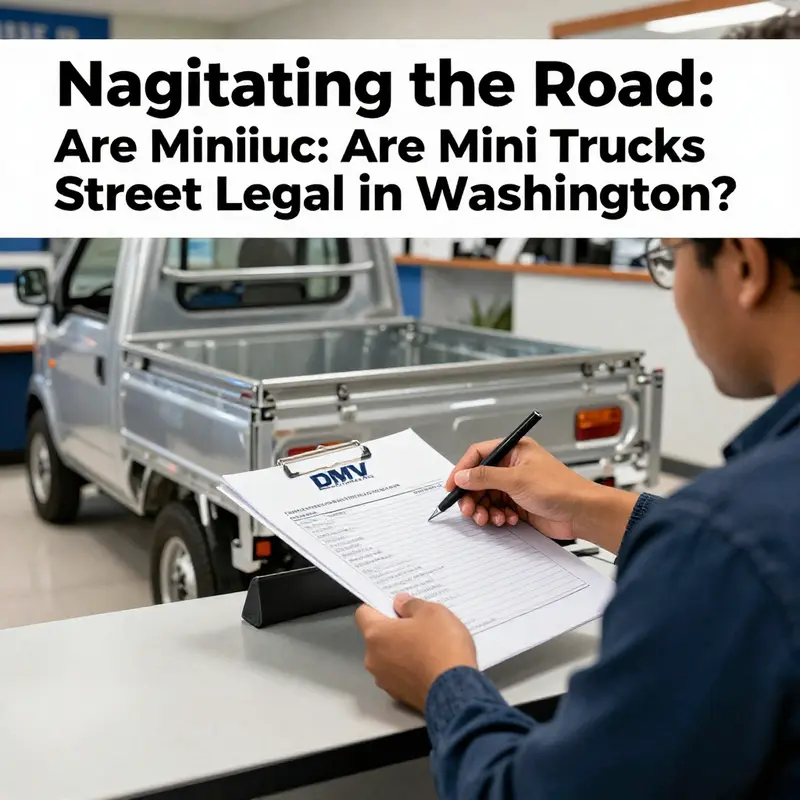
Washington State offers unique opportunities for drivers who cherish the efficiency and charm of mini trucks. These compact vehicles, especially Japanese Kei trucks, have grown in popularity due to their economical performance and maneuverability. However, ensuring these mini trucks are street legal in Washington requires adherence to strict registration and import requirements, safe modifications, and compliance with both state and federal regulations. This chapter provides an in-depth exploration of the steps and challenges involved in making a mini truck roadworthy in Washington, with an emphasis on practical advice and clear explanations that help owners navigate the sometimes complex regulatory landscape.
Mini trucks in Washington are not automatically approved for road use upon entry into the state. Instead, they are classified as motor vehicles under state law, and anyone wishing to drive one in public areas must register the vehicle and obtain a valid license plate from the Washington State Department of Licensing (DOL). This process begins with verifying the vehicle’s ownership, confirming that all paperwork, such as the title and bill of sale, is correct and complete. Washington’s approach to mini truck registration reinforces safety by ensuring that only vehicles meeting both state and federal safety criteria are allowed on the roads.
At the heart of the registration process is ownership and lien verification. When registering a vehicle, the DOL requires proof that the current owner has the legal right to possess and operate the vehicle. This verification helps to prevent potential legal complications and ensures that any outstanding financial obligations, such as liens, are resolved. The documentation needed generally includes the title, bill of sale, and sometimes additional records that demonstrate the vehicle’s history. By focusing on ownership verification, Washington State creates a robust system that supports both consumer protection and public safety.
Another core element in the journey to street legality is the payment of registration fees. These fees are set by the state and vary depending on the type and age of the vehicle. They contribute to the maintenance of road infrastructure and other public services. Even though mini trucks are smaller and often less expensive than full-sized vehicles, they are still subject to the same financial responsibilities as other motor vehicles. In addition to these fees, vehicle owners must pass required safety inspections to confirm that their vehicles have basic safety features like seat belts, turn signals, and proper lighting systems. Safety modifications are essential to meet the state’s requirements and ensure that all vehicles are suitable for use on public roads.
Importing a mini truck, particularly a Kei truck from Japan, introduces additional layers of complexity. Import vehicles must conform not only to state regulations but also to federal standards mandated primarily by the National Highway Traffic Safety Administration (NHTSA) and the Environmental Protection Agency (EPA). These federal agencies set strict guidelines on safety and emissions. For instance, Kei trucks are known for their compact size and limited engine displacement—typically 660cc or less—and some modifications are often necessary to meet local standards imposed by Washington. The process of importing these vehicles can be intricate, demanding careful planning and sometimes professional assistance to modify the vehicle appropriately.
One significant concern for those importing Kei trucks is ensuring that the vehicles adhere to safety requirements such as the installation of seat belts and proper lighting. Washington authorities require that every motor vehicle used on public roads be equipped with specific safety features. For Kei trucks, this may involve retrofitting the vehicle to include updated lighting systems, repairing or installing turn signals, and ensuring that the braking system and other critical components are up to code. Minor modifications may be enough for some vehicles, while others might require more extensive overhauls. The emphasis is always on making sure that every vehicle is as safe as it can possibly be for both the driver and the general public.
Determining if a mini truck meets emissions standards is equally critical. While many Kei trucks produce minimal emissions due to their small engines, the EPA’s regulations apply to all vehicles imported into the United States. This means that even if a Kei truck is fuel-efficient and environmentally friendly by design, it must still undergo rigorous testing to ensure that it does not exceed pollution limits. For some vehicles, achieving compliance with the EPA’s standards might require additional modifications or after-market installations that further refine the vehicle’s exhaust system. Once a vehicle passes these tests, it can then be considered safe for the environment as well as on the road.
Beyond the federal standards, Washington State’s own regulations impose further requirements that may vary from those of other states. For example, the specifications for seat belts and turn signals in Washington may not align perfectly with those originally designed for Japanese Kei trucks. This necessitates adaptations to meet the state’s rules, reinforcing the idea that drivers and importers must be proactive and thorough when planning to register their mini trucks. The process demands that importers work diligently to ensure that all modifications are completed before the vehicle is brought onto public roads. Often, specialty repair shops familiar with Kei trucks are consulted to perform these modifications. Their expertise is invaluable in bridging the gap between a vehicle’s original design and the specific requirements needed for safe, legal operation in Washington.
Notably, the registration process is not simply a bureaucratic hurdle—it serves as an integral part of ensuring ongoing vehicle safety and environmental compliance. Washington’s Department of Licensing, along with other regulatory bodies, works to maintain a registry of vehicles that satisfy all applicable rules. Through these checks, the state safeguards its roads and upholds its commitment to public safety. Many mini truck enthusiasts find the process both challenging and rewarding, as it requires them to learn more about their vehicles and engage directly with the regulations that protect all road users.
Owners who are new to importing or modifying vehicles may find the administrative and technical aspects daunting. However, numerous resources are available, including online guides and local experts. For instance, detailed posts on mini truck maintenance and modifications can be found on platforms dedicated to the vehicle community. One helpful source for further insights is the mini truck enthusiast community, which provides tips and firsthand accounts from others who have successfully navigated the registration process. These community resources serve as an excellent supplement to official guidelines, offering practical advice alongside regulatory information.
It is also essential to remember that the process does not end with initial registration. Even after successfully registering a mini truck, continuous maintenance is necessary to ensure ongoing compliance with safety and emissions standards. Over time, modifications and technology may evolve, and Washington’s standards may also change in response to new safety research or environmental mandates. Vehicle owners must remain informed about any updates to the regulations and ensure that their vehicles are periodically inspected to meet current requirements. This ongoing process is integral to long-term compliance and the successful operation of a mini truck on public roads in Washington.
A careful approach to vehicle registration and modifications reflects a broader commitment to safety and environmental stewardship. Washington’s regulatory framework acknowledges that even small, efficient vehicles can have a significant impact on road safety and air quality. By enforcing thorough inspections and registration procedures, the state creates a system that benefits all road users. The layered process—from verifying ownership to meeting federal environmental standards—illustrates how transportation regulations are designed to balance individual passion for unique vehicles with collective security and environmental protection.
When dealing with imported mini trucks, owners must be prepared for the possibility of further modifications. For example, some Kei trucks may have speed governors installed in Japan to restrict top speeds. In Washington, these speed governors might be subject to removal or adjustment to align with state safety standards and driver expectations. Furthermore, updated lighting and signaling systems that conform to American safety standards might need to be retrofitted. In many cases, the conversion process involves both technical and administrative steps. Specialists may inspect the vehicle thoroughly to determine what changes are necessary, and vehicle owners must then work with certified mechanics or import shops to implement the modifications. This coordinated effort ensures that the vehicle not only complies with all necessary regulations but also performs safely on American roads.
The process of registering a mini truck also involves significant attention to detail. Many vehicle owners face the challenge of assembling all the required documentation, which includes a comprehensive record of any modifications already performed on the vehicle. It is common for state inspectors to look for documentation that proves the modifications were done correctly and in compliance with both state and federal standards. This documentation might include receipts from repair shops, technical reports from certified inspectors, and manufacturer guidelines. Minimizing administrative errors and ensuring that every piece of required information is readily available can significantly smooth the registration process and reduce potential delays.
Environmental compliance remains one of the most critical issues for imported Kei trucks. Given that these vehicles were designed for different environmental contexts, their emissions systems often differ from what is expected in the United States. The EPA demands that all vehicles meet a specific set of criteria that reduce harmful emissions and contribute to cleaner air. Meeting these standards might involve recalibrating the engine, upgrading the exhaust system, or installing additional sensors that monitor and control the vehicle’s emissions. For many importers, the process can be meticulous and time-consuming, but it represents an essential commitment to the environment and public health.
In addition to the technical modifications required, vehicle owners should be aware of the potential legal implications that may arise if any part of the registration process is overlooked. Failure to modify the mini truck to meet Washington standards can result in fines, the suspension of registration, or even the impounding of the vehicle. Such consequences are severe, especially for owners who depend on their vehicles for daily transportation or business activities. To avoid these pitfalls, owners are strongly advised to consult with experts and continuously monitor changes in both state and federal regulations. A proactive approach not only ensures compliance but also fosters a deeper understanding of the requirements and the reasons behind them.
The challenges of registering and importing mini trucks in Washington are not unique to this state. Many other jurisdictions within the United States face similar issues when it comes to integrating imported vehicles with local safety and environmental standards. However, Washington has distinguished itself by establishing a rigorous and transparent process that sets clear expectations from the beginning. The state’s regulators make a concerted effort to provide guidance and educational resources to vehicle owners. This support is crucial, especially for importers who are not familiar with American automotive standards. Engaging with local authorities and seeking out specialized advice can transform what initially appears to be a daunting bureaucratic process into an opportunity to learn about and contribute to local road safety and environmental standards.
In the broader context of mini truck usage in Washington, registration and import requirements highlight the balance between innovation and regulation. Mini trucks offer significant benefits in terms of urban mobility, fuel efficiency, and ease of parking in congested areas. Yet, the drive toward sustainable transportation must be matched by an unwavering commitment to safety. Washington’s legal framework for mini trucks exemplifies this balance by ensuring that vehicles not only meet the practical needs of drivers but also conform to a sophisticated regulatory environment that protects both individuals and the environment. This holistic approach reflects a broader societal commitment to creating a safe, efficient, and environmentally responsible transportation system.
The nuances of compliance mean that every owner must be keenly aware of both the current requirements and any emerging changes to the standards. Vehicle modifications, when undertaken correctly, can greatly enhance safety. For example, ensuring that every mechanical and electronic component meets updated standards can reduce the risk of accidents and incidents on the road. Small changes, such as installing modern seat belts, advanced braking systems, and state-of-the-art lighting arrangements, are investments in long-term safety. These improvements, while sometimes costly, are crucial for protecting lives and minimizing environmental impact. They also reflect positively on the owner’s commitment to upholding high standards of safety for public use.
Beyond modifications, the process of registering a mini truck fosters a sense of accountability among vehicle owners. It encourages a proactive stance towards regular vehicle maintenance. Owners learn the importance of routine checks and updates, not only to satisfy regulatory requirements but also to ensure reliable performance. This cycle of proactive maintenance and timely registration instills a culture of safety and responsibility that benefits everyone on Washington’s roads.
It is important for mini truck owners to have a clear timeline for registration and modification. A well-organized schedule, starting from the initial importation to the final registration and subsequent periodic inspections, can streamline the process. Many dealerships and import specialists offer comprehensive services that assist with every step, from document preparation to vehicle modifications. In addition, workshops and seminars organized by local authorities provide valuable insights into regulatory changes and technical requirements. These initiatives can be especially beneficial for enthusiasts who frequently import vehicles or who manage a fleet of mini trucks. They enable owners to stay informed and adapt quickly to new regulations.
In summary, the process of ensuring a mini truck is street legal in Washington is multifaceted. It involves verifying the vehicle’s history, completing the required registrations, and modifying the vehicle to meet stringent safety and emission standards. Each step in this process underscores the state’s commitment to a safer and more environmentally conscious transportation network. The path to compliance may be demanding, but it serves as a vital checkpoint that ensures every vehicle on American roads is safe to operate and environmentally sustainable.
For anyone considering the importation of a mini truck into Washington, the journey begins long before the vehicle hits the road. It requires careful attention to detail, a thorough understanding of federal and state regulations, and a willingness to invest time and resources into making the necessary modifications. The rewards of such diligence are clear: not only do compliant vehicles contribute to safer roads, but they also play a role in enhancing the overall quality of urban mobility. As enthusiastic as many drivers are about the unique character and efficiency of mini trucks, the reality is that safety and environmental responsibility must always come first.
In this context, communities of mini truck enthusiasts have emerged as important advocates for smart transportation practices. Many of these communities offer advice, shared experiences, and a network of trusted service providers who specialize in modifications and regulatory compliance. These networks are invaluable resources, especially when they offer insights into the latest technical requirements and municipal guidelines. For example, dedicated blog posts and community articles on related subjects are available for those looking for a deeper understanding of the registration process. One such resource can be explored by visiting the mini truck enthusiast blog, which offers a wealth of practical tips along with detailed case studies from fellow drivers.
Every step taken to register and modify a mini truck adds up to a significant contribution to broader road safety and environmental goals in Washington. By ensuring that a vehicle meets all the necessary criteria, owners also contribute to reducing the number of vehicles on the road that might otherwise pose safety hazards or environmental risks. It is a shared responsibility that underscores the benefits of rigorous regulatory systems. Through persistent attention to detail and adherence to the applicable standards, drivers help secure a safer and cleaner future for everyone using the state’s roadways.
For further details about the specific registration process, including guidelines on verifying ownership and paying the necessary fees, interested readers can explore additional resources available through the Washington State Department of Licensing. This governmental site offers a comprehensive look at domestic and imported vehicle registration protocols, ensuring that every owner has the information they need to achieve full compliance. A detailed overview, complete with checklists and links to further guidance, can be found on the official site: Register commercial vehicles with Washington DOL.
Ultimately, the successful registration and modification of a mini truck is a triumph of organization, technical expertise, and regulatory adherence. Every effort taken in this process reinforces a commitment to safe driving and environmental care, ensuring that every mini truck operating on Washington roads not only exemplifies efficiency and compact design, but also meets the highest standards of safety and responsibility. The journey is thorough and sometimes challenging, but it is a necessary path to secure both individual satisfaction and collective well-being on the road.
Final thoughts
As we’ve unraveled the intricacies of mini truck legality in Washington, it’s clear that Kei trucks can indeed be street legal if they adhere to specific safety and emissions standards while following correct registration procedures. For business owners and hobbyists, understanding these regulations is crucial to enjoying the benefits of owning a mini truck without any legal hiccups. Always remember to consult with the Washington State Department of Licensing for the latest updates and personalized guidance to ensure your mini truck remains roadworthy.