

Mini trucks are increasingly gaining traction as essential tools for local businesses, especially in urban settings. They offer a unique blend of efficiency, low operating costs, and affordability that makes them highly appealing for entrepreneurs, delivery services, and even residential property owners. As the demand for reliable last-mile delivery solutions grows, understanding whether mini trucks are worth the investment becomes crucial. In this exploration, we’ll delve into three key aspects: their prowess in urban logistics and last-mile delivery, their low operating costs and high efficiency, and their affordable purchase options. By the end, you should have a clear perspective on whether these compact vehicles can serve as a practical asset for your needs.
Compact Powerhouses: The Urban Mini Truck Revolution for Last-Mile Delivery
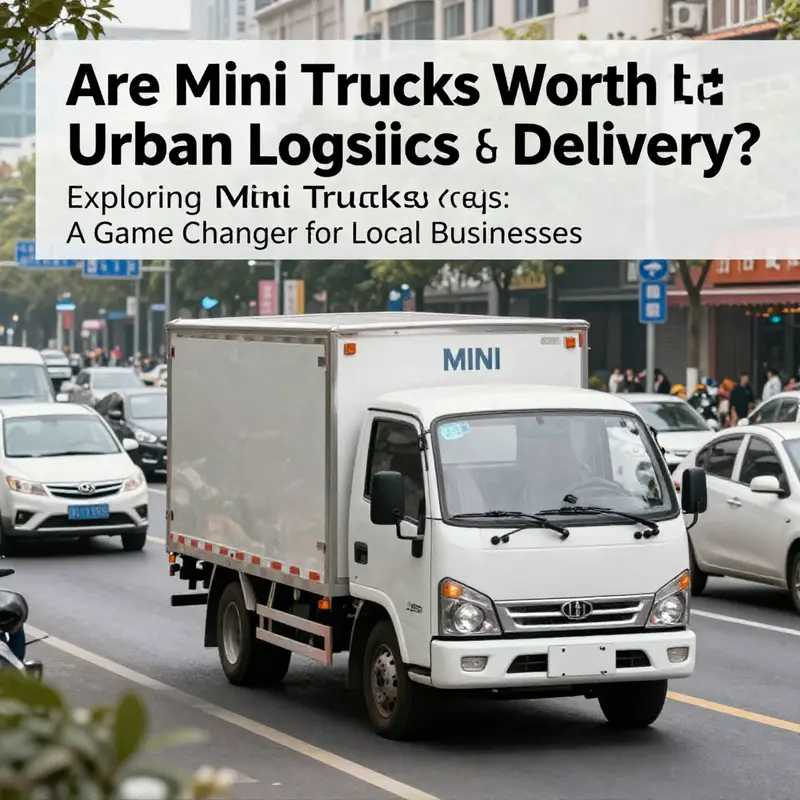
In the heart of bustling cities, where narrow lanes and congested roads define daily commuting, a quiet revolution is underway. Urban logistics is being reshaped by a new breed of vehicles that are small in stature yet mighty in performance. Mini trucks have emerged as the quintessential solution for last-mile delivery challenges, providing urban entrepreneurs, delivery drivers, and small business owners with a tool that is both practical and efficient. The concept behind these compact vehicles is simple: when it comes to navigating the complexities of a modern city, sometimes less is more.
Mini trucks are not just scaled-down versions of their larger counterparts; they are meticulously designed to address the nuances of urban demands. Their compact dimensions allow them to maneuver through lanes where larger trucks would struggle, and their ability to park in restricted spaces makes them indispensable in cityscapes where every square meter is precious. In a city setting, every minute saved during a delivery run translates into cost savings and heightened customer satisfaction. This is particularly vital for operations involving frequent stops, rapid deliveries, and the need to adapt swiftly as urban layouts evolve.
One of the standout attributes of these mini trucks is their suitability for last-mile delivery. Last-mile delivery is a term that encapsulates the final step in the supply chain—the journey from a distribution center to the final delivery destination. It is often the most challenging and expensive segment because it requires vehicles to cover diverse routes, cope with unpredictable traffic patterns, and sometimes even deal with difficult parking conditions. Mini trucks, with their agile design and reduced footprint, offer a solution that minimizes the frustrations associated with these last hurdles. Their ability to negotiate narrow streets and unexpected roadblocks means that goods can be delivered faster, with less stress on both the driver and the overall delivery system.
The rise of e-commerce and the booming demand for rapid, door-to-door services have also played pivotal roles in highlighting the worth of mini trucks. In densely populated urban areas, where traditional delivery vehicles often find it hard to operate efficiently, mini trucks stand out as precisely engineered for these exact conditions. Modern urban mini trucks often incorporate state-of-the-art electric technology, aligning not only with the economic interests of the business owner but also with broader environmental goals. With governments around the world pushing for greener transportation options and offering incentives such as tax exemptions and local subsidies, the economic and ecological benefits of adopting an electric mini truck are more pronounced than ever.
The transition from traditional internal combustion engines to electric power does more than just mitigate emissions. Electric mini trucks harness a combination of technological advancements that lead to overall lower operating costs. Electricity is generally cheaper than gasoline or diesel, and the simpler mechanics of an electric drivetrain mean that maintenance costs are significantly reduced. Many drivers and small business owners have observed that the financial benefits extend well beyond just the fuel savings—they also experience fewer mechanical issues and lower overall service bills. This shift to electric is not merely a trend; it is a transformation driven by improved battery technology, smart charging systems, and innovative design choices that optimize energy consumption for urban delivery routes.
An important aspect of mini truck efficiency is their payload capacity relative to their size. While they may not be ideal for hauling extremely heavy loads or embarking on long-distance highway journeys, their performance in urban settings is second to none. These vehicles typically support loads that are well-suited for short-distance delivery and light industrial tasks. For example, many modern mini trucks can handle payloads that accommodate a wide array of goods—from perishable food items delivered to restaurants, to parcels in the hands of e-commerce couriers. In the context of urban logistics, the ability to balance a modest payload with high energy efficiency is a winning combination. The design philosophy behind many of these vehicles is to ensure that every ounce of power is used wisely and that the compact structure does not compromise the functionality required for a busy urban day.
The economic benefits of mini trucks extend to their purchase price and financing options as well. For business owners carefully monitoring their capital expenditure, these vehicles provide an accessible entry point into modern urban logistics. With competitive pricing that is significantly lower than that of larger commercial trucks or even some passenger vehicles, the initial investment is often small compared to the potential returns. Many financing schemes are available, offering low interest rates and flexible down payment options, which further underscore the financial viability of adding a mini truck to one’s fleet. This affordability helps small and medium-sized enterprises modernize their logistics operations without the massive capital outlay typically associated with larger vehicles.
Beyond the basic economics, mini trucks represent a significant strategic advantage when it comes to urban adaptability. Cities are evolving entities, constantly undergoing changes in zoning laws, environmental regulations, and infrastructure development. The compact nature of these trucks means that they can quickly be re-deployed to serve new niches in the urban supply chain. Whether it is shifting from a daytime delivery service to nighttime logistics operations or adapting to new regulations that restrict heavier vehicles during peak traffic hours, mini trucks are versatile enough to meet new demands as they arise. Their ability to gracefully transition between various roles in the logistics ecosystem makes them an asset that is not only relevant today but also well-prepared for the uncertainties of tomorrow.
Urban logistics is not without its challenges. Among the biggest hurdles is managing delivery schedules in areas where traffic congestion is the norm. From narrow alleys flanked by historical buildings to modern commercial zones teeming with activity, the urban landscape offers a mix of predictable routes and unexpected obstacles. In this complex matrix, mini trucks prove their worth by combining a compact design with a reliable performance record. Their compact size means that they can often bypass the gridlocks that bog down larger vehicles, reducing the time spent idling in traffic and the associated costs of fuel wastage and driver downtime. The result is an operation that is not only more reliable but also more cost-effective in the long run.
Another significant advantage of mini trucks is their enhanced maneuverability. In a city, flexibility is key. The ability to adjust to various road conditions, make sharp turns, and even reverse into tight loading zones, gives the operator an edge that can translate into real operational benefits. This maneuverability is not just about physical dimensions; it is also about design features that are tailored for the urban environment. Many modern mini trucks come equipped with advanced steering systems and responsive handling that allow for quick and safe navigation even during peak traffic hours. The result is a delivery process that is smooth, efficient, and less stressful for the driver.
Environmental considerations have also propelled the adoption of mini trucks across many urban centers. With the global focus shifting towards sustainability and reducing carbon footprints, the transport sector is under increasing pressure to evolve. Electric mini trucks represent one of the most promising responses to these challenges. By eliminating tailpipe emissions entirely, these vehicles contribute to the improvement of urban air quality—a benefit that extends well beyond the immediate interests of business owners. Reduced noise pollution is another advantage, helping to create quieter, more livable urban environments. The cumulative effect of widespread mini truck adoption in cities can pave the way for cleaner air and a quieter, more sustainable urban ambiance.
Integrating an electric mini truck into an urban logistics fleet is not without its strategic hurdles. Adapting to electric vehicle maintenance requires a different mindset than the traditional fuel-based model. However, the long-term benefits outweigh the initial adjustment period. Electric mini trucks run on batteries that are designed for efficiency and longevity, with the added perk of requiring minimal service intervention. A typical electric mini truck can often complete a full day’s worth of deliveries on a single charge, supported by an efficient recharging system that fits into the everyday routine. Charging times, which have been significantly reduced with modern technology, allow these vehicles to maintain high levels of operational availability. For busy delivery operations that need to maximize every minute of the day, these improvements make all the difference.
Urban areas are complex ecosystems where every inch of space is carefully regulated and every minute of time is accounted for. In such an environment, the decision to invest in a mini truck is as much about capitalizing on current opportunities as it is about preparing for future urban transformations. The benefits extend beyond the immediate cost savings—these vehicles provide a tangible edge in customer service. Faster delivery times, fewer delays, and a more predictable schedule all enhance the overall customer experience. Over time, this can build a strong reputation for reliability and efficiency, qualities that are increasingly valuable in competitive urban marketplaces.
Understanding the role of mini trucks in urban logistics also requires a broader look at how cities are evolving. As urban centers expand and densify, the demand for smarter, more agile transport solutions will continue to grow. Modern mini trucks are well-positioned to meet this demand, offering a blend of traditional utility and modern technology. Their efficient use of space and energy is particularly relevant in an era where urban planning emphasizes sustainability and environmental stewardship. This is underscored by the fact that many mini truck operators and urban planners now see these vehicles as not only a practical solution but also as a key component of a smarter urban future. Their small size, combined with advanced features like real-time tracking and route optimization, gives them a distinct advantage over conventional delivery vehicles.
The story of urban mini trucks is one of evolution and adaptation. In many ways, these vehicles mirror the dynamic nature of the cities they serve—constantly adjusting to new challenges and opportunities. Innovations in battery technology, artificial intelligence for route planning, and even the integration of renewable energy sources are paving the way for mini trucks to become even more effective. For businesses that are looking to optimize their urban delivery operations, investing in a mini truck is an investment in resilience and future readiness. These vehicles are not a one-size-fits-all solution; rather, they are tailored to the specific needs of urban environments, offering a careful balance between size, efficiency, and practicality.
In practice, many operators have found that mini trucks can act as a catalyst for broader operational improvements. Their design encourages efficiency across the board—drivers enjoy the ease of maneuvering through tight spots, maintenance teams benefit from the straightforward mechanics of electric powertrains, and business owners see the bottom line improve as delivery times shrink and customer satisfaction rises. The holistic improvement in the logistics process is one of the most compelling arguments in favor of mini trucks. It is not just about having a small vehicle; it is about rethinking how goods move through a bustling urban maze, leveraging every advantage to create a smoother, more reliable service.
A deeper look at cost efficiency reveals multiple dimensions in which mini trucks outperform traditional options. First, there is the immediate saving on fuel expenses. With energy costs being substantially lower than conventional fuel, operators can expect to see a significant reduction in daily operating costs. This is complemented by the simpler mechanical design of electric drivetrains which leads to fewer breakdowns and lower maintenance bills. When combined with government incentives that often come in the form of purchase tax exemptions or local subsidies, the financial case for mini trucks becomes robust. Over time, the operational savings can accumulate, making these vehicles an attractive option for those who are cost-sensitive yet unwilling to compromise on service quality.
It is also important to consider the socioeconomic dynamics at play in urban areas. Many cities are home to small businesses and local entrepreneurs who require reliable transportation solutions but operate on tight budgets. For these individuals, the mini truck represents a lifeline—an affordable, effective means to deliver services without the overhead of larger, more expensive vehicles. The low purchase price coupled with flexible financing options opens up new opportunities for a range of urban business models, from food delivery to boutique courier services. The ability to operate efficiently in dense urban areas means that even companies with modest ambitions can compete in a much larger market, raising the overall quality of urban logistics across the board.
Moreover, the integration of mini trucks into urban freight networks is fostering a new wave of innovation. Companies are now reimagining how logistics can be streamlined by leveraging technology. Real-time data collection and route optimization software allow operators to fine-tune their delivery processes to the minute. In many cases, companies have reported a notable increase in operational efficiency by integrating technology with their compact delivery vehicles. The result is a system where traffic patterns and customer demands are met with a level of adaptability and precision that was previously unattainable. These improvements not only boost productivity but also contribute to a more sustainable mode of urban transport by reducing unnecessary mileage and optimizing energy use.
The various benefits discussed not only focus on immediate operational improvements but also signal a broader shift in how urban transportation is perceived. The mini truck is gradually becoming a symbol of modern urban logistics—one that embodies the essence of innovation, cost control, and environmental responsibility. Urban planners and policymakers have taken notice of this trend, incorporating provisions for such vehicles in new city transport reforms and infrastructure developments. The shift towards embracing mini trucks as a core component of urban logistics reflects a larger commitment to creating cities that are both livable and economically vibrant. In this context, mini trucks are not merely vehicles; they are catalysts driving a transformation that benefits commerce, the environment, and the quality of urban life.
The transformative impact of mini trucks is also reflected in the experiences of those who use them on a daily basis. Drivers often remark on the forgiving nature of the compact design, which allows for agile and responsive handling in even the most challenging driving conditions. The ease of parking and the simplicity in navigation mean that stress levels are reduced, enabling drivers to focus on safe and timely deliveries. These operational benefits, when compounded over thousands of delivery runs, underscore the impressive return on investment that mini trucks can deliver. Small business owners, in particular, have come to rely on these vehicles as an extension of their service promise—rapid, reliable, and resilient transport that fits into the intricate puzzle of urban logistics.
Practical experiences further reveal that the introduction of mini trucks into a delivery fleet often sparks a cultural shift within organizations. The mindset transitions from one of dealing with the limitations of bulky vehicles to embracing a philosophy that prioritizes speed, efficiency, and environmental consciousness. This paradigm shift is most evident in how schedules are planned and how routes are optimized. With the compact truck at their disposal, managers can reconfigure their logistics strategies to maximize efficiency. The synergy between technology and the practicality of a mini truck ultimately leads to a logistics network that is better aligned with the fast pace and high demands of modern urban commerce.
For those interested in exploring the evolving landscape of mini truck operations, there is a wealth of practical insights available. Many industry publications and dedicated blogs offer timely analyses of the trends that are shaping urban logistics. One insightful resource that provides an in-depth look into these developments can be found at Mini Truck Insights, where the interplay of technology, efficiency, and urban strategy is discussed at length. This online resource complements the growing body of knowledge on the subject and serves as a guide for businesses considering the integration of mini trucks into their fleets.
Balancing the benefits and the limitations is crucial when considering any vehicle upgrade for urban logistics. While mini trucks excel in confined urban environments, they are not without their constraints. Their design is optimized for short, repetitive trips rather than long, continuous journeys. Operators must consider the range capabilities of electric models, which, although improving with each technological advance, may still fall short for high-mileage routes. Additionally, while the payload capacity is ample for most urban needs, it is not intended for scenarios that require heavy-duty hauling over extended distances. These vehicles are tailored for a specific niche—one that focuses on reliability, cost-efficiency, and environmental benefits in urban ecosystems.
In summary, mini trucks have established themselves as a revolutionary element of urban logistics. Their compact design, enhanced maneuverability, and economical operation make them ideally suited to the rigors of last-mile delivery in bustling city environments. Whether it is the ability to weave through tight city streets, the cost savings realized from low fuel and maintenance expenses, or the environmentally friendly credentials that come with electric power, these vehicles offer a range of tangible benefits. Urban businesses, delivery services, and individual operators are witnessing firsthand the advantages that come with adapting to this modern mode of transport. In a realm where every second matters and efficiency is paramount, mini trucks are indeed worth it.
For those who wish to further explore the practical applications and future potential of these compact transport solutions, additional details and technical insights are available. The modern urban landscape demands solutions that not only meet current challenges but also anticipate future needs. In this light, mini trucks emerge not just as a temporary fix, but as a long-term strategy for sustainably managing urban logistics. Their role in fostering cleaner cities, reducing operational costs, and enhancing delivery speed is likely to grow as technological innovations continue to refine their performance.
As cities continue to expand and logistics demands become increasingly complex, the importance of efficient, adaptable, and sustainable solutions cannot be overstated. Mini trucks, with their balanced mix of engineering finesse and economic sensibility, are steering urban logistics towards a future where efficiency is not achieved by size, but by smart design and thoughtful integration. For urban businesses and delivery operators alike, these compact powerhouses hold the promise of transforming everyday challenges into opportunities for innovation and growth.
For more technical and detailed specifications on the evolving designs and performance metrics of these vehicles, interested readers can delve deeper into the subject. In the context of this ongoing evolution in urban mobility and environmentally sustainable transport, it is vital to stay informed about the latest advancements that continue to shape this sector. To gain further insights into specialized electric mini truck models and learn about the latest technological enhancements, please visit Foton Aumark Electric Mini Truck for an in-depth perspective.
In conclusion, the journey to understanding whether mini trucks are worth it is as multifaceted as the urban landscapes they serve. From economizing daily operations and reducing environmental impact to redefining urban logistics altogether, mini trucks have carved out their niche as indispensable tools in modern cities. Their evolution from simple, compact workhorses to sophisticated, electric-powered delivery vehicles marks a significant milestone in the transportation industry. By seamlessly integrating affordable technology, adaptable design, and robust performance, these vehicles provide a holistic solution that addresses the intricate challenges of urban logistics. As this chapter of urban transportation unfolds, it is clear that mini trucks are not merely a passing trend but are emblematic of a deeper, systemic shift towards more efficient, environmentally conscious, and economically viable urban mobility.
Ultimately, the decision to invest in a mini truck must be informed by a careful assessment of the specific logistics challenges at hand. For small business owners and urban logistics specialists, these vehicles may well represent the key to unlocking higher operational efficiency, improved customer satisfaction, and a smaller ecological footprint. The compact powerhouses of the urban world, mini trucks stand ready to redefine how goods are moved through the concrete labyrinths of our cities, reflecting a future where innovation meets functionality on every street corner.
Unveiling the Efficiency Advantage: A Deep Dive into Mini Trucks’ Low Operating Costs and High Efficiency
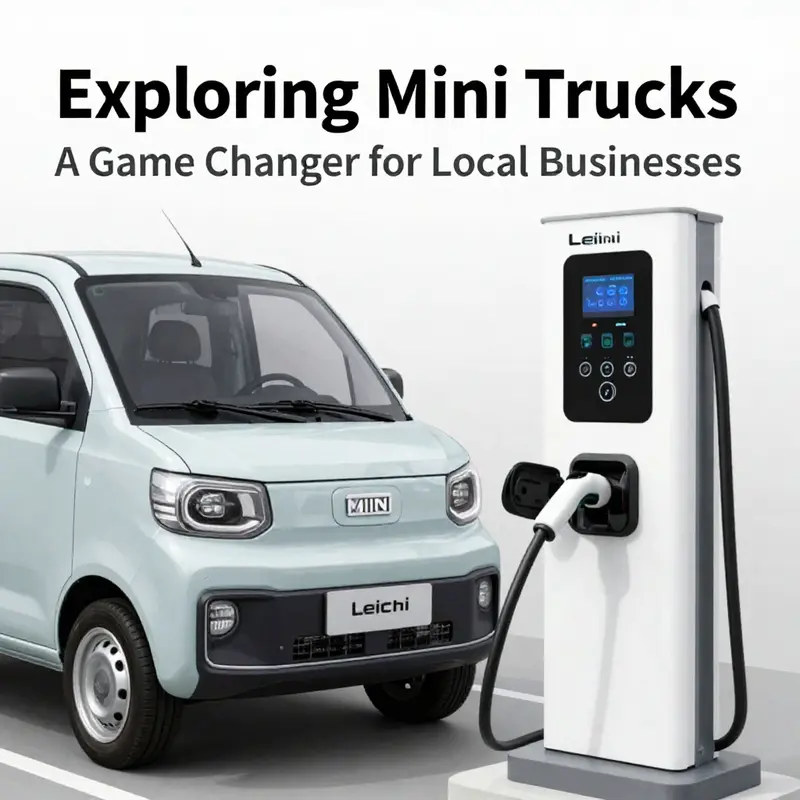
When evaluating the modern urban transport landscape, one cannot ignore the transformative role played by mini trucks. Over the past several years, the focus on cost efficiency, reduced emissions, and pragmatic design has spurred innovation in the mini truck segment, making them a highly attractive option for business owners, delivery suppliers, and urban operators. Mini trucks, particularly those featuring cutting-edge electric powertrains, offer a suite of advantages that go far beyond their compact size. In today’s discussion, we explore in depth the nuanced benefits of lower long-term operating costs and greater efficiency, and illustrate why these factors alone have the potential to swell the bottom line for a wide range of users.
The shift toward compact vehicles is not merely a trend, but a response to the pressing needs of densely populated cities and the rapid evolution in urban logistics. Traditional vehicles have often struggled with the twin burdens of maintenance expenses and fuel costs. In contrast, mini trucks are engineered from the ground up to be cost-effective. Their streamlined design reduces the complexity of mechanical systems, which in turn minimizes the likelihood of parts wear and tear. Electric variants, in particular, come equipped with powertrains that have fewer moving parts as compared to internal combustion engines. This not only results in decreased maintenance frequencies, but also simplifies routine services and repairs. The adoption of state-of-the-art battery technology and integrated electric axles further reduces energy loss—every watt saved in transit adds up to a significant cost reduction over time.
One of the most striking advantages of mini trucks is their suitability for tackling logistical challenges in urban environments. With their compact dimensions, mini trucks can navigate narrower city streets and more congested areas with ease, an attribute that is highly prized in urban logistics. For delivery drivers and small business owners who operate within city confines, the ability to slip into tight parking spaces and maneuver around obstacles is invaluable. The operational efficiency gained from these attributes is further enhanced by the lower energy consumption of modern electric mini trucks. These units often require a fraction of the energy expenditure that larger trucks demand, meaning that every delivery route becomes more economically viable.
Cost efficiency, however, is not limited to the benefits derived from fuel consumption alone. Besides the evident financial relief that comes from lower fuel or electricity bills, mini trucks also mitigate other ancillary operating costs. For instance, internal combustion models of mini trucks are known for their efficient fuel consumption ratings, while the latest electric models absorb energy costs that are a fraction of what conventional fuel requires. This is largely due to the integration of optimized power systems which ensure that the energy stored in batteries is used with minimal loss. Additionally, the design ethos behind these vehicles often includes retrofitting cutting-edge hydraulic systems that allow for rapid loading and unloading of goods. This is particularly beneficial when the vehicle is utilized for lightweight-to-medium-duty tasks, where time savings in material handling are directly converted into financial gains.
Efficiency extends into maintenance and service costs as well. Traditional trucks often require regular and costly maintenance due to the complexity of their mechanical structures. In contrast, mini trucks, and especially their electric versions, boast far fewer points of potential failure. This translates to not only lower regular service bills but also reduced downtime, which is a crucial factor for business owners relying on consistent daily operation. Whenever a machine is out of service, productivity grinds to a halt; thus, vehicles that can maintain a high degree of reliability provide an inherent competitive advantage. For many small-scale operators and urban entrepreneurs, these savings are not just marginal—they represent a substantial long-term reduction in overheads that can determine the viability of a business.
Beyond the cost savings, the environmental benefits of electric mini trucks are a compelling part of the efficiency narrative. Zero-emission powertrains mean that while operating efficiently, these trucks leave behind little to no direct carbon footprint. Urban areas that struggle with air quality and noise pollution now have an opportunity to integrate these advanced vehicles into their transport ecosystems. The quieter operation, coupled with the lack of exhaust fumes, makes them ideally suited for residential deliveries, indoor facilities, and even enclosed communities where standards for air quality are tied to regulatory compliance. This ecological sensitivity not only bolsters a company’s commitment to sustainable practices but may also align with government initiatives that offer incentives and tax breaks for green technologies.
In many cases, the long-term financial benefits found in mini trucks are further sweetened by targeted government subsidies and fiscal incentives. In regions committed to reducing city pollution and encouraging low-emission vehicles, these trucks are often exempt from certain taxes and sometimes even qualify for direct financial support. For example, in some markets, electric mini trucks are eligible for significant purchase tax exemptions and local subsidies, lowering the effective purchase price even further. This combination of low operating costs, restricted environmental impact, and immediate fiscal incentives creates an upgrade in the total cost of ownership profile for these vehicles, setting them apart from both traditional internal combustion trucks and larger commercial vans.
Importantly, while the operating cost benefits are robust, they are aligned with specific operational contexts. Mini trucks are ideally suited for urban last-mile delivery and light transport tasks in congested city centers. When the daily range required is within what a 15.12 kWh battery can deliver on a full charge, and when the vector for travel consists primarily of paved, flat surfaces, the vehicle’s energy efficiency is maximized. However, these benefits may be less pronounced in scenarios that demand frequent long-distance travel, heavier payloads, or operation on rough terrain. In such cases, the operational advantages of mini trucks may be supplemented or even overshadowed by vehicles designed for those more demanding conditions. Even so, for the right use cases, such as food delivery, service appointments, and rapid courier tasks, the operating cost savings can significantly outstrip any perceived limitations.
Much of the appeal of mini trucks lies in their calculated design and engineering philosophy. The trade-off between size and functionality is managed expertly by manufacturers who understand the economic imperatives of modern logistics. Engineers work meticulously to ensure that every component, from the battery system to the hydraulic unloading mechanisms, contributes to reducing overall operational expenses. For example, the utilization of an electric axle not only provides a boost in direct-drive performance but also minimizes mechanical losses that occur in traditional transmission systems. This leads to a substantial improvement in energy efficiency—a factor that becomes critical when each kilometre driven is closely monitored against cost metrics. In practice, energy efficiency ensures that the financial model behind the vehicle is sustainable over its entire lifecycle.
The economic calculus also extends to the purchase price of modern mini trucks. Their competitive pricing means that the barrier to entry is lower compared to investments in larger, more complex commercial vehicles. For small businesses and start-ups, securing an asset that balances cost efficiency with high operational efficiency heralds a strategic move that can differentiate them in a competitive market. The affordability is further enhanced by flexible financing options that make ownership accessible even for those who face strict cash flow constraints. With interest rates kept modest and down payment requirements gradually decreasing, mini trucks represent not just a tool for immediate cost reduction but also a long-term strategic asset that scales as the business grows.
In addition to the intrinsic features that drive low operating costs, mini trucks deliver pragmatic value in terms of versatility. Their adaptable design means that they are not exclusively locked into a single application. Urban businesses can repurpose these vehicles for a variety of tasks, from short haul deliveries to site-specific material handling. The combination of low initial investment, minimal day-to-day expenses, and multifunctionality translates into an operating profile that is as flexible as it is efficient. Businesses report that even in industries where margins are razor-thin, the savings accumulated from reduced energy, maintenance, and labor costs create enough of a cushion to enable reinvestment into other operational areas, further amplifying growth and sustainability.
In practice, many urban entrepreneurs have reported noticeable improvements in their cost structure after switching to mini trucks. One often-cited benefit is the rapid amortization of the initial purchase investment owing to lower running costs. Metered over a period of years, these vehicles quickly pay for themselves by virtue of the daily savings they generate. This is particularly important in an urban setting where vehicles are required to make frequent trips and do not remain idle for long periods. The reduced downtime, linked directly with lower maintenance intervals, also contributes to overall productivity gains. Every minute a vehicle is on the road rather than in service, the more value it brings to its owner. The correlation between operational uptime and financial performance thus becomes starkly evident in the context of mini truck operations.
Another less immediately obvious but increasingly significant aspect of these modern vehicles is the enhanced operator safety both from a design and maintenance perspective. Simpler mechanical assemblies and a reduced reliance on complex engine components mean there is less likelihood of catastrophic mechanical failures. Moreover, the inherent safety of operating a smaller, more manoeuvrable vehicle cannot be understated. In dense urban traffic, where unexpected events can lead to costly accidents, a harder-to-damage, easy-to-control vehicle adds a layer of protection to both the operator and the goods being transported. This improved safety profile subsequently reduces the incidences of insurance claims and workplace injuries – all factors that contribute to lower long-term operating costs.
The discussion of efficiency is incomplete without addressing the often cited challenge of the slightly higher initial costs associated with adopting advanced technologies. Indeed, the upfront expense incurred in acquiring a mini truck equipped with modern electric powertrains or integrated hydraulic systems can appear daunting when compared to conventional trucks. However, this upfront premium is quickly offset by a host of long-term savings. As each component is engineered for sustainability and durability, the battery technology improves over time, and maintenance intervals are prolonged, the cumulative savings add up significantly. This incremental financial benefit is especially pronounced in urban contexts where the vehicle is largely engaged in short, repetitive trips that do not stress the assembly to its limits. With planned upgrades and periodic advancements in technology, early adopters of these vehicles often find themselves enjoying extended service lives and a higher return on investment over time.
It is also essential to consider how ongoing technological innovations have reshaped the operational landscape for mini trucks. Advances in battery management systems, regenerative braking mechanisms, and energy recovery systems have all played pivotal roles in the evolution of these vehicles. These improvements are not simply additive; they multiply the efficiency by creating synergies between various components of the truck’s operation. Every innovation designed to recoup energy, for instance, helps cut down the overall expenditure on electricity. Similarly, refined software algorithms in the vehicle’s control systems ensure that power is used judiciously, balancing performance with efficiency. In effect, the continuous evolution in design and functionality makes the case for mini trucks even more compelling. Over time, as these vehicles become even more refined, improvements in overall cost efficiency are expected to only accelerate.
Furthermore, the economic model supporting mini trucks is underpinned by a broader move towards sustainable urban development. Policy measures oriented towards reducing urban congestion and improving air quality are increasingly favoring smaller, greener vehicles. Municipalities across many parts of the world are instituting low emission zones or providing preferential treatment to eco-friendly vehicles. For operators of mini trucks, this means not only direct financial incentives but also less bureaucratic friction when operating in restricted zones. This regulatory support complements the vehicle’s lower operating costs, creating a virtuous circle that enhances the attractiveness of mini trucks as a central component of urban logistics strategies. By seamlessly integrating economic, environmental, and regulatory benefits, these vehicles serve as an ideal model of how efficiency can be pursued on multiple fronts.
In light of all these factors, stakeholders have begun to view the decision to invest in mini trucks through the lens of both short-term savings and long-term strategic advantage. The substantial reduction in fuel and maintenance costs, when combined with streamlined operational efficiency, positions these vehicles as a cornerstone of modern urban transportation strategies. Forward-thinking businesses have started to adopt a model where the initial capital outlay is quickly amortized over years of reduced operational expenses. The cumulative effect is a minimized total cost of ownership, which makes a compelling argument for further investment in mini truck technologies. For those interested in a detailed comparative analysis of similar vehicle models, one can refer to a relevant discussion on specifications and features in this comprehensive review Comparative Analysis of Mini Truck Specs.
Yet, while the economic benefits are clear, the conversation remains grounded in practical realities. Mini trucks, especially their electric iterations, perform best in defined, urban-centric scenarios. Their efficiency is maximized when routes are predictable and distances short. For instance, operations involving last-mile delivery in bustling metropolitan areas continuously stress the cumulative benefit of low operating costs. In these applications, even modest improvements in energy consumption translate into significant financial savings. As urban dynamics continue to evolve, and as technological advancements push the boundaries of what these vehicles can do, it is likely that we will see an even broader adoption of mini trucks in areas previously dominated by larger, less efficient vehicles.
An external study published in early 2026 recently underscored these trends by highlighting the multifaceted advantages of these vehicles. The report emphasized the crucial nature of reduced maintenance frequency and the benefits of sophisticated hydraulic systems that enable rapid operations even in challenging environments. This analysis reinforced the market perception that mini trucks are not merely niche tools but integral components of an evolving urban mobility strategy. For those looking to understand the technical underpinnings of these cost efficiencies, the study can be accessed at this external resource: https://www.minitruckinsights.com/4×4-mini-dump-truck-analysis-standards-types-performance/ .
In summary, the balance between upfront investment and long-term savings is a delicate equation that mini truck manufacturers have mastered. The deliberate focus on minimizing operational costs, reducing environmental impact, and enhancing overall efficiency makes these vehicles an undeniably smart choice for city operators. As manufacturers continue to innovate and government policies tilt favorably towards sustainability, mini trucks are poised to become the backbone of urban logistics. Their adaptive design, which allows them to serve a variety of applications without sacrificing cost or efficiency, establishes them as a practical, forward-thinking investment. Urban entrepreneurs, delivery drivers, and even municipal operators have found that the lower total cost of ownership, combined with enhanced operational efficiency, makes these trucks not only viable but preferable in many cases.
As the marketplace evolves, it is crucial to appreciate that the true value of any vehicle lies not solely in its purchase price but in the compound benefits it generates over its lifetime. In the case of mini trucks, the advantages begin with lower energy use, streamlined maintenance, and rapid turnaround in daily operations. They are designed to meet the demands of a dynamic urban environment where every minute spent in transit is money saved. When the full picture is considered—from the initial purchase and refinancing options to daily savings on energy costs and reduced service interruptions—the investment in a mini truck becomes self-justifying. Future improvements in battery technology, integrated vehicle diagnostics, and overall operational intelligence are only set to further enhance these benefits, making today’s mini trucks the harbinger of tomorrow’s transportation revolution.
Thus, in the ongoing dialogue about whether mini trucks are worth it, the evidence overwhelmingly supports the move towards compact, efficient, and economically savvy vehicles. These modern machines stand at the intersection of innovation and practicality, offering a blueprint for low operating costs and high performance. With every delivered parcel and every efficient mile driven, mini trucks reaffirm their value as indispensable tools for modern logistics. Their enhanced efficiency is a testament to collaborative efforts between engineers, policy-makers, and business leaders who are collectively striving to create an urban transport ecosystem that is both economically viable and environmentally responsible.
In closing, while the debate about the right vehicle for every job continues, it is clear that the low operating costs and high efficiency of mini trucks firmly position them as a compelling option for a wide array of urban applications. Their advantage lies not only in the immediate financial relief they offer through reduced fuel expenditures and maintenance needs but also in the long-term strategic benefits accrued by owners who embrace a greener, more efficient mode of urban transport. The result is a vehicle that is as agile as it is economical, as environmentally friendly as it is pragmatically designed. For many, investing in a mini truck is an investment in a future where efficiency, sustainability, and economic prudence converge to create a superior transport solution.
This comprehensive exploration underscores that mini trucks are not just a fleeting alternative but a forward-thinking, enduring asset in the realm of urban logistics. Their capacity to lower operating costs while boosting overall efficiency ensures that they remain a key component of efficient, modern city life. The transformation from bulky, maintenance-heavy vehicles to sleek, efficient urban workhorses encapsulates the progress in both automotive engineering and urban planning, ensuring that mini trucks will continue to play a pivotal role in shaping the future of urban mobility.
Compact, Cost-Efficient, and Unstoppable: The Value Proposition of Mini Trucks in Urban Environments

In the bustling heart of modern cities, where urban sprawls and narrow lanes define daily commutes and business operations, a modest yet revolutionary solution has steadily gained momentum: mini trucks. These compact workhorses have emerged as a game changer for urban logistics, offering small business owners, delivery drivers, and countless other users an affordable, efficient, and surprisingly versatile transportation tool. As the debate on whether mini trucks are worth their investment continues to evolve, it becomes essential to explore both the tangible benefits and inherent limitations of these vehicles, especially in light of their attractive purchase price. Continuously refined and adapted to meet the demands of crowded metropolitan areas, mini trucks encapsulate a blend of affordability and performance that has led many to confidently assert their worth in the urban transportation landscape.
While larger commercial vehicles often dominate headlines, the understated prowess of mini trucks lies in their ability to deliver critical services while keeping operating costs minimal. At the forefront of these benefits is the affordable purchase price, a feature that immediately resonates with budget-conscious business owners and individual entrepreneurs alike. In many cases, the initial cost of acquiring a mini truck is significantly lower than that of conventional trucks or even some passenger vehicles. This price advantage is further amplified when one considers the overall cost of ownership, which includes lower fuel expenses and reduced maintenance bills. The smaller, more streamlined engines in mini trucks consume less fuel, meaning that even if fuel is priced at a premium, the infrequent refueling and the high fuel efficiency contribute to long-term savings that can never be overlooked. For individuals and small businesses operating on narrow margins, these cost-saving advantages are not merely convenient; they are essential for maintaining profitability in a competitive market.
Beyond the financial benefits that stem from their affordable purchase prices, mini trucks are wholeheartedly embraced for their remarkable agility and maneuverability. Urban environments are notorious for their congested streets, tight corners, and limited parking spaces, factors that can turn even a minor delivery into a logistical nightmare. In contrast, mini trucks are meticulously engineered to overcome these challenges. Their reduced length and compact footprint allow them to nimbly weave through congested traffic and squeeze into parking spots that are simply inaccessible to larger vehicles. This agility is not just a matter of convenience—it directly translates into enhanced operational efficiency. For urban delivery services that depend on speed and precision, every minute saved on the road can mean the difference between on-time deliveries and missed business opportunities. In practice, mini trucks can negotiate complex cityscapes with relative ease, ensuring that goods are transported efficiently, schedules are maintained, and customer satisfaction is never compromised.
In examining the economic and operational merits of mini trucks, one cannot ignore the substantial savings accrued from lower operational costs. A key driver behind these savings is the modern trend towards electrification. Electric mini trucks, for instance, offer a clear advantage over their fuel-powered counterparts by significantly reducing the day-to-day expenses associated with fuel consumption. Electricity, as a source of power, is generally more affordable than gasoline or diesel, and the infrastructure for charging—whether at home or in designated urban charging stations—continues to improve rapidly. Furthermore, electric vehicles typically have fewer moving parts than traditional internal combustion engine models, which means that maintenance demands are often lower, and the likelihood of costly repairs is diminished over the life of the vehicle. In some regions, additional financial benefits such as government subsidies, tax exemptions, and reduced registration fees further enhance the economic case for adopting a mini truck. This combination of low upfront cost and reduced recurring expenses cements the role of mini trucks as an invaluable asset for those who require reliable and cost-effective transportation.
For those seeking a comprehensive understanding of the value proposition, it is useful to delve into the specific configurations available in the current market. Mini trucks are manufactured with a variety of designs, each tailored to address different operational needs. Whether the requirement is for an open cargo bed optimized for transporting bulky items, a secure enclosed cab for goods that demand protection from the elements, or a pickup-style configuration that allows for adaptability in carrying both passengers and freight, there is a model available to meet nearly every demand. These variations are not merely cosmetic; they represent a strategic approach to design that acknowledges the multifaceted roles mini trucks often play in urban operations. Some models are specifically engineered for short-range trips, boasting ranges that are well-suited to the demands of urban logistics, while others prioritize load capacity or enhanced maneuverability. This diversity in configurations ensures that users are not forced to compromise on essential features, allowing each buyer to select a vehicle that precisely matches the operational profile of their business.
Perhaps one of the most compelling arguments for the widespread adoption of mini trucks is their clear alignment with the evolving landscape of urban mobility. As cities become ever more congested and environmental concerns prompt a significant shift away from fossil fuels, there is an increasing demand for vehicles that are not only efficient and affordable but also environmentally friendly. Electric mini trucks serve this dual purpose admirably; they offer the financial benefits of low fuel costs and maintenance, while also reducing carbon emissions and noise pollution—an especially important consideration in densely populated urban centers. For entrepreneurs and delivery drivers operating in the heart of cities, choosing a mini truck is not just an economic decision; it is a statement of commitment to sustainable practices and environmental stewardship. The value derived from this choice extends beyond the balance sheet, contributing to a broader culture of efficiency, responsibility, and innovation in urban transportation.
The robust case for mini trucks, however, must be measured against the backdrop of certain limitations inherent to their design. While the affordability and efficiency of these vehicles are undeniable assets, they are not a panacea for all logistical challenges. Mini trucks, by virtue of their compact size, may not always be the ideal choice for operations that demand long-range travel or the transportation of exceptionally heavy loads. Users who specifically require extensive highway driving or who consistently need to move cargo that exceeds a moderate weight threshold might encounter limitations in payload capacity or range. Moreover, the interior design of many mini trucks is primarily utilitarian rather than luxurious. While this no-frills approach is suitable for commercial operations where function outweighs form, it may not appeal to those seeking a more comfortable or refined driving experience. Ultimately, the decision to invest in a mini truck must be informed by a careful consideration of these trade-offs, balancing the need for cost savings and efficiency against the operational requirements that the vehicle must fulfil.
Despite these limitations, the overarching narrative that emerges in support of mini trucks is one of practicality and purpose. Their appeal is best understood when viewed through the lens of specific use cases. For urban delivery drivers, for instance, the prevalence of heavy traffic and the scarcity of available parking spaces make the compact size of mini trucks a distinct advantage. Similarly, small business owners often find that the cost savings associated with reduced fuel consumption and lower maintenance fees allow them to reinvest capital into other aspects of their operations, thereby bolstering overall business resilience. Even independent contractors and freelance technicians can benefit from the ability to traverse tight urban corridors with ease, ensuring that client appointments are met promptly and efficiently. It is in these contexts that mini trucks truly shine, embodying the spirit of pragmatism and resourcefulness that characterizes modern urban commerce.
In a broader sense, mini trucks represent not just a transportation solution but also an embodiment of modern innovation in response to evolving urban challenges. Their design philosophy is rooted in the idea that the future of mobility in cities lies in efficient, multi-functional vehicles that can serve a wide range of purposes without imposing undue financial burdens. The lower initial investment, combined with operational savings and adaptability to various logistical needs, positions mini trucks as a compelling option for those who must operate within the constraints of urban infrastructure. As technology continues to advance, with improvements in battery efficiency, vehicle design, and smart connectivity, the already impressive attributes of mini trucks are set to be enhanced further, making them even more attractive to a growing base of urban users.
It is also worth noting that the transition to mini trucks can lead to broader benefits on an infrastructural level. By reducing the dependence on larger, more conventional commercial vehicles, cities can experience a decrease in traffic congestion. Smaller vehicles tend to consume less road space and are less disruptive to overall traffic flow, thereby contributing to more efficient transport systems on a city-wide scale. This dynamic is particularly important in metropolitan areas where space is at a premium and every square meter counts. The cumulative impact of shifting towards a fleet of nimble and cost-efficient mini trucks is a smoother, less congested urban environment that benefits not only individual businesses but also the community at large.
For those curious about the practical implications of such a shift, a glance at current market trends reveals that dedicated online resources and blog posts consistently highlight the attractiveness of mini trucks for urban use. For example, those interested in further exploring the diverse capabilities and benefits of these vehicles might visit the comprehensive insights available on the minitrucks blog, where industry experts share real-world applications, performance reviews, and tips for maximizing operational efficiency. Such resources validate the notion that mini trucks are not simply a temporary trend but rather a sustainable solution strategically aligned with the future of urban mobility.
At the heart of the debate over whether mini trucks are worth it is the undeniable fact that they provide a balanced mix of affordability and capability. When every dollar counts and efficiency is paramount, the economic advantages of mini trucks speak volumes. They reduce both the capital outlay and the ongoing operating costs, thus ensuring that ventures relying on these vehicles remain competitive and agile. Moreover, their environmental credentials, particularly when powered by electricity, address an increasingly critical concern for modern business practices: sustainable growth. With urban centers striving to lower their carbon footprints and create more livable cities, mini trucks offer a practical answer that is tailored to such evolving priorities.
In conclusion, the narrative of mini trucks is one of calculated pragmatism and forward-thinking innovation. They are designed to navigate the intricate web of city streets with ease, outmaneuvering obstacles that would otherwise disrupt the flow of goods and services. By prioritizing affordability without sacrificing utility and efficiency, mini trucks stand as a testament to how smart design can yield tangible benefits in even the most challenging operational contexts. While they are not a one-size-fits-all solution, for those whose demands align with the strengths of these vehicles—especially in the realm of urban logistics—the affordability factor combined with exceptional fuel economy, low maintenance, and thoughtful design renders mini trucks not only a viable option but a strategically sound investment for the future.
For urban entrepreneurs and delivery specialists looking for an optimal solution that bridges financial prudence with practical performance, embracing the mini truck is a decision grounded in detailed analysis and real operational advantage. The experience of transitioning to a fleet of these vehicles may lead to smoother city operations, reduced overheads, and a smaller environmental footprint—a trifecta of benefits that illustrates why, in many instances, mini trucks are more than just worth the investment; they are a vital component of a modern, efficient urban logistics strategy. Additional insights and detailed comparisons are readily available if one wishes to further explore this compelling market, such as the informative resource provided by The Fundamentals of Affordable Mini Trucks. Embracing this evolution in vehicle design and urban mobility ultimately signals a shift towards smarter, leaner, and more sustainable business practices that meet the demands of our ever-changing cities.
Ultimately, the discussion surrounding mini trucks is deeply contextual, resting on the specific needs and operational strategies of individual users and businesses. For many today, these vehicles represent a transformative opportunity—a chance to reduce operational complexities while enhancing the overall bottom line. In a world where every dollar saved and every minute gained can have far-reaching implications, mini trucks emerge as a potent symbol of efficiency and affordability in an increasingly competitive urban market. As technology continues to push the boundaries of what is possible in automotive design, the case for mini trucks will only strengthen, ensuring that they remain at the forefront of urban logistic innovations for many years to come.
Final thoughts
In conclusion, mini trucks like the Beijing Auto Leichi MINI Truck emerge as a vital solution for small business owners and delivery services navigating urban landscapes. Their compact size makes them perfect for tight city conditions, while their low operating costs and affordable purchase prices make them incredibly appealing. If you’re considering enhancing your logistics capabilities or need a reliable vehicle for your small business, mini trucks could indeed be a game-changer for you. The potential savings and practicality they offer align well with the demands of the modern urban economy. Embrace the opportunity to explore whether a mini truck could fit seamlessly into your operations and lifestyle.