
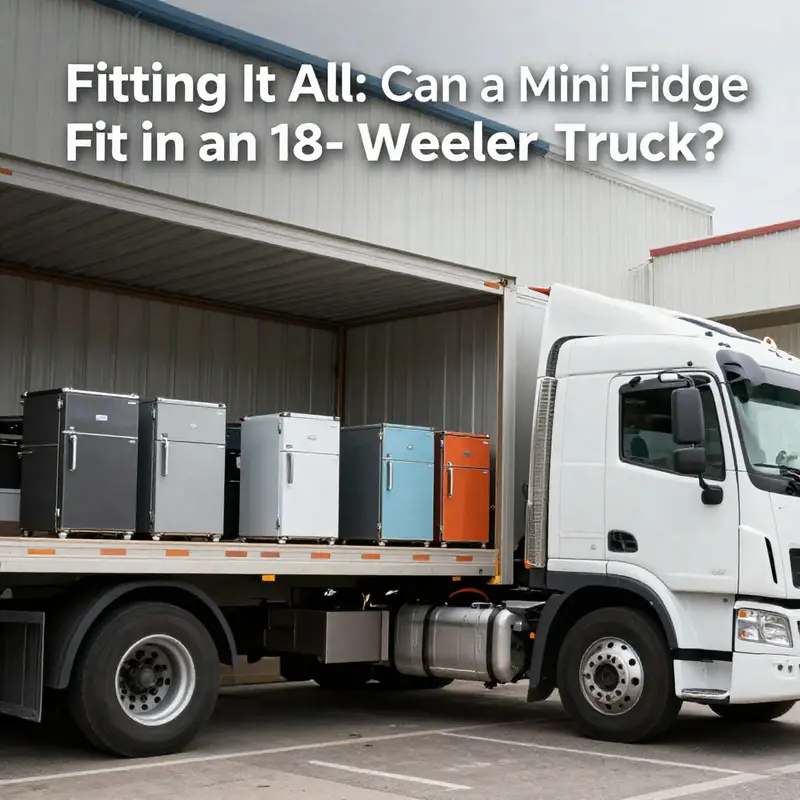
When it comes to transporting goods, especially for local small business owners and residential property owners, understanding the logistics of size and capacity is crucial. One question that often arises is whether a mini fridge can fit inside an 18-wheeler truck. With the dimensions of typical mini fridges and the ample cargo space offered by 18-wheelers, the answer is a resounding yes. This article will explore four key areas to help you grasp the full picture. Chapter 1 will detail the dimensions and capacities of both mini fridges and 18-wheelers. In Chapter 2, we will delve into the transportation and logistics surrounding these compact refrigerators load. Chapter 3 will provide effective packing strategies for optimizing space during transportation, while Chapter 4 will look at the economic implications of using 18-wheelers for fridge transport. Let’s dive into this fascinating subject!
Vast Capacities and Compact Wonders: How Mini Fridges and 18-Wheeler Trucks Create a Perfect Balance
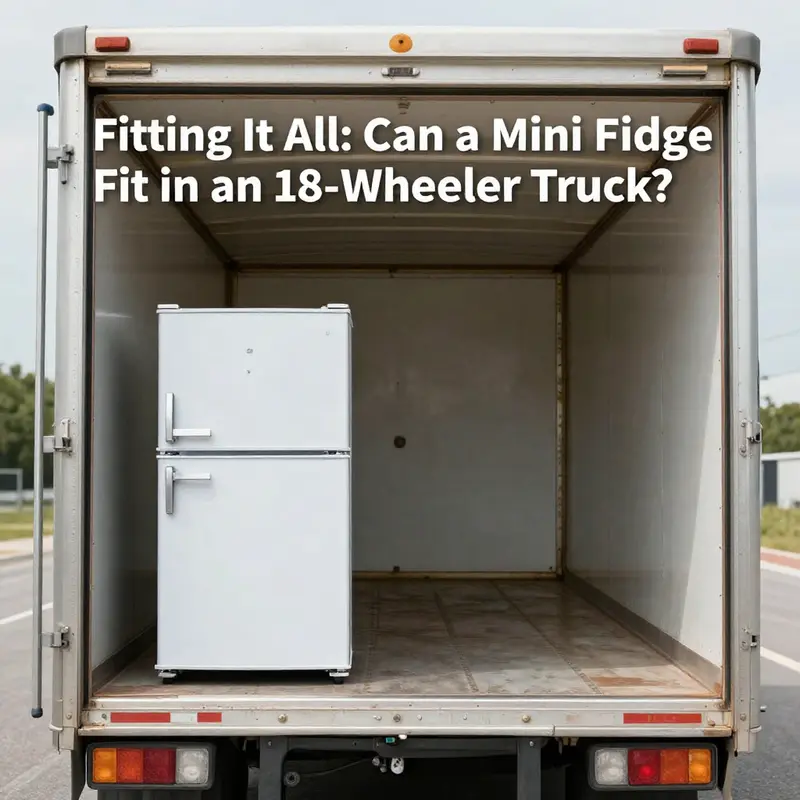
When envisioning the interplay between the domestic convenience of mini fridges and the robust capacity of 18-wheeler trucks, it is easy to marvel at the unlikely harmony that exists between these two very different designs. Compact mini fridges, celebrated for their space-saving efficiency and portability, are engineered to meet personal cooling needs in areas where space is at a premium, such as dorm rooms, offices, and recreational vehicles. In contrast, 18-wheeler trucks are titans of transport, built to accommodate vast quantities of goods while keeping pace with stringent regulations. Yet, when one examines the dimensions and capacity of these machines, the answer to the question, “can a mini fridge fit in an 18-wheeler truck?” emerges almost immediately as a resounding yes.
At the heart of the discussion lies the inherent design philosophy behind each product. Mini fridges are created for scenarios that demand minimal footprint and energy efficiency. Their dimensions are deliberately compact—often measuring in the range of 17 to 33 inches in height, with widths and depths that rarely exceed a couple of feet. Manufacturers design these appliances to optimize storage while maintaining ease of transport and placement in areas where every square inch counts. For instance, models like the 30-liter mini absorption fridge, whose dimensions measure roughly 400 x 415 x 530 mm, emphasize the importance of design efficiency. This miniature marvel of engineering uses innovative cooling technology and insulation methods that ensure it remains energy efficient, even while saving on physical space.
In stark contrast, an 18-wheeler truck is a mobile warehouse engineered to bridge the gap between distant production centers and bustling marketplaces. A typical semi-truck trailer spans about 53 feet in length, 8.5 feet in width, and 13.5 feet in height. This results in an enormous internal cargo volume in the region of 3,500 to 4,000 cubic feet. Such expansive space is a testament not only to the need for enormous capacity in commercial transport but also to the high levels of regulatory compliance and internal design standards required by federal authorities. The Federal Motor Carrier Safety Administration, for example, enforces guidelines that dictate maximum dimensions and weight distributions to ensure road safety. With such dimensions in mind, the space needed to store a mini fridge—which typically holds a mere 2.3 cubic feet at most—is negligible. In fact, the cargo hold of an 18-wheeler easily accommodates not only a single mini fridge but potentially dozens, if not hundreds, when planned appropriately.
This remarkable disparity in size is not merely a point of comparison but a celebration of design specialization. Mini fridges, while small, are masterpieces of efficiency. Their internal components are arranged to maximize available space for cooling while still incorporating modern amenities such as adjustable shelving, temperature controls, and sometimes even compartmentalized freezer sections. This careful allocation of space ensures that users have a reliable and efficient appliance that, despite its modest dimensions, delivers consistent performance. The design philosophy here is about delivering more functionality in less space, embodying the modern economy of scale in residential and commercial environments. Conversely, the 18-wheeler, with its cavernous cargo area, is engineered with a focus on robustness, durability, and versatility. The vast internal dimensions necessitate a design that not only supports a multitude of loading configurations but also accommodates a wide variety of goods, from industrial machinery to lighter consumer goods such as office equipment or, indeed, mini fridges.
In practical terms, the journey of a mini fridge into the cargo hold of a truck is an exercise in spatial logistics. Transport companies routinely factor in the careful positioning of items. When a mini fridge is loaded alongside larger or bulkier items, considerations such as weight distribution, securing mechanisms, and accessibility come into play. Despite these logistics, the relative size of a mini fridge makes it an almost incidental load compared to heavier or larger items that also need to be accommodated. It is common practice for cargo planners to maximize the utilization of available volume; the minute spatial requirements of a mini fridge means that it can easily become one element in a diversified cargo shipment. Furthermore, the industrial packaging processes already in place for securing high-value items are more than capable of handling the inclusion of such compact appliances without disrupting the overall balance of the shipment.
Beyond mere capacity, the uniqueness of a mini fridge’s installation within an 18-wheeler is also reflected in the contrasting regulatory frameworks that govern their design and use. For mini fridges, institutional guidelines—such as those embedded in dormitory policies—may limit the size of appliances to ensure safety and avoid overcrowding in small spaces. These policies help to foster an environment where efficiency is prized over sheer size. In the case of 18-wheeler trucks, federal regulations such as those detailed by the Federal Motor Carrier Safety Administration demand rigorous compliance. The dimensions of these trucks are predetermined to ensure they function safely on public roadways, balancing the need for large cargo areas with the imperatives of transportation safety and infrastructure compatibility. With well-defined standards in place, transporters are well aware of the spatial constraints and opportunities within their trailers, making the decision to include even an array of mini fridges a simple task.
One might ponder the advantages of being able to fit even a single mini fridge—or many—within an 18-wheeler, given that it is an exercise in thinking small within a setting designed for large-scale operations. The answer lies in the impressive versatility of modern transportation. Companies engaged in the movement of goods are constantly looking for ways to optimize space and improve efficiency. For example, a logistics company may choose to transport a variety of goods in a single trip, carefully orchestrating which products share space. In these scenarios, the inclusion of mini fridges, often used to transport temperature-sensitive items like medications or specialized food products, becomes an efficient use of space that does not detract from the overall cargo volume. In fact, because mini fridges are relatively lightweight and compact, they contribute minimally to the total weight, yet their presence enhances the value of the shipment by ensuring that sensitive items are kept at a consistent temperature.
The synergy between these two technologies underscores a broader theme in contemporary design: the marriage of efficiency and capacity. Mini fridges exemplify micro-level efficiency, where every cubic inch is maximized for cooling and storage. On the other hand, 18-wheeler trucks stand as icons of macro-level capacity, able to transport massive quantities of goods across extensive distances. Their respective roles in modern infrastructure—providing localized cooling solutions and facilitating large-scale commerce—complement each other in a way that exemplifies optimal use of space. This unique coexistence is a powerful reminder that innovation often thrives on the interplay between seemingly disparate domains. When a mini fridge is considered in the context of an 18-wheeler’s cargo space, it transforms from an object designed solely for domestic convenience into a versatile component of a much larger logistical ecosystem.
Another intriguing aspect is the attention to interior design within each apparatus. Mini fridges, with their vividly detailed compartments and adjustable shelving, cater to a consumer’s desire for personalization. Their design is often influenced by aesthetics, energy consumption ratings, and the latest cooling technologies that promise sustainability. This emphasis on refinement and customization resonates with today’s consumer preferences for energy-smart and stylish appliances. Similarly, the interior of an 18-wheeler truck is more than just a hollow container—it is a carefully engineered space that maximizes every available inch. The layout of a truck’s cargo bay is meticulously planned to distribute weight evenly, often employing modular systems that allow for the secure arrangement of goods ranging from heavy machinery to delicate electronics. The possibility of fitting a collection of mini fridges within such a dynamic environment is not only feasible but serves as a testament to the thoughtful design that goes into modern transportation equipment.
Packaging and transportation techniques further illuminate this harmony between small and large. Items like mini fridges are typically delivered in compact packages, often cushioned in materials that protect them from the jostling movements of long-haul transportation. This protective packaging is designed with the intricacies of loading and unloading in mind. Within an 18-wheeler, where cargo is routinely shifted and repositioned during transit, securing smaller items becomes part of a broader strategy to avoid damage. Modern logistics operations incorporate a variety of technologies for cargo tracking and environmental control. Techniques such as precision packing and dynamic load adjustment ensure that even small items maintain their integrity throughout the journey. In many ways, the secure placement of mini fridges within the truck becomes a microcosm of overall cargo management practices. Advanced simulation software can predict the optimal arrangement of numerous items, enhancing the efficiency of every shipment. For readers interested in a deeper dive into these methods, there are detailed blog insights on cargo management available from a reputable source like this company’s blog here. This integration of technology and careful planning underscores the fact that a mini fridge is just one example of how smaller items can be seamlessly incorporated into large-scale transportation strategies.
The conversation surrounding cargo safety also benefits from this comparative analysis. Given the stringent standards imposed on trucking, every item placed inside an 18-wheeler must adhere to rigorous safety protocols. Mini fridges, due to their relatively small mass and volume, typically present minimal risk in terms of load displacement during transit. However, they are not exempt from the broader concerns of cargo stability, which include ensuring that all items are properly fastened and that the overall weight distribution of the truck remains balanced. This dual focus on micro-level safety for individual items and macro-level safety for the entire cargo load illustrates the layered complexities of modern freight management. It is a delicate balancing act in which even the smallest component must be secured against potentially turbulent movements on highways. Yet, given the expansive dimensions of an 18-wheeler’s cargo hold, fitting a mini fridge—or even a series of them—is accomplished with relative ease, without compromising safety or stability.
Furthermore, economic considerations play a significant role in the interplay between mini fridges and 18-wheeler trucks. For businesses involved in distribution and retail, the ability to transport temperature-sensitive products efficiently can lead to significant cost savings and reduced product spoilage. Mini fridges, which are often used to keep perishable items in optimum conditions, gain additional value when they are part of a well-coordinated logistics strategy. The expansive cargo area of an 18-wheeler means that companies have the flexibility to combine diverse shipments. A shipment might include everything from high-end electronics to specialized cooling units like mini fridges, all carefully arranged to maximize both cost efficiency and space utilization. This strategic use of space not only bolsters a company’s bottom line but also reflects a broader trend in the logistics industry toward integrated, multi-modal freight solutions.
In many respects, the conversation about whether a mini fridge can fit in an 18-wheeler truck expands into a more profound narrative about modern engineering and design. It encapsulates the principles of scalability, efficiency, and innovation. Mini fridges epitomize how everyday items can be optimized to perform admirably within the confines of limited space, while 18-wheelers demonstrate how robust design accommodates a staggering array of items, regardless of their size. The contrast between these two objects, one minute and the other monumental, invites us to consider how seemingly incompatible systems can, in fact, complement one another. This synergy is a reflection of continual improvements in both industrial design and logistics management, driven by the ever-present demands of modern commerce.
The advancement in materials science and engineering has also contributed to the evolution of both mini fridges and 18-wheeler trucks. In mini fridges, innovations in insulation and compressor technology have allowed manufacturers to reduce the size of the unit without compromising its cooling capacity. At the same time, improvements in lightweight yet durable building materials for trucks have resulted in even larger cargo spaces that do not excessively contribute to the vehicle’s overall weight. These parallel breakthroughs represent a convergence of micro and macro scale engineering, where efficiency and capacity continue to drive future developments. In the broader context, it is clear that as both mini fridges and 18-wheelers evolve, we can expect even more sophisticated frameworks for integrating products across all scales of size and utility.
This narrative of harmonious coexistence also extends to considerations of environmental impact and sustainability. Mini fridges have evolved to become more energy-efficient, often incorporating eco-friendly refrigerants and power-saving modes. Their compact design means that they consume less electricity while still providing the essential functionality required by modern users. Meanwhile, the logistics industry is continuously seeking ways to reduce its carbon footprint. 18-wheeler trucks are now often equipped with advanced fuel management systems, aerodynamic design modifications, and even hybrid propulsion technologies. The possibility of combining energy-efficient appliances with greener transportation methods presents an exciting frontier for sustainability. In many respects, the successful placement of a mini fridge within a large truck is emblematic of the broader challenge of reconciling small-scale energy savings with large-scale efficiency improvements.
Ultimately, the deliberate and thoughtful design that underpins both mini fridges and 18-wheeler trucks serves as a microcosm of modern technological progress. The question, “can a mini fridge fit in an 18-wheeler truck?” is answered not only by the physical dimensions involved but also by the underlying philosophy of functional design and innovation. The contrast between the compact, highly specialized mini fridge and the spacious, multi-functional truck is illustrative of a world in which diverse elements are brought together through engineering ingenuity. Whether it is appreciating the intricate design details of a mini fridge or marveling at the enormous cargo space provided by an 18-wheeler, one is reminded that effective design is about more than just size—it’s about purpose, efficiency, and the seamless integration of technology.
For stakeholders across industries—from product designers to freight logistics managers—this understanding encourages a deeper exploration of how smaller elements can be leveraged within larger frameworks. In an era when supply chains continue to evolve in response to changing consumer demands and regulatory landscapes, recognizing the compatibility of items as disparate as mini fridges and 18-wheeler trucks is a step toward more efficient and innovative practices. A harmonious blend of micro and macro capabilities not only ensures that even the smallest items are given due consideration but also reinforces the idea that in modern transport, nothing is too small to matter.
In summary, the high-level narrative that unfolds here proves that there is abundant room for mini fridges within a standard 18-wheeler truck. The minuscule footprint of a mini fridge stands in stark contrast with the vast interior of these trucks, and yet, this contrast is a testament to modern design ingenuity and logistical prowess. The potential for loading multiple units without compromising space, the care taken in securing delicate loads, and the overarching benefits for cost-effective and sustainable freight operations all contribute to a reassuring conclusion: when it comes to marrying compact excellence with expansive capacity, the two work in perfect tandem. For further detailed information on the stringent guidelines that govern these massive transport machines, readers can review the regulatory framework provided by the Federal Motor Carrier Safety Administration – Vehicle Size and Weight Regulations.
This chapter, therefore, is not just a technical overview but a celebration of how thoughtful design at vastly different scales can converge to form an efficient, safe, and sustainable transport ecosystem. Through every measured inch of a mini fridge and along every cubic foot of an 18-wheeler truck, there is a story of innovation, care, and relentless pursuit of excellence that resonates across industries. In this dance of dimensions—from the coziest compartments to the most expansive cargo bays—the future of transport and appliance design shines bright, inviting us to learn from these examples and continue pushing the boundaries of what can be achieved when contrasting worlds unite under a common goal: efficiency without compromise.
Driving Efficiency: How Mini Fridges Enhance Cargo Logistics in 18-Wheeler Transport
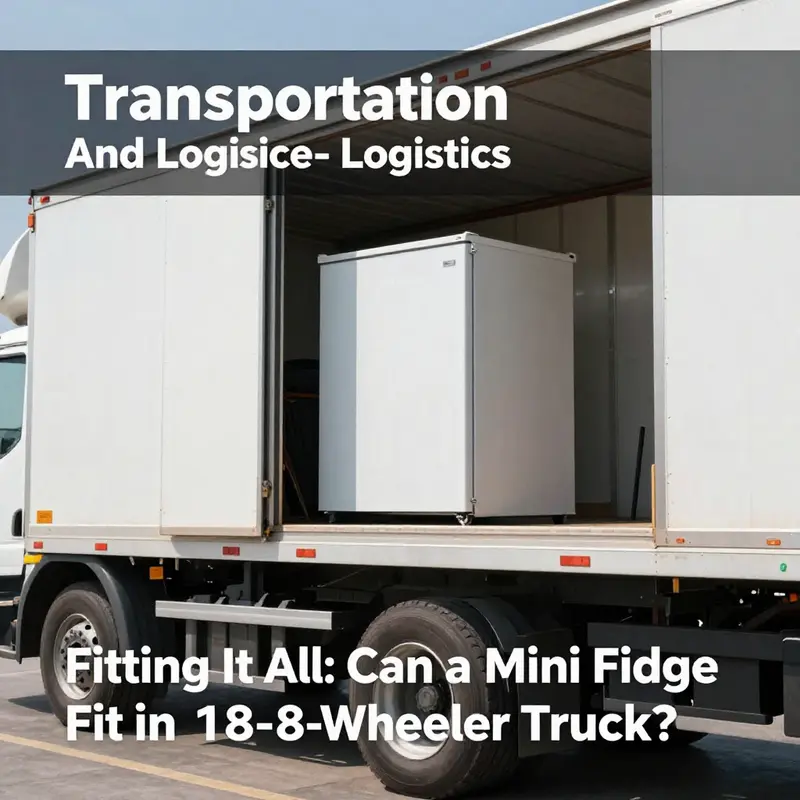
The expansive interior of an 18-wheeler truck presents a unique opportunity for integrating seemingly trivial appliances into what is otherwise a robust system of logistics and transportation. Among such innovations is the incorporation of mini fridges, whose modest dimensions stand in stark contrast to the vast cargo area available. This convergence of scale and purpose not only exemplifies a move towards enhanced driver comfort and improved food safety but also underscores the broader adoption of auxiliary technologies aimed at elevating operational efficiency in long-haul trucking.
At first glance, the idea of installing a compact refrigerator in a large commercial vehicle might seem superfluous. However, the reality is quite different. The typical mini fridge, roughly measuring around 1.3 by 1.4 by 1.7 feet, fits effortlessly into the 18-wheeler’s spacious cargo hold, which can accommodate up to 636 cubic feet of volume. This disparity in scale is more than just a quirk of design; it is a deliberate strategy to optimize the travel experience for drivers who spend countless hours on the road. The integration of mini fridges has evolved from a luxury to an essential component of modern freight management. The small appliance finds its value not merely in its ability to preserve perishables, but also in how it supports consistent health maintenance, stress reduction, and productivity improvements for drivers over long distances.
Central to this evolution is the focus on replenishing essential food and beverage supplies while on the move. Many long-haul drivers now find themselves relying on convenient access to freshly prepared meals away from the confines of fast-food chains or roadside diners. With a mini fridge at hand, storing fresh fruits, prepared meals, and hydrating drinks becomes not just practical but a daily necessity. The available refrigeration ensures that meals remain at safe temperatures no matter the external environment. It minimizes the risk of spoilage, thereby maintaining not only the integrity of the food but also the well-being of the driver. In an environment where every minute counts and the margin for error in maintaining alertness is slim, such an upgrade can help decrease fatigue-related mishaps on roads.
From an engineering perspective, mini fridges designed for integration in trucks are marvels of compact refrigeration technology. Typically powered by the truck’s 12V DC power system—with some models taking advantage of dual power sources via AC/DC inverters—these units are built to perform under variable conditions. Their energy-efficient compressor technology ensures rapid cooling, achieving temperatures as low as -5°F even when external temperatures soar. High-density insulation and robust sealing mechanisms are critical features that allow these devices to maintain stable internal climates regardless of the weather. These attributes not only extend the lifespan of the appliance but also align with the truck’s overall operational requirements. By minimizing energy consumption and adapting to diverse climates, mini fridges prove themselves indispensable during long, arduous trips that traverse varied environmental conditions.
Installing a mini fridge in a semi-truck is a process that is as thoughtful as it is technically straightforward. Manufacturers have standardized mounting brackets and plug-and-play wiring kits to facilitate quick retrofitting. Such design considerations ensure that the installation does not compromise the structural integrity or safety of the vehicle. In many instances, the retrofit process is completed without necessitating significant modifications to the truck. This ease of integration is complemented by advanced monitoring systems in fleet management operations. Centralized control systems can track the performance of these fridges in real time, alerting maintenance teams to voltage fluctuations or other operational inefficiencies before they escalate into costly repairs or failures. In this way, the reliability of the refrigeration unit is harmonized with the overall reliability of the transport system.
Moreover, the presence of mini fridges is closely linked with improvements in overall driver duty cycles. Regulatory agencies have increasingly recognized that better nutrition and hydration directly correlate with safer driving practices. By reducing the dependency on external food sources during long hauls, trucks outfitted with mini fridges allow drivers to maintain a more balanced diet and adhere to daily nutrition goals. This aspect of driver well-being is of paramount importance, as fatigue and undernourishment have long been contributing factors in roadway incidents. Recent guidance from transportation authorities reinforces the incorporation of amenities that foster driver health. With a reliable mini fridge on board, a truck operator not only commits to safeguarding perishable goods but also significantly contributes to reducing the risks associated with prolonged driving periods.
The evolution of the refrigerated mini fridge for truck applications represents a broader trend in the modernization of freight transport. As digitalization and automation become increasingly interwoven with logistics management, auxiliary devices such as mini fridges serve as the nexus between traditional mechanical reliability and emergent technological innovation. In many fleets, the mini fridge is emerging as a standard accessory rather than an optional luxury. Fleet operators are finding that the incremental cost of installation is quickly offset by improved driver satisfaction and an overall reduction in downtime linked to food-related disruptions. This improved efficiency translates to cost savings and enhanced operational throughput, which in turn encourages the widespread adoption of similar technologies across the industry.
The operational dynamics of long-haul trucking are changing, and the integration of mini fridges is emblematic of a broader shift. With the truck cabin increasingly becoming a second home to the driver, every improvement that augments comfort and functionality deserves attention. The compact design of mini fridges ensures they take up minimal space while providing maximum utility. They can be situated in various parts of the truck, a flexibility that has allowed operators to customize installations to match individual vehicle layouts. Whether mounted near the door, under the seat, or on the wall adjacent to the driver’s area, the refrigerator is strategically placed to maintain ease of access and minimize disruption during transit. This level of customization underscores the notion that modern logistics is as much about ergonomics and human factors as it is about the efficient movement of goods.
An interesting aspect of this technological trend is its impact on the broader supply chain. Although the immediate benefits of mini fridges are experienced by drivers, there is a subtle ripple effect that benefits the entire transportation ecosystem. For example, improved driver rest and nutrition directly contribute to the timeliness of deliveries. When drivers are well-rested and well-fed, the risk of errors on the road decreases. This reliability from the field allows logistics managers to schedule tighter delivery windows and increases overall customer satisfaction. Furthermore, companies that invest in these auxiliary technologies often experience enhanced brand loyalty from drivers, who feel that their well-being is being prioritized. This in turn promotes a culture of safety and respect on the highways, which is essential to the long-term viability of the trucking industry.
The mini fridge’s role as a driver-assist tool cannot be overstated. In addition to food storage, these units serve as reliable holders of essential supplies that may include medications, water bottles, and other temperature-sensitive items. Their compact size and low energy consumption make them an attractive feature in an industry where every watt of power counts. The integration of such technology also opens opportunities for further innovations, such as remote monitoring via digital interfaces that alert fleet managers to any deviation in operating temperature. This proactive maintenance approach not only enhances the reliability of the system but also serves to lower operational costs associated with unexpected breakdowns in refrigeration units.
Although the addition of mini fridges appears to be a minor upgrade against the backdrop of modern vehicle amenities, its implications on fleet logistics are substantial. Fleet managers now have the flexibility to configure the truck’s interior in a way that balances cargo load with personal comfort. Given the extensive cargo capacity available in an 18-wheeler, the physical space compromised by installing a mini fridge is negligible. This allows companies to retrofit vehicles with the additional safety net of onboard nourishment storage without sacrificing cargo transport efficiency. It is this seamless integration of personal well-being with professional utility that marks a new era in fleet management.
Additionally, these advancements have garnered significant attention from both industry research institutions and regulatory bodies. For instance, a 2026 report by the American Trucking Associations highlights that over 45% of long-haul freight carriers are now incorporating auxiliary cooling strategies, with a considerable percentage opting for mini fridge installations in the crew areas. The intersection of technology, health, and safety evident in these installations is reflective of an industry-wide commitment to evolving beyond the traditional confines of freight movement. In parallel, guidelines set forth by the U.S. Department of Transportation in the same year have underscored the critical importance of nutrition and hydration in mitigating driver fatigue. Such endorsements from regulatory bodies not only validate the practicality of these solutions but also stimulate further innovation aimed at enhancing driver performance and safety.
One must also consider the environmental implications of integrating energy-efficient mini fridges in truck cabins. Modern refrigeration units are designed to be environmentally conscious, utilizing refrigerants that have minimal ozone depletion potential and energy consumption that does not add significantly to the vehicle’s overall power draw. The advanced insulation and compressor technologies employed in these units mean that they require less frequent maintenance and less energy to operate over extended periods. This focus on sustainability is particularly relevant in an industry that is under increasing pressure to reduce its carbon footprint while maintaining high levels of operational efficiency. In many ways, the mini fridge exemplifies how minor improvements in vehicle equipment can contribute to a larger strategy of green logistics and reduced environmental impact.
An integral part of this technological evolution is also the rising trend of customization. Manufacturers are aware that each fleet has unique needs depending on the nature of their operations and the specific driving conditions they face. Consequently, mini fridges available for trucking applications are offered in a variety of models, with customization options that include variable sizes, multiple mounting solutions, and enhanced power inputs. Some models even come with digital interfaces that allow drivers to monitor internal temperatures at a glance. Such features are not mere embellishments; they represent concrete steps towards integrating critical technology into a demanding environment. Companies that have adopted these solutions report a noticeable improvement in driver satisfaction, which ultimately leads to better adherence to delivery schedules and higher overall efficiency.
A notable case study in successful integration involved a fleet operator who retrofitted a selection of trucks with state-of-the-art mini fridges. By carefully selecting models that drew power from both the 12V DC system and, where applicable, an additional AC/DC inverter, the operator was able to ensure that the fridges performed reliably regardless of the external operating conditions. The initiative was not only well received by drivers, who cited improved diet quality and enhanced in-cab comfort, but it also resulted in quantifiable improvements in delivery punctuality. This case study has since been referenced in numerous industry publications and serves as a model for how even seemingly minor upgrades can lead to significant enhancements in the operational dynamics of long-haul trucking.
Flexibility in design has allowed these refrigeration units to be installed in the most opportune spaces within the truck. Some operators have opted for under-seat installations, taking advantage of unused space that does not interfere with legroom or cockpit access. Others have chosen wall-mounted units that are easily reachable from the driver’s seat, ensuring that the contents remain accessible during brief stops. This adaptability underscores a key design philosophy: that functionality and convenience should go hand in hand with safety and performance. In modern fleet operations, every inch of interior space is carefully considered, and the mini fridge’s compact design ensures that drivers can enjoy the benefits of fresh food storage without sacrificing valuable cargo or living space.
The positive ripple effects of these enhanced accommodations also extend to the broader logistics cycle. Drivers who are better nourished and less reliant on erratic meal schedules typically demonstrate improved focus, reduced fatigue, and a consequent decrease in the likelihood of on-road incidents. Given that driver fatigue is a critical factor in many highway accidents, the importance of onboard nutritional solutions cannot be overstated. The inclusion of mini fridges in trucking fleets is thus not merely a luxury but a strategic enhancement aimed at reducing safety risks. Improved driver health contributes to a decrease in both the frequency and severity of accidents, a goal that both fleet operators and regulatory agencies have championed over recent years.
In a related development, cutting-edge tracking systems have begun to incorporate the performance of auxiliary systems such as mini fridges into their data sets. By linking these systems to central monitoring platforms, fleet managers can now receive real-time updates on operating temperatures, energy usage, and potential system faults. This level of connectivity ensures that any issues are detected early, and corrective measures can be promptly implemented. The ability to remotely monitor the performance of a mini fridge is a small but significant part of the digital transformation sweeping the logistics industry, and it reinforces the notion that all components of a truck’s design can be optimized for maximum performance.
For those interested in further exploring innovations in truck design and technology, there are numerous resources and articles available through specialized outlets such as the Truck Innovations Blog, which provides additional insights into how these small yet impactful upgrades are shaping the future of freight transport. This resource delves into a range of topics, from enhanced cabin ergonomics to sustainable design practices, all of which complement the broader themes discussed here.
As the trucking industry continues to evolve, the integration of mini fridges represents a microcosm of a larger trend towards embracing technology-driven improvements. The synthesis of cutting-edge refrigeration technology with conventional freight logistics not only makes sense from a practical standpoint, but it also aligns with emerging regulatory trends that emphasize driver health and operational efficiency. By reducing reliance on external sources for nutrition and hydration, trucking fleets can operate more independently, reducing delays and enhancing the overall robustness of the supply chain.
In conclusion, the marriage of mini fridge technology with the vast cargo space of an 18-wheeler truck symbolizes a convergence of ingenuity, practicality, and driver-centric innovation. What began as a modest solution to a common problem has now evolved into a key component of modern fleet management. With their energy-efficient compressors, easy-to-install designs, and flexible mounting options, these small appliances are proving indispensable in the quest to create safer, healthier, and more efficient transportation systems. Looking to the future, it is clear that innovations such as these will continue to shape the landscape of long-haul trucking, setting new benchmarks for how technology and logistics can interact seamlessly to enhance every aspect of road transportation. For more detailed insights into industry trends and advancements, you may visit the external resource provided by the American Trucking Associations here.
This chapter is an exploration of how a seemingly minor modification—the integration of a mini fridge—can have a profound impact on the operational dynamics of 18-wheeler trucks. Through improvements in driver health, cargo reliability, and system efficiency, mini fridges exemplify the broader trend towards technology-enabled logistics. Their seamless integration, based on extensive research and practical case studies, underscores the significant benefits that arise when industries focus on both the macro aspects of cargo transportation and the micro needs of those who drive these massive vehicles day in and day out. The future of trucking lies in these incremental innovations that collectively drive a major transformation in safety, performance, and sustainability.
Navigating Cargo Space: Mastering the Art of Packing Mini Fridges in 18-Wheeler Trucks
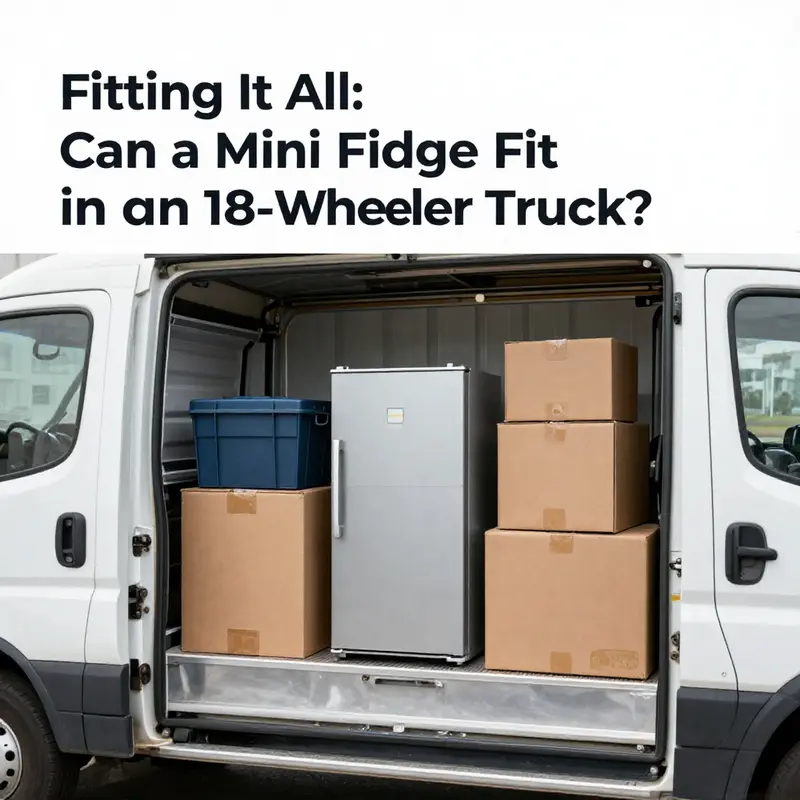
Integrating a mini fridge into the vast interior of an 18-wheeler truck is more than a matter of simple placement; it is a well-thought-out exercise in efficiency, safety, and practicality. Truck drivers and logistics experts alike have come to appreciate that these compact appliances, designed initially for small residential spaces, can be seamlessly incorporated into the rugged world of long-haul trucking. Careful attention to placement and orientation is paramount, as the interior of an 18-wheeler offers a surprisingly generous volume that can accommodate not just one but potentially dozens of mini fridges. This reality becomes even more impressive when you compare the dimensions—a typical 30L mini absorption fridge measures roughly 400 x 415 x 530 mm, a trifling size next to the interior capacity which can extend to 18 cubic meters. The success of this integration rests on the application of thoughtful strategies that maximize available space while ensuring that every item within the truck is secured and remains functional under dynamic road conditions.
When it comes to positioning a mini fridge in an 18-wheeler, the foundation lies in selecting the right spot within the truck’s interior. The cargo area of these trucks is purposely designed to handle a wide assortment of cargo—from industrial equipment to delicate appliances—hence, stability must be the foremost priority. The best approach is to place the mini fridge on a flat and even surface that minimizes the effects of vibration and sudden stops. Secure placement helps to prevent the unit from shifting, which could lead to disruptions in its internal cooling mechanism or even damage the fridge. Utilization of non-slip mats or custom-designed brackets becomes indispensable, ensuring that the unit stays anchored and its contents remain undisturbed. By taking these precautions, drivers not only secure their investment in a mini fridge but also avoid the stress associated with potential breakdowns or spillage of contents, which can lead to more serious issues later in the journey.
Achieving optimal organization within a confined space like an 18-wheeler requires that truck drivers and logistics planners look beyond mere placement. At its best, the strategy involves creating an integrated system that caters to all aspects of the mini fridge’s function—from ensuring that perishables are kept fresh to making certain that the fridge is easily accessible whenever needed. A practical tip is to consider modular storage solutions inside and around the fridge. For instance, small, stackable containers keep different types of items such as beverages, snacks, or temperature-sensitive medications neatly separated, which minimizes the need to frequently open the door. Excessive opening can cause fluctuations in temperature and impact the efficiency of the fridge, especially during long hauls where temperature regulation is critical. In cases where the trucker needs to retrieve items quickly, having a dedicated shelf or compartment directly above the refrigerator offers a convenient solution. This additional storage area can be used for non-perishable items or supplies, thereby reducing clutter and allowing the mini fridge to serve its purpose without interruptions.
Another significant aspect of packing mini fridges in 18-wheelers is the method by which the appliance is introduced and secured into the cargo area. Moving the mini fridge safely into the truck is as important as its eventual placement. The use of a dolly or sliding tray system proves invaluable, reducing the physical strain on truck drivers while ensuring minimal impact to the unit. This system not only simplifies the loading and unloading process but also serves as an extra measure of safety by diminishing the risk of accidental impacts or spills. Once inside, the appliance should be enveloped with care: securing it with appropriate straps or using bungee cords can effectively reduce its movement during the journey. However, caution is advised when applying these restraints; it is crucial that pressure is not applied in a way that interferes with the cooling unit’s compressor or sensitive components. Following manufacturer guidelines regarding weight distribution and securing methods guarantees that neither the mini fridge nor the truck’s interior suffers undue stress during transit.
Adapting a mini fridge for use in a mobile environment also entails a focus on temperature control and energy efficiency. Modern mini fridges, especially those designed for mobile use, often feature digital thermostats and temperature monitoring systems that ensure the unit operates within optimal parameters regardless of external conditions. In an 18-wheeler, where temperature fluctuations can occur due to varying ambient conditions or engine shutdowns, having a battery-powered or DC-powered mini fridge is particularly advantageous. Such models often maintain a stable temperature even when the engine is off, which is essential for preserving perishables and other sensitive goods. By incorporating technology that offers both precision and reliability, truck drivers can be assured that their mini fridge will deliver consistent performance throughout the trip, regardless of the challenges posed by long-haul travel.
The broader logistics strategy encompasses not only how the mini fridge is secured, but also how its integration impacts overall load configuration within the truck. When planning the interior layout, it is essential to balance the space dedicated to the appliance with other cargo. The clear advantage of an 18-wheeler is its expansive capacity, which allows for creative configurations. Thoughtful spatial planning involves determining if the mini fridge will be used for personal convenience or if it will serve a broader purpose, such as keeping food supplies and beverages cool for multiple passengers or cargo that requires refrigeration. In the former case, the fridge might be situated close to the cab for easy access, whereas in the latter, a central location within the cargo area might be more suitable to benefit all occupants equally. Attention to such details not only maximizes efficient use of space but also minimizes the potential for imbalance when the truck is in motion, thereby preserving the integrity of both the cargo and the vehicle itself.
In the realm of mobile logistics, every decision—down to the minutest organizational detail—can have a significant impact on the overall success of a journey. For instance, while securing a mini fridge might at first seem like a simple task, the cumulative effect of using the right equipment and techniques ensures the longevity of the appliance, protects valuable goods, and safeguards the driver’s comfort. Beyond the practical aspects of placement and stabilization, an effective strategy involves continuous assessment and adjustment during the course of the journey. Drivers often find that as other cargo is added or removed, slight shifts in the truck’s balance may necessitate a review of the mini fridge’s placement or securing methods. Consistent monitoring and, if needed, making real-time corrections are part of a proactive approach to cargo management.
In practice, these packing strategies have been refined by experienced drivers who understand the intricacies of life on the road. Their insights often stem from years of firsthand experience and learning through trial and error. Many drivers have developed personalized modifications to suit their specific needs, whether it’s a custom-designed bracket for the mini fridge or an innovative dolly system that facilitates smoother transitions from loading dock to on-the-road operation. This cumulative knowledge is shared widely across the trucking community, and platforms like the comprehensive resource found on the internal blog at Mini Truck Solutions Blog offer further insights and community-tested recommendations. In sharing these experiences and strategies, the trucking community not only fosters a culture of safety and innovation but also ensures that the integration of personal and professional conveniences—like a mini fridge—passes every necessary checkpoint with flying colors.
The journey to perfecting the art of packing mini fridges in an 18-wheeler truck is continuous. It requires an appreciation for the physical constraints of a moving vehicle as well as the dynamic needs of traveling personnel. An integrated approach that blends spatial planning, secure fastening, and temperature management is essential for ensuring that the mini fridge does not merely occupy space but functions as a reliable and efficient asset that complements the overall logistics operations. By envisioning the truck as a modular habitat where every piece of equipment has its designated purpose, drivers can transform what might appear as a small, trivial appliance into a cornerstone of mobile comfort and efficiency. The importance of this approach is underscored by the fact that even slight improvements in the organization and management of cargo can lead to significant enhancements in overall journey quality—smoother transports, reduced wear and tear, and an improved state of readiness for unexpected circumstances.
Beyond the practical and technical considerations, there is also an element of personal empowerment attached to efficient packing strategies. When truckers take the time to optimize their cargo space, they are not only ensuring that their equipment performs at its best, but they are also establishing routines that contribute to stress reduction and increased productivity on the road. A meticulously secured mini fridge, for example, can provide reliable access to refreshments and essential supplies during long hauls, thereby sustaining energy levels and enhancing focus. This reliability is crucial when drivers are tasked with extended periods of travel under challenging conditions. In many ways, the process of planning and executing an effective packing strategy is as much about anticipating human needs as it is about managing physical space. The assurance of having a dependable mini fridge onboard, nestled securely amidst other cargo, offers a quiet confidence that can make all the difference in the demanding environment of long-haul trucking.
Ultimately, the strategies detailed here reflect a deep understanding of how even the smallest components of truck cargo can be transformed into high-value assets through thoughtful planning and organization. The juxtaposition of a diminutive mini fridge against the backdrop of a massive 18-wheeler illustrates a broader truth about logistics: that efficiency, safety, and comfort can be achieved through attention to detail and a willingness to innovate. The effective organization of a mini fridge within the truck’s cargo space is a testament to the ingenuity and adaptability that defines modern mobile logistics. It is a reflection of the constant interplay between technology and tradition—a reminder that even age-old practices like securing cargo can be elevated through the incorporation of new ideas and tools.
As drivers continue to refine their techniques, it is clear that the integration of personal appliances into a commercial transport environment is neither a trivial endeavor nor a one-size-fits-all solution. Instead, it is a dynamic process—one that demands continuous learning, adaptation, and a commitment to safety and quality. The strategies for packing mini fridges in such a robust setting serve as a microcosm of the broader challenges faced by the logistics industry today. By embracing the complexity of these challenges, truckers and logistics managers are not only enhancing the functionality of their vehicles, but they are also setting new standards for efficiency and care on the road. For those keen on emerging trends and best practices in the industry, further insights can also be found in resources like the informative video titled “How to Secure Your Mini Fridge While Trucking,” which offers practical tips and techniques applicable to a wide variety of scenarios. More detailed guidance is available there at the external resource: How to Secure Your Mini Fridge While Trucking.
In this ever-evolving landscape where the boundaries between personal comfort and commercial utility blur, the mini fridge stands as a symbol of innovation in the realm of mobile logistics. Every decision, from the precise placement on a leveled surface to the careful adjustment of securing straps, speaks to a broader commitment to creating a safe and efficient travel environment. This commitment is reflected not only in the physical configuration of the cargo but also in the mindset of the professionals who drive these enormous vehicles day in and day out. They continuously seek to improve their routines and workflows, ensuring that every journey is better than the last, that every obstacle is met with a solution borne of thoughtful consideration and practical ingenuity. In this way, the process of packing a mini fridge becomes a small yet significant part of a larger narrative—a narrative that celebrates the intersection of reliability, innovation, and the ceaseless pursuit of excellence on the open road.
Navigating Financial Realities: The Economic Landscape of Transporting Mini Fridges in 18-Wheeler Trucks
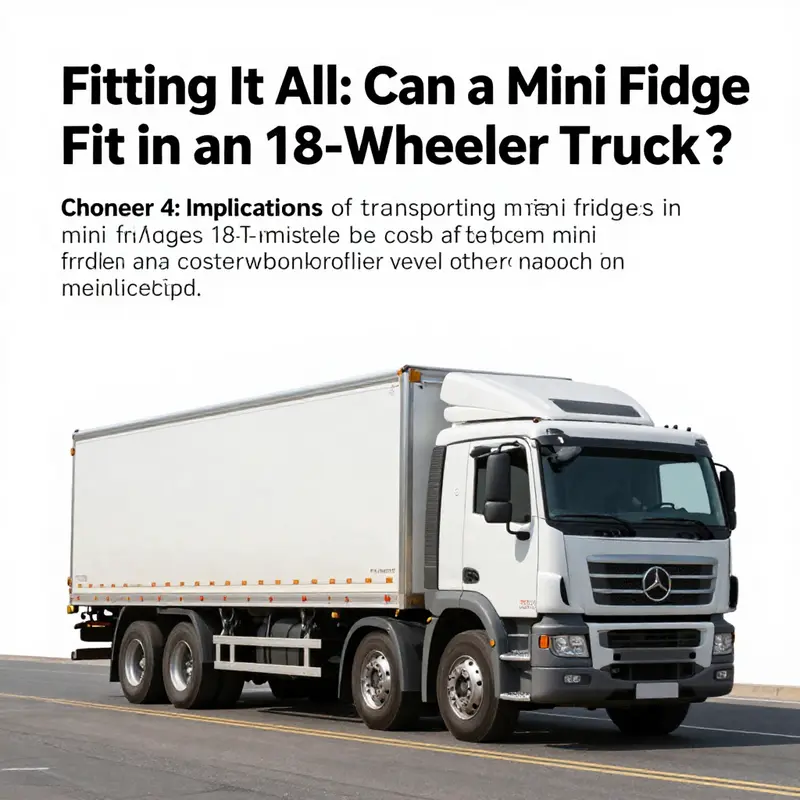
Transporting mini fridges in 18-wheeler trucks is an enterprise that often defies first impressions. At first glance, the idea of moving such compact appliances in vessels designed for vast quantities of cargo may seem trivial. Yet, beneath the surface lies a complex economic landscape where factors such as technology costs, fuel efficiency, evolving transportation methods, and operational viability converge to shape a unique cost-benefit equation for freight operators. In this chapter, we delve into the financial intricacies that govern the transport of mini fridges, uncovering both the challenges and the opportunities that come with using 18-wheelers—a mode of transportation traditionally associated with bulk shipments of industrial goods—to ferry small consumer appliances while ensuring overall cost effectiveness and environmental sustainability.
A closer look at the monetary factors reveals that the primary cost drivers are deeply linked to the refrigeration technology integrated into these transport units. Refrigerated units in large trucks are not merely passive storage spaces; they represent a substantial investment in auxiliary power systems that maintain low temperatures even during long hauls. The refrigeration systems are often powered by separate auxiliary engines that run concurrently with the main unit. These engines are known for their operational inefficiencies—an energy conversion rate that typically hovers between 35% and 40%—which translates into higher fuel consumption and increased operational costs. Such inefficiencies force transportation companies to meticulously scrutinize every watt and every drop of fuel used during the journey. The economic implications of incorporating such technology are significant, as even marginal improvements in fuel efficiency or refrigeration performance can result in tangible reductions in operating expenses over time.
The financial burden becomes even more pronounced when operators consider that long-haul freight operations are extremely sensitive to fluctuations in fuel prices. Traditional refrigeration systems, with their auxiliary engines working at less than ideal efficiency levels, contribute to an ever-escalating expense profile. High fuel consumption does not only inflate the cost-per-mile calculations; it also exerts pressure on overall profit margins. With each trip, there is a constant balancing act between maintaining the required low temperatures for sensitive loads—mini fridges included—and managing the fuel used to do so. In many instances, the expense associated with powering these refrigeration systems rivals or even exceeds the direct costs of the cargo itself. It becomes essential, therefore, to identify avenues that can improve fuel usage metrics. Even minor adjustments and optimizations in the refrigeration process can yield significant cost savings. Such measures may include improving the efficiency of insulation, fine-tuning the operation cycles of the refrigeration engine, or employing advanced diagnostic tools to streamline performance.
Fuel efficiency remains an enduring consideration for companies whose fleets operate under tight margins. The typical refrigerated truck carries a refrigerant charge of around 5 kilograms, a seemingly modest quantity that nonetheless adds layers of expense. The purchase and maintenance of the refrigerant, along with the potential environmental and safety implications of handling and disposing of it correctly, contribute to the operating cost. Management systems are continually investigating mechanisms by which energy use could be optimized. For example, some freight operators have begun using real-time tracking and sensor data to monitor temperature stability and predict maintenance needs before system failures occur. Such investments are not solely about preventing breakdowns; they also ensure that fuel consumption does not spike unexpectedly, a crucial factor when margins are razor thin and external economic pressures abound.
With rising global awareness regarding environmental sustainability, the logistics and freight industry is at a crossroads—a junction where tradition meets innovation. One of the transformative developments in this space is the exploration of electric and hybrid truck models. Emerging technologies, such as E-Mini trucks, represent an intriguing possibility for operators looking to reduce both their fuel consumption and their carbon footprint. These vehicles offer a promise of zero tailpipe emissions and lower long-term operating costs. However, the transition is not without its challenges. The production costs for electric trucks remain significantly higher than those of conventional diesel models, and the necessary charging infrastructure for long-haul freight is still in its infancy. Thus, while electric and hybrid models present an attractive long-term vision for many, their immediate economic impact is tempered by high acquisition prices and the need for additional capital investments in supportive infrastructure.
Nonetheless, the move towards cleaner, more sustainable transportation methods is a trend that many see as inevitable. Operators are increasingly viewing the short-term challenges not as insurmountable obstacles but as investments in a cleaner, cost-effective future. The adoption of alternative fuel technologies could mitigate some of the operational issues associated with traditional auxiliary-powered refrigeration systems. An improved charging network and technological advancements in battery storage and efficiency might eventually tip the scales in favor of electric-driven trucks. It is in this arena that innovation offers the potential for both reduced costs and enhanced regulatory compliance, especially in regions where emission standards are becoming increasingly stringent. Transitioning to greener technologies is not merely about protecting the environment; it is an economically strategic decision that could reduce fuel costs and ensure that operators remain competitive in a rapidly evolving industry.
Economic viability, in the end, is a question of scale and strategic integration. The inherent flexibility of the 18-wheeler truck allows it to transport a wide variety of goods—from oversized industrial machinery down to the relatively compact form factor of a mini fridge. This versatility means that the incremental cost of transporting a single mini fridge is negligible when compared to the truck’s overall capacity. Even though the refrigeration system itself introduces additional expenses, these costs can be distributed over a large number of shipments. In many cases, operators can leverage economies of scale where the addition of a relatively small refrigeration cost does not drastically alter the overall cost structure, as long as cargo densities remain sufficiently high. Indeed, many logistics professionals see the transportation of mini fridges as a model case for bulk distribution strategies where efficiency can be maximized despite significant variations in cargo size.
One of the key operational strategies that many companies employ is the optimization of cargo space. When viewed in comparative dimensions, a mini fridge—typically around 400 x 415 x 530 millimeters—is minuscule relative to the vast cargo space available in an 18-wheeler trailer. This means that, from a purely spatial perspective, an 18-wheeler truck can carry dozens or even hundreds of mini fridges simultaneously, provided that the overall configuration of cargo is optimized for weight distribution and secure packing. This efficiency is a boon not only from a revenue standpoint but also in terms of energy utilization; a fully loaded truck, economically speaking, spreads its operating costs across a larger volume of goods, thereby reducing the cost per unit shipped. Moreover, careful planning in load configuration can also minimize the distance traveled with a partially empty cargo space, further enhancing fuel efficiency and reducing operational costs over the length of a delivery route.
From an economic perspective, another influential factor is the cost associated with regulatory compliance and safety measures. Refrigeration units in freight trucks are subject to rigorous standards—not only to ensure that cargo remains at optimal temperatures but also to minimize the risk of incidents such as refrigerant leaks or system malfunctions. The cost of meeting these regulatory requirements can be significant, particularly for fleets operating in multiple regions with diverse environmental standards. Operators must invest in regular maintenance, staff training, and technology upgrades to maintain compliance. These investments, although adding to upfront costs, are critical in preventing potentially catastrophic failures that could result in extensive financial and reputational damage. As operators seek to balance these investments with the imperative to remain economically competitive, many find that the pursuit of efficiency is as much a matter of risk management as it is a matter of cost reduction.
Operating within this complex framework, motorcycle drivers relying on technology for tracking and cargo management are increasingly leveraging innovations to cut costs. Advances in digital monitoring systems have enabled fleets to gather granular data on fuel consumption, temperature variations, and system performance. These data-driven insights allow operators to adjust their strategies in near real-time, aligning their operations more closely with both economic and environmental goals. For instance, advanced sensor systems can alert operators when a refrigeration system functions below its optimal efficiency level, enabling swift intervention before issues magnify into costly breakdowns. Such measures, though often requiring initial capital investment, pay dividends in the form of lower maintenance costs and reduced fuel consumption over the operational life of the truck.
Moreover, the broader economic implications extend to market competitiveness. As companies grapple with the dual pressures of rising fuel costs and heightened environmental scrutiny, those that manage to optimize their refrigeration and transportation systems are positioned to gain a competitive edge. By carefully calibrating their operations to achieve optimal load density and energy efficiency, businesses not only reduce their operating costs but also pass on these savings to customers—a valuable proposition in an increasingly price-sensitive global market. The ripple effects of these efficiencies are profound. Lower transportation costs may encourage manufacturers and distributors to explore new markets and innovate in product offerings, confident in the knowledge that their logistical backbone is both robust and cost-efficient.
In this evolving financial landscape, the adoption of holistic strategies is essential. One practical example can be seen in how companies are actively working to harmonize their approaches to cargo distribution with emerging sustainability goals. By integrating optimized energy usage protocols and investing in newer refrigeration technologies, operators are able to counterbalance the inherent inefficiencies of traditional auxiliary engines. This strategic alignment has led some to explore multi-modal supply chain solutions that incorporate alternative transport methods during the last mile of delivery. The integration of such diverse approaches not only spreads out risk but also locks in cost efficiencies that might otherwise be lost in the operational complexities of a single-mode freight strategy.
The dynamic nature of the freight industry means that economic considerations must be constantly recalibrated. As new technologies mature and market conditions evolve, operators are faced with the need to revisit and revise their cost models. For instance, the emerging electric and hybrid truck models are tweaking the conventional paradigms that have long dominated the industry. While the current capital costs of these vehicles remain high, proponents of the technology argue that the long-term savings, particularly in fuel costs and maintenance, will eventually far outweigh the initial investment. This is a classic case of short-term pain for long-term gain—a calculated risk that many in the marketplace are prepared to take. The careful monitoring of cost performance and the gradual phasing out of older, less efficient models is a trend that is expected to continue, driven by both economic imperatives and broader environmental policies.
One cannot underestimate the role of government policies and industry regulations in shaping the economic realities of freight transportation. Subsidies for cleaner technologies, tax incentives for energy-efficient operations, and penalties for high emissions are all part of a regulatory framework that incentivizes operators to look beyond immediate cost metrics. These policy initiatives, though sometimes challenging to navigate, provide firms with an additional lever to improve their overall cost structure while aligning with global objectives of sustainability and reduced carbon emissions. Companies that successfully integrate these external pressures into their internal cost strategies often find themselves at a significant competitive advantage, poised to benefit from both government support and increased consumer demand for greener logistics solutions.
Operationally, the economic strategy behind transporting mini fridges in 18-wheeler trucks draws heavily on the principle of maximizing cargo value while minimizing overhead costs. A key advantage lies in the fact that many fleets are already accustomed to transporting heavy and oversized loads, and the accommodation of mini fridges does not require substantial additional modifications to existing infrastructure. This inherent flexibility means that, provided cargo is properly arranged, the incremental expense of safely transporting a mini fridge is minimal when compared with the overall operational cost of running an 18-wheeler truck. In effect, the economies of scale promise that even a seemingly insignificant appliance such as a mini fridge can be shipped at a marginal cost that belies its logistical complexity.
Of course, the conversation surrounding economic viability extends beyond pure numbers to include the human element. The decision-making process in logistics is influenced by a range of factors including driver expertise, route planning, and system reliability. In many modern fleets, data analytics and decision-support systems are increasingly used to optimize every facet of the transportation process. For instance, dynamic routing algorithms help determine the most fuel-efficient paths for a given journey, while advanced load planning ensures that every inch of cargo space is used effectively. These technological advancements not only reduce the risk of human error but also present opportunities to further drive down costs, making the transportation of mini fridges not only feasible but also highly competitive in cost-sensitive markets.
For those operators who wish to keep abreast of the latest strategies in fleet management and operational efficiency, resources and insights can be especially valuable. Comprehensive articles and case studies shared on platforms such as the modern minitruck blog provide real-world examples of how fleets are integrating new technologies with traditional transport methods. These insights help paint a picture of an industry in transition—one that is creatively addressing both economic and environmental dilemmas through innovation and strategic planning.
Ultimately, the economic implications of transporting mini fridges in 18-wheeler trucks serve as a microcosm of the broader challenges facing the freight industry. It is a domain where technological inefficiencies meet vast potential, where the meticulous accounting of every fuel drop intersects with large-scale logistical capacity, and where traditional practices are steadily giving way to forward-thinking strategies. This juxtaposition is evident in every facet of the operation—from the auxiliary engines that power aging refrigeration units to the state-of-the-art electric drivetrains that promise to redefine long-haul freight in the decades to come. As the industry moves forward, the balancing act between cost, efficiency, and sustainability will remain a central challenge. Yet, it is also clear that this very challenge is inspiring a wave of innovations aimed at modernizing the entire supply chain.
For industry stakeholders and freight operators alike, this evolving economic landscape is replete with both risks and rewards. By honing in on the critical areas of refrigeration technology, fuel efficiency, and operational synergy, companies can chart a course that not only optimizes immediate costs but also positions them for sustainable growth in the future. Amid rising fuel costs and tighter environmental regulations, adaptability becomes a key asset. The financial rewards of such adaptability are clear: a more efficient fleet, reduced emissions, and a competitive edge in an increasingly globalized market. In many respects, the transportation of mini fridges—a seemingly small niche—illustrates the broader transformation of freight logistics in an era marked by rapid technological change and heightened environmental awareness.
The confluence of advanced monitoring systems, improved load management strategies, and the gradual adoption of alternative propulsion methods underscores the dynamic nature of today’s freight challenges. As companies invest in research and development, they are motivated not just by the potential to save costs but by the possibility of fundamentally redefining the operational paradigms of an industry long dependent on traditional fuels and outdated technology. In this light, every mini fridge transported becomes a small but significant marker of progress—a testament to an industry learning to adapt to both market and technological evolutions.
Evaluating the economic consequences of such changes, it is evident that while initial investments in technology and infrastructure may be steep, the long-term benefits have the potential to far surpass these early expenses. The gradual but persistent trend towards more sustainable operations is a testament to the power of innovation in the realm of transportation economics. As cost structures evolve and technology continues to surge forward, the operations that once seemed rigid and unyielding are now being transformed into nimble, efficient, and environmentally attuned systems.
In conclusion, the economic implications of transporting mini fridges using 18-wheeler trucks form a vivid illustration of the challenges and opportunities that define modern freight logistics. It is an arena where technological limitations, evolving fuel efficiency standards, and emerging alternatives converge, crafting a rich tapestry of financial realities that freight operators must navigate with precision and foresight. The interplay between auxiliary engine inefficiency, capital-intensive electric alternatives, and the quest for optimized load management reflects the broader drive towards sustainable innovation. For those ready to invest in new technology and embrace revolutionized shipping practices, the rewards can be significant—a balance sheet uplift that mirrors environmental progress as much as cost savings.
For readers interested in further exploring the technical side of refrigeration efficiency in transport logistics, a detailed study in a peer-reviewed publication can provide additional insights. See the comprehensive analysis in this relevant publication for further information on how energy usage and operational costs can be refined to support the evolving needs of modern logistics.
Final thoughts
In conclusion, transporting mini fridges in an 18-wheeler truck is not only feasible but also an economical choice for small business owners and residential properties alike. Understanding the dimensions and capacities allows for better planning and logistics, while effective packing strategies enhance efficiency. The economic implications indicate that utilizing these large trucks can significantly reduce transportation costs when handling multiple units. Whether you’re a business owner looking to transport goods or a mini truck enthusiast exploring practical applications, knowing the interplay between mini fridges and 18-wheelers can optimize your operations and save you money.