
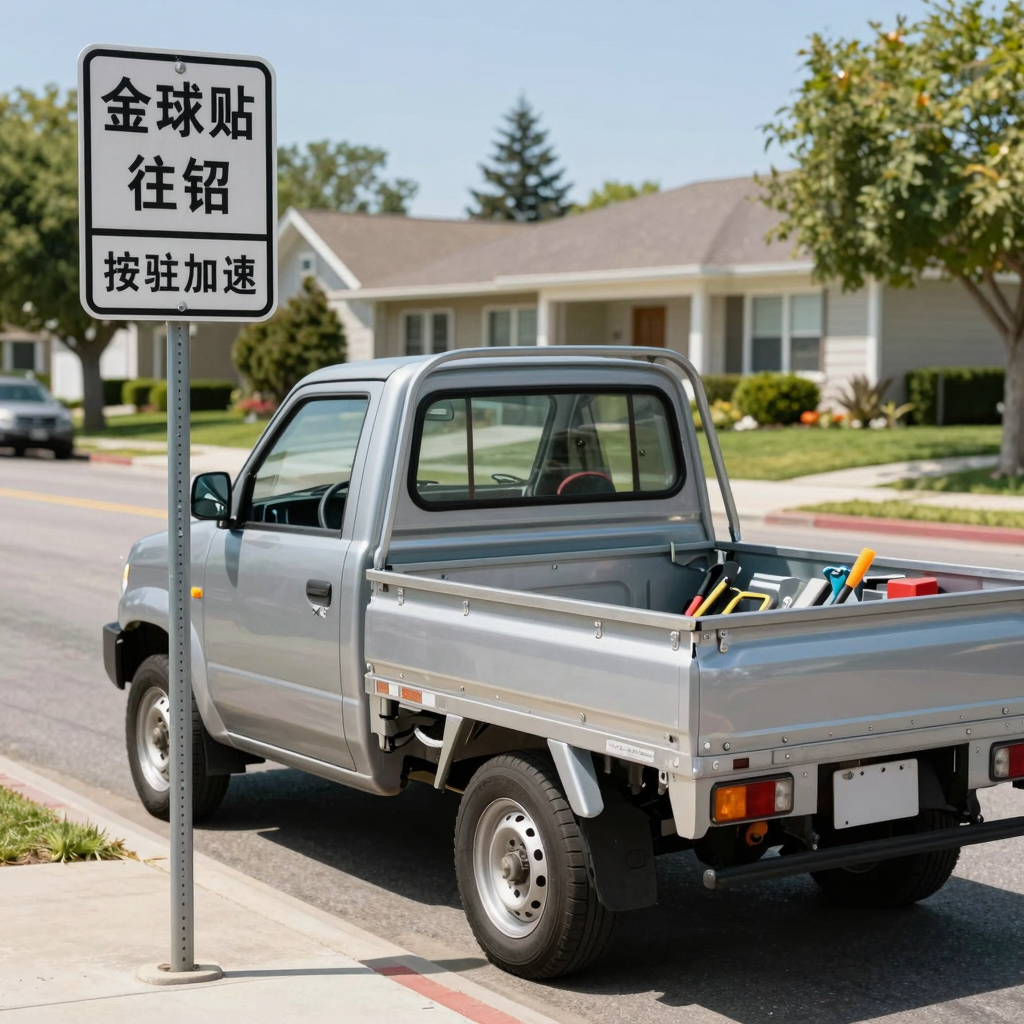
If you’re a small business owner, a residential property owner, or simply someone who has a passion for unique vehicles, you’ve probably wondered about licensing a mini truck. Picture this: it’s a sunny Saturday morning and you’re thinking about how to transport your tools to the job site or maybe even hauling supplies for your latest DIY project. You glance over at your trusty mini truck parked in the driveway. But wait-can you really hit the road legally with this little workhorse? In some areas, mini trucks are fantastic options for navigating tight urban streets or rural lanes, but the rules can get tricky. Let’s dive into the ins and outs of licensing a mini truck, helping you to understand what you need to get this useful vehicle on the road and into your daily routine. Learn more about mini trucks here and let’s get started!
When it comes to licensing mini trucks, there are several key considerations to keep in mind to ensure compliance and safety:
-
Registration Requirements: Each state has its own regulations around vehicle registration. In many states, mini trucks do not require a Commercial Driver’s License (CDL) if used for personal purposes. However, for commercial purposes, additional permits or licenses may be required. Familiarize yourself with your state’s vehicle regulations.
-
Insurance Obligations: Mandatory liability insurance is necessary in most states, with minimum coverage such as bodily injury and property damage. Commercial use requires more extensive coverage, including cargo and workers’ compensation insurance. It’s important to research insurance options specific to mini trucks to ensure adequate protection. Learn more about mini truck insurance requirements.
-
Local Regulations: Different regions may impose unique operational rules, such as restrictions on highways or specific emissions standards. For instance, California has stringent emission requirements, whereas states like Texas allow more flexibility for low-speed mini trucks in rural areas. Always check local regulations before proceeding.
-
Safety Compliance: Safety inspections and adherence to local safety standards are critical. Mini trucks should pass inspections to be eligible for licensing. This ensures both vehicle reliability and public road safety.
By considering these factors, you can navigate the licensing process for mini trucks effectively.
Understanding State-Specific Licensing Requirements for Mini Trucks
When it comes to licensing mini trucks across the United States, requirements vary significantly by state, affecting local small business owners, residential property owners, and mini truck enthusiasts. Generally, mini trucks are categorized based on their Gross Vehicle Weight Rating (GVWR), and this classification impacts registration processes, insurance, and inspection mandates.
Licensing Overview by State
Here’s a brief overview of licensing requirements for mini trucks in five representative states:
| State | Weight Class Definitions | Special Plate Requirements | Inspection Mandates |
|---|---|---|---|
| California | Mini trucks under 10,001 lbs operate as non-commercial; GVWR ≥ 10,001 lbs is considered commercial. | Non-commercial trucks use standard plates. | All vehicles must pass a Smog Check every two years. |
| Texas | Mini trucks under 10,001 lbs are considered passenger vehicles; those between 10,001 and 14,000 lbs are commercial. | Standard plates for lighter vehicles. | Mandatory for commercial vehicles; optional otherwise. |
| Florida | Vehicles under 10,000 lbs are light-duty vehicles; those above are classified as commercial. | Special-use plates for businesses available. | Annual inspection required for all vehicles. |
| Colorado | Under 10,000 lbs often exempt from commercial licensing; above that, require a CDL. | Standard plates for non-commercial mini trucks. | Annual inspections for commercial vehicles only. |
| New York | GVWR > 10,000 lbs classified as commercial; mini trucks <10,000 lbs treated as passenger vehicles. | Non-commercial uses standard plates. | All vehicles must pass an annual safety inspection. |
As seen, California imposes strict emissions and inspection requirements, which could influence operating costs for small businesses that utilize mini trucks. Texas offers a more relaxed approach for vehicles under 10,001 lbs, which is a significant advantage for local hobbyists.
Common Practices and What to Remember
- Insurance: Regardless of state, mini trucks must usually have liability insurance. Some states may require additional coverage based on the vehicle’s classification.
- Commercial Use vs. Personal Use: If your mini truck is used for business purposes, it may face stricter licensing and insurance requirements, especially in states like New York.
- Local Regulations: Beyond state laws, always check for local city or town regulations that may impose additional requirements, especially regarding business signage and physical business locations.
For more detailed insights, learn more about mini truck classifications!
| State | Base Registration Fee | Additional Fees (e.g., CHP, Highway, VLF) | Total Licensing Cost (2023) |
|---|---|---|---|
| California | $68 | $30 (CHP) + $177 (Highway) + $29 (Other) + $150 (VLF) | $454 |
| Texas | $50 | $25 (State Tax) + $10 (County Fee) | $85 |
| New York | $30 | $20 (State Surcharge) + $15 (Local Fee) | $65 |
| Florida | $50.75 | $10 (Title Fee) + $50 (Sales Tax) | $110.75 |
| Georgia | $25 | $10 (State Fee) + $15 (Local Fee) | $50 |
Note: Costs are based on data from 2023 and may vary by vehicle weight, type, and local regulations. All figures are for mini trucks (light-duty vehicles).
Sources:
- California DMV Fee Schedule
- Texas DMV Vehicle Registration Fees
- New York DMV Registration Fees
- Florida DHSMV Registration & Title Fees
- Georgia Department of Revenue – Vehicle Registration
FAQ: Common Licensing Questions About Mini Trucks
1. Do I need a special license to drive a mini truck?
Most mini trucks can be driven with a standard passenger vehicle license (Class D) in many U.S. states. However, if your mini truck is used for commercial purposes or has a gross vehicle weight rating (GVWR) exceeding certain limits, you may need to obtain a Commercial Driver’s License (CDL). Check your state regulations as they can vary significantly.
2. What documents are required for licensing a mini truck?
When licensing a mini truck, you typically need to provide the following documents:
- Proof of Identity: A valid driver’s license or ID.
- Vehicle Title: Documentation proving ownership of the mini truck.
- Vehicle Registration Application: Completed application form from your local DMV.
- Proof of Insurance: Evidence that the vehicle is insured according to state regulations.
- Payment of Fees: Fees for licensing and registration.
Depending on your state and the vehicle’s use, additional documents such as a Business Tax Receipt or inspection certificates may be required, especially if used commercially.
3. Are there specific regulations for commercial use of mini trucks?
Yes, if you plan to use your mini truck for commercial activities like transporting goods, you need to adhere to specific commercial vehicle regulations. This includes proper business registration, adequate insurance, and compliance with safety standards outlined by the FMCSA. For certain weight thresholds, a CDL may not be needed unless transporting hazardous materials or exceeding passenger limits. You can learn more about mini truck regulations to ensure compliance.
4. What are the emission and safety standards for mini trucks?
All mini trucks must meet emission standards and safety inspections as mandated by state law. This ensures that the vehicles are safe for road use and environmentally compliant. If your mini truck is being used commercially, you may face additional scrutiny in meeting these regulations. Check with your local DMV or state regulations to find out specific requirements for your area.
5. Do mini trucks require periodic inspections?
Yes, many states require mini trucks to undergo periodic safety inspections to ensure they are roadworthy. Additionally, if you are using the vehicle for commercial purposes, you might be required to have more rigorous inspections. It’s always best to check with your local DMV for the specific requirements related to your mini truck’s use and registration.
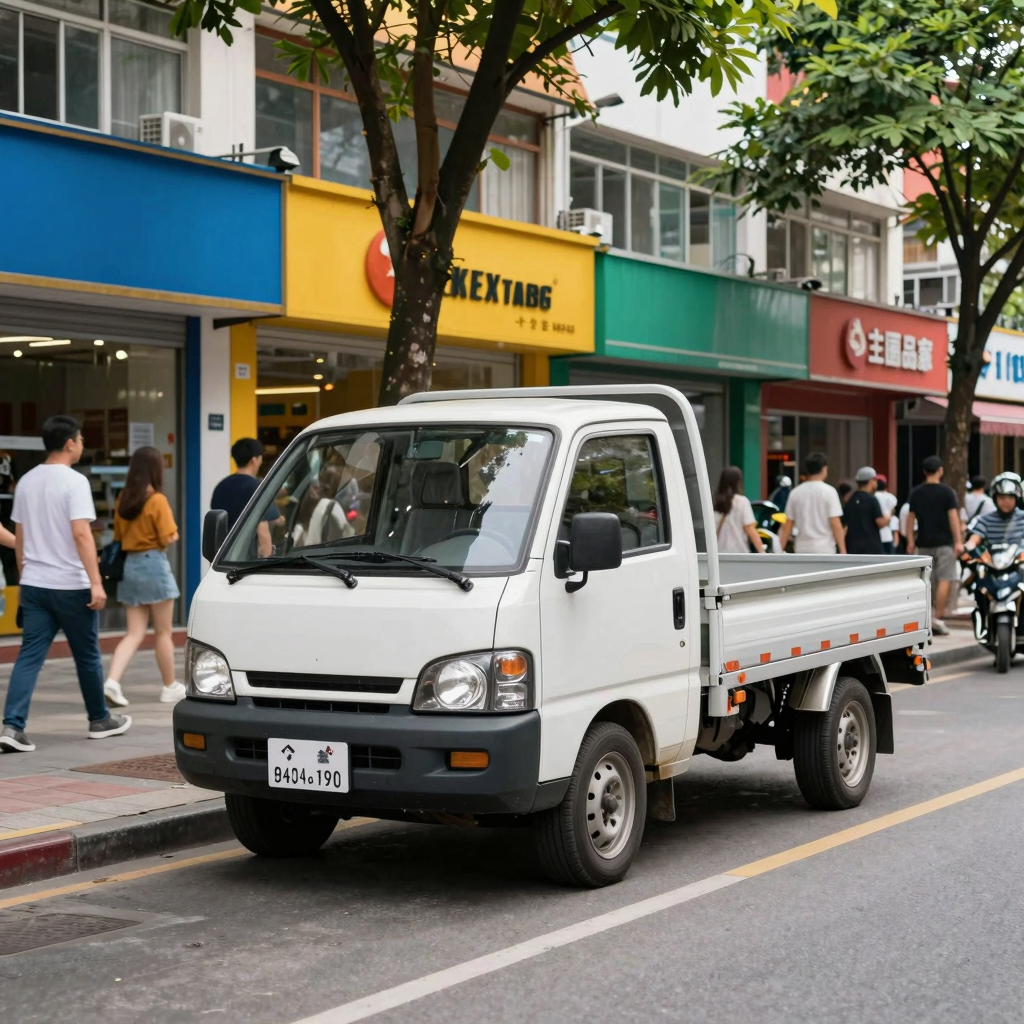
The Benefits of Licensing a Mini Truck
Licensing a mini truck provides a wealth of benefits for small businesses and personal use alike. Here’s how:
Legal Benefits
Having a licensed mini truck ensures compliance with local laws and regulations, which is critical for any business operating on public roads. This compliance not only prevents fines and legal issues but also establishes your business’s credibility. As highlighted by the Wix.com article, mini trucks are particularly advantageous for urban businesses due to their compact size, making them easier to maneuver in crowded areas.
Insurance Options
Mini trucks come with varied insurance options that cater to both personal and business needs. According to a 2026 market analysis from Insurance.com, average annual premiums for these trucks range between $850 and $1,300. Crew cab models typically cost 12-18% more to insure due to their higher liability and repair costs, but this is mitigated by their solid resale value.
Resale Value
The resale value of mini trucks is impressive, especially for well-maintained models. Data from Alibaba.com suggests that mini trucks retain about 55-65% of their original market value after three years, with crew cab models holding up to 70%. This makes them a smart investment for both businesses and individuals.
In summary, licensing a mini truck not only supports business operations but also provides a financial safety net through insurance and resale potential, making them an ideal choice for many.
The Importance of Licensing Mini Trucks
Licensing mini trucks is essential not only for compliance with federal and state regulations but also for ensuring safety on the roads. As Dr. Elena Martinez, Senior Policy Analyst at the National Highway Traffic Safety Administration (NHTSA), emphasizes:
“Licensing mini trucks is critical for public safety and regulatory compliance. Unlicensed vehicles pose significant risks on roads due to inadequate safety standards, improper maintenance, and untrained operators. Proper licensing ensures that drivers meet minimum competency requirements and that vehicles comply with federal safety and emissions regulations.”
This quote illustrates how licensing helps to mitigate risks associated with unqualified drivers and vehicles that don’t meet safety protocols. It’s crucial for mini truck owners and operators to understand the significance of being licensed, which not only protects the public but also helps in maintaining the operational effectiveness of their vehicles.
For those interested in learning more about mini truck regulations or sharing insights on their experiences, feel free to check out our blog section for more articles on these topics. Discover more about mini truck functionalities and features. Additionally, our detailed reviews can help you in choosing the best models suitable for your needs, like the Godzilla Truck Camper and others.
In summary, licensing a mini truck can be a game-changer for small business owners and hobbyists alike. With their cost-effective nature, high fuel efficiency, and ease of maneuverability, mini trucks are designed to meet the diverse needs of both personal and commercial users. They not only help reduce expenses but also support sustainable practices through their efficiency and innovative fuel options, as noted from the U.S. Department of Energy.
Furthermore, understanding the specific licensing requirements in California is crucial for compliance. Mini trucks, which typically have a Gross Vehicle Weight Rating (GVWR) under 10,000 pounds, may not require a Commercial Driver’s License (CDL), significantly simplifying the licensing process for many drivers. For detailed DMV guidelines, check California DMV.
If you haven’t considered adding a mini truck to your operations yet, now is the perfect time to explore the benefits they offer! Embrace the versatility and efficiency of mini trucks to enhance your business and lifestyle.
Ready to Transform Your Mini Truck?
Are you excited about the endless possibilities for your mini truck? Whether you’re looking to license your new ride or enhance its capabilities, now is the perfect time to take action! At Summit Fairings, we specialize in customizing and upgrading mini trucks to meet your unique needs. Our team is dedicated to helping you turn your vehicle into your dream machine, all while ensuring it meets local licensing requirements.
Don’t miss out on the chance to stand out on the road! Explore our blog for tips and inspiration or check out our customization services that can elevate your mini truck to the next level. Act now to get started on your mini truck journey and enjoy the many benefits of a personalized upgrade! Contact us today – your mini truck deserves it!