Imagine cruising around your local neighborhood in a compact mini truck, perfect for errands, small business deliveries, or weekend adventures. Have you ever wondered about the process of registering one of these unique vehicles? Whether you’re a small business owner wanting to enhance your fleet, a residential property owner looking for a versatile transport solution, or a mini truck enthusiast eager to customize your ride, understanding the registration process is essential. In this article, we’ll guide you through everything you need to know about registering a mini truck, including the necessary documents, state-specific rules, and tips for a smooth experience. Get ready to unlock the benefits of owning a mini truck-your ultimate companion for work and play! For more insights, check out the local Ocala mini truck community and learn how mini trucks can change your delivery game forever with our favorite picks from 5 mini trucks that will change your delivery game forever.
Versatile Uses of Mini Trucks for Local Businesses and Hobbyists
Mini trucks, also known as micro trucks or kei trucks, are becoming increasingly popular for their adaptability and utility. Here’s a look at how they can serve various needs:
Uses for Local Small Businesses:
- Delivery Services: Perfect for transporting goods within urban areas due to their compact size.
- Landscaping and Gardening: Easily haul plants, soil, and equipment to job sites.
- Mobile Food Vendors: Mini trucks are ideal for food trucks and caterers, allowing for mobility in small spaces.
- Construction and Maintenance: Lightweight and easy to navigate, these trucks can transport tools and materials to hard-to-reach locations.
- Retail Transport: Small business owners can use them for picking up inventory or supplies.
Uses for Residential Property Owners:
- Moving and Hauling: Great for small moves or transporting bulky items within neighborhoods.
- Tool and Equipment Transport: Perfect for homeowners who need to carry ladders, gardening equipment, or outdoor furniture.
- Home Improvement Projects: Mini trucks can assist with DIY projects by providing easy access to materials.
Uses for Hobbyists:
- Off-Road Adventures: Ideal for customized builds for off-roading or trailing.
- Racing: Mini truck racing communities are growing, providing a fun way to engage with motorsports.
- Vehicle Customization: Hobbyists love modifying mini trucks, allowing them to showcase their personal style and creativity.
Explore how mini trucks can cater to your needs by checking out this guide on mini truck builds and the latest in mini truck racing.
Legal Requirements for Registering a Mini Truck
When it comes to registering a mini truck in the United States, the legal requirements can vary significantly from state to state. Understanding these requirements is essential for local small business owners, residential property owners, and mini truck enthusiasts alike.
Common Registration Requirements
Most states require the following documentation to register a mini truck:
- Certificate of Title: Proof of ownership is crucial, typically obtained from the seller or previous owner.
- Proof of Identification: A valid driver’s license or state ID is needed.
- Application Form: You will need to complete a specific registration application form provided by your state’s Department of Motor Vehicles (DMV).
- Fees: Registration fees can range broadly, often between $25 and $100, depending on the state and type of vehicle.
- Insurance: Proof of insurance is required in many states to complete the registration process.
State-Specific Details
Here are some specifics from a couple of states:
California
In California, mini trucks are categorized as low-speed vehicles. To register:
- Obtain a certificate of title and complete a registration with the California DMV.
- Special license plates may be required, along with adherence to state emissions and safety standards.
- Visit the California DMV for more details.
Texas
Texas also treats mini trucks as low-speed vehicles:
- You need a certificate of title and to register the vehicle with the Texas DMV.
- Similar to California, safety and emissions requirements apply, and some fees may hinge upon the vehicle’s classification and local county regulations.
- Check the Texas DMV for the latest updates.
Inspection Requirements
Regular inspections can also be a part of the process, with many states requiring checks on brakes, tires, lights, and emissions systems to ensure roadworthiness. It’s advisable to check with your local DMV for specific inspection guidelines.
For an extensive list of requirements state-by-state, you might refer to the National Association of Motor Vehicle Manufacturers.
Navigating Mini Truck Registration by State
If you’re looking to register a mini truck, understanding the specific requirements in your state is crucial. Registration requirements can vary significantly, including necessary documents, fees, and potential special considerations. Below is a comprehensive comparison of the registration process in California and Texas-two states with distinct regulations that many mini truck enthusiasts should be aware of.
| State | Required Documents | Registration Fees (Approximate) | Special Considerations |
|---|---|---|---|
| California | – Valid California driver’s license – Proof of insurance (auto liability) – Completed application (REG 220 or REG 221) – Title or lien release if applicable – Odometer disclosure statement (if vehicle is less than 10 years old) |
$40-$80 base fee + county-specific fees (typically $50-$100) Additional fees may apply for emissions testing ($25-$35), smog certification, and registration renewal |
– Must pass DMV smog inspection if vehicle is model year 1976 or newer – Commercial vehicles may require additional commercial registration – Weight-based fees apply for trucks over 6,000 lbs GVWR |
| Texas | – Valid Texas driver’s license – Proof of liability insurance – Vehicle title or lienholder release – Completed application (Form 130-U) – Odometer statement (if under 10 years old) |
$35-$75 base fee + county-specific fees (typically $20-$60) Additional fees for emissions testing in certain counties (e.g., Dallas County: ~$25) |
– Emissions testing required in select metropolitan areas (e.g., Dallas, Houston, San Antonio) – Vehicles with a gross vehicle weight rating (GVWR) over 6,000 lbs may be subject to commercial registration – No state-level emissions test for most light-duty vehicles outside designated zones |
Understanding these requirements can save you time and potential hassles. For more specific guidance tailored to your situation, learn more about California’s mini truck regulations or check out the Texas Department of Transportation’s resources.
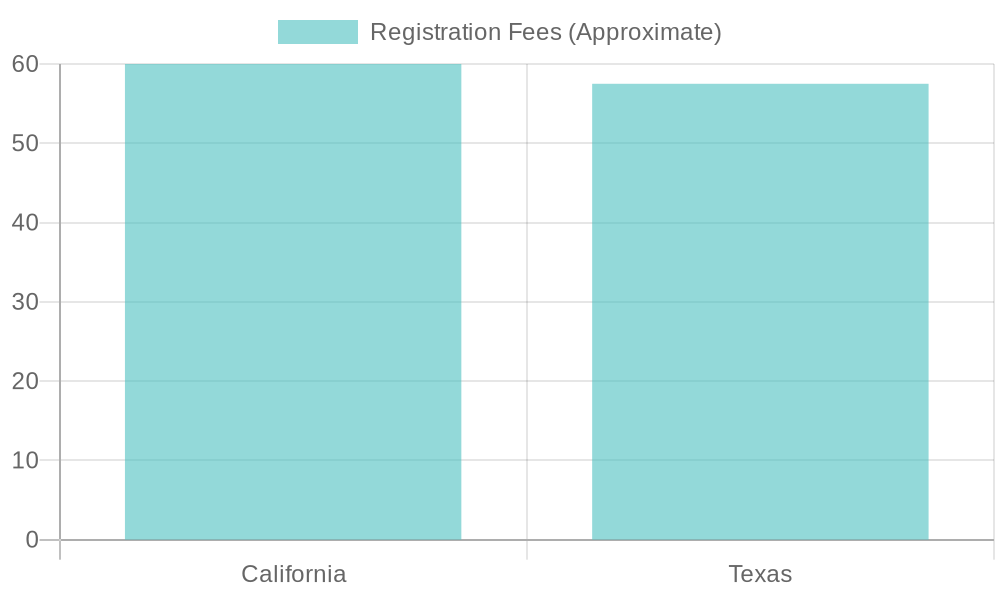
Visual Representation of Registration Fees
To provide a clearer picture, here’s a visual representation comparing the registration fees between California and Texas for mini trucks:
In conclusion, whether you’re a local small business owner, a residential property owner, or just a mini truck enthusiast, knowing your state’s registration requirements is essential. Feel free to reach out through our community page if you have any questions!
User Experiences with Mini Truck Registration
Registering a mini truck can be an exciting yet challenging process, especially for new owners. Many enthusiasts and small business owners face several common hurdles:
- Insufficient Knowledge of State Requirements: Many registrants are unaware of specific state or regional rules for mini trucks, such as emissions standards and size limits. This can lead to delays in processing or even application rejections.
- Gathering Necessary Documentation: Required documents often include proof of ownership, insurance, and emissions compliance. Failing to submit complete documentation can result in application delays.
- Financial Costs: Registration fees, taxes, and costs for safety upgrades can be high, posing budget concerns for small business owners.
- Navigating Local Regulations: Municipalities may have their own restrictions that complicate the registration process further.
Tips for a Smooth Registration Process
- Research Local Requirements: Familiarize yourself with your state’s regulations regarding mini truck registration.
- Prepare Documentation: Gather all necessary documents beforehand to avoid delays. For more details on selecting the right mini truck for your needs, check out our guide.
- Plan for Costs: Be aware of all potential fees associated with registration and upgrades.
Consider joining the Ocala Mini Truck Community for support and advice from other mini truck owners as you navigate the registration process!
The Benefits of Mini Trucks
Owning a mini truck comes with a host of benefits that cater to local businesses, enhance property management, and offer enjoyment for hobbyists. These compact vehicles are not just small in size; they pack a punch in versatility and efficiency.
Supporting Local Businesses
Mini trucks are an excellent asset for local businesses, especially those in the transportation, delivery, and service industries. Their maneuverability allows them to navigate narrow streets and tight spaces that standard trucks may find challenging. This feature can streamline deliveries and logistics, enhancing the overall efficiency of operations. As noted by Truck and Equipment Magazine, mini trucks are cost-effective, requiring less fuel and maintenance, which translates to significant savings for business owners.
Enhancing Property Management
For residential property owners and managers, mini trucks prove invaluable in property upkeep. These vehicles can be utilized for landscaping, maintenance, and garbage removal, making them ideal for handling various property management tasks. Their ability to carry substantial loads despite their size means that managers can transport tools, supplies, and debris without the need for larger, more expensive vehicles.
Fun for Hobbyists
Mini trucks are also perfect for hobbyists who enjoy off-roading or custom vehicle projects. With a range of available aftermarket parts and accessories, enthusiasts can modify their mini trucks for recreational use, making them not only practical but also a source of joy and creativity. Whether it’s outfitting a mini truck for camping trips or customizing it for weekend adventures, the possibilities are virtually endless.
In conclusion, mini trucks serve as a versatile solution for local businesses, enhance property management processes, and offer fun for hobbyists. Their compact nature combined with remarkable utility makes them a wise choice for anyone in need of a reliable and dynamic vehicle.
Can You Register a Mini Truck?
If you’re contemplating the idea of registering a mini truck, you’re in good company! Many small business owners and mini truck enthusiasts find these compact vehicles to be incredibly useful. Mini trucks offer versatility, efficiency, and ease of handling, making them a great choice for various purposes, from deliveries to personal errands.
When registering a mini truck, it is essential to check your local regulations, as they can vary significantly by state or municipality. Most places require proof of ownership, identification, and sometimes even specific modifications to be compliant with road safety standards.
For more insights into the registration process or to explore what types of mini trucks are available, check out our articles on understanding California’s mini truck regulations or buying pre-owned mini trucks.
Here’s a visual representation of a mini truck to get you inspired:
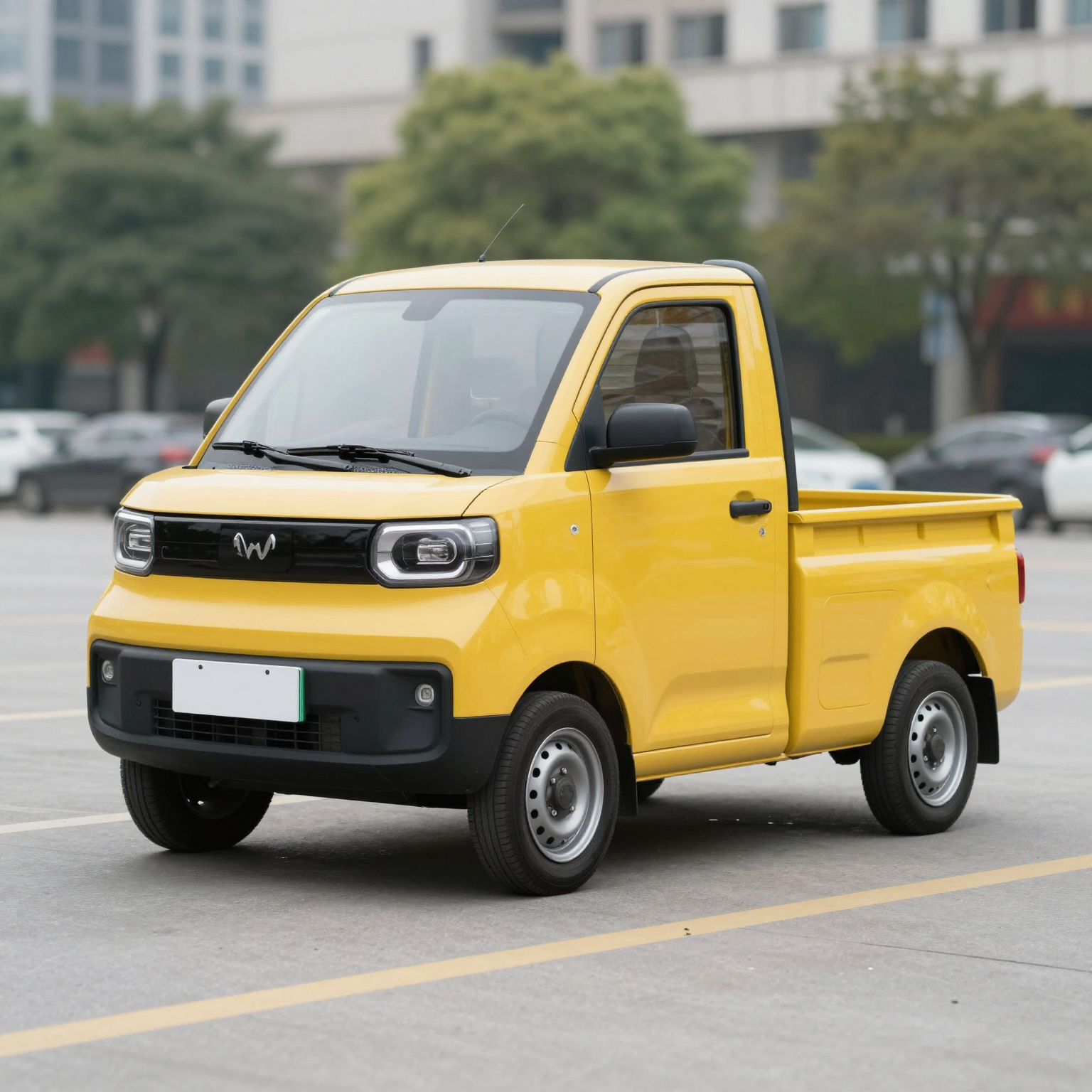
Discover how a mini truck can enhance your mobility and cater to the unique needs of your local community.
Conclusion
In conclusion, registering your mini truck is not just a formality; it’s an essential step for small business owners, hobbyists, and anyone looking to utilize these versatile vehicles for personal or commercial use. Proper registration provides legal recognition, which is crucial for insurance purposes and ensures that you remain compliant with local laws. It also enhances safety, provides tax benefits, and boosts the credibility of your business. When you register your mini truck, you open the door to financing options and vehicle maintenance support that can keep your mini truck running smoothly for years to come. Furthermore, understanding your state’s specific requirements and processes will help you navigate the registration landscape effortlessly.
For those who are passionate about improving their mini trucks, don’t overlook the aesthetic appeal and protection offered by high-quality fairings. Summit Fairings is a premier provider that specializes in custom-designed fairings that enhance the look and functionality of your mini truck. With a range of styles and materials available, you’ll find the perfect match to suit your needs. Why not elevate your vehicle’s appearance while ensuring it’s protected from the elements? You can explore their latest offerings and find the right fit for your specific model.
Whether you’re using your mini truck for work, as a hobby, or to impress at the local meet-up, registration and quality upgrades are essential steps in ensuring you get the most out of your vehicle. Visit Summit Fairings today to explore premium fairings that can radically transform your mini truck and add that perfect touch of personalization!
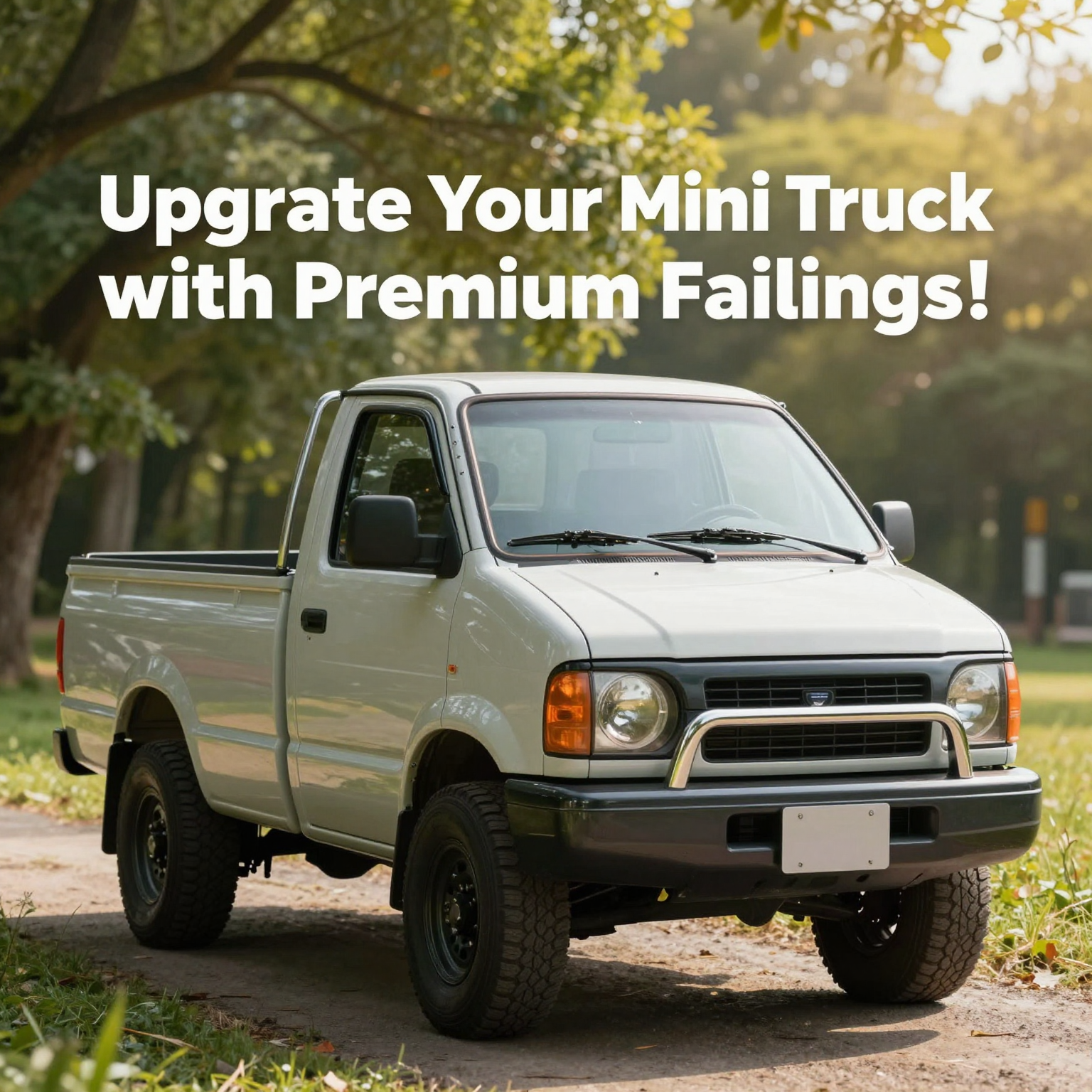
Ready to take your mini truck to the next level? Don’t hesitate any longer!
Mini trucks have gained popularity for various reasons, especially among local small business owners and enthusiasts who appreciate their multifaceted benefits. An expert insight that encapsulates these advantages states:
“Mini trucks offer a unique blend of versatility and affordability that makes them ideal for both personal and commercial use. Their compact size and maneuverability allow for easy navigation in urban areas, making them a smart choice for small businesses looking to optimize their delivery routes.”
This quote emphasizes not only the practicality of mini trucks but also the economic sense they make for small businesses. As noted by industry professionals, mini trucks are great for transporting goods in tight spaces, proving to be a valuable asset for those engaged in delivery services. Moreover, their low maintenance costs enhance their appeal further, especially when budgets are a concern. One of the key advantages highlighted is their ability to thrive in both personal adventures and commercial endeavors.
In this context, mini trucks are not just vehicles; they’re potential game-changers for small enterprises. They provide a versatile solution that can help achieve various transport goals without breaking the bank. For more detailed information on how mini trucks can fit into your business model, check out sections on comparing different mini truck models or our insights about local mini truck communities that share similar interests.
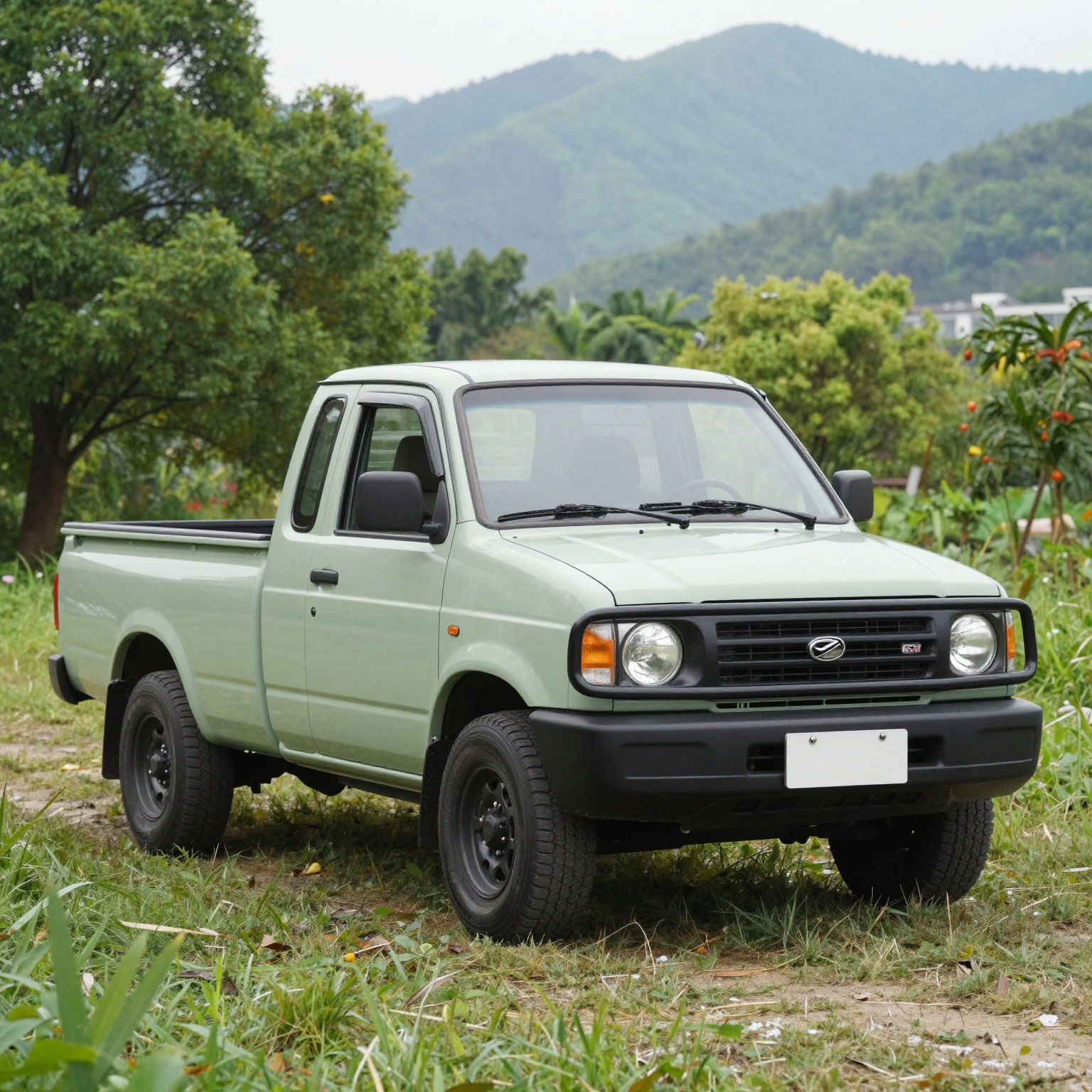
Engaging with the mini truck community can further enhance your experience and knowledge, making it easier to explore all the possibilities these vehicles offer.