
Introduction
If you’re curious about Japanese mini trucks, you’re not alone! These compact, versatile vehicles are gaining traction among small business owners and enthusiasts alike in our local community. With their unique design and practical applications, mini trucks are perfect for everything from deliveries to personal hobbies. The buzz around their effectiveness is hard to ignore, especially as more people consider adding them to their fleets or garages.
As you explore the idea of owning one, you may find yourself wondering about the registration processes involved. Fear not! This guide will unravel the steps necessary to get your Japanese mini truck registered, ensuring you’re ready to hit the road legally and confidently. So, let’s dive in and discover everything you need to know about registering a Japanese mini truck! For more community insights, check out Ocala Mini Truck Community and explore Buying Pre-Owned Mini Trucks as you start this exciting journey!
Benefits of Registering Japanese Mini Trucks
Registering your Japanese mini truck brings a multitude of advantages, especially for small business owners, property owners, and enthusiasts alike. Here’s why you should consider making that step:
1. Legal Driving
One of the primary reasons to register your mini truck is to ensure that you can legally drive it on the roads. Unregistered vehicles can lead to fines, legal penalties, and complications during traffic stops. By registering, you’re complying with local laws, which provides peace of mind every time you hit the road.
2. Insurance Benefits
Insurance companies often require vehicles to be registered before offering coverage. When you register your mini truck, you open the door to various insurance options tailored to your specific needs. Registered vehicles generally qualify for better rates and coverage packages, protecting you against theft, damage, or accidents.
3. Enhanced Resale Value
When it comes time to sell your mini truck, having it registered can significantly enhance its resale value. Buyers tend to prefer vehicles with proper documentation, as it indicates a well-maintained vehicle with a clear history. A registered truck can help you recoup a larger portion of your initial investment, making it a sound financial decision.
4. Access to Financing
For those looking to finance their mini truck purchase, registration is often a key requirement from lenders. Having a registered vehicle not only helps in securing loans but also may lead to more favorable interest rates, making it easier for you to manage payments.
5. Credibility and Trust
Owning a registered vehicle adds credibility to your business. For small business owners, especially, a registered mini truck can serve as a mobile advertisement, showcasing your brand wherever you drive. It builds trust with customers who see that you operate legally and responsibly.
Conclusion
In summary, registering your Japanese mini truck is not just a bureaucratic step; it’s a strategic move that can positively impact your business and personal driving experience. From ensuring legal compliance to enhancing resale value and insurance options, the benefits are clear. If you’re ready to make a smart investment in your mobility, registering your mini truck is a great place to start.
For more insights into the mini truck community and to discover how these vehicles can serve your needs, check out our Ocala mini truck community!
The Registration Process for Japanese Mini Trucks
Registering a Japanese mini truck might seem daunting at first, but don’t worry – we’re here to guide you through each step! Whether you’re a small business owner looking for a reliable workhorse or a mini truck enthusiast, getting your truck on the road is easier than it seems. Here’s how to do it, step-by-step.
Step 1: Gather Your Documentation
Before hitting the registration office, make sure you have all necessary paperwork in hand:
- Bill of Sale: This proves you purchased the truck. Always get a signed copy from the seller.
- Title: The mini truck should have a title indicating you are the new owner.
- VIN (Vehicle Identification Number): Ensure the VIN on the truck matches the title and any documentation.
- Proof of Insurance: You’ll need to show proof of valid insurance for the vehicle.
- Emissions Certification: Depending on your state, you may need to provide proof that your vehicle meets emissions standards.
Step 2: Check Local Regulations
Each state has unique regulations regarding mini trucks. Some classify them as agricultural vehicles, while others recognize them as light trucks. Familiarize yourself with your local DMV (Department of Motor Vehicles) rules to ensure proper registration. State-specific guidelines can often be found on their websites or by calling your local office.
Step 3: Visit Your Local DMV
Once you have gathered all your documents and checked state regulations, it’s time to visit your local DMV. Here’s what to expect:
- Application Form: Fill out the application for vehicle registration. Some DMVs allow electronic submissions.
- Pay Registration Fees: Fees vary by state but generally range from $30 to $100.
- Submit Documents: Hand over your documentation to the DMV clerk. They may ask for additional information, so be prepared.
Step 4: Obtain Your License Plate
After processing your registration, you will receive your license plate. Make sure to attach it securely to your mini truck – driving without a plate is a no-go!
Tips for a Smooth Process
- Schedule an Appointment: If possible, schedule an appointment with your DMV to avoid long wait times.
- Double-Check Documents: Ensuring all your documents are in order before your visit can save you time and hassle.
- Ask Questions: Don’t hesitate to ask the DMV staff for clarification on anything; they’re there to help!
By following these steps, your Japanese mini truck will be registered and ready to hit the road in no time. If you’re still curious about mini truck features or how to effectively utilize them for your business, you can learn more about mini trucks and explore options that cater to your needs.
It seems that I’m unable to find specific registration costs for Japanese mini truck models broken down by state or region. However, I can provide general guidance on how registration costs might vary based on factors like state regulations, vehicle classification, and local taxes.
Here’s a table format that outlines typical components of registration costs by state, even though I can’t provide specific figures:
| State | Registration Fee | Taxes & Additional Fees | Notes |
|---|---|---|---|
| California | Varies | Local Sales Tax | Specific emissions requirements |
| Florida | Varies | County Fees | Additional weight fees may apply |
| Texas | Varies | Local/State Fees | Inspection may be required |
| New York | Varies | Local Fees | EZ Pass discounts may apply |
| Michigan | Varies | Plate Fees | Different for commercial use |
Overview of Registration Costs
- Fees: Registration fees can typically range from $30 to $200 depending on the state.
- Taxes: States may require additional local sales taxes based on the vehicle’s purchase price.
- Inspection: Some states may require a vehicle inspection or emissions testing which can incur additional costs.
This outline serves as a general resource for understanding potential costs involved when registering a mini truck. For the most accurate information, it’s advisable to check with local vehicle registration offices or their websites based on your specific location.
For further reading on mini trucks and their specifications, you can check out this comparison of Kingstar and Kruzr models or explore the Ocala mini truck community.
If you have any specific states in mind, I can try to narrow down the information further.
Frequently Asked Questions About Japanese Mini Truck Registration
1. Can I register a Japanese mini truck in the U.S. or Canada?
Yes, you can register a Japanese mini truck in the U.S. and Canada, but the process can differ based on your state or province. Most jurisdictions require you to have the vehicle inspected for compliance with local regulations. Make sure to check the specific requirements in your area.
2. What documents do I need to register my mini truck?
When registering your mini truck, you will generally need:
- Proof of ownership (bill of sale or import documents)
- Vehicle inspection certificate (if applicable)
- VIN (Vehicle Identification Number) verification
- Insurance documents
- Payment for registration fees
3. Are there any restrictions on using mini trucks on public roads?
Yes, many areas have restrictions on where and how mini trucks can be operated. For instance, some states may only allow mini trucks on specific roads or for limited purposes, like farm use or local deliveries. Always check your local laws to ensure compliance.
4. How long does the registration process take?
The registration process can vary significantly depending on the state or province. Typically, it can take anywhere from a few days to several weeks, especially if inspections or additional paperwork are required. Make sure to apply as soon as possible to avoid delays.
5. Are there additional costs I should be aware of?
In addition to standard registration fees, you may encounter costs for inspections, modifications needed to meet regulations, and insurance. It’s a good idea to budget for these expenses when considering your mini truck purchase.
6. Where can I learn more about the mini truck community?
Connecting with fellow mini truck enthusiasts can be incredibly beneficial! Try checking out the Ocala Mini Truck Community for support, advice, and local events.
7. What should I consider when buying a pre-owned mini truck?
When buying a pre-owned mini truck, it’s essential to check its maintenance history, inspect for any damages, and ensure all paperwork is in order. For more insights, you might want to explore buying pre-owned mini trucks.
By addressing these common questions, we hope to ease your concerns and make the registration process for your Japanese mini truck as smooth as possible. If you have further questions, don’t hesitate to reach out to local vehicle registration authorities or dedicated online communities for support!
When it comes to registering Japanese mini trucks, many owners have delightful experiences that enhance their view of these versatile vehicles. The registration process is often straightforward, allowing users to enjoy their mini trucks for various purposes ranging from business use to recreational adventures.
“Registering my mini truck was a breeze! It took only a few days, and the benefits have been fantastic. Parking in tight spots, fuel efficiency, and the ability to haul my tools for work has genuinely changed my day-to-day activities. I honestly couldn’t imagine going back to a regular truck!” – Mini Truck Owner
Owning a mini truck not only provides practical benefits but also integrates well into our local communities. For more information about mini truck communities and their activities, you can check out Ocala Mini Truck Community and engage with fellow enthusiasts.
In conclusion, if you’re considering a mini truck, the registration is worth it for the myriad of benefits you will ultimately gain!
Enhance Your Mini Truck Experience!
Are you looking to stand out and enhance your mini truck’s performance? Explore Summit Fairings for premium custom-fit fairings that will not only improve your truck’s aesthetics but also its functionality. Custom fairings can streamline your ride, reduce drag, and give it a unique look that truly reflects your personality. Whether you use your mini truck for work or play, investing in high-quality fairings can significantly elevate your driving experience.

Don’t wait to transform your ride-visit Summit Fairings today!

In conclusion, registering Japanese mini trucks offers numerous benefits for local business owners, residential property owners, and mini truck enthusiasts alike. By understanding the registration process, from paperwork to compliance with local regulations, you can enjoy the versatility and utility these compact vehicles provide. Mini trucks are not just a practical choice for small businesses, offering excellent fuel efficiency and maneuverability for city driving, but they also present a unique opportunity for those interested in customizing their rides or utilizing them for outdoor adventures.
Moreover, being part of the mini truck community, like the unique Ocala Mini Truck Community, allows owners to share experiences, tips, and modifications that enhance the functionality of their trucks. Whether you need a reliable transportation option for your business or simply wish to indulge in a new hobby, understanding how to navigate the registration landscape empowers you to maximize the potential of these vehicles. Join the growing trend of mini truck enthusiasts and discover how these versatile vehicles can meet your transportation needs, turning every journey into an adventure!
Timeline for Registering a Mini Truck
Registering a mini truck can seem daunting, but understanding the timeline can help ease the process. Here’s a typical registration timeline outlining the steps involved along with the average time frames for each step:
| Step | Average Time Frame |
|---|---|
| 1) Research and select mini truck | 1 week |
| 2) Purchase and complete paperwork | 1-2 weeks |
| 3) Obtain insurance | 1 week |
| 4) Vehicle inspection | 1 week |
| 5) Submit registration application | 1 week |
| 6) Wait for processing | 2-4 weeks |
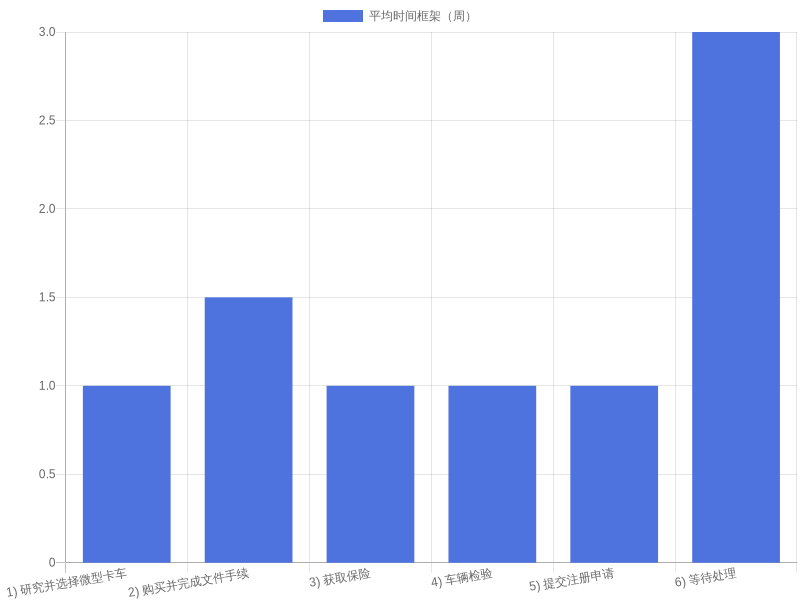
This chart illustrates each step and the average duration you can expect to spend on them. By planning ahead, you’ll be able to navigate this process smoothly and efficiently. If you’re interested in diving deeper into mini trucks, you can learn more about registration requirements.