
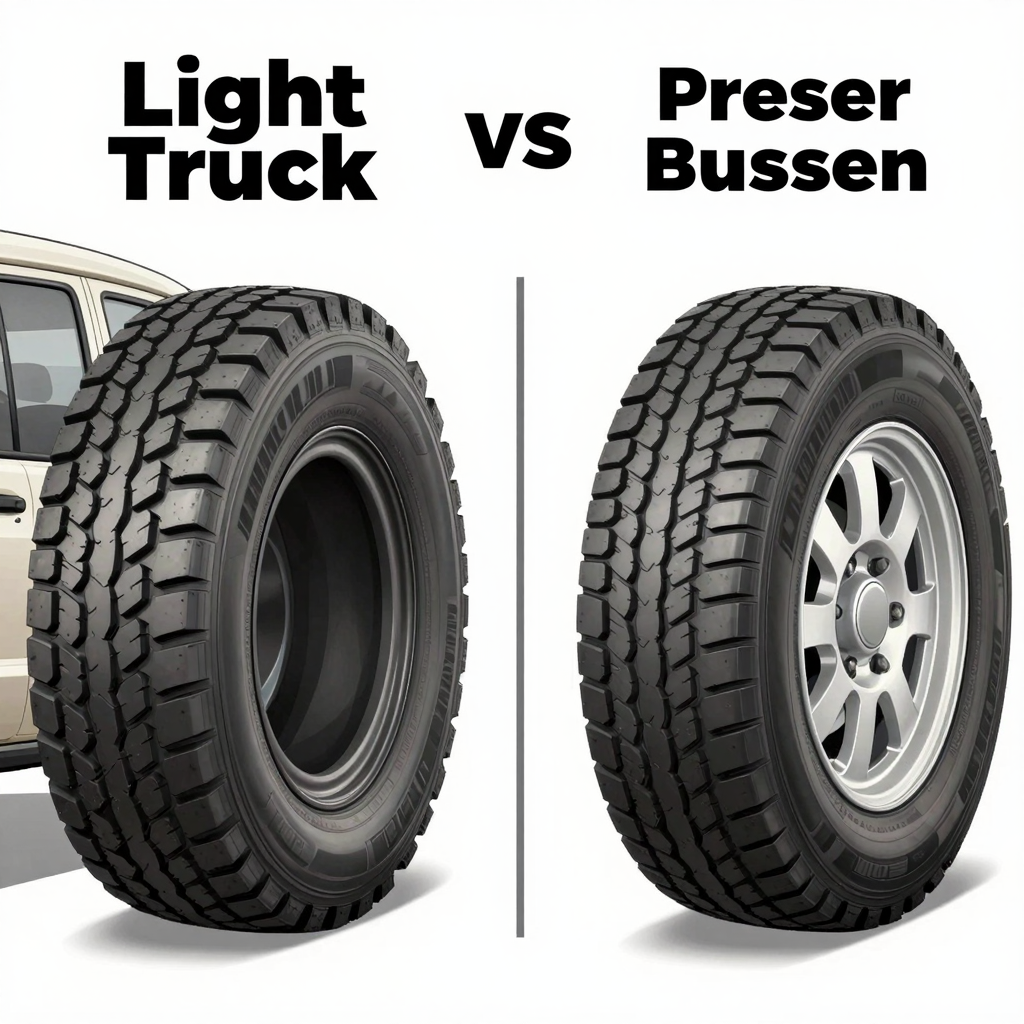
Introduction to Tire Types for Mini Vans
When it comes to driving a mini van, selecting the right type of tire isn’t just a matter of aesthetics – it plays a pivotal role in ensuring safety, comfort, and performance. Whether you’re a local small business owner utilizing your van for deliveries or a mini truck enthusiast who enjoys weekend road trips, knowing the differences between light truck (LT) tires and passenger (P) tires can tremendously impact your daily drive.
Mini vans are often versatile, serving various purposes from transporting goods to ferrying families. Each tire type brings its own set of advantages and disadvantages, making the decision crucial for anyone looking to get the most out of their vehicle. For instance, LT tires offer enhanced durability and load-bearing capacity, which is ideal for those who frequently carry heavy loads. However, if you’re primarily hauling the kids to soccer practice, P tires might be the better choice, delivering a smoother ride and better fuel efficiency.
As we dive into this topic, we’ll explore the traits of these tire types to help you make the best decision based on your specific needs. So buckle up and read on to discover how the right tires can unlock the full potential of your mini van – whether for work or play!
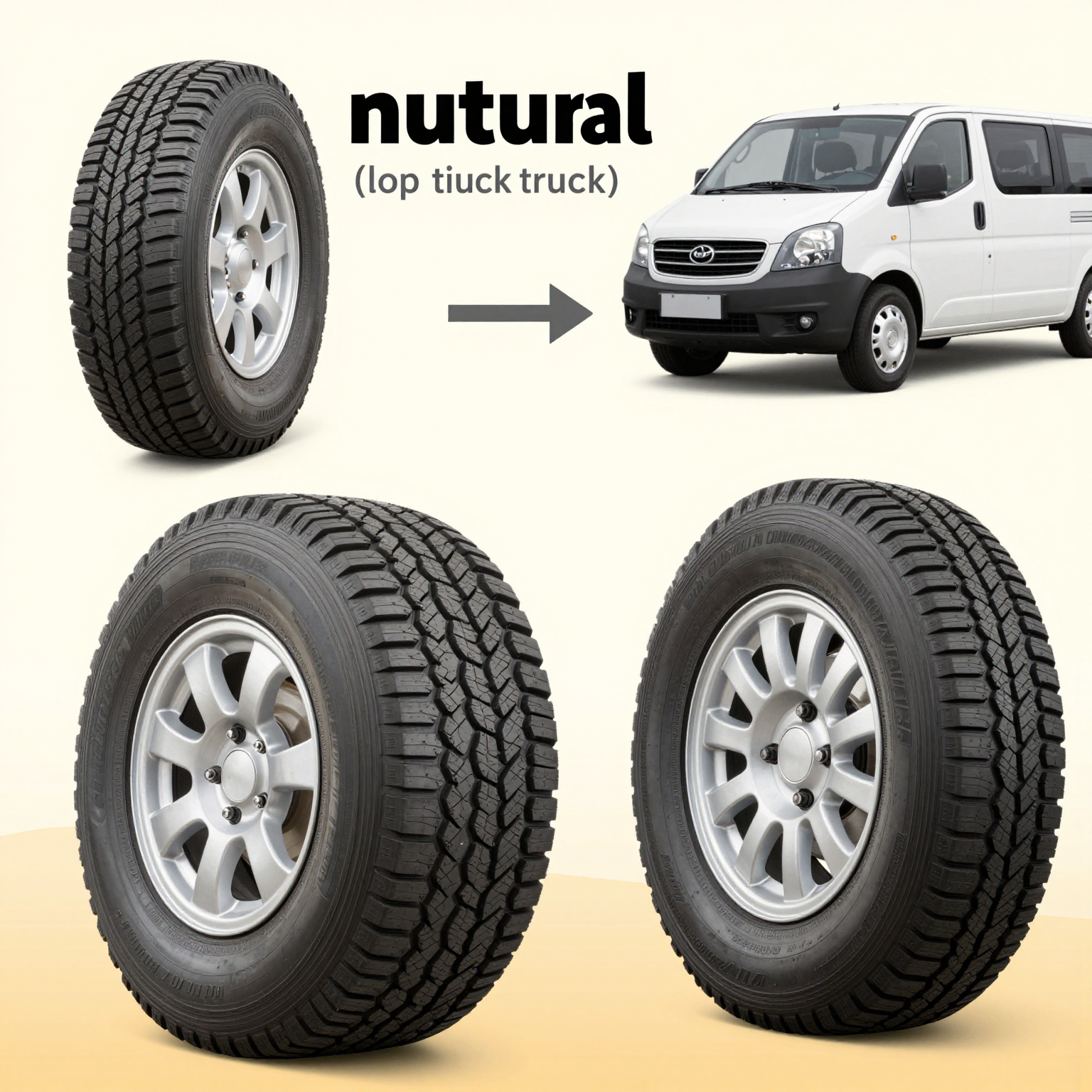
Interested in learning about the best mini trucks for utility? Check out this insightful guide on mini trucks that will change your delivery game forever.
The Difference Between Light Truck (LT) Tires and Passenger (P) Tires
When it comes to tires, understanding the difference between light truck (LT) tires and passenger (P) tires can be a real game changer, especially for those who depend on their vehicles for work or family adventures. Let’s break it down in a friendly, no-nonsense way!
Construction Differences
The construction of LT and P tires is one of the key differences that set them apart:
- LT Tires: Designed to handle more weight and endure tougher conditions, LT tires have stronger materials and a more robust construction. This includes reinforced sidewalls and higher load ratings, making them ideal for carrying heavy loads or towing. They are built to withstand the harsh challenges of off-road driving and rough terrain.
- P Tires: In contrast, P tires are typically lighter and have a more flexible construction. They focus on providing a smoother ride, better fuel efficiency, and quieter operation on paved roads. The tread patterns are designed for better road traction and comfort, making them a great choice for standard everyday driving.
Intended Use
Now, let’s talk about what each type of tire is made for:
- LT Tires: If you’re into heavier vehicles like trucks, vans designed for light hauling, or any vehicle that demands tougher performance, LT tires are your best bet. They can handle loads up to 30% more than P tires and are often recommended for vehicles used in off-road conditions or for heavy-duty applications. Check out this helpful article for more tips.
- P Tires: These tires shine for sedans, coupes, and even minivans. They’re perfect for everyday driving needs, focusing on comfort and efficiency. As research indicates, minivans are usually fitted with P tires to provide a balance between handling and ride comfort, making them ideal for family trips and regular commutes. Want to dive deeper? Read about why minivans typically use passenger tires.
Key Characteristics
Here are some distinct characteristics of LT and P tires:
| Feature | LT Tires | P Tires |
|---|---|---|
| Load Capacity | Higher (up to 30% more) | Lower (standard for passenger vehicles) |
| Construction | Heavier, more robust materials | Lighter, flexible construction |
| Ride Quality | Firmer, less comfortable | Smoother, more comfortable |
| Traction | Good for rough, off-road terrain | Excellent for wet/dry roads |
| Noise Level | Typically louder | Typically quieter |
In essence, while light truck tires are built for durability and heavy-duty applications, passenger tires focus on comfort and efficiency for everyday driving.
Conclusion
For local small business owners or anyone juggling family needs, picking the right tires can make a significant difference in performance and safety. If you’re considering updates for a mini truck or family van, remember: LT tires are meant for heavy-lifting; P tires are perfect for smooth rides. Whether it’s for your daily grind or weekend adventures, understanding these differences will help you hit the road with confidence!
Do Mini Vans Use Light Truck or Passenger Tires?
When it comes to the right tires for mini vans, the choice between light truck (LT) tires and passenger tires can significantly affect performance and safety. Mini vans are unique in their need to balance comfort for passengers with the ability to handle various driving conditions.
A common recommendation is to select tires designed specifically for minivans due to their unique load carrying requirements. For example, AAA highlights that “the best tire for a minivan depends on climate and driving habits,” emphasizing that the right selection can greatly impact stability and safety on the road. They advise against passenger car tires in favor of those rated for ‘LT’ (Light Truck) or ‘ST’ (Special Trailer), especially in regions that experience harsh weather conditions.
“The best tire for a minivan depends on climate and driving habits. Using passenger car tires may compromise stability and safety.” – AAA Insights
Key Considerations for Tire Selection:
- Load Capacity: Minivans often carry heavier loads, so choosing tires rated appropriately for this purpose is crucial.
- Driving Conditions: Depending on whether the driving environment is more urban or rural, and considering seasonal factors, tire choice can vary-such as opting for all-season versus winter-specific tires.
Recommended Tire Options for Mini Vans 2026:
- Michelin Defender T+H: Known for its all-around performance and long tread life (up to 80,000 miles).
- Goodyear Assurance WeatherReady: Offers strong wet traction and a smooth ride, suitable for year-round use.
Choosing the right tires can enhance not just the performance but also the safety of your mini van, ensuring your family or goods travel securely and comfortably. If you’re interested in more insights regarding mini trucks, explore our community resources here.
Comparison of Light Truck and Passenger Tires
When considering tires for your vehicle, it’s essential to understand the differences between Light Truck (LT) tires and Passenger tires. Below is a comparison table summarizing their key characteristics:
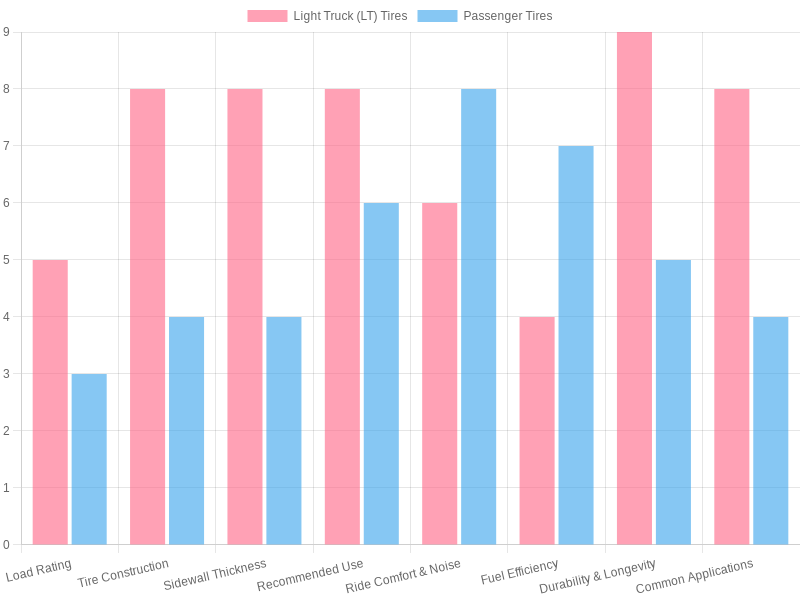
| Characteristic | Light Truck (LT) Tires | Passenger Tires |
|---|---|---|
| Primary Purpose | Designed for light trucks, SUVs, and vehicles with higher load capacity needs. Suitable for heavy-duty use. | Designed for standard passenger cars and light-duty vehicles. Optimized for comfort, fuel efficiency, and everyday driving. |
| Load Rating | Higher load capacity; typically rated for heavier loads (Load range can be D, E, or even F). | Lower load rating; designed for average passenger vehicle weight (typically up to 2000 lbs per tire). |
| Tire Construction | Reinforced sidewalls with additional layers of polyester or steel belts. Increased number of plies (usually 1-2 more than passenger tires). | Standard construction with fewer plies and thinner sidewalls. Less reinforcement for durability under heavy load. |
| Sidewall Thickness | Thicker and stiffer sidewalls to resist damage from impacts and punctures. | Thinner, more flexible sidewalls for improved ride comfort and handling. |
| Tread Design & Compound | Harder tread compound with higher treadwear rating (often 500+ vs. 300-400 for passenger tires). | Softer rubber compound for better grip and quiet ride. Shallower tread patterns optimized for noise reduction and on-road performance. |
| Recommended Use | Ideal for pickup trucks, utility vehicles, SUVs, and vehicles frequently used for hauling or towing. | Best suited for daily commuting, highway driving, and typical city/suburban use. Not recommended for heavy loads or rough terrain. |
| Operating Pressure | Higher recommended inflation pressure: 35-45 PSI (depending on load and model). Must match the vehicle’s specifications. | Lower recommended pressure: 22-30 PSI (standard for most passenger vehicles). |
| Ride Comfort & Noise | Generally harsher ride and higher road noise due to stiff construction and aggressive tread patterns. | Smoother, quieter ride with better vibration damping. |
| Fuel Efficiency | Lower fuel efficiency due to higher rolling resistance from thick treads and reinforced structure. | Better fuel economy due to low rolling resistance and lightweight design. |
| Durability & Longevity | More resistant to cuts, punctures, and impact damage. Longer lifespan under heavy use. | Less durable under extreme conditions; prone to damage when overloaded or driven over rough terrain. |
| Common Applications | Used on models such as Ford F-150, Chevrolet Silverado, and Toyota Tacoma. | Commonly found on vehicles like Honda Accord and Toyota Camry. |
For more information on tire specifications, you can learn more here. And if you’re considering various truck options, check out our rugged truck reviews.
Tire Recommendations for Minivans: A Guide for Small Business and Homeowners
Minivans are a popular choice for both small business owners and residential property owners due to their spacious interiors and versatility. Choosing the right tires is crucial for ensuring safety, comfort, longevity, and performance, particularly for those who transport families, employees, or goods. Here, we explore some top tire recommendations for minivans, showcasing brands and models recommended for their durability and all-season performance.
1. Michelin Defender T+2
- Tread Life: Up to 80,000 miles
- Key Features: Known for exceptional tread life, the Defender T+2 delivers reliable all-season performance and a quiet ride. This tire is designed for families prioritizing safety and long-term value. It’s often available through a network of authorized independent installers, supporting small business operations.
- Price Range: Approximately $750 – $950
- Learn more about Michelin tires here.
2. Bridgestone Alenza Sport
- Tread Life: Roughly 70,000 miles
- Key Features: Offers excellent handling, low road noise, and strong wet traction. This tire is a popular choice among small business owners who appreciate that it’s available at both national chains and local auto shops.
- Price Range: Approximately $600 – $800
- Discover more about Bridgestone tires.
3. Fullway HP108
- Tread Life: Not specified, but designed for performance
- Key Features: A high-performance all-season tire engineered for passenger vehicles and SUVs, including minivans. Provides enhanced controllability and comfort, with competitive pricing making it accessible for local business owners.
- Price: About $236.93 for a set (205/55R16)
- Explore Fullway HP108 options.
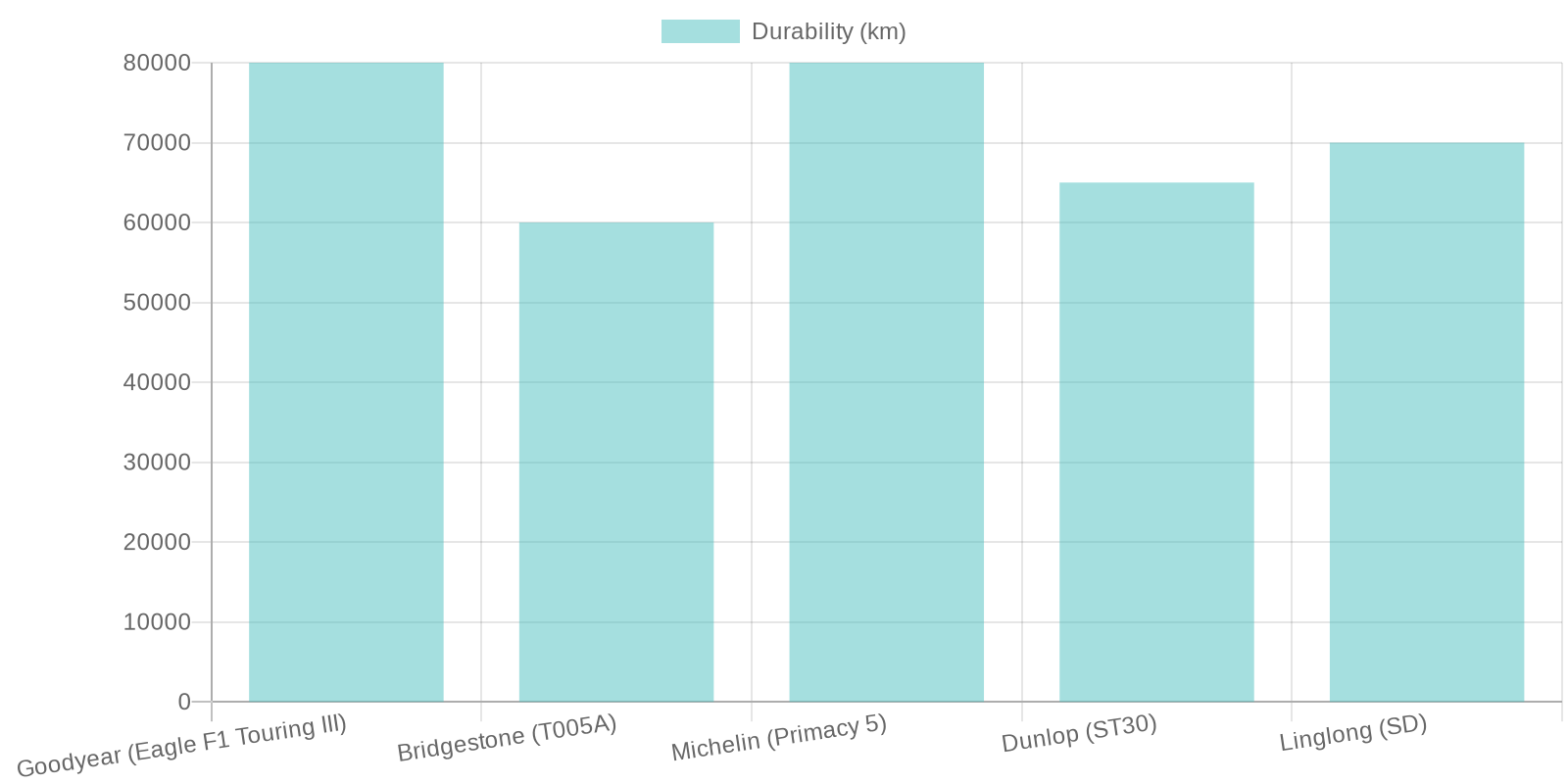
4. Dunlop ST30
- Tread Life: Approximately 65,000 miles
- Key Features: Designed for classic models such as the Honda CR-V, this tire provides notable performance settings for minivans. It emphasizes balanced handling, making it a smart choice for varied driving conditions.
- Price Range: Approximately $500 – $700
5. Linglong SD
- Tread Life: About 70,000 miles
- Key Features: Features a four-channel tread design to improve stability and handling. Its competitive pricing makes it a cost-effective option for families and small businesses alike.
- Price Range: Approximately $330 – $400
Tire Durability Comparison Chart
| Brand | Model | Key Features | Durability (miles) | Price (USD) | Source |
|---|---|---|---|---|---|
| Goodyear | Eagle F1 Touring III | Quiet ride, great handling, wet road performance | 80,000 | 750 – 950 | source |
| Bridgestone | T005A | Robust grip, exceptional handling, safety | 60,000 | 600 – 800 | source |
| Michelin | Primacy 5 | Long life tread, smooth ride, reliable on wet roads | 80,000 | 640 – 750 | source |
| Dunlop | ST30 | Stable grip, classic design for minivans | 65,000 | 500 – 700 | source |
| Linglong | SD | Increased handling and reliability | 70,000 | 330 – 400 | source |
Choosing tires for your minivan depends on your specific needs, from handling in diverse weather conditions to the comfort level during long drives with passengers. Whether you’re a small business owner making deliveries or a family heading out for a road trip, investing in the right tires can enhance both safety and efficiency in your travel.
For further reading about maintenance and care for your minivan, check out our article on essential mini truck maintenance tips.
Selecting the right tire for your mini van is not just about style; it’s about safety, handling, and cost-effectiveness. Let’s break down these benefits in a friendly, relatable way that will resonate with local small business owners, homeowners, and mini truck enthusiasts alike!
1. Safety First!
Imagine you’re driving your mini van with your family on a rainy day. The right tires will ensure that you have excellent traction, reducing the risk of hydroplaning. Tires designed for wet conditions can channel water away and maintain grip, keeping you and your loved ones safe on the road. For example, all-season or specific wet-weather tires are excellent choices for ensuring safety. According to experts from Car and Driver, matching the original tire specifications significantly bolsters your mini van’s safety.
2. Enhanced Handling
What’s better than a smooth drive? Choosing tires that provide superior handling can transform your mini van experience. Tires designed for your vehicle’s weight and intended use will perform beautifully, whether you’re navigating city streets or steering through a tight corner. As highlighted by resources like Consumer Reports, tires with a high load index and speed rating ensure that your vehicle remains stable under varying loads, making every journey a breeze.
3. Cost-Effectiveness
Let’s face it-running a business or managing a household can get expensive. Selecting the right tires can actually save you money in the long run. Efficient tires not only help in reducing fuel consumption but also extend their lifespan due to better wear resistance. By choosing well-made, quality tires, you can avoid frequent replacements and costly repairs. As MotorTrend points out, cost-efficient tires provide both longevity and reliability.
4. Fuel Efficiency
Did you know that the correct tires can actually improve your gas mileage? Tires with low rolling resistance, specifically designed for your mini van, can make a significant difference in fuel consumption. This means more trips to your favorite delivery spots without constantly worrying about your fuel budget! According to recent findings, opting for energy-efficient tires can yield savings at the pump, which is a win-win for both your wallet and the environment.
5. Customized Comfort
Comfort is another critical aspect, especially if you’re using your mini van for family outings or community services. A tire that minimizes road noise while providing a comfortable ride can enhance your driving experience, making hours on the road enjoyable instead of tiresome. Look for tires with noise-reducing technology, ensuring quiet rides for everyone on board.
Key Factors to Consider:
To visually summarize the essential aspects to weigh when choosing tires for mini vans, here’s a pie chart illustrating the key factors:
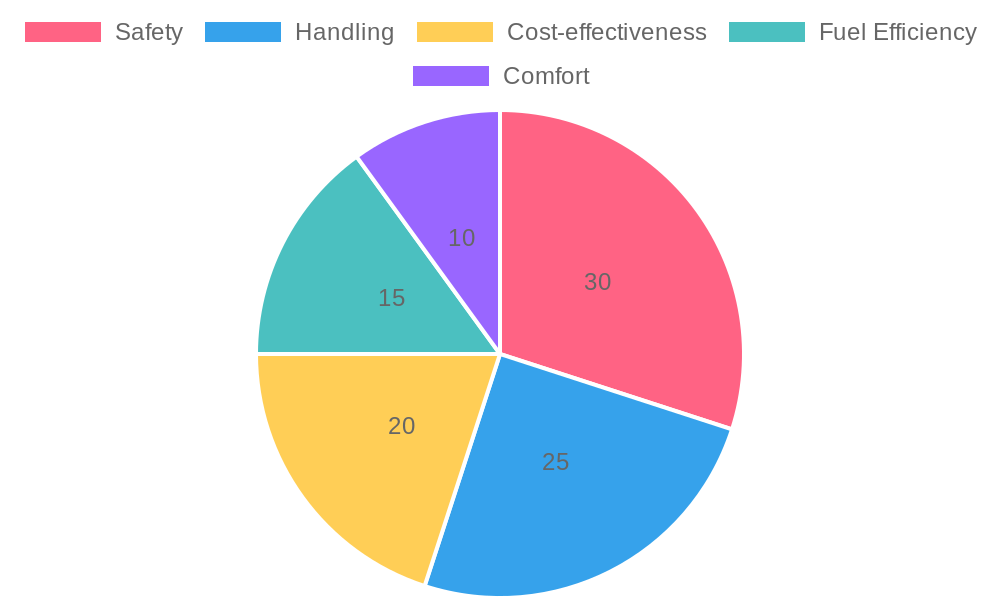
- Safety: 30%
- Handling: 25%
- Cost-effectiveness: 20%
- Fuel Efficiency: 15%
- Comfort: 10%
In conclusion, taking the time to select the right tire for your mini van will not only enhance your driving experience but also ensure safety, improved handling, cost efficiency, and comfort. Whether you’re commuting, running errands, or heading out for family adventures, the right tires are your steadfast companions on the road.
If you want to explore further into tire options, check out our guide on buying pre-owned mini trucks.
Tips for Mini Van Tire Maintenance
Maintaining your mini van tires is crucial for safety, fuel efficiency, and longevity. Following these practical tips will help ensure your tires are in top condition:
-
Check Tire Pressure Regularly: Ensure your tires are inflated to the recommended pressure, which is typically between 32-35 psi for minivans. Use a reliable gauge and check at least once a month or before long trips.
-
Rotate Your Tires: Rotate your tires every 5,000 to 7,500 miles. This helps promote even wear across all tires, extending their lifespan and improving vehicle handling.
-
Inspect Tread Depth: Regularly check the tread depth of your tires. A minimum of 4/32 inch is recommended. Worn tires can lead to poor traction and increased stopping distances, especially in wet conditions.
-
Look for Damage: Inspect your tires for any signs of damage, such as bulges, cracks, or embedded objects. These can compromise tire integrity and safety. If you notice any issues, consult a professional.
-
Monitor Wear Patterns: Pay attention to how your tires wear. Uneven wear may indicate misalignment, imbalance, or other mechanical issues that should be addressed immediately.
-
Avoid Overloading: Minivans can carry a considerable load, but ensure you’re not exceeding your vehicle’s load rating. Overloading can stress your tires and lead to blowouts.
-
Watch for Temperature Changes: Temperature fluctuations can significantly impact tire pressure. Adjust your tire inflation accordingly, especially when the weather changes suddenly.
-
Use Seasonally Appropriate Tires: Consider using winter tires for snowy conditions and switching back to summer or all-season tires during warmer months. This maximizes traction and safety throughout the year.
-
Schedule Regular Inspections: Have your tires professionally inspected at least twice a year. Technicians can measure tread depth, check alignment, and identify issues that you might miss.
Following these simple yet effective tips will help keep your mini van tires in excellent condition, enhancing both safety and performance. For more detailed information about mini truck maintenance, check out our essential mini truck maintenance tips.
Conclusion
In this article, we’ve explored the crucial considerations surrounding tire choices for minivans and the impact these decisions have on safety, performance, and efficiency. Making informed decisions about which tires to use can significantly influence your safety on the road, specifically when transporting family and goods. It’s essential to select tires that are specially designed for the unique demands of minivans, as they must support heavier loads while ensuring reliable handling and braking under various conditions.
Utilizing the correct type of tires, such as those with robust tread patterns suited for wet or uneven surfaces, can enhance traction and improve stopping capabilities-a necessity for minimizing accidents. The National Highway Traffic Safety Administration emphasizes that using unsuitable tires leads not only to inefficiencies but also increases the risk of tire blowouts and handling imbalances, which can jeopardize the safety of passengers and drivers alike.
By ensuring you equip your minivan with appropriate tires, you can rest assured knowing that you provide your passengers with the safest travel experience possible. Keeping up with maintenance and regularly checking for wear and tear can extend the life of your tires while improving your vehicle’s overall performance.
As you focus on your minivan’s needs, don’t forget about the importance of quality, durability, and performance when it comes to adding accessories or enhancements. Consider leaning towards trustworthy brands like Summit Fairings, which are known for their commitment to delivering quality products that enhance your driving experience while complementing the functionality of your vehicle.
In conclusion, don’t compromise on tire selection-make the informed choice today. Trust in products that prioritize your safety and comfort on the road. Visit Summit Fairings to find the right accessories that can elevate your minivan to new heights of performance and safety.

Comparing Tire Performance for Mini Vans: Light Truck vs. Passenger Tires
When it comes to equipping your mini van, choosing the right tires can make a significant difference in performance. Here’s a visual representation based on key performance metrics like longevity, traction, and handling.
Tire Performance Metrics
The chart below highlights the differences between light truck tires and passenger tires specifically designed for mini vans:
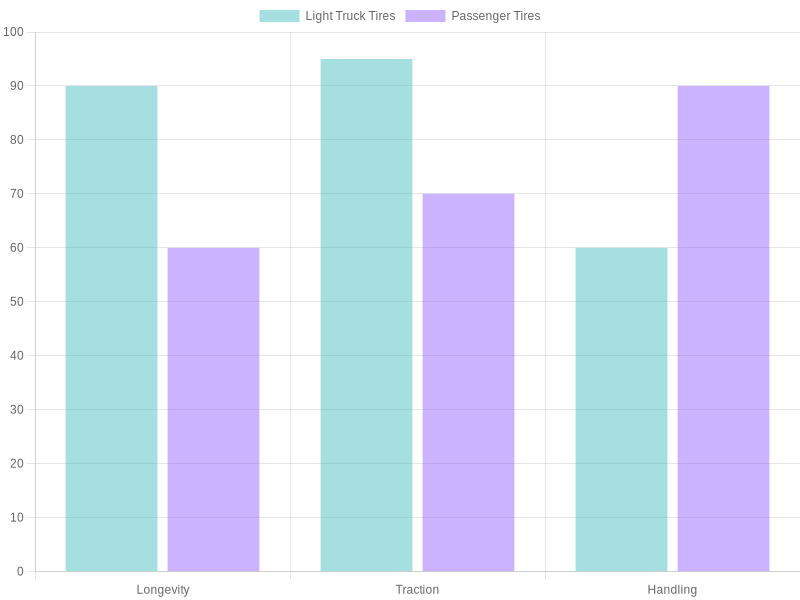
Comparison of longevity, traction, and handling between Light Truck and Passenger Tires.
Key Insights:
- Longevity: Light truck tires generally last longer, with an average lifespan of 80,000-100,000 miles, making them ideal for frequent use. Passenger tires, while comfortable, typically last around 50,000-70,000 miles.
- Traction: Light truck tires excel in traction under heavy loads due to their stiffer sidewalls and deeper tread patterns. Passenger tires offer adequate traction but may struggle in more challenging conditions.
- Handling: While light truck tires can be less responsive due to their design for durability, passenger tires provide a smoother ride with better steering response.
Depending on your needs, this chart can help you make an informed decision. For family trips or daily commuting, passenger tires may be best, while light truck tires suit more demanding applications like hauling or towing.
For a more in-depth look at tire specifications and features, you can learn more or check out our mini truck community for tips and discussions.