
Introduction
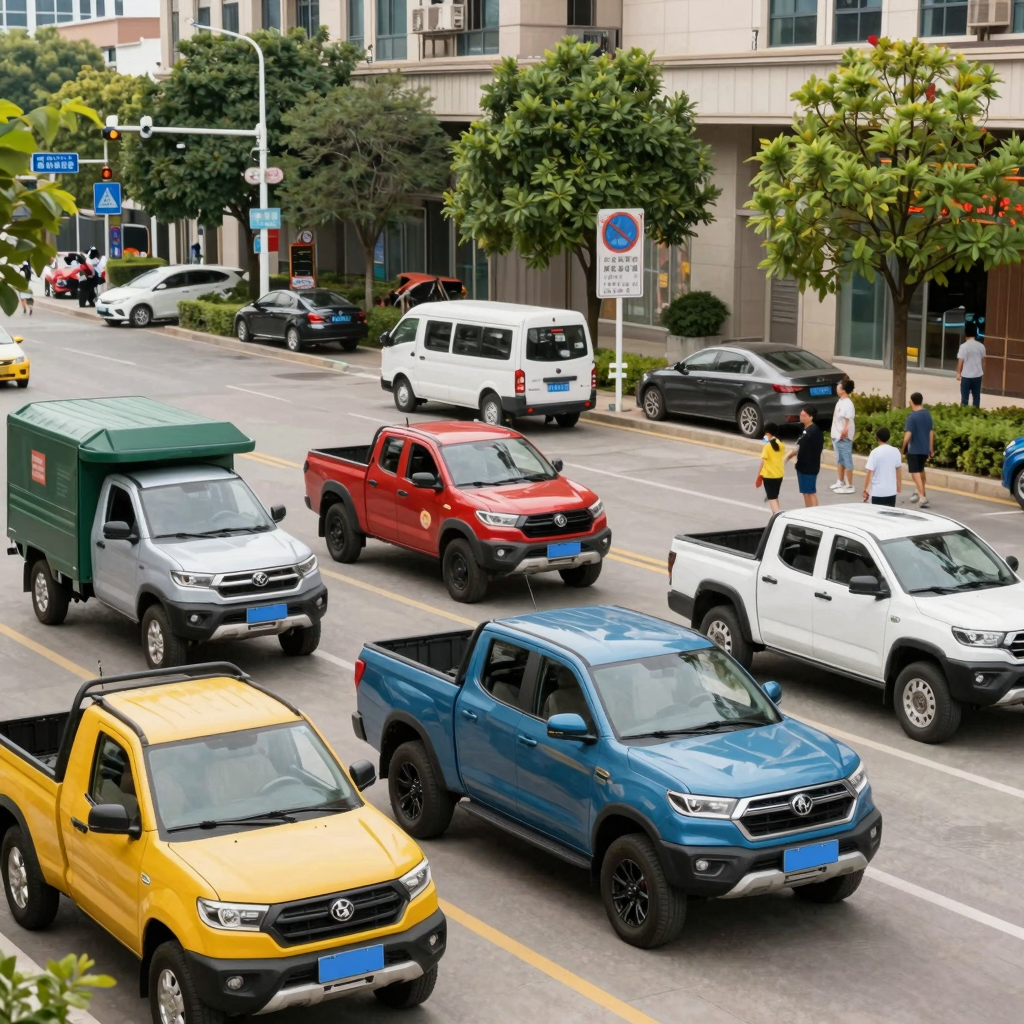
In recent years, mini trucks have surged in popularity, catching the eyes of small business owners and enthusiasts alike. These compact, versatile vehicles are perfect for meeting a range of needs, from delivering goods to outdoor adventures. The allure of new mini trucks lies not just in their size, but also in their capability, adaptability, and fuel efficiency, making them a smart choice for local businesses looking to optimize their operations. As mini truck enthusiasts share their experiences and modifications, a growing community fosters excitement for these vehicles. Whether you’re considering a mini truck for commercial purposes or simply seeking a fun vehicle for weekend escapades, there’s no denying that the market for mini trucks is evolving rapidly. Join the movement and discover why more residents are embracing these small powerhouses for work and play-as an essential part of the modern driving experience. For more insight into the community and its offerings, be sure to check out the Ocala mini truck community, where you can meet fellow fans.
Benefits of Mini Trucks for Small Business Owners and Residential Property Owners
Mini trucks have become increasingly popular among small business owners and residential property owners, thanks to their myriad benefits. Here’s why investing in a mini truck might be the right choice for you:
-
Cost-Effective: Mini trucks typically come with lower purchase prices compared to larger vehicles, making them a budget-friendly option for small businesses. This initial savings can significantly reduce overhead costs and contribute to better financial management.
-
Fuel Efficiency: With their compact size, mini trucks are designed to consume less fuel, translating to lower operational costs. As highlighted by a recent article, this efficiency is invaluable for businesses looking to maximize profit margins.
-
Versatility: Mini trucks are built for both urban and rural environments, making them suitable for a range of applications, from delivery services to residential property maintenance. They can easily adapt to a variety of tasks, offering excellent utility.
-
Ease of Navigation: Thanks to their smaller dimensions, mini trucks have an advantage in urban areas where parking and maneuverability are challenging. This facilitates last-mile deliveries and allows for quick and easy access in tight spaces.
-
Sustainability: Many mini trucks now come in electric or hybrid models, supporting environmentally friendly operations. This can enhance your business’s reputation and appeal to eco-conscious customers.
-
Community Engagement: Owning a mini truck can foster connections within your local community. Many small businesses utilize them for community events or deliveries, enhancing their visibility and customer relationships.
For further insights into mini trucks, check out our detailed review of the FMS 1-10 FCX10 Range Rover.
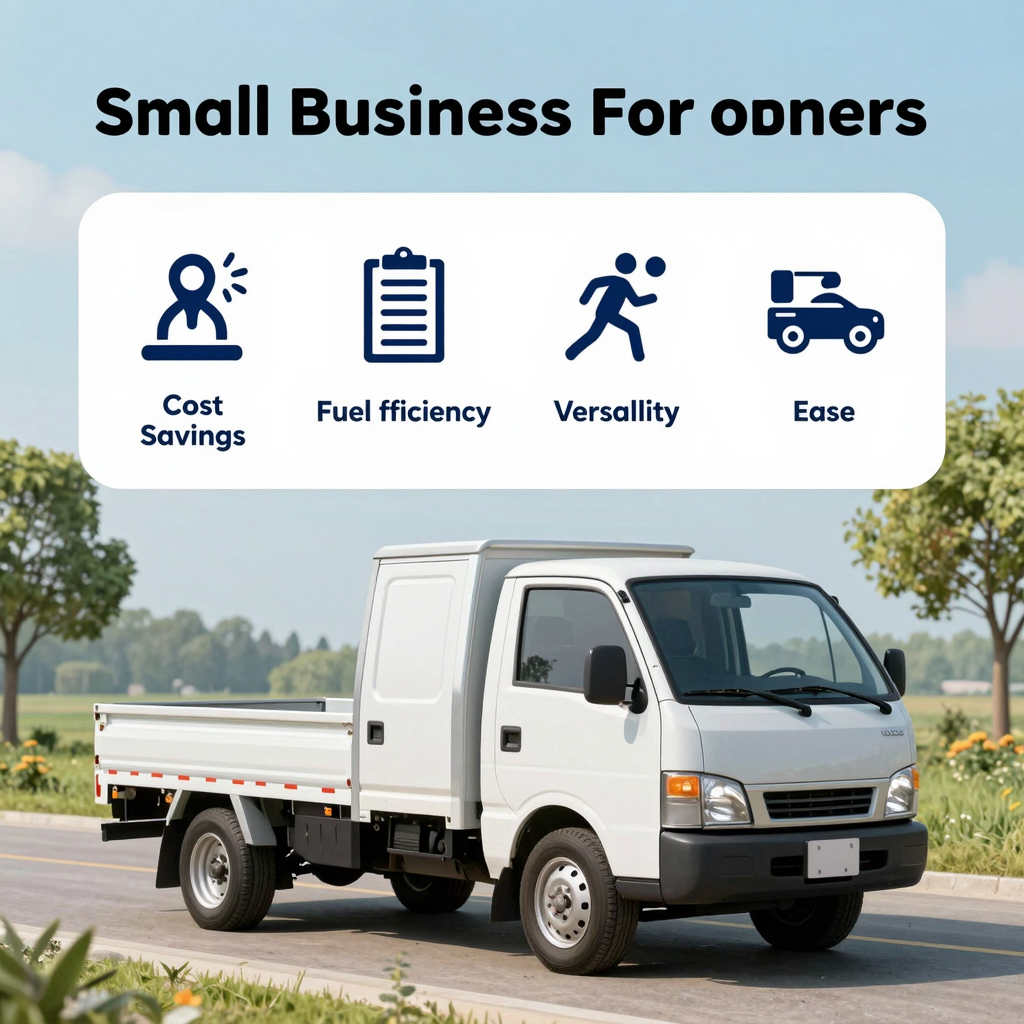
In summary, with their cost savings, fuel efficiency, and versatility, mini trucks are a smart investment for small business owners and residential property owners alike. They not only meet practical needs but also enhance community engagement.
The History of Mini Trucks
Mini trucks, often referred to as Kei trucks in Japan, have undergone a fascinating evolution since their inception. The journey began in the late 1950s when the original Mini, a compact car designed by Alec Issigonis, made waves in the automotive industry with its functional design. Although not a mini truck, it set the stage for the rise of practical and efficient vehicles that would cater to urban environments.
The Birth of Kei Trucks
In the early 1960s, Japan’s government introduced the Kei car segment, emphasizing economy and fuel efficiency. This innovation led to the birth of mini trucks, which were tailored for commercial use. These vehicles became integral to Japanese society, offering a versatile solution for small businesses and farmers. Their compact size not only made them ideal for narrow streets but also affordable in terms of both purchase and operation, making them a popular choice among small business owners and rural dwellers.
Cultural Significance
Mini trucks have transcended their practical origins to become cultural icons in various regions. In Japan, they are emblematic of the “Kei culture,” representing a lifestyle significantly intertwined with community needs and local economic activities. They’ve become symbols of entrepreneurship, often seen contributing to the logistics of food vendors, local delivery services, and trade markets. Their adaptability also shines through in various modifications, reflecting a culture steeped in creativity and customization.
In many developing countries, mini trucks represent economic opportunity. They are pivotal in community settings, where residents utilize them for transporting goods, helping local markets thrive. Unique arrangements such as the trike-mini truck combination in South Asia exemplify how these vehicles evolve to meet diverse local requirements, blending practicality with cultural identity.
Modern Popularity and Future Trends
Fast forward to today, mini trucks maintain a strong hold in local markets worldwide. The rise of e-commerce and delivery demand boosts their appeal, particularly among small businesses needing efficient delivery solutions. As urban areas continue to expand and evolve, the popularity of mini trucks is further solidified by their versatility and cost-effective nature.
Recent advancements in sustainability have also shaped the market, with manufacturers exploring electric mini truck options to meet eco-friendly regulations and preferences. This evolution not only aligns with consumer demands but also marks a critical shift toward a greener future in transportation.
For more insights on how to leverage mini trucks for your business, check out our guide on buying pre-owned mini trucks. Check out the Ocala Mini Truck Community for connecting with fellow enthusiasts!
Comparison of 2023 Mini Truck Models
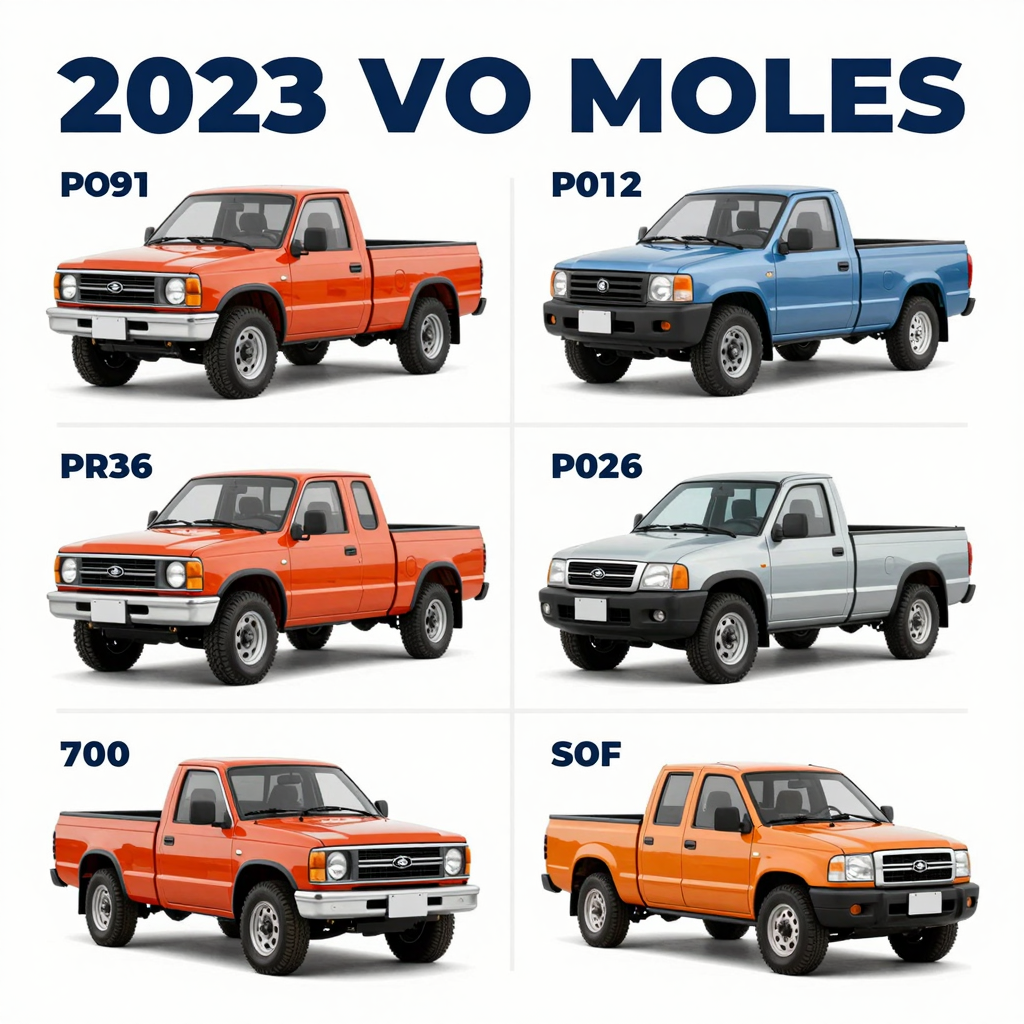
For local small business owners and enthusiasts looking for the perfect mini truck, here’s a comparison table of various 2023 mini truck models based on specifications, price, and features. Whether you need a reliable vehicle for urban logistics or a versatile option for outdoor adventures, this table can help you make an informed choice.
| Mini Truck Model | Engine Type | Price Range | Max Payload | Features |
|---|---|---|---|---|
| DFSK C31/C32 | 1499cc Gasoline | $5,985 – $6,450 | 1 ton | Available in flatbed and van styles; ideal for city logistics. |
| Changan Kyc | 90HP Gasoline | $5,500 – $7,000 | 1,000-1,500 kg | 4×2 design; suitable for various transport scenarios. |
| Suzuki Carry | 1.5L Gasoline | $10,000 – $12,000 | 1 ton | Known for durability; excellent for local deliveries. |
| Mitsubishi Minicab | 660cc Gasoline | $8,500 – $10,500 | 1 ton | Compact and efficient; great for urban areas. |
| Toyota Hilux Mini | 2.4L Diesel | $25,000 – $28,000 | 1,100 kg | Off-road capabilities; excellent for outdoor adventures. |
Exploring Trends in New Mini Trucks Production
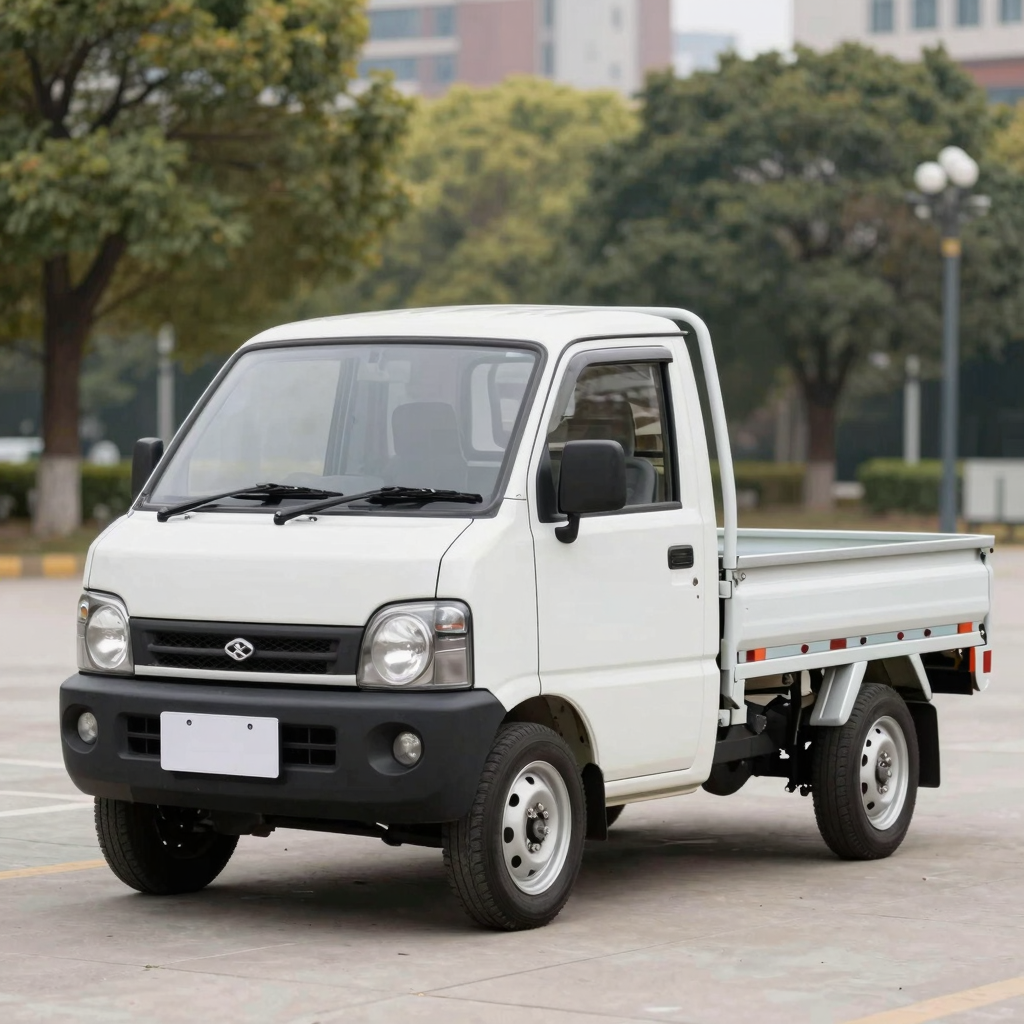
If you’re a small business owner, residential property owner, or a mini truck enthusiast, you might be wondering about the latest trends in new mini truck production. In 2023, the mini truck segment has become increasingly relevant due to rising demand for nimble and efficient vehicles.
Market Growth
According to a recent report, the global mini truck market is expected to experience a compound annual growth rate (CAGR) of 5.80% from 2023 to 2030. This growth is fueled by factors such as urban logistics demands, which continue to increase. The agriculture and small-scale industries are also increasingly relying on mini trucks due to their suitability for short-distance transport in rural areas and construction sites (Grand View Research).
Manufacturer Innovations
Many manufacturers are focusing on electric mini trucks, reflecting a growing trend toward sustainable transport solutions. For instance, the Cenntro LS210, a fully electric mini truck boasting a 41.85 kWh battery, has gained attention for its long range of 275 kilometers and a top speed of 100 km/h. Its popularity illustrates the industry’s pivot towards zero-emission models (source).
Japan’s Daihatsu and Suzuki are also ramping up their electric offerings, noting an increase in consumer demand for environmentally friendly vehicles. Models like the Daihatsu Hijet Electric are designed for light cargo and urban settings, combining versatility with lower operational costs.
Popular Models
As for which models are gaining traction, the Beiqi Lechi Mini Truck has emerged as a frontrunner in the electric mini truck category. Released in March 2023, it is designed specifically for urban deliveries and features a compact size, reasonable range, and competitive pricing. The vehicle’s low operational costs have made it particularly favorable among businesses focusing on last-mile delivery (Beiqi).
Consumer Preferences
Consumer preferences in 2023 show a clear inclination towards vehicles that offer a balance of utility and cost efficiency. Buyers are increasingly interested in models that support ad-hoc business needs while providing good fuel economy and low maintenance costs. The rise of e-commerce has further amplified the demand for compact delivery vehicles capable of navigating urban environments efficiently. The emergence of modular vehicles, designed for easy customization, is a significant trend to note.
Conclusion
In summary, new mini trucks are not only adapting to consumer preferences but are also at the forefront of innovation in sustainability with electric options gaining significant attention. With numerous manufacturers investing in this segment, the future looks bright for mini trucks as they continue to evolve to meet the needs of various industries. For more insights, check our coverage on electric mini trucks and the Ocala Mini Truck Community.
How Mini Trucks Benefit Small Businesses
For local small businesses, mini trucks can be a game-changer. With their compact size and efficiency, these vehicles serve as valuable tools that not only enhance daily operations but also help in cutting costs. Let’s dive into the practical applications of mini trucks and how they can dramatically improve a business’s operational efficiency.
Enhanced Efficiency for Urban Deliveries
One of the most significant advantages of mini trucks is their ability to navigate through urban environments. Their smaller size allows them to maneuver easily through narrow streets and tight parking spots that larger trucks cannot access. As a result, delivery times are considerably reduced. For example, a thriving café might use a mini truck to deliver fresh ingredients to its location, minimizing the time spent in traffic and maximizing the freshness of their products.
Moreover, mini trucks like the DFSK K01/K02 are designed with lightweight aluminum and composite materials, which provide fuel efficiency that can be up to 20% better than traditional trucks. This means that the same café not only saves time on deliveries but also lowers its fuel expenses significantly, leading to overall operational cost savings. Understanding that fuel and time are critical for small business success, investing in mini trucks proves to be a strategic decision.
Cost-Effective Operations
Small businesses often operate under tight budgets, and mini trucks help with this challenge. They come with lower maintenance requirements compared to larger vehicles, meaning less time and money spent in the shop. Additionally, the compact design minimizes parking fees, as small trucks can fit into smaller spaces, avoiding costly parking tickets or high rates typically charged for larger vehicles. This is particularly beneficial for businesses that frequently make deliveries and need a dependable vehicle without the associated hefty costs.
In cities where parking can be a hassle, mini trucks offer a solution. They allow for more flexibility in routing deliveries, which can enhance customer satisfaction through quicker service. Local deliveries can be scheduled more efficiently, and businesses can operate at a higher capacity without the congestion issues tied to larger transport vehicles.
Sustainable Practices
As businesses are increasingly focusing on sustainability, mini trucks stand out with features that comply with Euro 5 emissions standards. This helps businesses not only reduce their carbon footprint but also align with regulatory requirements, making them more appealing to eco-conscious consumers. For instance, companies that prioritize green practices can leverage mini trucks for their deliveries, showcasing their commitment to sustainability-a strong selling point in today’s marketplace.
Conclusion
In conclusion, mini trucks are more than just compact vehicles; they are practical assets for small businesses. By enhancing efficiency, reducing operating costs, and supporting sustainable practices, these trucks pave the way for improved performance in urban environments. Small business owners considering a fleet upgrade or starting their delivery strategy would do well to explore how mini trucks can unlock new possibilities for success. For more insights on how mini trucks can change the delivery game, check out this in-depth guide.
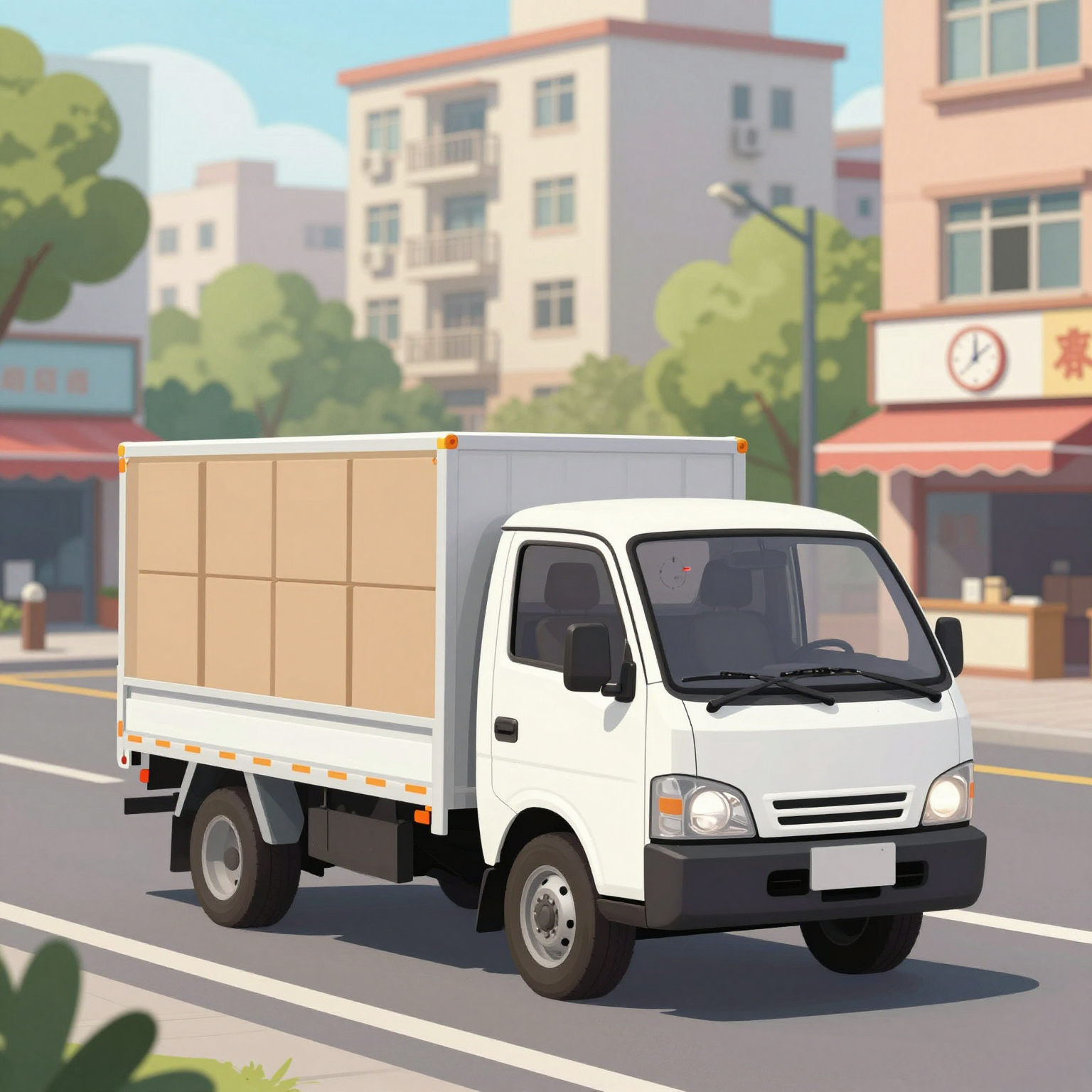
An illustration of a mini truck efficiently navigating an urban environment.
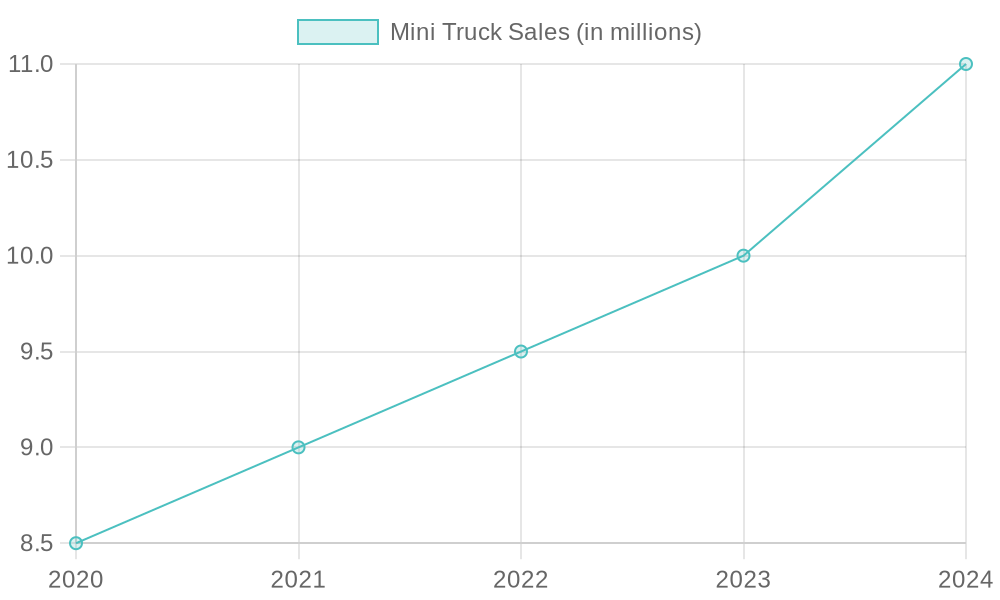 \n\n| Year | Mini Truck Sales (in millions) |\n|——|——————————-|\n| 2020 | 8.5 |\n| 2021 | 9.0 |\n| 2022 | 9.5 |\n| 2023 | 10.0 |\n| 2024 | 11.0 |\n\nSource: [Global Mini Truck Market Trends, 2020-2024]\n
Frequently Asked Questions About Mini Trucks
1. Are Mini Trucks Legal to Drive?
Yes, mini trucks are legal to drive in many states, but regulations vary. For instance, places like California and Texas have specific licensing and registration requirements. It’s crucial to check your local laws to understand if you need a specific class of license. You can check more on California’s mini truck regulations.
2. What Type of Insurance Do I Need for a Mini Truck?
Mini trucks typically require standard auto insurance; however, added coverage for commercial use may be necessary if you intend to use it for business. Coverage options usually include:
- Liability Insurance: Covers damages to others in an accident.
- Collision Insurance: Covers damages to your vehicle from collisions.
- Comprehensive Insurance: Covers non-collision-related incidents like theft or vandalism. For a detailed breakdown of insurance options, refer to Insurify Blog on Mini Truck Insurance.
3. Can I Source New Mini Trucks?
Yes, new mini trucks are produced by various manufacturers, mostly targeting niche markets such as agriculture or small business deliveries. However, availability may depend on your specific location and local dealerships. Researching online or visiting local car dealerships that specialize in compact vehicles can yield good results. For an overview of configurations, check the Rugged Mountain X14 Flatbed Camper for a practical application of mini trucks.
4. How Do I Register My Mini Truck?
Registration for mini trucks follows standard vehicle registration protocols. You’ll typically need to provide proof of insurance, identification, and possibly pass emissions testing based on your state’s criteria. For comprehensive legal requirements, consult resources from the National Highway Traffic Safety Administration.
5. What is the Cost of Insuring a Mini Truck?
The cost of insurance for a mini truck varies based on its use (personal versus commercial), the driver’s history, and the vehicle’s value. Generally, you might expect to pay anywhere from $500 to $1,500 annually, depending on these factors. Checking rates from various providers will help you find the best deal.
In conclusion, mini trucks offer remarkable benefits for both small businesses and residential property owners. Their compact size allows for easy maneuverability in crowded urban areas, making them perfect for deliveries and local services. With lower operating costs and excellent fuel efficiency, they are budget-friendly options that enhance business productivity. Additionally, mini trucks can serve various purposes, from utility vehicles to recreational uses, catering to the diverse needs of hobbyists and enthusiasts alike.
Ready to explore the incredible potential of mini trucks? Visit Summit Fairings today for all your mini truck needs-whether it’s parts, accessories, or expert advice. Unlock the possibilities for your business or personal projects with quality products that truly enhance your vehicle’s performance. Explore our range and take your adventures to the next level!