
When it comes to mini trucks, many local small business owners, residential property owners, and enthusiasts share a common concern: Do you really need to license your mini truck? Whether it’s for efficient deliveries, weekend adventures, or simple errands, the idea of navigating the licensing process can feel overwhelming. It’s essential to understand not only the legal requirements but also the benefits of proper licensing, such as increased safety and peace of mind. As you explore the ins and outs of mini truck licensing, you’ll discover that this journey can open doors to new possibilities, helping you maximize the use of these versatile vehicles. Let’s dive deeper into what you need to know before hitting the road, so you can enjoy all the perks without any hassle! To learn more about local regulations, check out our guide on California’s mini truck regulations.
Common Licensing Requirements for Mini Trucks
When considering the use of mini trucks, it’s crucial to understand the typical licensing requirements which may vary depending on your locality. Here’s a quick reference to the common obligations:
- Driver’s License: A standard Class C driver’s license is typically required for vehicles with a gross vehicle weight rating (GVWR) under 10,000 lbs.
- Registration: Mini trucks must be registered with the local motor vehicle authority. This process often involves submitting proof of ownership and fees.
- Insurance: Insurance coverage is essential, usually requiring liability coverage at minimum, with commercial operators needing additional coverage (e.g., cargo insurance).
- Safety Inspections: Depending on jurisdiction, mini trucks may need to pass safety and emissions tests.
- Local Regulations: Some urban areas have particular zoning laws or permits required for operating mini trucks learn more about local regulations.
Understanding these factors can keep you compliant and help maintain safety on the road.
Understanding Local Regulations for Mini Trucks
When it comes to mini trucks, navigating through local regulations can be a bit tricky, as the rules vary significantly depending on your geographic location. Each state has its own set of laws and regulations governing the licensing and operation of these vehicles, which can include aspects like registration, classification, emissions testing, and more.
State-Specific Licensing Requirements
For example, California requires a special endorsement for operating a mini truck on public roads, as outlined by DMV.org. In contrast, Texas has more relaxed regulations, though drivers still need to register their mini trucks with the Department of Public Safety.
Some states classify mini trucks as low-speed vehicles (LSVs), while others may consider them motorcycles or general passenger vehicles. This classification affects not only the licensing requirements but also where and how the mini trucks can be used. Certain areas might restrict these vehicles to rural roads or private property only due to safety considerations, as mentioned by the NHTSA.
Importance of Checking with Local Authorities
For mini truck enthusiasts and operators, it’s essential to check with your local DMV or municipal office. Local regulations can include specific requirements like the type of driver’s license you need, any necessary inspections or emissions testing, and potential restrictions on vehicle operation. Missing out on these details can lead to fines or penalties.
Staying Informed
Additionally, it’s wise to stay informed about changes in regulations, as they can evolve. Websites such as Consumer Reports provide helpful insights and resources tailored to mini truck owners, breaking down the complexities associated with these vehicles. By taking the time to understand the localized rules, you ensure not only compliance but also a safer and more enjoyable driving experience.
Tips for Mini Truck Owners
- Research your state’s laws: Every state has differing regulations.
- Contact local offices: Direct communication with DMV or municipal offices can clarify any uncertainties.
- Be aware of vehicle classification: This often determines where and how you can operate your mini truck.
Understanding and adhering to your local regulations is a vital part of being a responsible mini truck owner. By doing your homework, you can enjoy your vehicle without any legal headaches.
Do You Have to License a Mini Truck?
Licensing a mini truck can be a bit perplexing for many, especially for those who are just starting out in the journey of owning these vehicles. It’s crucial to understand your local regulations to ensure that you are compliant and can enjoy your mini truck without any hiccups.
“All vehicles must undergo type approval and pass a mandatory examination before registration. This ensures that vehicles meet minimum safety and environmental requirements set by the government.”
- Transport Department, Hong Kong Special Administrative Region Government
In many locales, mini trucks are considered unique vehicles due to their structure and intended use. Thus, specific licensing requirements may vary. Here are some key points to consider:
- Local Regulations: Always check your local DMV or transportation department guidelines. Licensing can differ not just from state to state, but also county to county.
- Type of Use: Consider how you’ll be using your mini truck. Will it be for commercial use, recreational, or both? This can impact the type of license you’ll need.
- Emissions Standards: Mini trucks might also be subject to emissions testing, depending on your state’s regulations.
Understanding these aspects can save you from fines and ensure that you enjoy your mini truck safely and legally. For detailed information on steps specific to your area, learn more about vehicle licensing regulations.
| State | Licensing Cost (USD) |
|---|---|
| Mississippi | $14 |
| Texas | $50.75 – $54 |
| New York | $26 – $140 |
| California | $35 – $75 |
| Illinois | $60 |
| Florida | $95 |
| New Jersey | $110 |
| Pennsylvania | $38 |
Understanding the licensing costs for mini trucks can vary significantly by state. For instance, fees can be as low as $14 in Mississippi, while states like New Jersey may charge up to $110. These differences are crucial for local small business owners and enthusiasts to consider when planning their budget for mini truck ownership. For more information on vehicle registration fees, check out the National Association of State Motor Vehicle Administrators.
Benefits of Licensing Mini Trucks
Licensing your mini truck comes with a multitude of benefits that can make your ownership experience smooth and enjoyable. Here’s why getting that license is a smart decision:
1. Legal Status
Licensing your mini truck ensures that your vehicle is legally recognized by the state. This not only protects you from potential fines but also ensures compliance with local regulations, providing peace of mind as you drive.
2. Access to Insurance
One of the significant perks of licensing your mini truck is gaining access to insurance options. Companies typically require proof of license to offer vehicle insurance. This coverage can help protect your investment from accidents and theft, allowing you to worry less and focus on enjoying your mini truck.
3. Warranty and Resale Value
A licensed mini truck often retains its resale value better than unlicensed vehicles. A full history of maintenance and proper compliance with regulations can attract potential buyers, making it easier for you to sell or trade in your vehicle down the line.
4. Peace of Mind
Finally, knowing your mini truck is registered and licensed gives you peace of mind when on the road. You can cruise confidently, knowing you’re abiding by the law and can handle unexpected situations with insurance and legal backing.
If you’re considering enhancing your mini truck experience, check out our community or the latest mini truck innovations
Conclusion
In conclusion, understanding the need for licensing your mini truck is crucial not just for compliance with local laws but also for ensuring safety and enhanced utility. Licensing helps in establishing ownership, securing insurance, and ultimately safeguarding your investment. Moreover, it opens up the potential for your mini truck to be used for various business activities, making it a versatile asset for local small business owners and hobbyists alike.
Don’t overlook the importance of this step! Whether you’re a local entrepreneur seeking to optimize delivery logistics or a recreational user looking to enhance your outdoor experiences, licensing your mini truck should be a top priority. Proper licensing could also improve your vehicle’s resale value in the long run.
If you’re in the market for high-quality parts and accessories that can elevate your mini truck experience, check out Summit Fairings. They offer a fantastic range of options that can tailor your truck to your specific needs and preferences. Let’s keep rolling towards adventure with our mini trucks-license them right and enjoy the journey!
Understanding Mini Truck Ownership and Licensing Compliance
Mini trucks have become increasingly popular among small business owners and hobbyists due to their versatility and efficiency. However, the rules surrounding their ownership and licensing can often be confusing. Recent statistics shed light on this trend, especially within the United States, where compliance with licensing regulations appears to be a significant issue for many owners.
Ownership Statistics
According to the Federal Motor Carrier Safety Administration (FMCSA), approximately 1.8 million registered commercial motor vehicles (CMVs) exist in the U.S. as of 2023. Notably, a significant number are categorized under ‘light-duty trucks’ or mini trucks (those with a gross vehicle weight rating between 10,001 to 14,000 lbs). In total, over 1.2 million mini trucks were registered across U.S. states in 2023, with states like California, Texas, and Florida leading the market.
Licensing Compliance
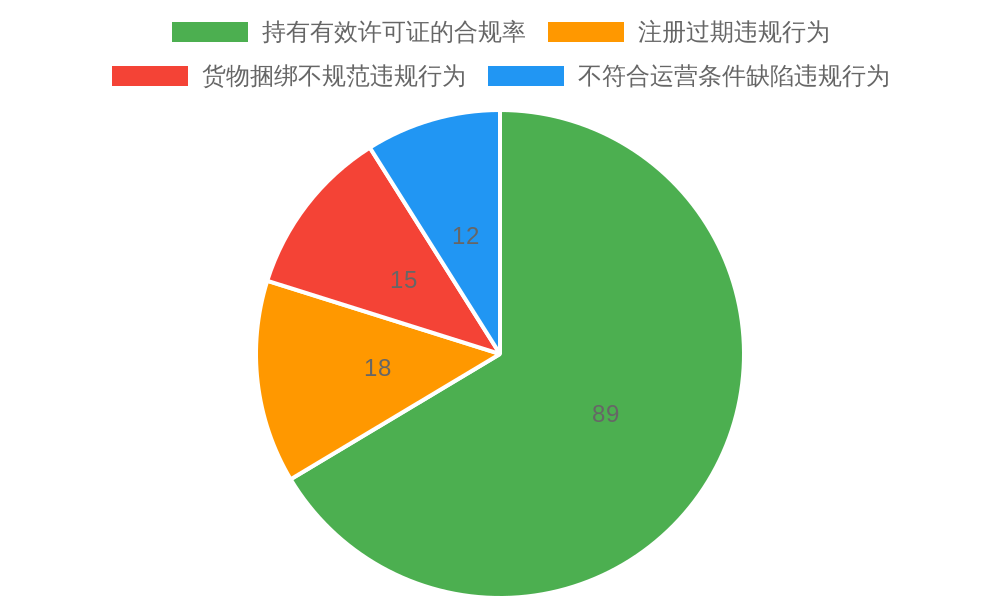
While most mini truck owners strive to comply with the regulations, challenges persist. It was reported that 89% of mini truck owners held valid licenses and insurance, a promising rate. However, compliance issues remain, with 18% facing expired registration, 15% cited for improper cargo securement, and 12% associated with out-of-service defects. Notably, nearly 70% of the non-compliant vehicles were run by small businesses or owner-operators, indicating that limited resources and understanding of regulatory requirements heavily influence compliance levels.
Uses of Mini Trucks
Usage of mini trucks varies widely. Data indicates that 67% of these vehicles are utilized for delivery services, 22% in construction, and 11% for personal or family use. As mini trucks gain popularity, understanding local registration requirements becomes more important. Owners are encouraged to stay informed about state-specific regulations to avoid penalties and ensure smooth operations.
For more insights on mini trucks and their features, check out our comparison of models and specifications or join our local mini truck community.