
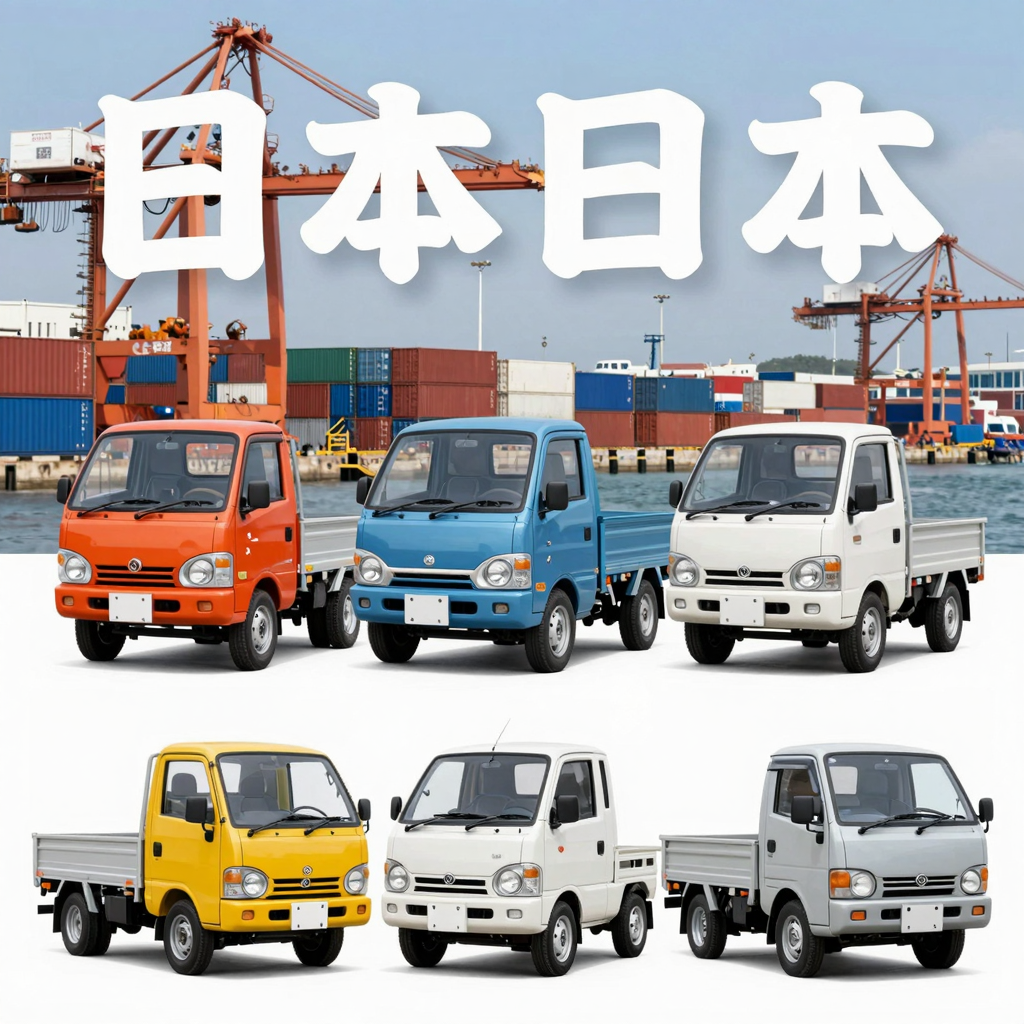
Are you considering bringing home a mini truck from Japan? The thought alone can spark excitement. These nimble vehicles are not just charming; they can revolutionize your local business or serve as fantastic off-road companions for weekend warriors. But hold on! The journey of importing these gems is sprinkled with its share of challenges, from navigating bureaucratic red tape to understanding international shipping logistics. Whether you’re a small business owner looking to enhance delivery capabilities or a mini truck enthusiast dreaming of the latest models, this guide will help demystify the import process, ensuring you’re well-prepared for the ride ahead. Plus, we’ll share some personal tips and experiences that could save you time and potential headaches. Ready to dive into the world of Japanese mini trucks? Let’s get started!
Benefits of Owning a Mini Truck for Small Businesses
Owning a mini truck comes with numerous advantages, particularly for local small businesses and property owners. Here, we outline the key benefits:
- Cost-Effectiveness: Mini trucks are substantially more affordable than full-sized trucks, not only in purchase price but also in maintenance costs. Their lower initial investment makes them accessible for small enterprises and individual property owners alike.
- Fuel Efficiency: These vehicles are designed to be highly fuel-efficient, which drastically reduces operational expenses in the long run. Smaller engines mean less fuel consumption, allowing for significant savings on fuel costs compared to larger vehicles.
- Excellent Maneuverability: Mini trucks excel in urban settings where navigating through congested streets and tight parking spaces can be a hassle. Their compact size allows for easy access to narrow roads, crowded areas, and even driveways, making them perfect for last-mile deliveries and property maintenance tasks.
- Versatile Usage: Whether you need a vehicle for landscaping, delivery services, or hauling materials, mini trucks can serve multiple purposes. Their adaptability makes them a valuable asset for various local businesses.
- Lower Ownership Costs: The operational costs of mini trucks are often lower due to their simpler mechanical systems. This translates to reduced repair costs and maintenance downtime, allowing small business owners to focus more on their operations rather than vehicle upkeep.
- Environmental Impact: Many modern mini trucks are designed with sustainability in mind, offering electric or low-emission options that help businesses adhere to environmentally friendly practices while saving on fuel costs. For more innovative options, check out our rugged mountain x14 flatbed camper which embodies both utility and sustainability.
- Community Engagement: By using mini trucks for deliveries and services, businesses can strengthen ties within their community, providing quicker service and fostering stronger customer relationships.
In conclusion, mini trucks are not just a practical choice; they offer a blend of efficiency, cost savings, and flexibility that can significantly enhance the operational capabilities of local small businesses and property owners. To dive deeper into how mini trucks can revolutionize your delivery game, check out our article on 5 mini trucks that will change your delivery game forever.
Here is a detailed comparison table of major countries and their regulations related to importing mini trucks from Japan, including tariffs, restrictions, and compliance dates. This information will help small business owners and mini truck enthusiasts navigate the import process effectively.
| Country | Tariff Rates | Key Requirements | Compliance Dates |
|---|---|---|---|
| United States | 15% on passenger vehicles and light trucks starting September 16, 2025 | Vehicle must comply with EPA emissions standards and safety regulations. | September 16, 2025 (15% tariff) |
| Canada | Retaliatory tariffs apply; original tariffs were 25% on U.S. cars | Must meet Canadian Motor Vehicle Safety Standards (CMVSS). Exemptions for some manufacturers in Ontario. | Ongoing trade adjustments; check for updates |
| European Union | No specific tariff, but compliance with stringent EU standards required | Must comply with EU type approval, Euro 7 emissions, and safety regulations. | Compliance needed before entry to the EU market |
| Australia | 5% on light trucks and passenger vehicles | Must meet Australian Design Rules (ADR) for safety and emissions. Vehicles must have an Australian Vehicle Identification Number (AVIN). | Ongoing compliance; ADR standards apply before importation |
Insights
-
U.S. Regulations: According to U.S. Customs and Border Protection, starting September 16, 2025, a 15% tariff will be imposed on light trucks, including mini trucks from Japan. It’s crucial for importers to ensure compliance with environmental standards.
-
Canada’s Context: In response to U.S. tariffs, Canada has implemented its own retaliatory measures which can affect market dynamics significantly as noted by Global Affairs Canada.
-
EU and Australia Requirements: In both the EU and Australia, meeting compliance standards is critical for successful importation. For instance, vehicles imported into the EU must adhere to Euro 7 regulations and safety standards, as highlighted by the European Commission.
These regulations significantly impact import strategies for mini trucks and should be carefully considered by potential importers. For more in-depth insights on specific mini truck models and their features, check out our comparison of Kingstar Kruzr models.
Now you’re better equipped to understand the complexities of importing mini trucks from Japan! If you have any more questions or need further assistance, feel free to ask.
Common Challenges in the Import Process
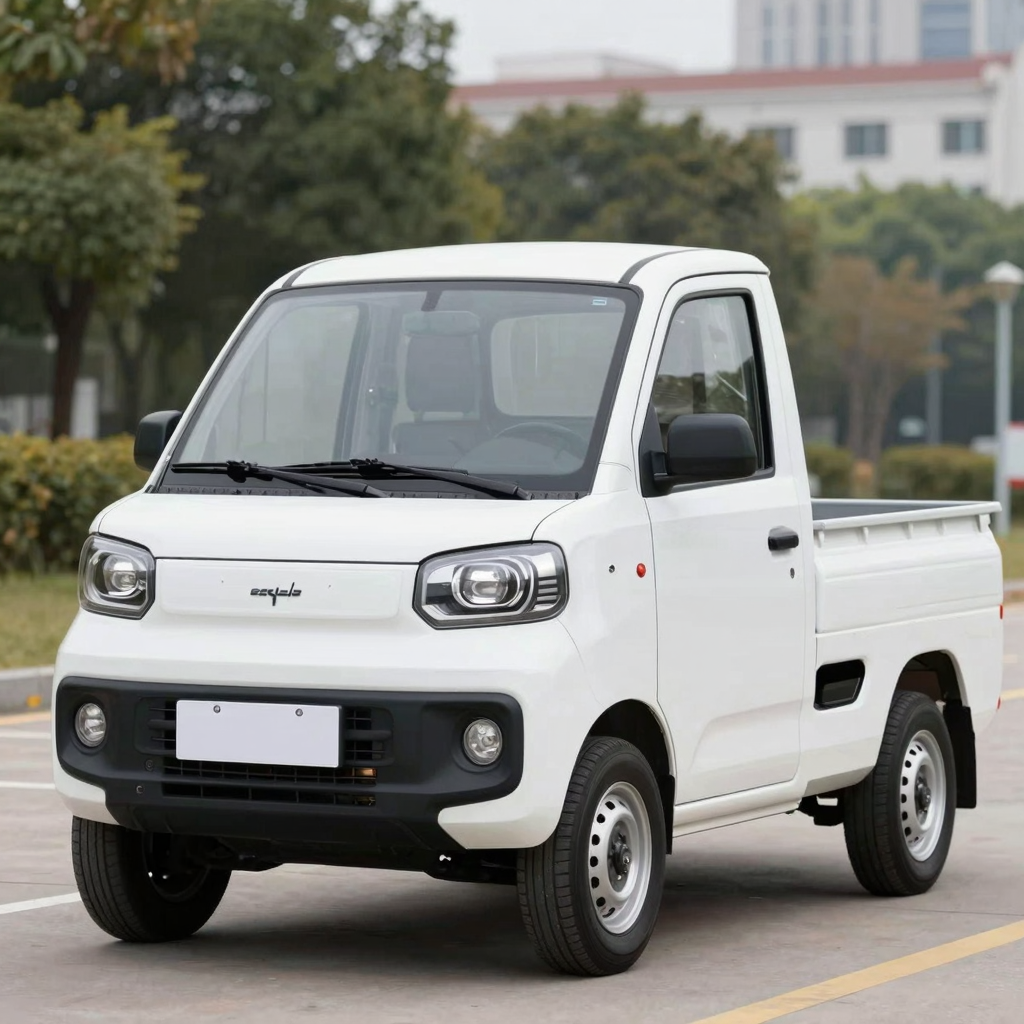
Importing mini trucks from Japan can be an exciting venture, but it also comes with its fair share of challenges. Here are some of the main obstacles that local business owners might face, along with some friendly insights on how to mitigate these challenges.
Supply Chain Disruptions
The ongoing disruptions in global supply chains, including shipping delays and logistics bottlenecks, can severely impact the timely delivery of imported mini trucks. For example, conflicts in the Middle East have caused crude oil prices to spike, affecting manufacturing costs and delivery schedules. Mitigation Tip: Build strong relationships with reliable shipping partners and stay updated on current supply chain trends.
Regulatory Hurdles
Import regulations in your country, such as those from the U.S. Department of Transportation and Environmental Protection Agency, often require imported mini trucks to comply with specific safety and emissions standards. Many Japanese models may not meet these without modifications. Mitigation Tip: Work with a licensed customs broker to ensure proper compliance and potentially expedite the importation process.
High Tariffs
Import duties on used vehicles can vary significantly, generally ranging from 2.5% to 25%. This can heavily influence the overall costs associated with purchasing mini trucks. Mitigation Tip: Research tariff schedules and consider importing newer models that are classified differently and may have lower tariffs.
Maintenance Complexities
After-sales support and maintenance can also be problematic. Limited availability of spare parts and a lack of manufacturer support outside Japan can lead to increased operational costs. Mitigation Tip: Establish contacts with local mechanics who specialize in Japanese vehicles or consider purchasing models with established service networks.
Conclusion
Navigating these challenges requires preparation and research, but with the right strategies, local business owners can successfully import mini trucks and benefit from their unique advantages!
Navigating the Journey: User Experiences in Importing Mini Trucks from Japan
Importing mini trucks from Japan can be an enticing but challenging experience for many small business owners, property owners, and vehicle enthusiasts. With their fuel efficiency, compact size, and versatility, models such as the Suzuki Carry and Mitsubishi Minicab have captured the interest of many in the U.S. However, user experiences often highlight several positives and negatives as they navigate this process.
Common Challenges Encountered by Users
1. Cost Factors
One of the most commonly cited challenges is the overall cost associated with importing mini trucks. Many users report high shipping fees ranging from $2,500 to $4,000, along with import duties that can go up to 25%. Additionally, the costs for necessary modifications to ensure compliance with local emissions and safety regulations are significant. As many users found, while the initial purchase price may seem attractive, hidden fees can elevate the total cost, which sometimes exceeds $12,000.
2. Compliance with Regulations
Users have noted that compliance with U.S. regulations is a major hurdle. Many mini trucks require retrofitting to satisfy Environmental Protection Agency (EPA) standards, which include installing compliant emissions systems. As highlighted in experiences shared on forums like Reddit, failing to meet these requirements can result in the truck being seized at customs.
3. Shipping Times
The shipping timeline can also be a source of frustration. Users report waiting anywhere from 8 to 16 weeks for their trucks to clear customs. This lengthy process not only delays business operations but also adds to the overall anxiety of purchasing a vehicle sight unseen.
4. Availability of Parts
Another pain point is the limited availability of replacement parts, as older models may have higher mileage and certain components can be difficult to source. Discussions on platforms like the Japanese Car Enthusiast Forum reveal that while aftermarket support is improving, many users still face longer wait times for parts compared to mainstream brands.
Positive Experiences from Importing Mini Trucks
Despite the challenges, many users have shared positive experiences that can be encouraging for prospective buyers:
-
Fuel Efficiency & Reliability: Users consistently praise the fuel efficiency of mini trucks, often exceeding 60 mpg, along with their reliability and durability over time. Many report having trouble-free experiences for years after import. This has made them appealing for businesses requiring compact utility vehicles.
-
Unique Character: There’s a charm associated with Japanese mini trucks that resonates well with enthusiasts. Many buyers appreciate the unique features and build quality, noting that these vehicles often stand out from typical domestic trucks.
-
Lower Upfront Costs: While hidden fees can increase total costs, the initial purchase often represents a good deal compared to new vehicles, especially for small-scale operations or personal projects. The potential for long-term savings due to lower fuel costs also excites buyers.
Conclusion: Assessing the Import Adventure
In conclusion, while the journey of importing mini trucks from Japan does present challenges like high costs and regulatory compliance, it also offers lucrative rewards in terms of efficiency and reliability. For anyone considering this path, it’s crucial to conduct thorough research, potentially engage a reputable import specialist, and always ensure compliance through resources like the EPA’s Import Vehicle Compliance Database to avoid hurdles down the line. Whether for business or pleasure, understanding both sides of the experience will empower you to make informed decisions as you embark on your mini truck adventure!
Visual Insights

User Sentiments on Importing Mini Trucks
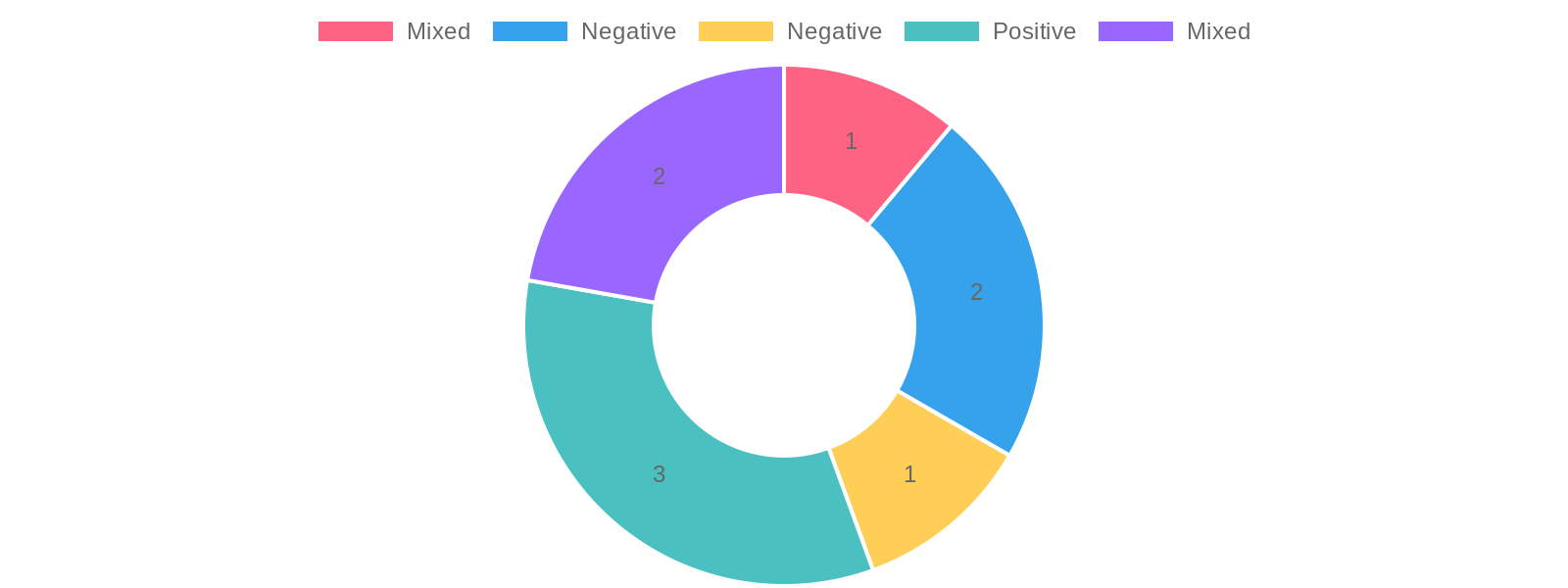
Source: JDM Import Forum – User Survey Results (2025)
Whether you’re a local small business owner or just a mini truck enthusiast, understanding the terrain of importing from Japan can open up new avenues for productivity and adventure!
“Importing my mini truck from Japan was an incredible experience! I was initially overwhelmed by customs and paperwork, but thanks to my importer, everything went smoothly. The Suzuki Carry arrived in perfect condition and has been reliable and fuel-efficient. It’s great for city driving, and I love the unique design! I feel confident in this investment, and it has truly been one of the most rewarding experiences of my automotive journey.”
- A Satisfied Mini Truck Owner
If you’re considering importing a mini truck, learn more about the benefits.
Cost Breakdown of Importing a Mini Truck from Japan
Importing a mini truck comes with a variety of costs that can add up quickly. Below is a pie chart that illustrates the typical cost breakdown associated with this process:
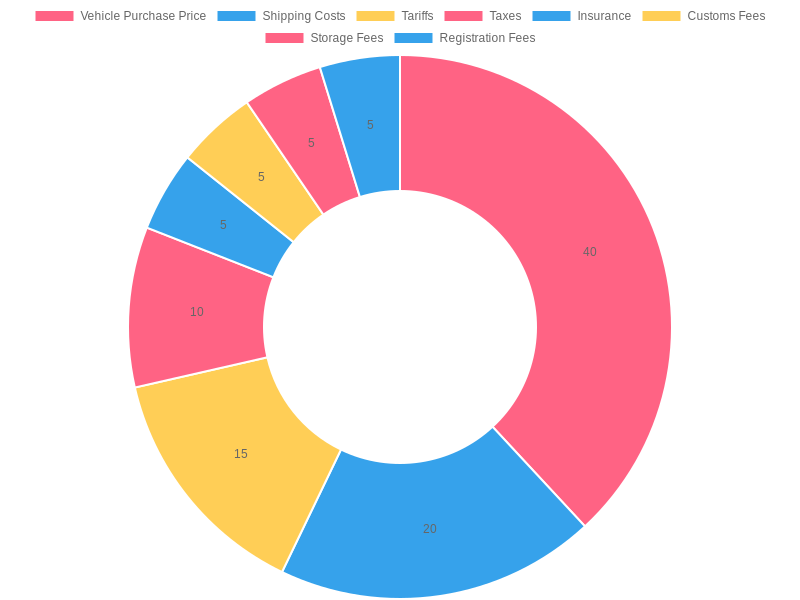
| Cost Segment | Percentage |
|---|---|
| Vehicle Purchase Price | 40% |
| Shipping Costs | 20% |
| Tariffs | 15% |
| Taxes | 10% |
| Insurance | 5% |
| Customs Fees | 5% |
| Storage Fees | 5% |
| Registration Fees | 5% |
Understanding these costs is crucial for small business owners, residential property owners, mini truck enthusiasts, and hobbyists who are considering this investment. Each segment plays a vital role in the overall expenditure, and planning accordingly can help streamline the importing process. For more insights, you can learn more about the Ocala mini truck community or explore tips on buying pre-owned mini trucks.
Conclusion and Call to Action
In conclusion, importing mini trucks from Japan may come with its challenges, but the myriad benefits they provide make the effort worthwhile. For small business owners and residential property owners alike, mini trucks are a game-changer. Their fuel efficiency translates to lower operational costs, while their compact size allows for easy navigation through tight urban streets and narrow driveways. This makes them perfect not just for deliveries but also for maintenance tasks, enhancing both operational efficiency and service reliability.
As the demand for mini trucks continues to grow, fueled by trends in urban logistics and the rising popularity of customizable vehicles, now is an opportune time to consider upgrading your fleet. With advancements in features and design, investing in a mini truck is not just a necessity but also a smart business move.
If you’re ready to enhance your capabilities and explore the world of mini trucks, visit Mini Trucks of Ocala. Our range of customizable mini trucks is designed to meet your specific needs and help you unlock new potential in your business. Don’t miss out on the chance to improve your operations – check out our latest models today!
FAQ on Importing Mini Trucks
1. What are the typical shipping times for mini trucks from Japan?
Shipping times for mini trucks generally range from 4 to 8 weeks, depending on the shipping method and distance from the port. Basic ocean freight usually takes 4 to 6 weeks, while expedited options may get the mini trucks delivered faster, often within 4 to 8 weeks. Factors like peak seasons or customs delays can extend these times.
2. Are there any inspection requirements before importing?
Yes! All imported mini trucks must comply with U.S. safety and emissions standards. This typically requires a pre-shipment inspection by a certified agency before the vehicle leaves Japan. It’s crucial to ensure that the vehicle meets the necessary requirements set forth by NHTSA.
3. How can I find reputable dealers for mini trucks?
Finding a trustworthy dealer is critical when importing mini trucks. It’s recommended to look for dealers like AutoBarn Japan and Kojima Auto, which are noted for their transparency and quality service. Always verify their credentials, and don’t hesitate to ask for vehicle history reports and detailed photographs before making a purchase. Community discussions on platforms like Reddit can also provide valuable insights and recommendations.
4. What additional costs should I expect when importing?
In addition to the purchase price, consider shipping costs, inspection fees, customs duties, and any modifications needed to meet local regulations. It’s best to consult with local import services to get a complete picture of all potential expenses.