
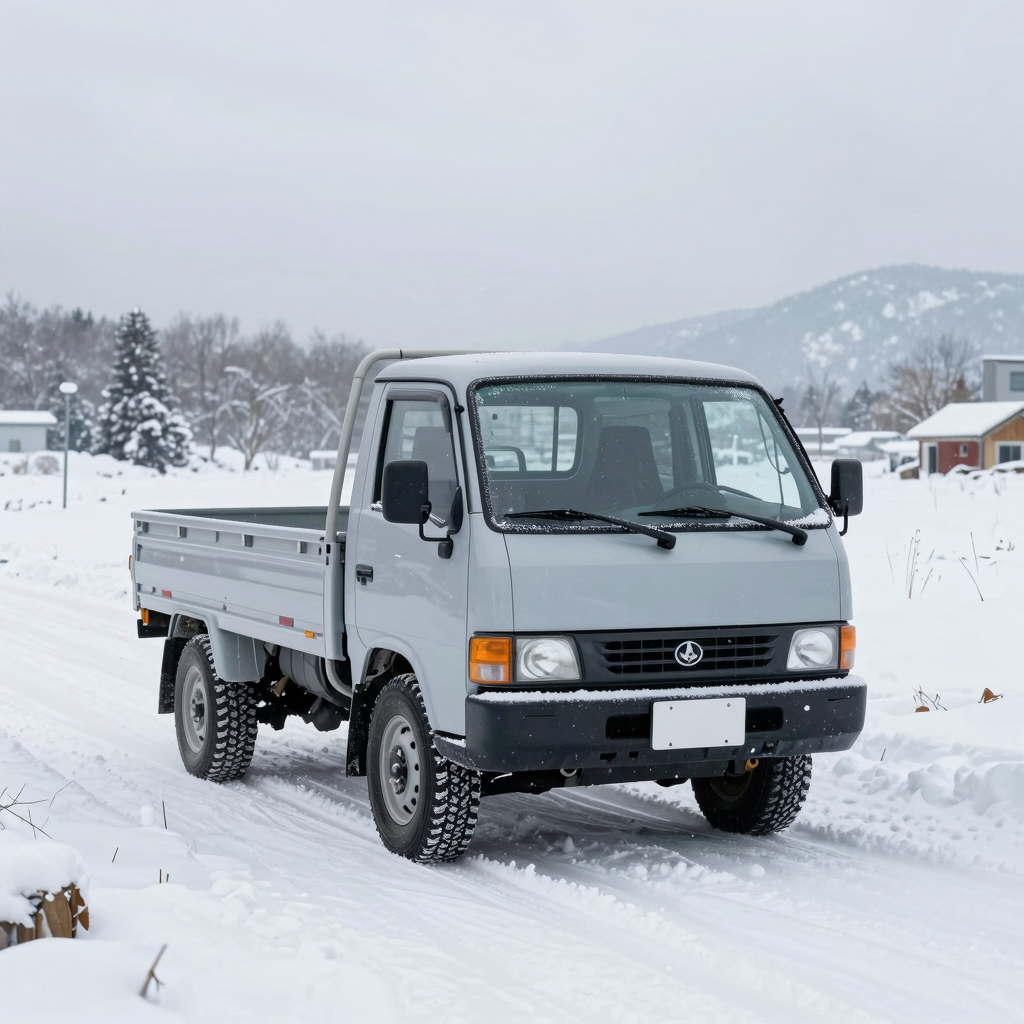
Driving in snow can be a challenging adventure. From slippery roads to unpredictable weather conditions, it often feels like a battle between you and Mother Nature. Many drivers find themselves overwhelmed, wishing for a vehicle that can handle the icy terrain without breaking a sweat. Enter mini trucks! These nimble and versatile vehicles offer a perfect solution for navigating snowy landscapes. With their lightweight build and powerful capabilities, mini trucks don’t just tackle the winter elements; they excel in them. Beyond just their functionality, they are ideal for local small business owners and residential property owners who need reliable solutions for snow removal or transport. Whether you’re a small business looking to reach customers as the snow piles up, or a property owner managing your driveway, the advantages of using mini trucks in these conditions are numerous. In this article, we will explore how mini trucks perform in snowy conditions, discussing their benefits and features to help you understand why they might just be the perfect vehicle for your winter needs. Learn more about the benefits of mini trucks and how they can make life easier in challenging weather situations!
Common Issues Faced by Small Business Owners in Snowy Conditions
Snowy weather can bring all sorts of challenges for small business owners. Here’s a list of common issues they might face during snowfall:
- Transportation Delays: Snow accumulation can create hazardous road conditions, leading to delays in deliveries and employee commutes. This can negatively impact operations and service delivery.
- Liability Concerns: Snow and ice can create dangerous conditions on business premises. Owners may face liability issues if customers or employees are injured due to inadequate snow removal or maintenance.
- Snow Removal Needs: Regular snow removal is essential for safety and to keep the business open. However, it often involves additional costs and can take up time and resources that could be spent on other operations.
- Increased Operating Costs: Heating and snow removal can lead to higher utility bills. Additionally, if a business has to pay employees for snow days or provide overtime for extra work, costs can skyrocket.
- Loss of Revenue: Severe weather can deter customers from visiting brick-and-mortar locations, leading to a significant drop in sales.
- Supply Chain Interruptions: Snow can affect delivery schedules for goods, leading to inventory shortages and the inability to meet customer demands.
- Employee Attendance Issues: Severe weather may prevent employees from safely reaching work, leading to staffing shortages that can disrupt operations.
For small business owners looking for ways to manage these challenges, using a mini truck for snow removal and deliveries could be a game-changer. Learn more about mini trucks and their advantages. Not only are they capable in snowy conditions, but they can also help you efficiently navigate difficult terrains that larger vehicles simply can’t handle.
Additionally, consistently maintaining your fleet can ensure reliability during those unexpected snowstorms. Check out our essential maintenance tips to keep your mini truck running smoothly year-round!
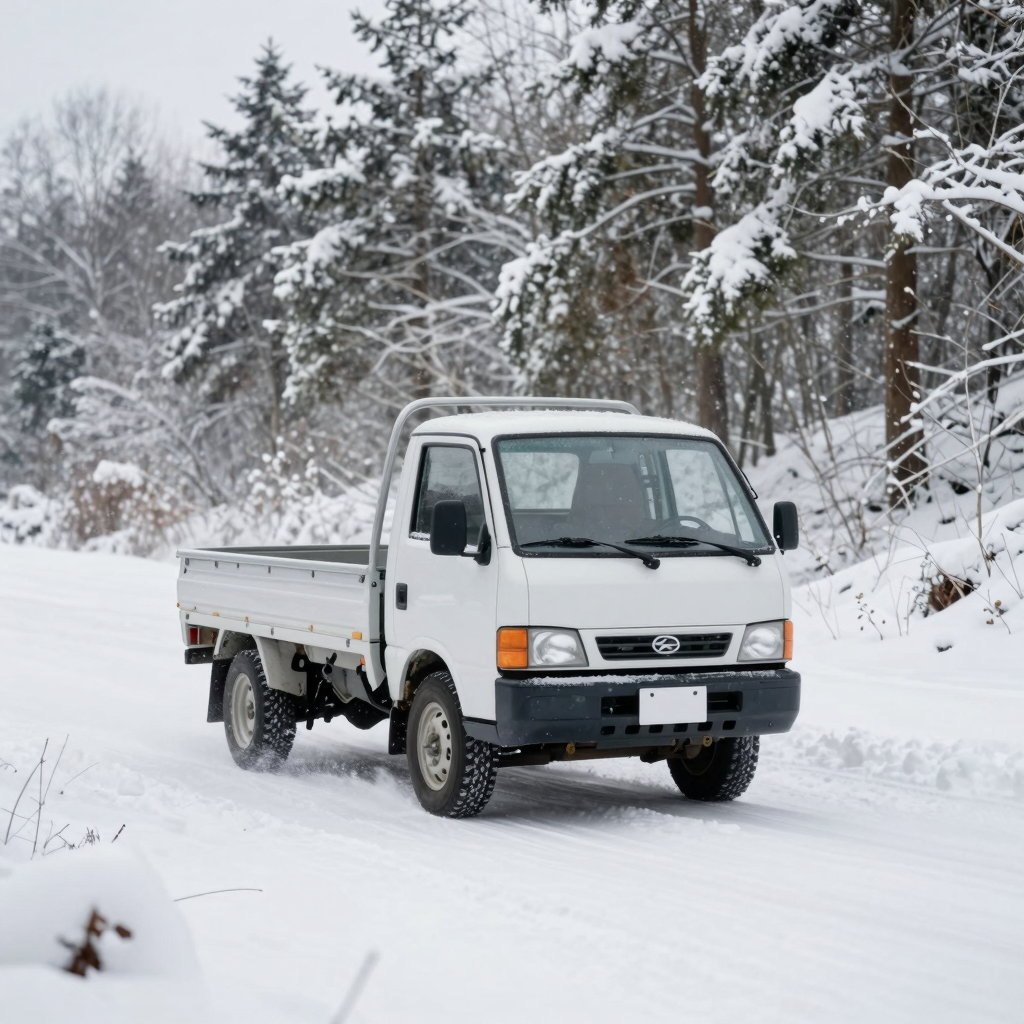
Advantages of Mini Trucks in Snowy Conditions
When the snow starts to fall, many vehicle owners find themselves reconsidering their options for safe and effective transportation. Mini trucks stand out as a fantastic choice for navigating winter weather, offering several advantages that make them a preferred vehicle for both small business and residential property owners and enthusiasts alike.
Size and Maneuverability
One of the primary benefits of mini trucks is their compact size. Unlike traditional pickup trucks, mini trucks can easily maneuver through narrow, snow-covered streets and tight spaces. This agility is especially beneficial when you need to make quick deliveries in urban environments or navigate residential areas that may not have been adequately cleared of snow.
Imagine a small business owner, like Sarah, who uses her mini truck to deliver goods around town. “I can zip in and out of side streets with ease, and I don’t have to worry about getting stuck in snowbanks like I did with my larger truck,” she shares. This smaller footprint allows for better control, which is crucial in slippery conditions.
Enhanced Traction
Many models of mini trucks are equipped with all-wheel drive (AWD), enhancing their traction on icy and snowy surfaces. The combination of lower weight and robust traction systems helps prevent wheel spin, which is a common challenge for larger vehicles. According to an article on Automotive Engineering Insights, mini trucks with AWD can traverse mixed terrain, enhancing stability and performance.
For example, Mike, a carpenter who often needs to transport tools along snowy backroads, finds that his mini truck’s traction control allows him to move confidently through conditions that would leave heavier vehicles stranded. “Last winter, I was able to reach job sites that my colleagues in full-sized trucks couldn’t,” he recalls.
Reduce Getting Stuck
In snowy conditions, the risk of becoming stuck increases significantly, especially for larger vehicles. Mini trucks, by virtue of their size and weight distribution, are less likely to sink into deeper snow. A user testimonial from Car and Driver underscores the advantage of mini trucks in snowy environments, highlighting their ability to handle winter challenges effectively.
Conclusion
Overall, mini trucks provide a unique and practical solution for tackling snowy conditions. Their compact design, agile maneuverability, and superior traction make them an excellent investment for those living in or frequently traveling through winter climates. Whether for personal use or business, they are sure to meet the demands of winter driving while keeping you safe on the roads.
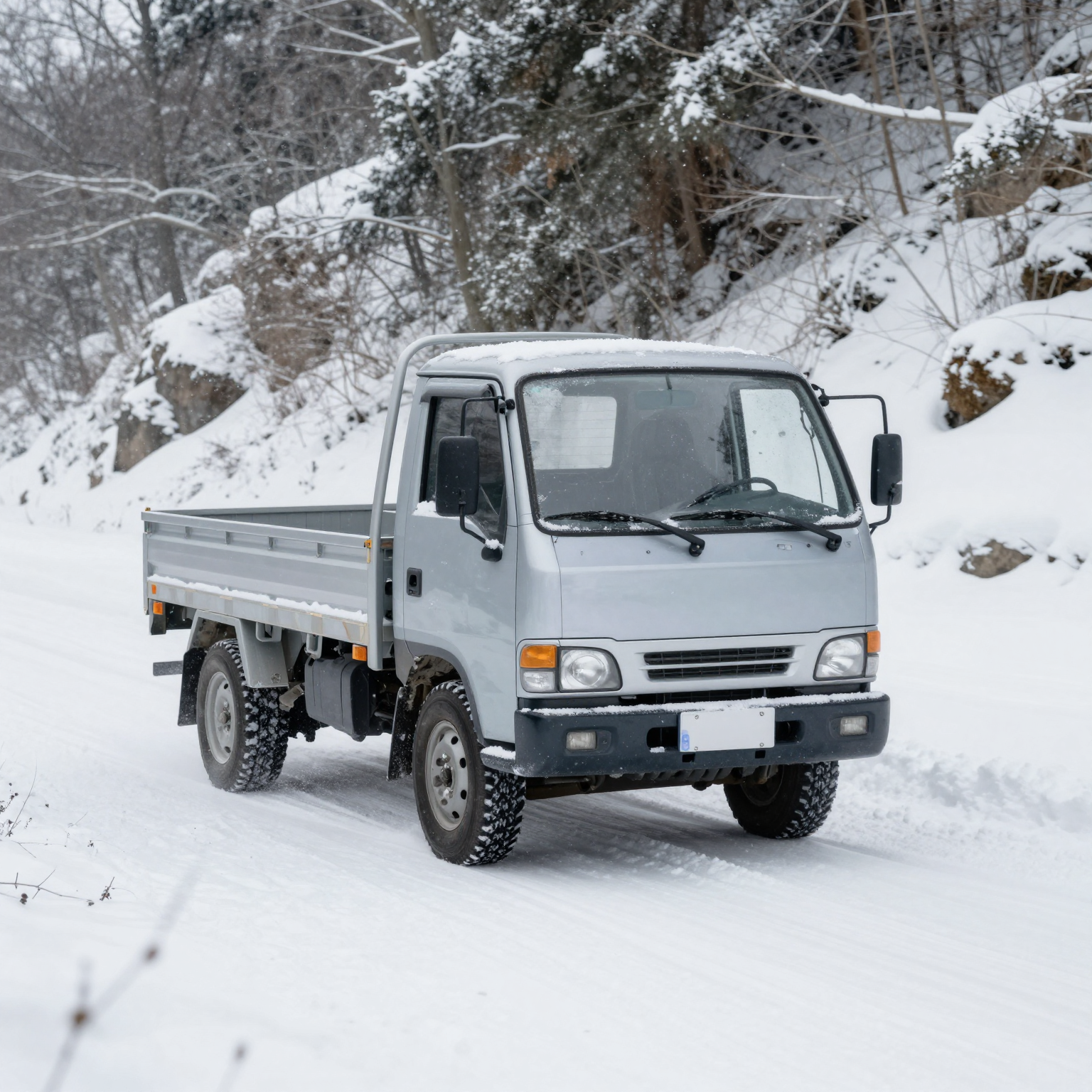
Mini truck navigating through snow, showcasing its capabilities in challenging winter conditions.
Comparing Mini Truck Brands in Winter Conditions
When it comes to performance in winter conditions, several factors like tire performance, weight capacity, and power output play crucial roles for mini trucks. Here’s a comparative look at some well-known brands:
| Brand Name | Tire Performance (Winter-Specific Features) | Weight Capacity (Snowy Conditions, lbs) | Power Output (HP) |
|---|---|---|---|
| Toyota Hilux (2026) | Equipped with Michelin X-Ice Snow tires; optimized tread pattern for ice and slush traction; includes integrated winter driving mode. | 3,500 lb (payload) | 170 HP (2.8L turbo-diesel) |
| Ford Ranger (2026) | Standard-fit Goodyear Wrangler All-Terrain Winter tires; enhanced siping for grip on packed snow; optional snow-specific tire package available. | 3,000 lb (payload) | 270 HP (2.3L EcoBoost gasoline) |
| Isuzu D-MAX (2026) | Factory-tuned Bridgestone Blizzak DM-V2 tires; directional tread design for snow ejection; standard AWD with hill descent control. | 4,000 lb (payload) | 190 HP (2.3L turbo-diesel) |
| Mitsubishi L200 (2026) | Standard-equipped Dunlop Winter Sport 5 tires; high silica compound for cold-weather flexibility; active torque vectoring system. | 3,700 lb (payload) | 181 HP (2.4L turbo-diesel) |
| Nissan Navara (2026) | Optional Pirelli Scorpion Ice & Snow tires; deep lug depth for snow retention; includes intelligent four-wheel drive with snow mode. | 3,200 lb (payload) | 190 HP (2.3L turbo-diesel) |
For a detailed examination of winter tire technology, feel free to learn more about the winter performance of mini trucks. Also, check out our analysis of various snow tire options and understanding what fits best for your truck in snowy conditions.
This table provides a snapshot of how various mini trucks perform in winter conditions, illustrating the importance of appropriate tire selection and weight management for safe handling on snowy surfaces.
Mini Trucks in Snow: Performance Insights from Experts
When the snow starts falling, many drivers wonder how well mini trucks can handle icy conditions. Based on expert reviews and performance tests, these compact vehicles show impressive capabilities, particularly with proper configurations like all-wheel drive (AWD) and specialized tires.
Traction and Handling in Snowy Conditions
According to expert reviews, mini trucks equipped with all-wheel drive (AWD) systems demonstrate superior traction performance on snow-covered roads. For instance, reviewers from Car and Driver noted substantial improvements in handling, acceleration, and braking for AWD mini trucks compared to their rear-wheel drive counterparts. The independent suspension systems found in these vehicles enhance adaptability on slippery surfaces, allowing for confident cornering and precise steering even in low-traction environments.
Similarly, MotorTrend highlighted the importance of using winter tires alongside AWD systems to maximize grip during winter conditions. Their tests reveal that while 4WD systems excel in deep snow situations, AWD is generally more efficient for daily road use, striking a balance between performance and fuel efficiency.
Experts from Truck Trend emphasized how AWD mini trucks automatically adjust power to all four wheels based on real-time traction needs, making them suitable for urban drivers facing variable winter climates. This adaptability is particularly beneficial for small business owners and residential property owners who rely on their vehicles for daily tasks during winter.
Real-World Applications
User testimonials reinforce these findings. One forum post shared by a mini truck owner indicated that their vehicle could cruise steadily even at 60 mph on snowy roads, successfully carrying heavy loads without compromising stability. Such experiences contribute to the conclusion that mini trucks can be reliable partners in both snowy environments and rugged terrains.
However, experts caution that without AWD, traction can be limited, especially on icy patches. In depth testing, including scenarios in Nordic conditions, revealed that mini trucks managed well on snow with proper winter setups, confirming their utility for mountainous areas and tight urban spaces.
Conclusion
In summary, mini trucks are capable performers in snowy conditions when equipped appropriately. The overall consensus among experts is that using AWD systems, paired with winter tires, significantly enhances snow traction and handling. This makes mini trucks a practical solution for those living or working in snowy climates, proving that they can navigate winter’s challenges effectively. For those interested in exploring these models further, visit Mini Trucks SoCal to discover community insights and options available.
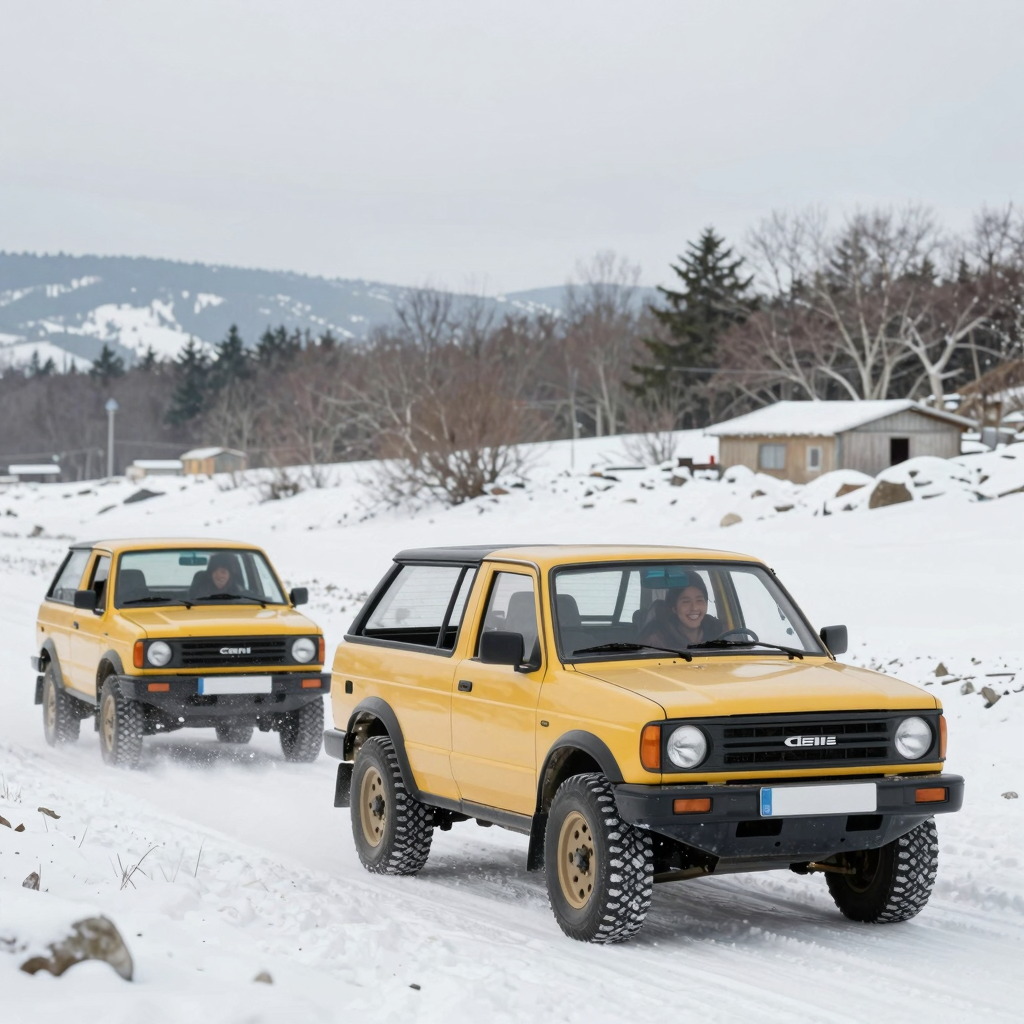
Explore our selection of mini trucks suited for winter adventures, ensuring you are prepared for any winter task ahead!
Tips for Driving Mini Trucks in Snow
Driving a mini truck in snowy conditions can be challenging, but with the right preparation and techniques, you can ensure safety and effective handling. Here are some essential tips tailored for mini truck owners:
1. Prepare Your Vehicle
- Check Tire Health: Before heading out, inspect your tires for proper tread depth; winter tires are highly recommended if snow is common in your area. If using regular tires, consider lowering the tire pressure slightly (by about 5-10%) to increase traction on slippery surfaces.
- Inspect Essential Equipment: Ensure that your windshield wipers are functioning well and that your windshield washer fluid is suitable for low temperatures. It’s also advisable to carry a shovel, scrapers, and an emergency kit.
2. Driving Techniques
- Start Smoothly: When starting, use a lower gear (like second) to prevent wheel spin. Avoid sudden acceleration, which can lead to sliding.
- Maintain a Safe Distance: Increase your following distance from vehicles ahead by at least three times the normal distance. This gives you ample space to stop smoothly on slippery ground.
- Brake and Steer Carefully: Use gentle pressure on the brakes and avoid sudden stops. If you feel your truck starting to slide, ease off the gas and steer gently into the skid to regain control.
- Be Cautious on Turns: Slow down before you enter a turn and keep your steering inputs light. The slower you go, the less likely you are to lose traction.
3. Stay Updated on Conditions
Check local weather forecasts and road conditions. If conditions are particularly severe, reconsider your travel plans to avoid dangerous situations.
4. Use of Chains
In extreme snow or icy conditions, consider installing snow chains for added grip. Ensure you know how to install them properly.
By following these tips, mini truck owners can navigate snowy conditions with increased confidence and safety. For more insights and preparation tips, check out our articles on mini truck winter preparation and join our community for shared experiences and advice at Ocala Mini Truck Community.
“When your mini truck navigates through deep snow like a toy, the sense of control and freedom is unmatched.”
- A mini truck enthusiast describing their experience in winter driving.

Effective Payload vs. Mini Truck Weight
| Mini Truck Weight (tons) | Effective Payload (tons) | Performance Metric Notes |
|---|---|---|
| 2.5 | 1.8 | Minimal snow accumulation; optimal performance |
| 3.0 | 1.5 | Light snow load; slight reduction in payload |
| 3.5 | 1.2 | Moderate snow and winter accessories; noticeable decline |
| 4.0 | 0.9 | Heavy snow accumulation; significant payload loss |
| 4.5 | 0.6 | Maximum winter equipment; severe performance drop |
*Source: The effect of winter weather on timber truck tare weights (2026, January 11) – Quantified payload loss due to snow and winter accessories.
Conclusion and Call-to-Action
In summary, mini trucks offer remarkable advantages when navigating through snowy conditions. Their compact size and nimble maneuverability allow them to traverse snow-covered roads where larger vehicles might struggle. Features like adjustable suspension systems enhance their effectiveness, enabling drivers to adapt to varying snow depths and maintain traction. The design benefits, including a low center of gravity and advanced chassis control, significantly improve handling, making mini trucks a great choice for both residential property owners and small business operators during winter months.
If you’re considering an upgrade for your mini truck to enhance its winter performance, look no further than Summit Fairings. These specially designed fairings are engineered to optimize aerodynamics, helping you maintain better control and stability in slippery conditions. For more information on selecting the right upgrades, check out our detailed guide on mini truck enhancements.
Don’t let the winter weather hold you back-equip your mini truck with quality upgrades from Summit Fairings today, and experience the improved performance on your snowy adventures!