
Introduction
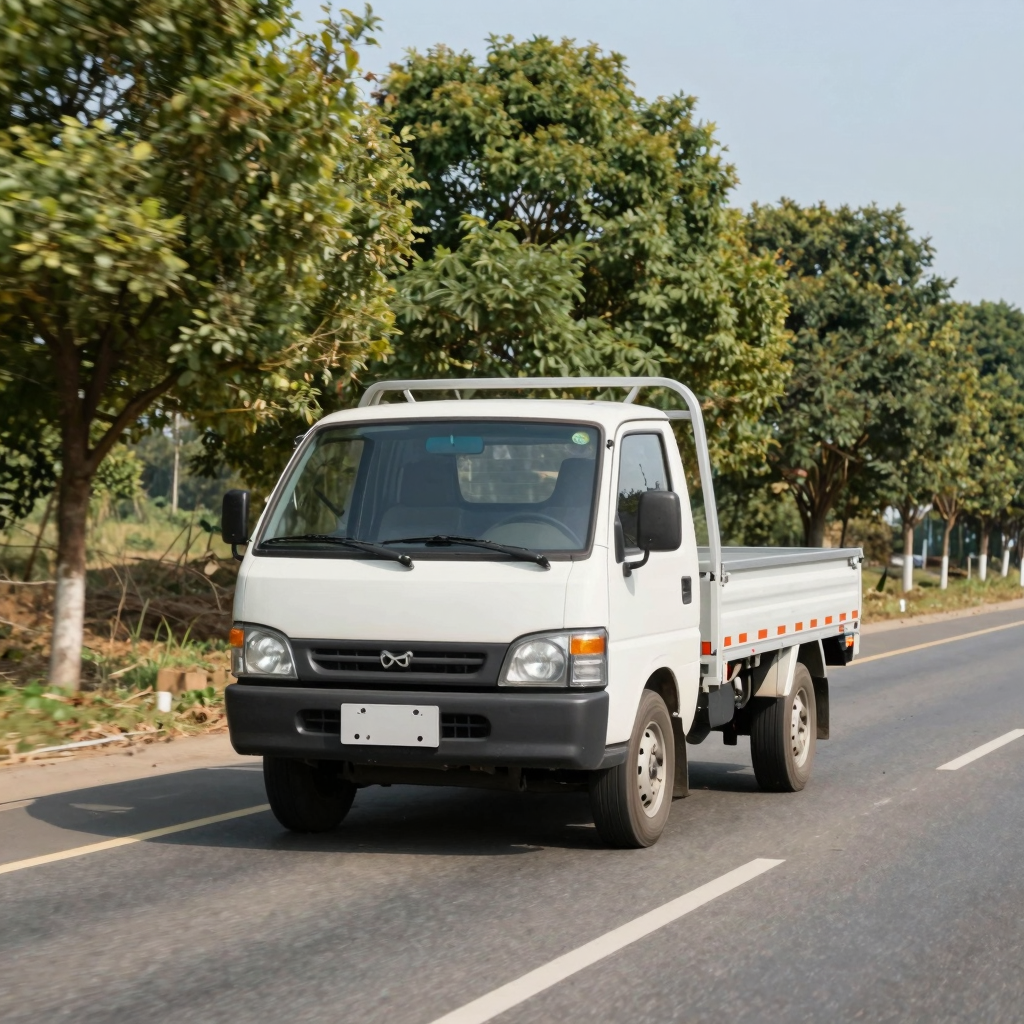
Have you ever wondered how long mini trucks typically last? For small business owners and enthusiasts alike, this question isn’t just a matter of curiosity-it’s vital for planning and investment. Mini trucks, known for their versatility and efficiency, can serve various purposes from local deliveries to recreational adventures. Understanding their longevity can help you make informed decisions about purchases, maintenance, and upgrades. In this article, we’ll delve into the lifespan of mini trucks, exploring factors like maintenance, usage, and environment that can influence durability. Whether you’re considering a mini truck for your business or simply have a passion for these compact vehicles, you’re in the right place! Let’s uncover the insights that will aid you in maximizing your investment and navigating the mini truck world.
Benefits of Owning a Mini Truck
Mini trucks are increasingly popular for various reasons, especially among small business owners, residential property owners, and enthusiasts. Here are some key benefits:
- Fuel Efficiency: Mini trucks are designed to be fuel-efficient, reducing operational costs for businesses that require frequent deliveries.
- Versatile Cargo Space: Their compact design provides ample cargo space, making them ideal for transporting materials like landscaping supplies or tools for DIY projects.
- Easy Maneuverability: Their smaller size makes navigating tight urban streets and crowded areas a breeze, allowing for easier parking and access.
- Customization: Mini trucks offer various customization options to suit personal style and functional needs, appealing to enthusiasts.
- Community Engagement: Owners often connect through mini truck events and forums, fostering a strong community among enthusiasts.
For more insights on these vehicles, check out this practical guide for residential property owners.
Factors Affecting Mini Truck Lifespan
When it comes to extending the lifespan of your mini truck, several key factors play a vital role. Here’s a friendly look at how you can keep your mini truck running smoothly for years to come.
1. Maintenance
Regular maintenance is crucial for any vehicle, and mini trucks are no exception. Here are some essential maintenance tasks:
- Oil Changes: Change the engine oil every 5,000 miles to keep the engine lubricated and running efficiently.
- Tire and Brake Inspections: Check tires and brakes bi-annually to prevent issues that could lead to faster wear and tear.
- Cooling System Checks: Regularly check coolant levels, especially in extreme temperatures, to avoid overheating.
Following these maintenance tips can help prevent small problems from becoming major repairs.
2. Driving Habits
Your driving style significantly impacts the lifespan of your mini truck. Aggressive driving, such as rapid acceleration, hard braking, and towing heavy loads, can strain the engine and brakes. Studies show that adopting smoother driving habits can reduce major repairs by 30-50% over the first 100,000 miles. So, take it easy on the accelerator and brake gradually!
3. Environmental Conditions
The conditions in which you drive can either speed up or slow down wear on your mini truck. Exposure to high temperatures, humidity, or salty roads can lead to corrosion and premature degradation. In regions with harsh winters, it’s essential to wash your mini truck regularly to remove salt and other harmful materials. Consider investing in protective coatings if you often drive in extreme weather.
These factors combined can help you get the best out of your mini truck, ensuring it serves you well in your small business or personal use.
Comparing Popular Mini Truck Models
When considering mini trucks, it’s essential to understand their lifespan and durability features. Below is a table comparing three popular mini truck models:
| Model Name | Average Lifespan | Notable Features |
|---|---|---|
| Foton Aumark | 300,000 km (or 8-12 years) | Reinforced steel frame, efficient diesel engine, low maintenance costs, suitable for urban cargo transport. |
| Foton Tunland | 250,000 km (or 8-12 years) | Four-wheel drive capability, heavy-duty suspension, ideal for rugged terrain and construction logistics. |
| Suzuki Carry | 200,000 km (or 6-10 years) | Lightweight, compact design, easy to maneuver, suitable for small businesses and urban deliveries. |
Key Takeaways
- Durability: The Foton models are known for their robust designs, suitable for heavy loads and harsh environments.
- Lifespan: With proper maintenance, most mini trucks can last well over 200,000 km, making them a solid investment.
- Features and Utility: Choose a model based on your specific business needs-whether it’s urban delivery or off-road capability.
For a deeper dive into mini truck specifications and features, visit our comprehensive guide.
If you’re looking to maximize utility, exploring the latest innovations and customizations can also lead to enhanced durability and longevity in performance.
Different Types of Mini Trucks
-
Compact Mini Truck
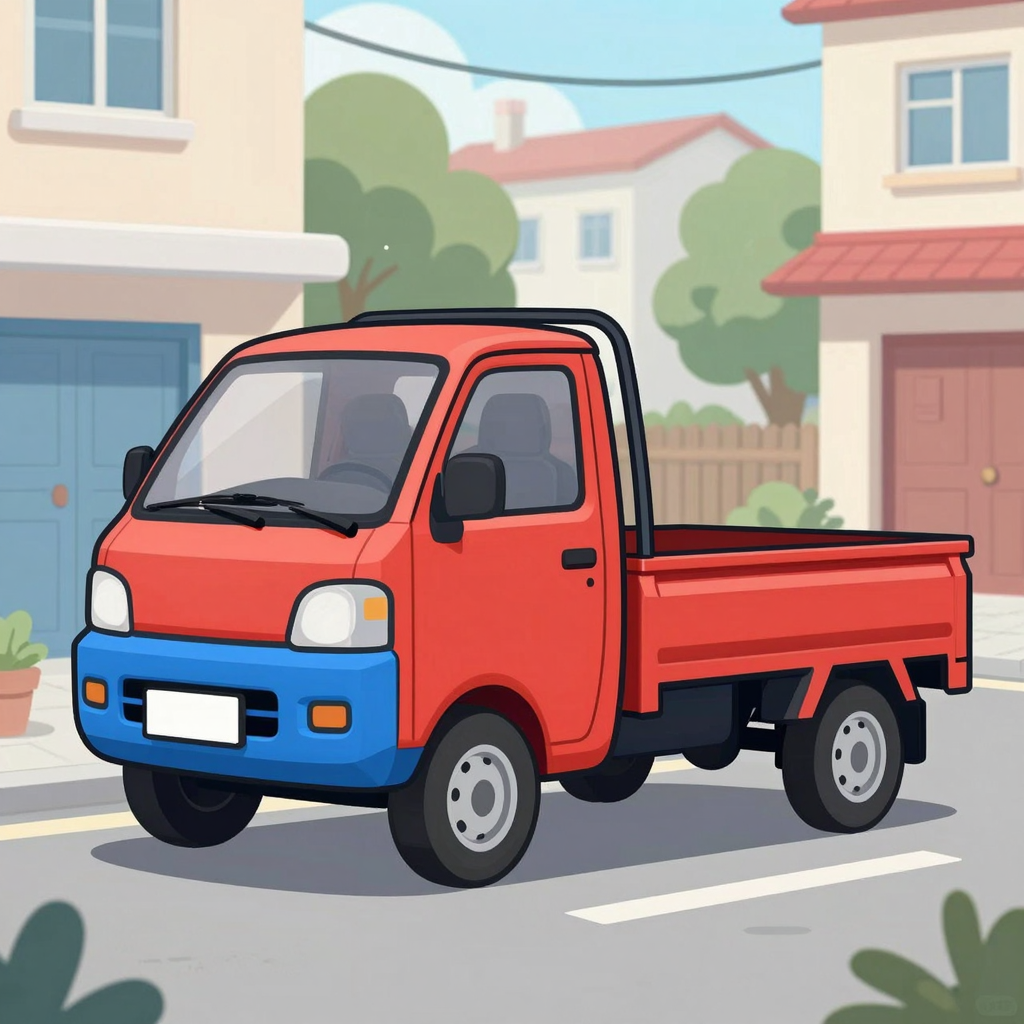
This illustration shows a compact mini truck designed for urban driving, boasting a modern look and bright colors. -
Rugged Mini Truck

The classic mini truck depicted here features a rugged design suitable for off-road activities, showcased in a mountainous landscape. -
Flatbed Mini Truck
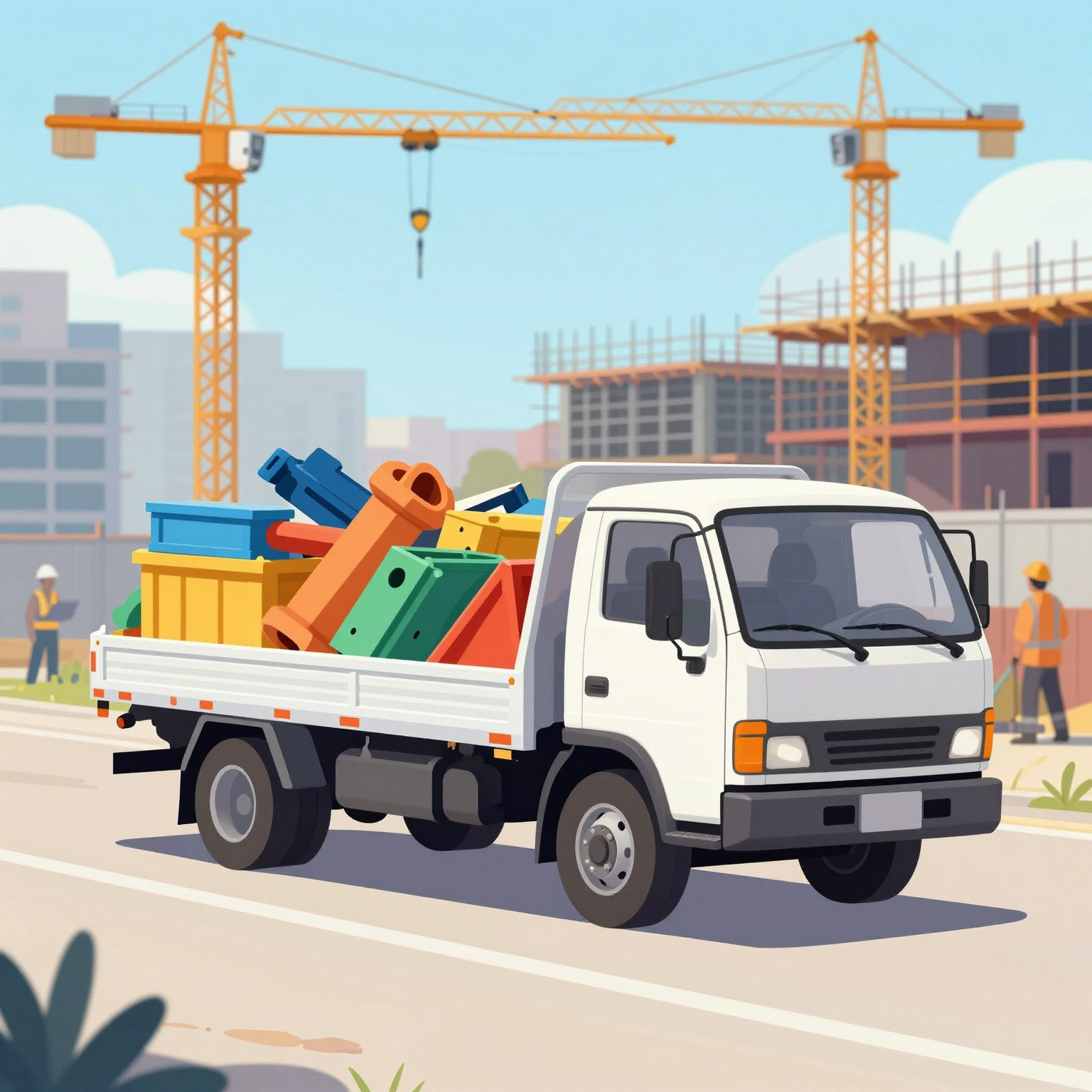
This illustration captures a flatbed mini truck loaded with construction materials, set against a construction site backdrop.
Essential Maintenance Tips for Mini Trucks
Maintaining your mini truck isn’t just about keeping it running; it’s key to ensuring its longevity and reliability, particularly for small business owners and enthusiasts alike. Here are some practical tips that will help you extend the life of your mini truck and keep it in top-notch condition:
1. Regular Oil Changes
Performing regular oil changes every 3,000 to 5,000 miles is crucial. Fresh oil keeps the engine lubricated and functioning efficiently, ultimately prolonging its life. It’s a simple yet effective step that can save you from expensive repairs down the line.
2. Tire Maintenance
Check and rotate your tires at least once a month. Proper alignment and rotation help ensure even wear, which can prevent blowouts. Additionally, maintain the correct tire pressure; underinflated tires can reduce fuel efficiency and make driving less safe.
3. Routine Inspections
Engage in routine inspections of your mini truck. This means looking for fluid leaks, checking the condition of your brake pads, and ensuring your lights are working. A daily walk-around check can help catch issues before they escalate. According to guidelines, vehicles that undergo regular inspections often avoid major breakdowns while complying with safety standards (source).
4. Keep it Clean
Don’t underestimate the power of a clean vehicle! Regular washing and waxing help protect the body from corrosion and dirt buildup, which can hide damage and make inspections difficult. A clean truck is easier to maintain and inspect for potential problems.
5. Maintain Fluid Levels
Check your fluid levels (engine oil, coolant, and brake fluid) monthly. Remember to replace air filters every 15,000 miles. Clean filters enhance engine performance and efficiency.
6. Track Service History
Keep a detailed maintenance log to track when services were performed. This not only helps you stay organized but also provides valuable history for future repairs and is useful for vendors or insurers.
These small but vital steps can significantly enhance your mini truck’s performance while ensuring it serves you for years to come. For more in-depth maintenance strategies, check out our essential mini truck maintenance tips.
Image of a well-maintained mini truck in a workshop setting
By following these practical maintenance tips, you can enjoy your mini truck while maximizing its potential, ensuring it remains a dependable asset for your business or hobby!
Understanding the Longevity of Mini Trucks
Mini trucks are becoming increasingly popular for various uses such as delivery, utility tasks, and personal enjoyment. But how long can you expect these vehicles to last? Let’s break down the statistics on the lifespan of mini trucks.
Average Lifespan Based on Usage
Research indicates that the average lifespan of mini trucks can vary significantly based on their usage, maintenance, and even driving habits. Here are some key insights:
| Factor | Average Lifespan |
|---|---|
| Normal use | 8-12 years |
| High-intensity use | 5-7 years |
| Well-maintained vehicles | 12+ years |
| Non-operational vehicles (rarely used) | 12+ years |
| Rental vehicles | Typically less than 8 years |
According to data from sources like TruckersReport and Bloomberg, regular maintenance and care can greatly extend the lifespan of a mini truck.
Key Takeaways
- Most mini trucks have a lifespan ranging from 8 to 12 years under normal circumstances.
- Vehicles used for more demanding tasks may last around 5 to 7 years.
- A well-maintained vehicle can exceed 12 years of service, which is crucial for small business owners looking to maximize their investment.

Understanding these factors can help you make more informed decisions whether you’re a mini truck enthusiast, a small business owner, or simply curious about these versatile vehicles! Learn more about essential maintenance to help ensure your mini truck lasts as long as possible.
“According to Simon Farrall, Head of Future Production Systems at BMW Group, ‘No matter how it evolves, the core essence of a MINI will never change – a MINI is always a MINI.’ This underscores the timeless design and durability that contribute to the longevity of mini trucks that share this lineage.”
Trends in Mini Truck Usage Over the Last Decade
Mini trucks have gained significant popularity and transformed the logistics landscape over the last decade. Their versatility has turned them into indispensable tools for local businesses and enthusiasts alike.
Key Trends:
- Urbanization and Last-Mile Delivery: With increasing urbanization, the demand for efficient last-mile delivery solutions skyrocketed, particularly in Southeast Asia and Africa.
- Influence of E-commerce: The surge of online shopping significantly contributed to the need for compact delivery vehicles, with mini trucks becoming essential for many logistics operations.
- Cab Configurations: Over this period, single cab models remained popular for their cost-effectiveness, while crew cabs gained traction due to their versatility and family-oriented features.
- Consumer Behavior Shift: The perception of mini trucks is shifting from merely functional utility to lifestyle-oriented vehicles that offer customization and off-road potential.
Here is a chart depicting the trends in mini truck usage from 2013 to 2023:
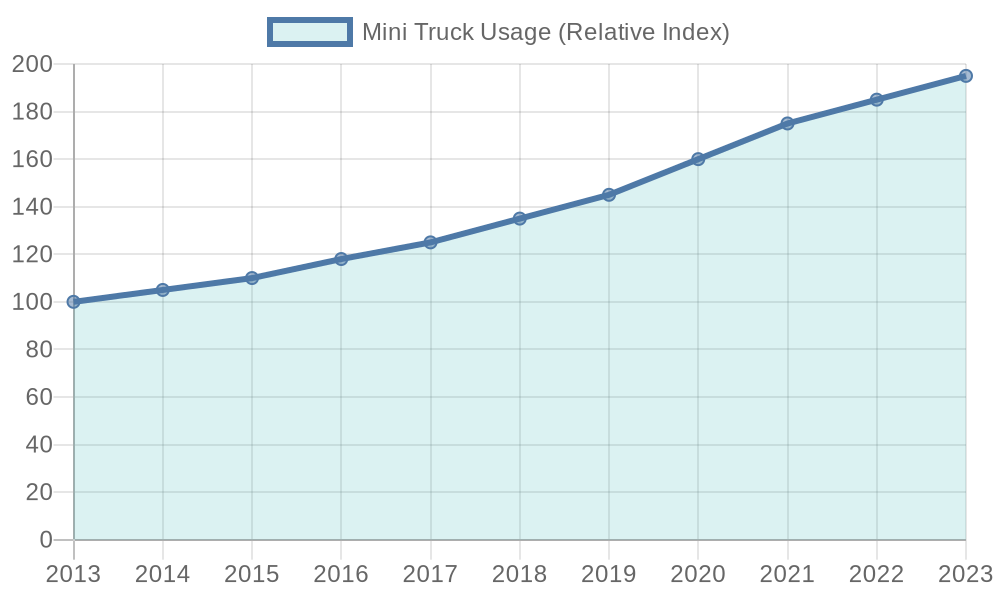
| Year | Mini Truck Usage (Relative Index) | Key Drivers & Events |
|---|---|---|
| 2013 | 100 (Baseline) | Early adoption in developing markets; limited e-commerce integration; single cab models dominate due to cost efficiency. |
| 2014 | 105 | Urbanization accelerates in Southeast Asia and Africa; initial growth in last-mile delivery logistics. |
| 2015 | 110 | Infrastructure expansion projects in India and Indonesia boost demand for compact utility vehicles. |
| 2016 | 118 | E-commerce begins to drive demand for small delivery vehicles; JMC mini trucks gain traction in Middle East markets. |
| 2017 | 125 | Rise of social media influencer culture promoting mini trucks for lifestyle and business use; crew cab models start gaining attention. |
| 2018 | 135 | Increased demand for modular ownership and aftermarket parts; focus on maintenance-friendly platforms. |
| 2019 | 145 | Global supply chain shifts favor local logistics; mini tippers emerge as key players in construction sectors. |
| 2020 | 160 | Pandemic-driven e-commerce boom leads to a surge in last-mile delivery needs; urban congestion increases demand for compact, maneuverable vehicles. |
| 2021 | 175 | Electrification pilots begin; hybrid and electric mini tipper variants introduced; crew cab models see rising preference in multi-generational households. |
| 2022 | 185 | Green logistics regulations tighten globally; increased focus on emission compliance and operational efficiency. |
| 2023 | 195 | Peak in demand driven by post-pandemic infrastructure investments, seasonal construction cycles, and digital control systems in commercial mini trucks. |
For more insights on maintenance tips or how to buy pre-owned mini trucks, check out our guides!
Conclusion
In conclusion, understanding the longevity of mini trucks is essential for anyone considering investing in one, especially local small business owners and mini truck enthusiasts. On average, these vehicles can last between 10 to 15 years with proper care, translating to about 200,000 to 300,000 miles. Key maintenance practices, such as regular oil changes, checking tire pressure, and inspecting brakes, can significantly extend their lifespan. It’s also crucial to recognize that your driving habits and the environment play a pivotal role in determining how long your mini truck will serve you.
Investing in quality maintenance and timely upgrades can make all the difference in enhancing your mini truck’s performance and longevity. As you look to optimize your vehicle, consider exploring premium accessories and customization options.
Elevate your mini truck experience today by checking out Summit Fairings. With our high-quality fairings and accessories, your mini truck can not only look great but also perform at its best for many years to come!