
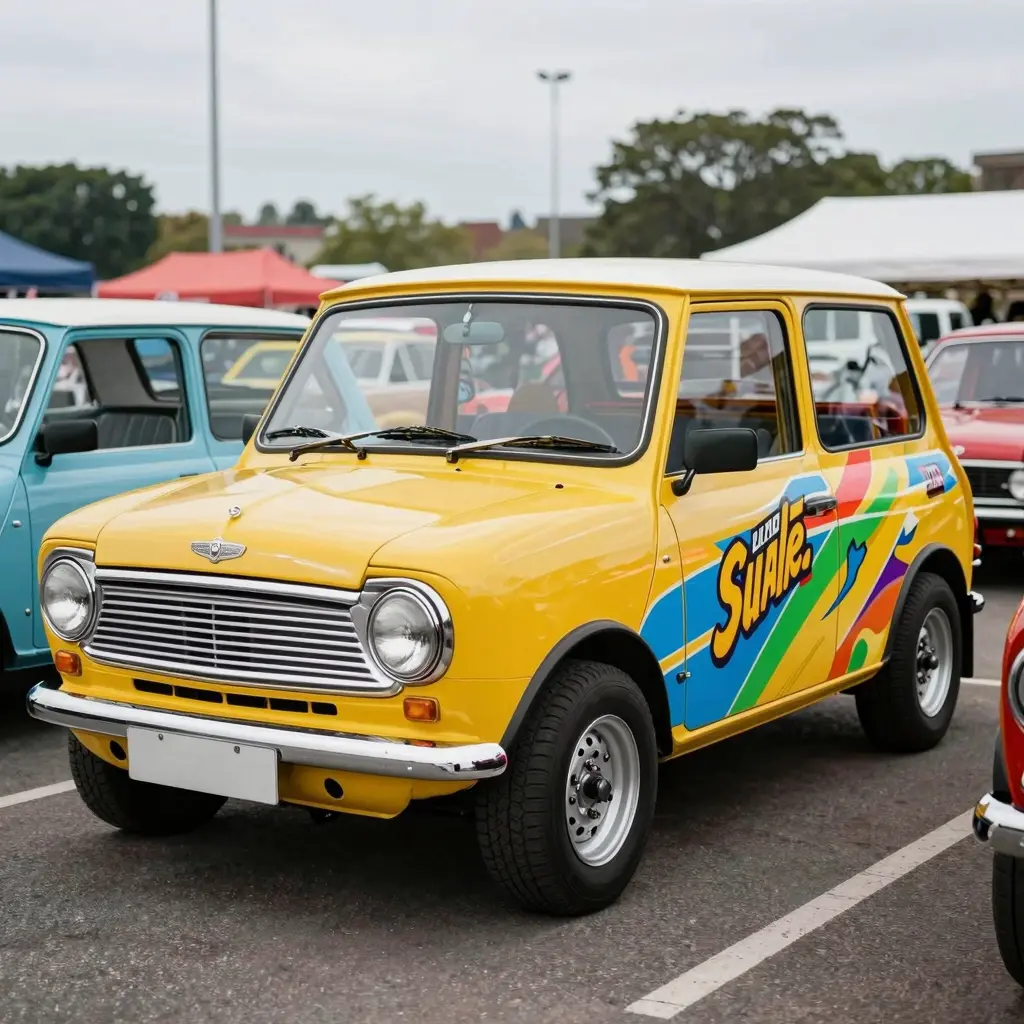
Welcome to the colorful world of mini trucks! Whether you’re cruising through town or parked at a mini truck meet, nothing turns heads faster than a freshly painted ride. Now the burning question on every mini truck enthusiast’s mind (and every DIY warrior’s to-do list) is: “How many cans of paint will I need for a full paint job?” This isn’t just a numbers game; it’s about bringing your unique style to life and perhaps turning your mini truck into the canvas of your dreams!
Imagine rolling up to a meet with a vibrant, custom paint job that screams your personality. It’s like wearing your favorite band’s t-shirt-not just any shirt, but the one that’s perfectly faded and tells a story. But there’s a fine line between a stunning masterpiece and a chaotic mess of colors, and the right amount of paint is essential to avoid looking like you were attacked by a rogue rainbow! So grab your brushes and join us as we delve into the fun, colorful world of mini truck paint jobs, and find out just how many cans you’ll need to transform your truck into a work of art. Remember, our community is all about creativity and sharing the journey, so let’s get started! Explore more about the mini truck scene here!
Time to strip away the guesswork, and let’s paint the town (or your truck) red-or any color that speaks to you!
Factors Affecting Paint Requirements for a Mini Truck
When it comes to determining how much paint you’ll need for your mini truck, several key factors come into play. Understanding these elements can help you accurately estimate the quantity of paint required for a successful job. Here are some important considerations:
-
Truck Size: The surface area of your mini truck is critical in calculating paint requirements. Smaller trucks typically require about 5-7 liters of paint for a full body repaint, while larger models can need anywhere from 8-10 liters. The complexity of the shape also influences the total volume needed – more curves and crevices mean more paint!
-
Color Choice: The color type can significantly impact paint usage. Metallic and pearlescent paints require more layers and careful mixing than standard solid colors, which can increase the amount of paint needed by up to 50%. Light colors typically need more coats to ensure full coverage, while darker shades may require fewer.
-
Application Method: The technique used in applying paint can affect how much you use. For instance, traditional spray methods can result in overspray and waste, leading to an estimated loss of 10-20% of paint. Using efficient application techniques and equipment can help reduce this waste.
-
Condition of the Surface: If your mini truck’s surface is rough or already has wear and tear, it may necessitate additional primer and layers of paint for proper coverage. Preparing the surface properly can help mitigate extra paint consumption.
-
Environmental Conditions: The temperature and humidity during the painting process can influence the viscosity of the paint, which may either increase or decrease how much paint is needed for effective coverage.
Each of these factors plays a role in determining the amount of paint you’ll need to achieve the desired finish on your mini truck. To dive deeper into related topics, check out our guide on mini truck paint and discover more tips from the Ocala mini truck community.
Comparison of Paint Types for Mini Trucks
When it comes to painting your mini truck, selecting the right type of paint can make a significant difference in the overall appearance and durability of your vehicle. Below is a comparison table of popular paint types suitable for mini trucks, highlighting their coverage per can and recommended application methods.
| Type | Coverage per Can (Approximate) | Application Methods | Key Characteristics |
|---|---|---|---|
| Acrylic Paint | 150-200 sq ft per can | Spray gun, brush, roller | Fast-drying, water-based, good for indoor/outdoor use, moderate durability, easy cleanup with water |
| Enamel Paint | 400-600 sq ft per gallon | Spray gun, brush | Durable, glossy finish, resistant to chipping and fading; requires solvent-based cleaner for cleanup |
| Urethane Paint | 400-600 sq ft per gallon | Spray gun (HVLP preferred), professional-grade airless sprayer | High durability, excellent resistance to UV, chemicals, and abrasion; ideal for exterior surfaces; requires proper ventilation and priming |
Note: Coverage varies based on surface texture, application technique, and paint thickness. For mini trucks, urethane is recommended for long-term protection and appearance.
Additional Insights
If you’re considering a complete overhaul or just touch-ups, understanding the nuances of these paint types is crucial. For a deeper dive into mini trucks, check out our articles on the Ocala Mini Truck Community and tips on essential mini truck maintenance.
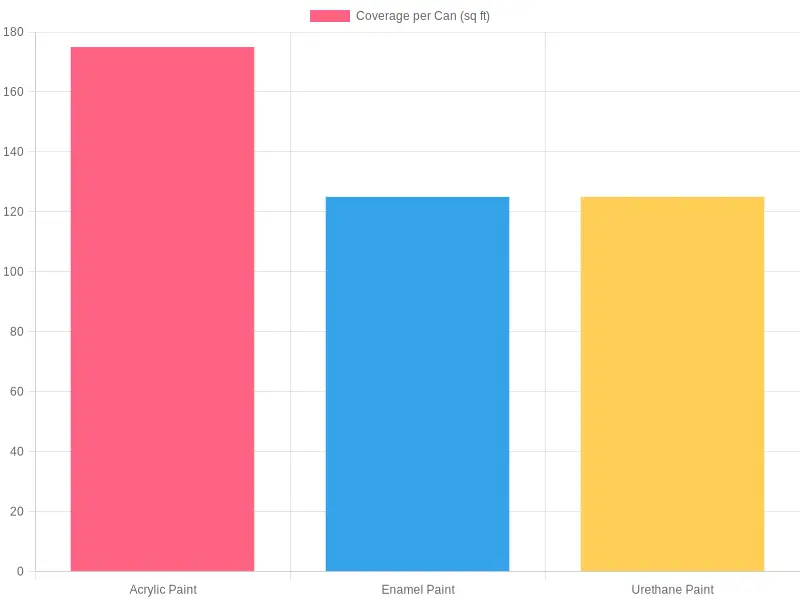
This chart offers a visual representation of the differences in coverage between Acrylic, Enamel, and Urethane paints. Keep this in mind when planning your painting project!
How to Calculate the Amount of Paint Needed for Your Mini Truck
If you’re a mini truck enthusiast ready to give your vehicle a fresh coat of paint, you might wonder: how much paint will I really need? Let’s break it down into a simple, step-by-step guide that will help you get the right amount without overspending or running short.
Step 1: Measure Your Truck
Start by measuring the key dimensions of your mini truck to estimate its surface area:
- Length: Measure from the front bumper to the back.
- Width: Measure across the widest part, usually at the doors.
- Height: Measure from the ground to the roof.
Step 2: Calculate the Surface Area
Using your measurements, you can calculate the surface area that you plan to paint. For a rough estimation, use the following formula:
[
\text{Surface Area} = 2(\text{Length} \times \text{Height}) + 2(\text{Width} \times \text{Height}) + (\text{Length} \times \text{Width})\
]
You can divide your truck into simple shapes to make it easier.
Step 3: Determine the Number of Coats
Consider how many coats of paint you want to apply. One coat is often sufficient for a fresh look, but applying two or more can enhance the color and durability.
- For a standard job, two coats are commonly recommended.
Step 4: Understand Paint Coverage
One gallon of paint typically covers about 350 square feet for a single coat. However, if you’re using a spray gun, you may achieve only about 50-70% efficiency due to overspray and waste. Adjust your calculations accordingly.
Step 5: Calculate the Required Amount of Paint
Here’s the formula to calculate how much paint you’ll need based on your surface area, the number of coats, and the coverage rate:
[
\text{Required Paint (gallons)} = \frac{\text{Surface Area (sq ft)} \times \text{Number of Coats}}{\text{Coverage Rate (350 sq ft/gal)} }\
]
Example Calculation:
If your mini truck has a calculated surface area of 600 sq ft and you want two coats:
[
\text{Required Paint} = \frac{600 \times 2}{350} \approx 3.43 \text{ gallons}\
]
Step 6: Account for Waste
It’s wise to add an additional 10-15% to your total calculated amount for any mistakes or touch-ups. This ensures you have enough paint on hand.
Summary Table
Here’s a helpful table summarizing paint needs for varying surface areas and coats:
| Surface Area (sq ft) | Number of Coats | Required Paint (gallons) |
|---|---|---|
| 200 | 1 | 0.57 |
| 200 | 2 | 1.14 |
| 300 | 1 | 0.86 |
| 300 | 2 | 1.71 |
| 400 | 1 | 1.14 |
| 400 | 2 | 2.29 |
| 500 | 1 | 1.43 |
| 500 | 2 | 2.86 |
Conclusion
By following these steps, you can confidently calculate the amount of paint you’ll need for your mini truck project. Happy painting! If you’re looking for accessories and tips to improve your mini truck experience, check out our community and get involved!
Preparation Tips Before Painting a Mini Truck
Before diving into the exciting project of painting your mini truck, it’s essential to ensure that the surface is perfectly prepared. This preparation work can significantly affect the durability and look of your finished paint job. Here are some essential steps to follow:
1. Clean the Surface Thoroughly
Start by cleaning your mini truck with a dedicated automotive cleaner. This helps to remove grease, oil, dirt, and any other contaminants that could jeopardize the adhesion of the paint. Use a soft brush and a non-abrasive cleaner, making sure to rinse thoroughly and let the vehicle dry completely. For deeper cleaning, a degreaser is also recommended to tackle stubborn contaminants. A well-prepped surface will provide better results (
Car and Driver).
2. Sand the Surface
After cleaning, the next step is sanding. Use medium-grit sandpaper (about 80-120 grit) to lightly scuff the entire area you plan to paint. This creates a ‘key’ for the primer and paint to adhere to. Focus on smoothing out any imperfections and removing old paint if necessary. After sanding, wipe down the area with a tack cloth to eliminate all dust and debris (
Popular Mechanics).
3. Prime the Vehicle
Once the surface is clean and sanded, applying a high-quality automotive primer is crucial. Choose a primer that matches the material of your mini truck, whether metal or plastic. Apply in thin layers for even coverage, allowing each coat to dry as per the manufacturer’s instructions. This step ensures a smooth surface for the paint, improving adhesion and finish quality.
By following these preparation tips, you’ll set your mini truck up for a successful and long-lasting paint job. Don’t rush through the prep work; it’s the foundation of a great paint finish!
Mini Truck Owners’ Painting Experiences
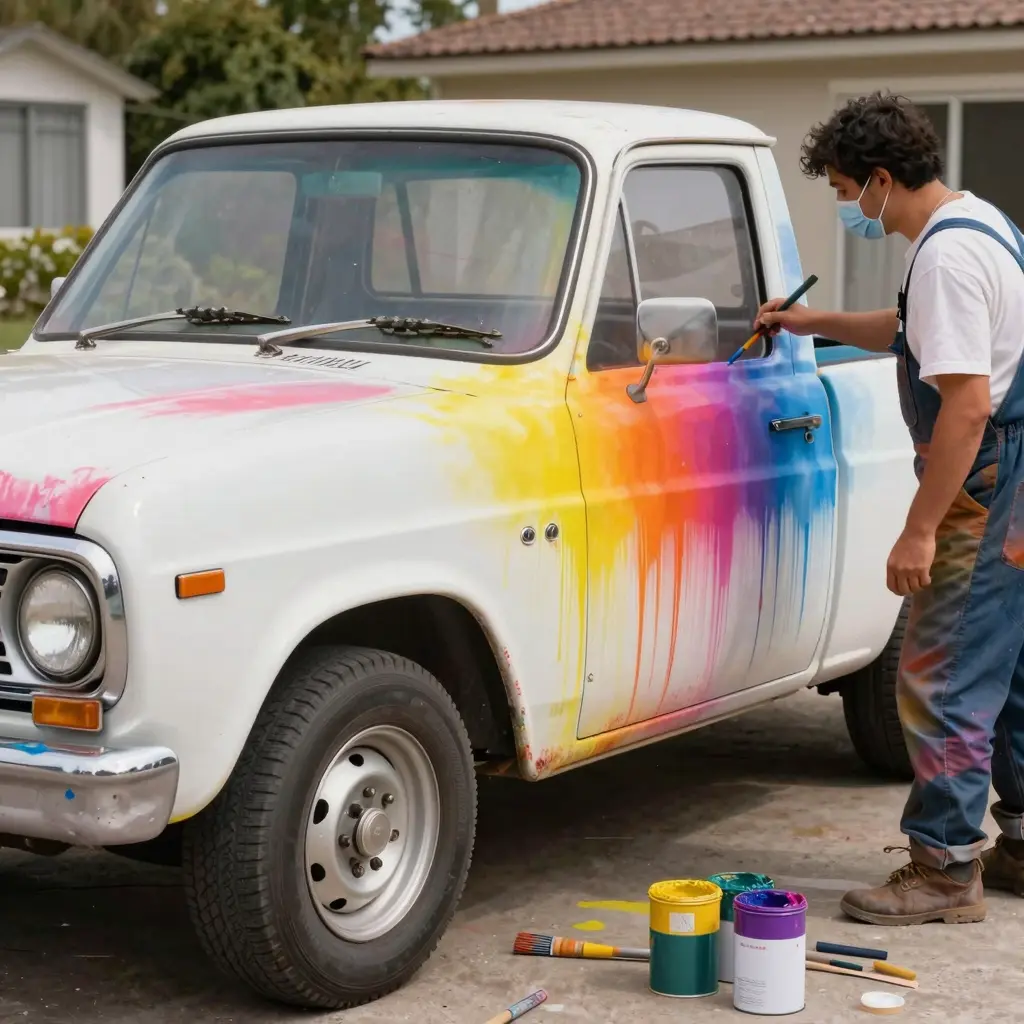
Painting a mini truck is not just about aesthetics; it’s an opportunity for owners to express their creativity and pride in their vehicles. Many mini truck owners have shared their coloring journey, highlighting not only the satisfaction of a fresh paint job but also the tips and tricks they’ve learned along the way.
“Investing in a quality spray gun made all the difference! The even coverage was worth every penny.” – Jane D.
From durability to enhanced curb appeal, insights from the community reflect a collective joy in their mini trucks’ transformations. For instance, a feature from TruckLife Magazine revealed that using modern automotive paints like ceramic-coated finishes can lead to better resistance against scratches and UV damage. Many recommend using professional-grade primers and spraying multiple thin coats for the best results.
Another article from AutoCustoms Online Blog compiled experiences where owners emphasized the importance of prepping surfaces thoroughly and taking progress photos. This attention to detail not only enhances the final look but also reduces the chance of mistakes during the process.
A survey by Consumer Reports highlighted that 78% of owners were satisfied with their painting results, especially when they either used professional paint kits or enlisted local shops. They noted challenges such as uneven spray patterns but shared solutions like practicing on scrap materials to build skills.
In summary, mini truck painting can be a rewarding project brimming with personal expression. Gather tips from fellow enthusiasts and ensure your truck stands out on the road!
In conclusion, understanding the paint requirements for your mini truck is crucial for achieving an aesthetic that not only looks great but stands the test of time. Different variables such as the paint type, application method, and environmental factors all play significant roles in enhancing your truck’s appearance while ensuring its durability. By selecting the right coatings-such as epoxy primers and acrylic polyurethane topcoats-you can protect your investment against the elements and wear and tear, ultimately preserving its value and extending its lifespan.
With carefully chosen colors and finishes, you can transform your mini truck into a true reflection of your personality and style, making it stand out on the road. Whether you’re a mini truck enthusiast or a small business owner utilizing these versatile vehicles, understanding these details can lead to impressive results.
If you’re looking to take your vehicle to the next level, consider the premium paint options designed specifically for mini trucks. Ready to elevate your ride? Summit Fairings delivers premium finishes that combine quality and style, ensuring your mini truck not only looks amazing but performs at its best too.
Fun Fact About Mini Trucks
Did you know that mini trucks are not just for work anymore? In fact, many enthusiasts are transforming these small vehicles into stylish camping machines! With just a simple paint job and some camping gear, a mini truck can become a mobile adventure base. This trend showcases both creativity and functionality-bringing together the thrill of camping and the compact efficiency of mini trucks. Many young adventurers are embracing this lifestyle, making mini trucks a pop culture icon for those seeking freedom on the road! For example, some fans are customizing their vehicles with rooftop tents and solar panels to enhance their outdoor experience, merging utility with creativity.

Popular Paint Colors for Mini Trucks
Based on recent survey data, the most popular paint colors chosen by mini truck owners are as follows:
| Color | Percentage |
|---|---|
| White | 40% |
| Silver/Gray | 20% |
| Blue | 15% |
| Red | 10% |
| Yellow/Gold | 10% |
| Other | 5% |
As you can see from the chart, white remains the dominant choice for mini truck enthusiasts, followed by silver/gray and other vibrant colors. For a deeper dive into mini truck customization options, check out our guide!