
Introduction
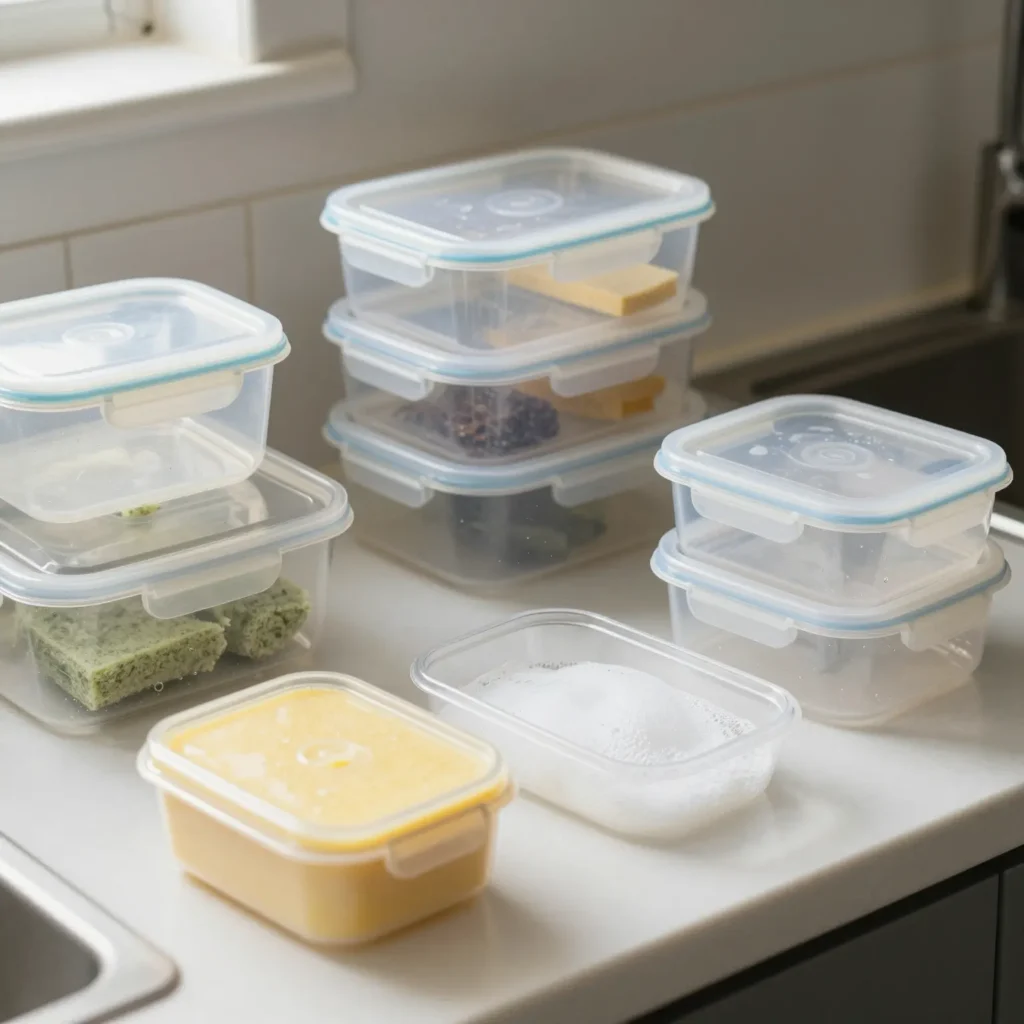
Plastic food containers have become an inseparable part of the food service landscape, especially in bustling environments like bubble tea shops, restaurants, and food trucks. These containers offer convenience, versatility, and an efficient way to store food and beverages. However, with this convenience comes the critical responsibility of maintaining hygiene. Keeping clean plastic food containers is not just a matter of aesthetics; it is vital for health and safety. Bacteria and food residues can accumulate, posing risks to customers and staff alike. Regular and thorough cleaning not only helps in adhering to health regulations but also ensures your customers enjoy their meals without the worry of contamination. Moreover, a clean environment reflects the quality and professionalism of your service, enhancing customer loyalty and trust. In this article, we will explore the best methods to keep your plastic food containers sparkling clean, ensuring safety and satisfaction in every bite. Whether you are managing a bustling restaurant or catering a corporate event, these tips will keep your food containers in top shape!
If you’re interested in exploring sustainable options for your food packaging, check out our selection of paper packaging products.
Benefits of Cleaning Plastic Food Containers
Maintaining clean plastic food containers is essential for businesses in the food industry, including bubble tea shops, restaurants, and catering services. Here are the primary benefits of regularly cleaning these containers:
- Enhanced Hygiene: Regular cleaning prevents bacterial growth, which can lead to foodborne illnesses. A clean container minimizes the risk of cross-contamination, especially when dealing with different food items.
- Improved Food Safety: Ensuring that containers are free from residues and contaminants is vital for food safety. Clean containers help maintain safe food handling practices, thus providing a safer dining experience for customers. Learn more about food safety tips here.
- Long-Term Durability: Proper cleaning techniques prolong the lifespan of plastic containers. Using appropriate cleaning agents helps protect the material from degradation and warping, ensuring that containers remain usable for a longer time.
- Cost-Effective Maintenance: Investing time in regular cleaning can save money in the long run by extending the life of containers and reducing the need for frequent replacements.
- Professional Image: Clean and well-maintained containers enhance the overall presentation of your food products, contributing to a more professional image.
- Compliance with Health Regulations: Regular cleaning is often required to comply with health codes and regulations, ensuring that your business remains in good standing with local health authorities. This applies especially in food preparation environments where hygiene standards are strictly enforced.
For related products that support container maintenance, you can check out our range of paper packaging options. Keeping your containers and the surrounding environment clean is not just about aesthetics; it’s about ensuring the well-being of your customers and the success of your food business.
| Cleaning Method | Effectiveness | Cost | Ease of Use | Pros | Cons |
|---|---|---|---|---|---|
| Hand Washing | Very effective for oily stains | Low (soap & water) | Moderate | – Better control over cleaning – Effective for tough stains |
– Time-consuming – Requires effort and scrubbing |
| Dishwasher | Generally effective | Medium (energy & detergent) | Easy | – Convenient for multiple items – Time-saving |
– May not clean stubborn residues effectively |
| Vinegar Solution | Good for deodorizing | Low (vinegar) | Easy | – Natural disinfectant – Deodorizes containers |
– Less effective on heavy grease |
| Baking Soda Paste | Effective for tough stains | Low (soda) | Moderate | – Gentle abrasive for scrubbing – Removes tough odors |
– Requires some preparation and scrubbing |
Overview
- Hand Washing: Recommended for effective removal of oily patches; using dish soap and hot water is encouraged for thorough cleaning (source).
- Dishwasher: Convenient for cleaning multiple containers, although it may not be as effective for stubborn residue compared to hand washing (source).
- Vinegar Solution: A natural cleaning option that can deodorize and disinfect, but might not cut through grease as effectively.
- Baking Soda Paste: Effective against tough stains and odors but requires some elbow grease for scrubbing.
This comparison aims to assist food service providers and event planners in selecting the best cleaning method for their plastic food containers, helping them maintain hygiene efficiently and cost-effectively. For more about eco-friendly options, check out our sugarcane tableware.
Eco-Friendly Cleaning Options for Plastic Food Containers
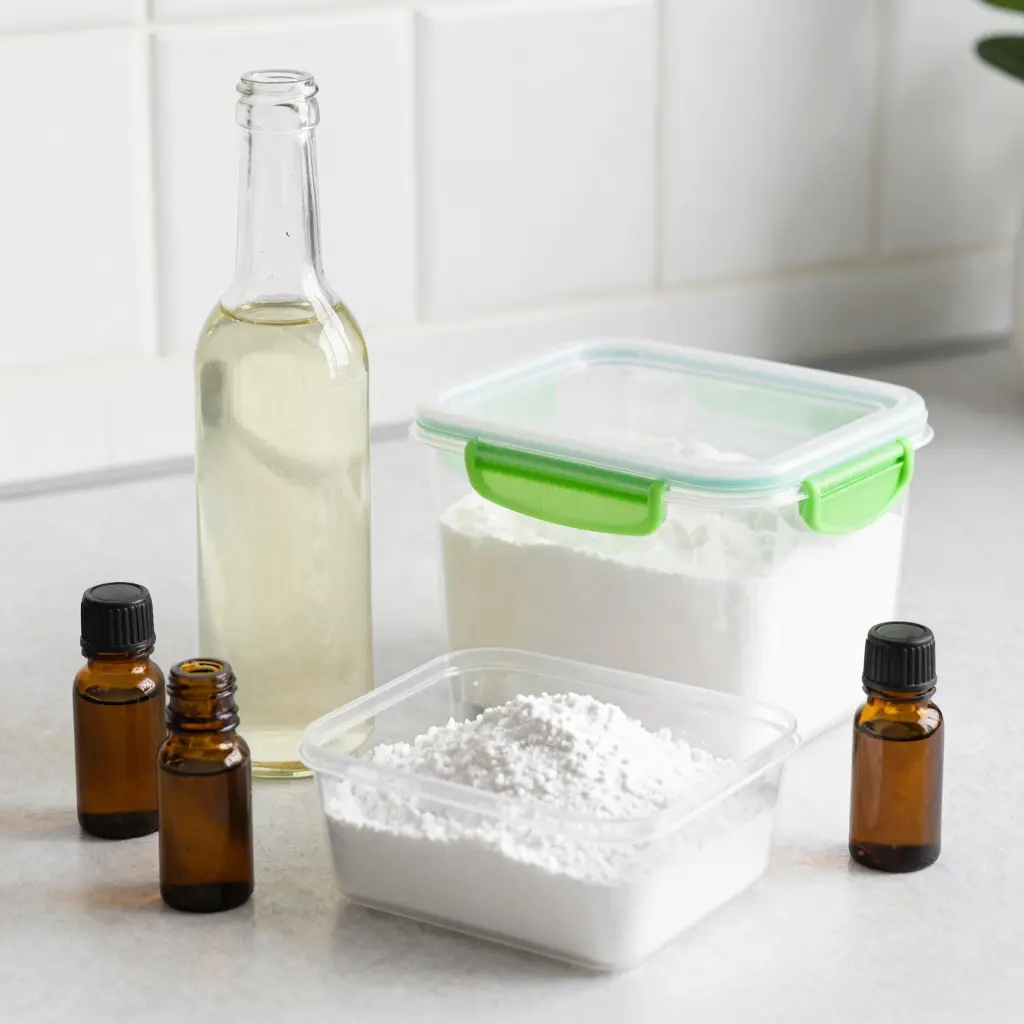
In the quest for maintaining cleanliness while being eco-conscious, using eco-friendly cleaning methods is essential. For cleaning plastic food containers, natural ingredients offer an effective and sustainable alternative to commercial cleaning products. Ingredients like vinegar, baking soda, and lemon juice can effectively eliminate stains and odors typically trapped in containers after storing various foods. For instance, to tackle stubborn residue from sauces, a mixture of vinegar and baking soda serves as an abrasive yet gentle cleaner that is safe for both the environment and your health. These natural solutions not only ensure that your containers remain in top condition but also promote sustainable practices in your kitchen operations. Employing these methods supports a commitment to reducing chemical use and waste, aligning with a broader mission of eco-conscious dining solutions. For restaurants and food service providers, adopting such practices not only enhances hygiene but also demonstrates a commitment to sustainability, inspiring customers to also embrace greener habits in their own homes. By taking small steps towards eco-friendly cleaning methods, businesses can play a significant role in protecting the environment while delivering quality service. Check out our collection of paper packaging solutions that complement eco-friendly practices in your operations!
Tips for Maintaining Cleanliness of Plastic Food Containers
Maintaining cleanliness in your business’s plastic food containers is crucial for both hygiene and extending the life of the products you serve. Here are some practical tips for effective container care:
- Avoid Harsh Chemicals: Stick to mild detergents and natural cleaning solutions like baking soda or vinegar. Harsh chemicals can degrade the plastic over time and may leave harmful residues.
- Use Warm Water: When washing your containers, use warm, soapy water. This helps dissolve grease and food residues more effectively than cold water.
- Rinse Thoroughly: After washing, ensure that you rinse the containers thoroughly to eliminate any remaining soap or cleaning agents.
- Dry Thoroughly: To prevent mold and odors, make sure to dry your containers thoroughly before stacking or storing them. Use a clean kitchen towel or allow them to air dry.
- Avoid High Dishwasher Settings: While most plastic containers are dishwasher safe, placing them on the top rack and using a lower heat setting can prevent warping.
- Store with Lid Off: To keep your containers fresh, store them with the lids off. This helps with air circulation and prevents odors from lingering.
By following these tips, businesses like bubble tea shops, restaurants, and food trucks can maintain a high standard of cleanliness and ensure their customers receive the best experience possible.
User Reviews on Cleaning Plastic Food Containers
Cleaning plastic food containers is a task many face, particularly in food-related businesses. Various methods are employed, with user feedback highlighting both pros and cons of these techniques. Here’s a summary of insights gathered from reviews across multiple platforms.
Effective Cleaning Methods
-
Vinegar and Baking Soda: Many users find success with the combination of vinegar and baking soda. Articles like those from Apartment Therapy detail TikTok cleaning hacks that showcase the effectiveness of these ingredients in removing stains and odors. Users noted a significant improvement in the cleanliness of their containers, especially for stubborn residues.
-
Dish Soap with Warm Water: Another widely accepted method includes using dish detergent with warm water. According to Clean My Space, scrubbing with this mixture can remove grease and lingering food particles effectively. User reviews confirm that this method is simple yet reliable for regular cleaning maintenance.
-
Salt for Odor Removal: Some creative users have suggested storing containers with salt to absorb odors. This tip, shared by users on platforms like Pinterest, highlights how a natural ingredient can provide relief from persistent smells, offering a safe alternative without harsh chemicals.
Mixed Results and Alternatives
-
Toxic Free Alternatives: A discussion on alternative cleaning agents, notably in a source from Liverpool Echo, highlights a user’s claim that there are better natural cleaning solutions than traditional vinegar and baking soda combinations. Users have shared mixed results regarding the efficacy of these methods compared to more commercial products.
-
Inconsistent Performance with Other Hacks: While many find success with viral cleaning hacks, some users argue that experiences can vary greatly. For instance, the effectiveness of using sunlight is noted in Foodal, with users reporting differing results based on container types and the intensity of the stains.
Conclusion
In summary, while methods like vinegar and baking soda tend to receive positive feedback for their effectiveness in cleaning plastic food containers, alternatives exist that may offer improved results for some individuals. Exploring various techniques and sharing personal experiences can help optimize cleaning strategies in food-related businesses.
By adopting a blend of these strategies, such as those discussed in Green Dispopack, professionals can maintain hygiene standards while being mindful of the materials used.
In conclusion, maintaining the cleanliness of plastic food containers is not just a matter of preference-it’s a crucial aspect of ensuring health and safety in any food service environment. Dirty containers can harbor bacteria, potentially compromising the safety of the food served, and leading to serious health risks such as those highlighted in recent studies. For beverage chains, restaurants, and food trucks striving for excellence, understanding the best practices for cleaning these containers is essential. By choosing quality cleaning products and solutions, you can safeguard not only the health of your customers but also the reputation of your business. At Green Dispo Pack, we offer a range of top-notch cleaning and packaging products designed to meet your every need. Discover our solution for your food service requirements and ensure the highest standards of cleanliness and safety; check out our eco-friendly packaging options today!
The Importance of Cleanliness in Food Service Operations
In any food service operation, the emphasis on cleanliness is paramount. Cleanliness not only affects the quality of the food served but also plays a significant role in ensuring the health and safety of customers and staff alike. As the U.S. Food and Drug Administration (FDA) states, “Regular cleaning and sanitizing of food preparation areas, equipment, and utensils help to minimize the risk of foodborne illnesses. An effective cleanliness program can reduce contamination risks and ensure compliance with health regulations.”
Ensuring a clean environment is not just about aesthetics; it directly correlates with public health. Cleanliness can prevent pest infestations, spoilage of food, and the spread of pathogens that could lead to foodborne diseases.
Additionally, maintaining strict cleanliness protocols can enhance workplace efficiency and safety. Keeping the kitchen and dining area clean fosters a positive environment for both employees and customers.
Best Practices for Cleaning Plastic Food Containers
To maintain the highest hygiene standards, it’s essential to know the best practices for cleaning plastic food containers, often used in catering services and event planning. Here are some tips:
- Use hot water and soap: Always wash with warm soapy water to remove grease and residues.
- Sanitize regularly: After washing, use a food-safe sanitizer to ensure all surfaces are free of bacteria.
- Avoid abrasive cleaners: They can damage the surface of the plastic and harbor bacteria.
For high-quality eco-friendly food containers and more cleaning supplies, check out Green Dispo Pack’s selection of paper packaging for sustainable options.
Recommended Cleaning Frequency for Plastic Food Containers
Maintaining proper hygiene in food service environments is crucial, especially for plastic food containers. Here’s a simple chart outlining the recommended cleaning frequencies based on different usage scenarios:
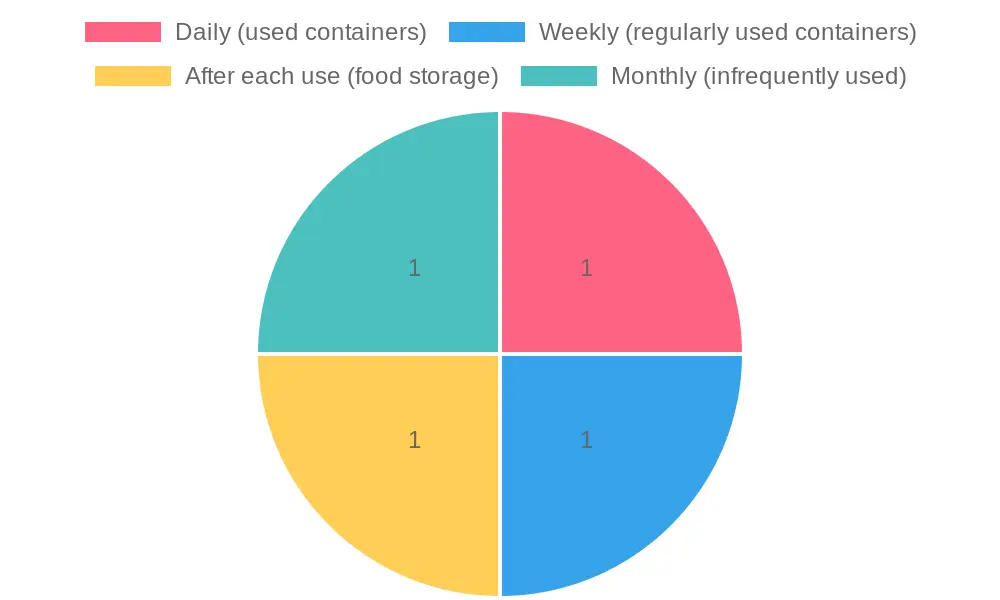
| Use Scenario | Recommended Cleaning Frequency |
|---|---|
| Daily (used containers) | Clean after each use |
| Weekly (regularly used containers) | Clean weekly |
| After each use (food storage) | Clean immediately after use |
| Monthly (infrequently used) | Clean monthly |
For more tips on selecting the best containers for your food service needs, check out our paper packaging options and sugarcane tableware.