
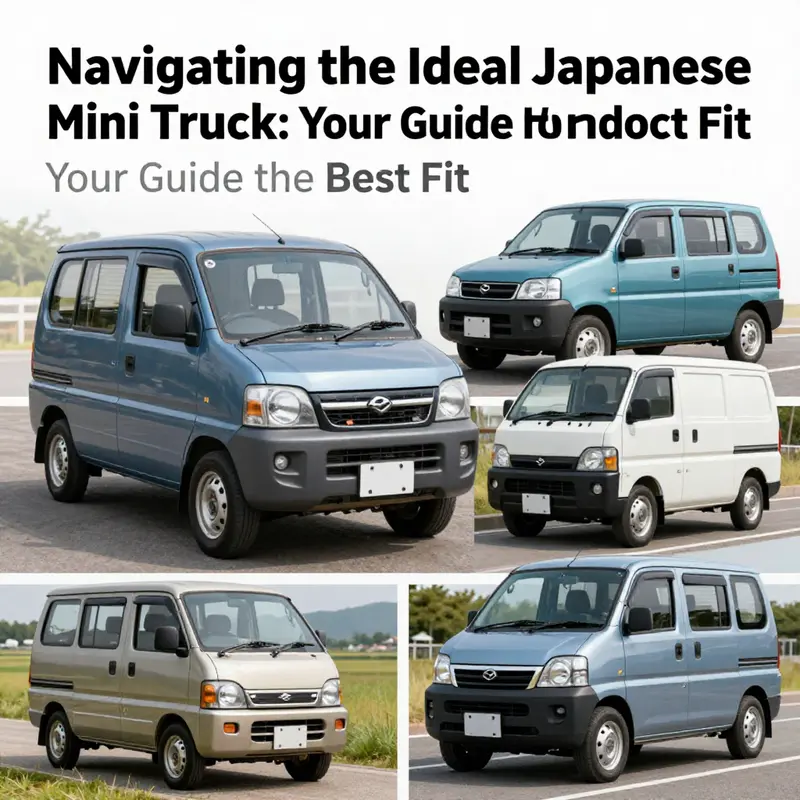
If you’re a local small business owner, property owner, or simply a mini truck enthusiast, the quest for the ideal Japanese mini truck can feel overwhelming. Each option has distinct advantages, and understanding these can transform your operational efficiency or recreational use. This guide dives deep into three standout models—the Daihatsu Hijet, Suzuki Carry, and Mazda Bongo Box—evaluating their features, efficiency, and comfort. By the end, you’ll have a clearer view of which mini truck best suits your unique requirements and lifestyle. Each chapter will equip you with valuable insights to help with this critical decision, setting the stage for an informed choice.
Choosing the Compact Answer: A Deep Dive into the Best Japanese Mini Trucks for Urban and Rural Work
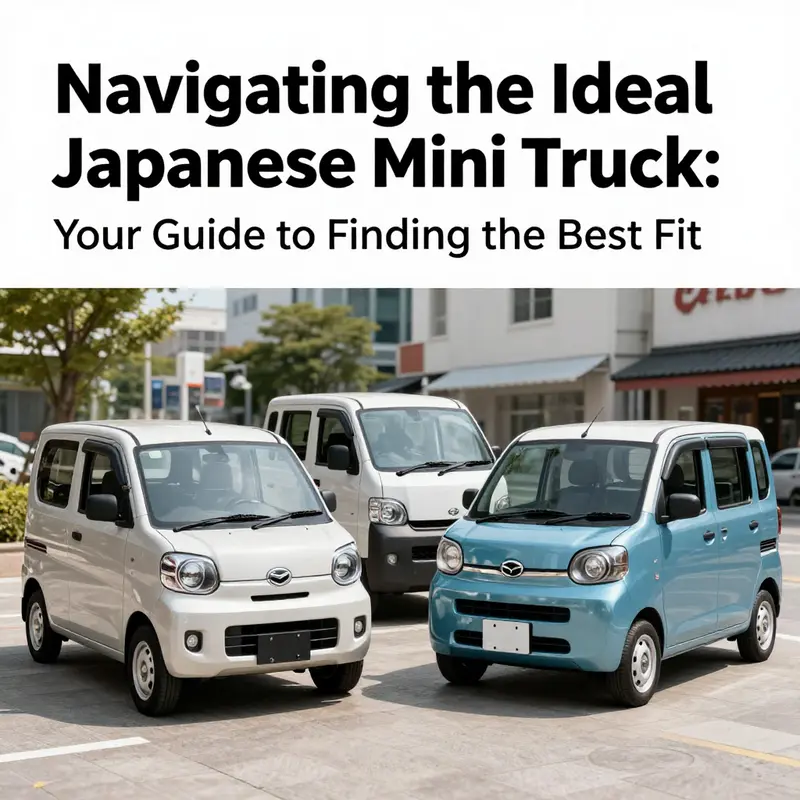
When the question about the best Japanese mini truck arises, it helps to shift from chasing a single trophy to understanding how each tiny workhorse fits a specific job. The compact truck landscape is a family of practical solutions designed to keep freight moving in tight spaces, fuel bills manageable, and maintenance simple. The best choice, in short, depends less on a single metric and more on how the vehicle blends into the daily routine of a business or a city dweller who needs utility without sacrificing maneuverability. In this sense, the conversation becomes less about names and more about archetypes—the four main roles these machines play—and how each one translates into the realities of real-world work. To see a broader, side-by-side sense of how related options compare, consider a focused comparison resource that presents several chassis and configurations side by side: comparing-kingstar-kruzr-models-specs-features.
The first archetype centers on off-road resilience. In rural lanes where gravel ruts, mud patches, or snow can pause progress, a compact truck with four-wheel drive and a higher ground clearance becomes less of a curiosity and more of a necessity. The 4WD configuration is not simply about crawling over obstacles; it’s about sustaining pace when traction is scarce and turning potential trouble into predictable performance. A robust suspension, durable leaf springs, and a chassis designed to tolerate rough terrain translate into fewer days wasted on recoveries and more time delivering on time. For operators who trek between farm plots, seasonal markets, or remote construction sites, this archetype offers the confidence to press forward when a plain two-wheel drive machine would stall. It is easy to overvalue outright horsepower in such a setup, but the real strength lies in predictable torque delivery and the ability to keep moving under varied conditions, even when the road surface feels uncertain. In city contexts, this same setup can prove its worth in wheel-to-wheel efficiency: short hops between stops without the baggage of a specialized van, yet with enough grip to handle slick or uneven pavement after rain.
The second archetype is cargo-centric and built for rugged throughput in tight spaces. This is the chassis that prioritizes payload capacity and a straightforward, sturdy drivetrain over sumptuous interiors or ride quietness. Think of a small truck with a compact footprint that can carry substantial loads in and out of urban back streets, farm lanes, or poorly maintained side roads. The bed geometry matters here—an open platform that accepts a wide variety of cargo and accessories, paired with a simple, dependable powertrain. For daily deliveries, especially those that require frequent loading and unloading on non-ideal surfaces, this archetype shines by minimizing time wasted on maneuvering and maximizing time spent moving goods. The payoff is a lower, steadier total cost of ownership because the vehicle is designed to survive constant use rather than to dazzle with modern gadgetry. While not engineered for passenger comfort, these trucks excel at staying reliable under heavy workloads and adverse conditions, turning every shift into a sequence of efficient, predictable tasks.
A third archetype emphasizes passenger space and versatile interior configurations. In many small-business scenarios, the machine doubles as a mobile workshop, service vehicle, or shuttle for crews who need to reach job sites with people and tools in comfort. This version of the mini truck balances practical cargo space with a more accommodating cabin, offering configurable seating or enclosed compartments for equipment. The cabin becomes a flexible workspace, enabling rapid reconfiguration for different tasks—mobile clinics, on-site repair setups, or temporary command posts at a worksite. The payoff here is not top-end speed or plush ride quality, but the ability to adapt to changing work demands without buying multiple vehicles. When a business model hinges on converting the same vehicle from passenger transport to task-specific rack-and-cassette setups, this archetype proves especially valuable by reducing capital expenditure while still delivering respectable efficiency and ease of use.
The fourth archetype is oriented toward urban logistics—compact size with strong fuel economy, nimble handling in dense traffic, and a design that prioritizes efficiency over last-century luxury. These trucks are the everyday workhorses of city centers, couriers, and delivery fleets that must squeeze every mile out of each gallon and navigate narrow streets, tight loading bays, and curbside constraints. The equipment pack is typically modest but practical, with emphasis on reliability, low running costs, and simple, scalable maintenance. In bustling environments, the smallest footprint becomes a tangible advantage: easier parking, quicker turns, and faster door-to-door service. The best version of this archetype pairs efficient powertrains with refined urban ergonomics—compact yet comfortable enough for long shifts, and equipped with safety features that help with urban risks such as pedestrian traffic or crowded loading zones.
Across these archetypes, a few constants emerge that help determine which path makes the most sense for any given user. First, consider the actual operating environment: the proportion of urban streets to rural roads, the typical surface condition, and the likelihood of abrupt weather changes. Second, weigh payload against space: a higher payload is valuable, but not if it leaves you with a bed so crowded you cannot fit the goods you actually move or the equipment you need. Third, total cost of ownership matters as much as sticker price. A vehicle that costs less upfront but incurs higher maintenance costs or fuel consumption may end up being more expensive in the long run. Fourth, safety and comfort aren’t luxuries but productivity tools. A cabin that reduces fatigue, a drive layout that minimizes driver distraction, and a set of active safety features can extend the useful life of a vehicle and expand its practical work horizon.
In practice, the best choice among these archetypes is determined by a simple question: what is your primary job? If off-road capability and resilience under harsh conditions are non-negotiable, the four-wheel-drive rig with higher ground clearance becomes the natural pick. If moving heavy, awkward cargo through an urban maze is the daily grind, a rugged cargo-focused model that keeps payload and bed length practical may be the smarter investment. If the workday demands a flexible space that can transform from a passenger shuttle to a portable workshop, a passenger-oriented yet practical configuration offers the most versatility for the dollar. And if the priority is quiet, efficient operation within a dense cityscape with frequent short hops, the urban-optimized design offers the most meaningful gains in productivity and cost savings.
The conversation about the best micro-truck does not end with choosing a category. It extends into how each option ages, how service networks support it, and how technology continues to reshape the balance of power between efficiency and capability. Modern variants increasingly blend better mileage with safer, more comfortable cabins, while emission standards tighten the field without sacrificing performance. The result is a spectrum rather than a single peak: more choices that align with different business models, delivery philosophies, and personal preferences. For someone who wants to understand how these evolving features translate into day-to-day performance, a focused, model-agnostic comparison can be a revealing guide. The ability to compare different chassis, bed configurations, and safety features side by side helps translate abstract specs into tangible outcomes—how many pallets fit through a typical doorway, how much margin exists for mountain grade climbs, how quickly a crew can set up and operate a mobile service unit. These are the kinds of questions that determine whether a vehicle remains a cost of doing business or becomes a reliable partner in getting goods to doorsteps and job sites.
A final lens to consider is how a given mini truck’s ecosystem supports maintenance, parts availability, and resale value. In markets where parts chains and service networks are well established, the practical cost of ownership tends to be lower and the vehicle remains in service longer. Conversely, in niche markets or regions with limited support, even a technically excellent design can become a risk if parts timelines stretch and repair costs rise. This is where the real-world experience of owners matters: how easily does a fleet manager access parts, how quickly can routine maintenance be scheduled, and how readily are repairs handled when the vehicle is in daily rotation? The quality of the service network, the clarity of maintenance intervals, and the availability of common replacements all shape the long-term value and reliability of what seems at first to be a compact and simple machine.
For readers seeking a concise, practical takeaway, the path to the best mini truck starts with mapping your workday. Sketch the typical route, list the cargo you move, count the number of stops, and estimate how many hours you spend idling in traffic or parked at loading bays. Then align those findings with the archetypes described above. A vehicle chosen for off-road work will reward durability and traction in challenging environments, while a cargo-focused model will prioritize bed space and payload. A passenger-ready configuration will appeal to those who need to shuttle teams or operate as a mobile workshop, and an urban logistics setup will optimize for fuel efficiency and maneuverability in crowded streets. The right balance of these factors creates a practical answer to the question of which mini truck is best for a given operation, rather than a universal winner seeded by marketing buzz.
To read more about specific configurations and to see a comparative context that expands on these themes, explore the linked comparative resource. It offers a structured way to evaluate how a few additional chassis and configurations measure up against each other in terms of specs, features, and overall practicality for everyday work. The broader conversation about how these trucks perform is ongoing, and every operator’s experience adds a valuable data point to the evolving understanding of what makes a compact truck truly fit for purpose. External readers who want to delve deeper into engine options, torque curves, and the subtle differences that influence long-term reliability can consult technical sources that explain the mechanics behind these machines: https://www.jdm-warehouse.com/japanese-mini-truck-engines-explained-technical-specifications-features-and-best-practices/.
Urban Efficiency in the Kei Class: Why Fuel Economy Defines the Best Japanese Mini Truck
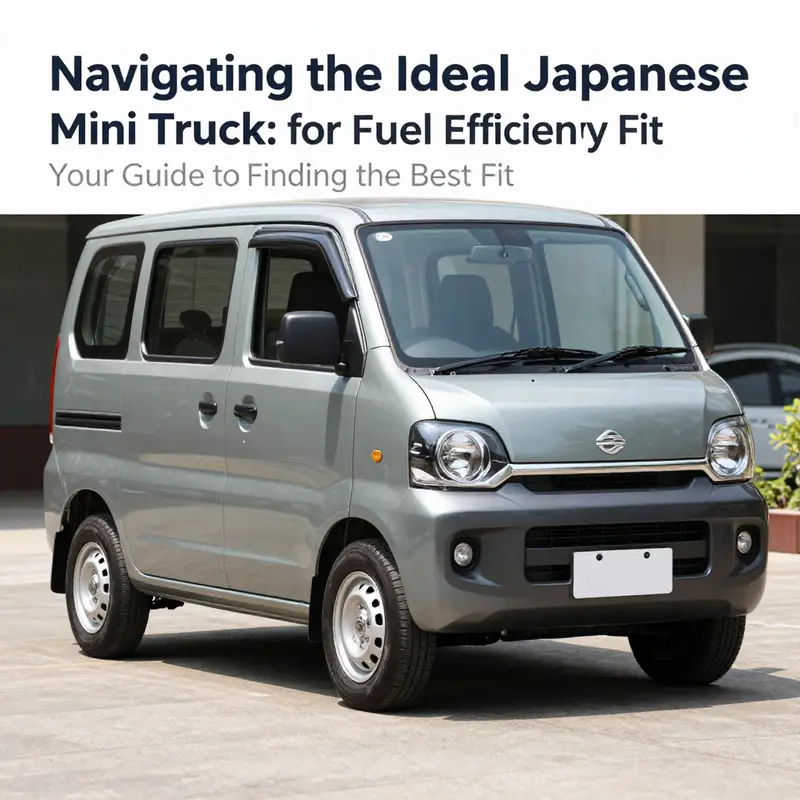
In the cramped lanes and loading zones of modern cities, fuel economy is a foundational criterion that shapes every purchase decision for a kei-class work vehicle. The best value in this category emerges not from brute horsepower but from a deliberate balance of light weight, efficient propulsion, and practical packaging that keeps daily operations affordable.
Weight is the foundational lever. In the kei class, every kilogram saved at the curb translates into meaningful savings during stop-and-go driving, where acceleration and braking cycles dominate the workday. Manufacturers pursue lightness through careful material choices and design strategies that preserve cargo integrity and durability while trimming mass. Aluminum or other lightweight components for panels and supports, where feasible, contribute to a steady drop in energy use. The effect compounds across a typical shift, with even small weight advantages translating into fewer liters of fuel burned per stop, lower emissions, and less wear on brakes and tires. A lighter truck also tends to feel more responsive and predictable in loading-dock maneuvers and short, urban climbs.
The powerplant itself is tuned for city rhythms. Small-displacement engines are designed to deliver useful torque at low RPM, the sweet spot for urban driving where full-throttle bursts are rare. The goal is to minimize pumping losses and parasitic drag while providing enough grunt to handle grades and lightly loaded payloads without resorting to high-rev, fuel-hungry operation. When paired with transmissions calibrated for city use, the drivetrain spends more time in efficient energy states—steady acceleration, controlled cruising, and recovery after stops—than in wasteful revs. The net result is a drivetrain that sips fuel rather than guzzles it.
Efficient aerodynamics and compact packaging further support urban fuel economy. While large aerodynamic gains are less critical at city speeds, a boxy yet thoughtfully shaped silhouette helps reduce drag during the frequent accelerations and decelerations of a workday. A tight turning radius, precise steering, and smart cargo packaging reduce travel distance and time on the street as well as energy expended in maneuvering. In practice, efficiency comes from harmonious integration: light weight, efficient propulsion, and a packaging strategy that minimizes wasted energy on every loop through the city.
Drivetrain practicality remains a subtle but important determinant of real-world economy. Two-wheel drive is often the default choice due to its lower weight, cost, and mechanical complexity, delivering excellent fuel economy when weather and terrain allow. Four-wheel-drive variants, while valuable in adverse conditions, add weight and friction that can erode overall efficiency unless engineered with efficient traction control and low-friction differentials. For typical urban routes, the lighter, simpler configuration tends to be the frugal companion, with the option of AWD reserved for crews that regularly face winter conditions or rough surfaces.
Emissions compliance and engine-management sophistication also influence energy efficiency beyond the meter on the sticker. Engines designed to meet stringent standards typically exhibit tighter combustion control and cleaner exhaust, often coinciding with modern intake and exhaust management that supports smoother operation and reduced fuel-system deposits. The long-term financial picture improves as maintenance intervals stretch and fuel quality optimizes performance, particularly in dense traffic with frequent idling.
Cargo flexibility remains a critical backdrop to any efficiency assessment. A vehicle that sips fuel but cannot meet daily payload needs quickly loses its edge. The most economical kei trucks strike a balance: enough payload to sustain productivity, without tipping the energy cost scale toward excessive mass. The best designs emphasize modularity and adaptability—cargo boxes that can be reconfigured, seating and storage options that do not force energy-wasting compromises, and predictable load distribution that preserves stability and predictable fuel use across the day’s routes.
Durability and resale value underpin long-term economics. A reliable chassis, robust service network, and straightforward maintenance reduce downtime and the total cost per mile over years of operation. In markets where kei trucks serve as daily workhorses, durability translates into lower risk and steadier performance, further reinforcing the case for prioritizing fuel economy as a principal criterion in fleet decisions.
Ultimately, the best choice is context-dependent. A fleet that prizes the leanest operation may favor the lightest, most efficiency-focused configuration with minimal electronic add-ons. Operators who require more cargo capacity, interior refinement, or safety features may accept a modest trade-off in miles per gallon if it translates into higher daily productivity and lower overall operating costs. The common thread is clear: minimize energy use per delivery, maintain reliable performance, and keep total ownership costs predictable over time.
Modern Features, Timeless Utility: Inside the Balance of Japanese Kei Trucks
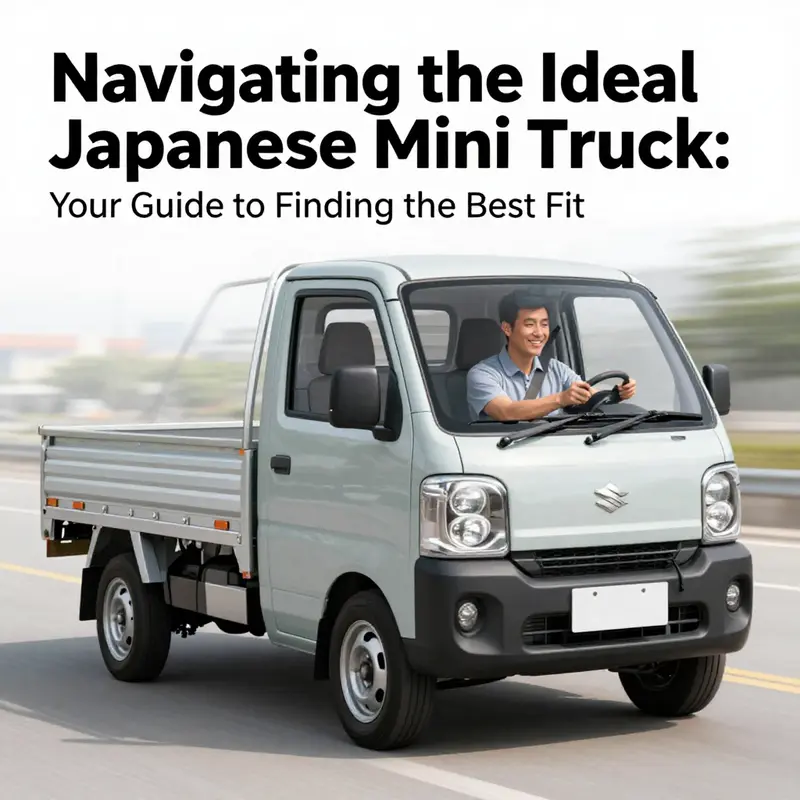
In the compact world of Japanese kei trucks, the current chapter is about how a genuinely practical workhorse manages to absorb modern safety tech and convenient features without tripping over its own legacy. This balance matters because the kei category has long prioritized nimble size, predictable handling, and affordable ownership. The latest refresh demonstrates a thoughtful philosophy: keep the core utility intact while inviting smarter, more connected ways to work. The exterior redesign is deliberate but not radical, aimed at conveying confidence at a glance while preserving the compact footprint that makes this class so effective for urban delivery, market stalls, and small-scale farming. The front end gains a more purposeful character, with a horizontally arranged, darker treatment on the headlamps and a sleeker grille that communicates modern intent without sacrificing the clean, square lines that help the vehicle slip through narrow streets and park in limited spaces. The cargo bed remains the beating heart of the machine; its metal floor, foldable side panels, and simple tie-down points are unchanged in spirit, because those features are what let a small business secure a diverse load quickly and safely. The overall silhouette continues to favor a low beltline and generous ground clearance for a light-duty workhorse, reinforcing the idea that practicality can stay timeless even as technology advances around it. And in the end, what matters most is that the vehicle still behaves like a trusted tool—that familiar pull on the steering wheel, that reassuring thunk when a door closes, that sense of control that comes from a design built for hours of steady, unglamorous use.
Powering this blend of old and new is a compact yet robust engine that has long defined the kei class. The unit is a 658 cc triple, delivering around 50 horsepower and 59 Newton-meters of torque. It is paired with a choice of a five-speed manual or a four-speed automatic, with drive distribution options that include rear-wheel drive and an all-wheel-drive variant for challenging weather or uneven surfaces. The emphasis here is not on chasing speed but on delivering reliable, predictable performance under load, in traffic, and on roadways that demand constant acceleration control. The powertrain’s characteristics — robust torque at low revs, smooth gear shifts, and frugal fuel use — are tuned for efficiency and durability, essential traits for fleets and sole operators who rely on consistent running costs. The result is a drivetrain that feels familiar to seasoned operators yet capable enough to meet the needs of today’s short-haul tasks, whether urban deliveries, farm gate runs, or the occasional rural detour. The engineering approach respects the realities of daily use: steady, manageable response, a calming sense of stability when fully loaded, and a spare reserve that prevents the truck from feeling overmatched when the cargo grows or the route climbs a hill.
From a safety standpoint, the refresh brings meaningful enhancements that translate into real-world confidence. The vehicle now features a second-generation dual-sensor brake assist system that fuses radar information with a monocular camera to anticipate and respond to potential braking scenarios sooner than before. Lane keeping assistance adds a proactive layer of restraint, helping guide the vehicle back to center when minor drift occurs in busy lanes. Traffic-sign recognition keeps drivers aware of posted limits and changes, reducing the cognitive load during fast-paced urban runs. A start-up reminder keeps attention on the moment when the engine fires and the operator may otherwise overlook gear engagement or the seatbelt. An emergency braking signal communicates intention to following traffic clearly, reducing risk in congested environments. A standout addition is a mud-prone terrain assist mode that modulates drive torque and brake force for better traction when surfaces are loose or uneven. It is not gimmickry; it is a practical feature that extends the truck’s capability into non-paved routes, making the vehicle more versatile for farmers, construction crews, and service professionals who sometimes operate off pavement. These upgrades aren’t merely a compilation of gadgets. They represent a deliberate strategy to widen the vehicle’s envelope without diluting its essential character as a compact, no-nonsense workhorse that can hold its own in the city’s tightest corridors and along the roughest backroads.
Inside the cabin, the spirit of practical utility remains front and center, but the environment has grown more thoughtful and friendly to daily routines. The instrument cluster stays clean and legible, preserving the straightforward, no-nonsense readability that operators rely on during long shifts. Climate control and storage solutions have been refined to reduce clutter and improve comfort over time, with better venting dynamics and more flexible cup-holding options tucked into the lower dash area. The steering remains compact and direct, preserving the tactile feel that makes precise steering and manual control comfortable. Yet the interior is not frozen in the past; it anticipates modern workflows by offering an eight-inch touchscreen recess in the dash to accommodate future upgrades or optional telematics, navigation, or business apps. That modular readiness matters: fleets can specify a tech package that aligns with their monitoring needs, while individual operators who value a quieter cabin might opt for a more streamlined setup. The seats carry the same robust, durable design that endures daily wear and tear, with trim that resists scuffs and stains under busy conditions. The overall ergonomics reflect a careful balance: a compact cockpit that remains friendly to shorter drivers and tall operators alike, with controls arranged for quick reach during busy urban deliveries, and a cargo area that is still reachable from the cab for easy access to tools and documents.
There is also a sense of ongoing evolution in the lineup that speaks to both heritage and aspiration. A higher-spec variant exists, one that emphasizes darker trim accents, bolder badging, and larger, sportier-looking wheels. This version is designed for operators who want a distinctive presence on the job site while still prioritizing ease of use and reliable performance. Inside, the cabin upgrades are more than cosmetic; they signal a welcome shift toward improved comfort and convenience without pushing the vehicle into the realm of luxury. The seating, controls, and materials are chosen to hold up under the realities of daily use, and the overall layout continues to promote a tidy, efficient workspace. This approach—keeping the core strengths intact while offering a more premium feel in a limited edition—demonstrates how modern features can coexist with the fundamentals that have defined kei trucks for decades. It is a reminder that tradition can be a platform for refinement rather than a constraint on progress.
To understand why this balance matters, it helps to consider how such vehicles live in the real world. In dense urban centers, where parking is scarce and deliveries must be precise, the compact dimensions and tight turning radii are not luxuries but necessities. The updated safety suite reduces the cognitive load for drivers, especially those working long hours behind the wheel. The improved interiors add a touch of comfort that can lower fatigue, making long shifts feel less draining. And the functional enhancements—like the load bed’s foldable sides—are what enable these machines to handle a broader spectrum of tasks without requiring a larger, more expensive vehicle. The design philosophy here acknowledges that the best tool is not the one that looks most impressive on a showroom floor but the one that can reliably complete the job, day after day, with predictable maintenance costs and easy access to parts and service. In other words, modernity arrives in a way that feels earned, not imposed, and the result is a vehicle that remains surprisingly capable in a variety of roles—from city courier to countryside caretaker.
For readers who want a practical lens on how such developments translate into everyday use, there is value in following community discussions and owner feedback. The practical insights gathered from everyday operators often reveal how the latest features actually perform under real-world conditions—how the braking system behaves in heavy city traffic, how the new safety features feel when navigating construction zones, or how the cabin’s upgraded interface holds up during a long day’s work. If you’re curious to explore this side of the conversation, a centralized resource offers a practical, user-focused perspective: Mini Truck Blog. There you can find hands-on impressions, maintenance notes, and real-world duty-cycle observations that complement the official specifications and press materials. The blend of manufacturer data and owner experience helps paint a fuller picture of what modern, compact workhorses can do when they are tuned for reliability, efficiency, and day-to-day usability.
As important as any single feature is this overarching takeaway: the best kei truck for a given operator is the one that preserves the essential advantages—compactness, ease of maneuverability, a bed ready for a wide range of payloads, and a predictable cost of ownership—while embracing modern safety and convenience that reduce risk and improve productivity. The mid-life refresh examined here makes a compelling case that it is possible to upgrade the tool without eroding its core strengths. For buyers weighing the mixed landscape of options, it becomes clear that the most effective choice is often the one that offers the right balance of current technology and traditional practicality, tailored to the specific tasks at hand. The chapter concludes not with a single verdict but with a framework: assess how essential features, payload versatility, and total cost of ownership align with your day-to-day needs. When you map those considerations onto a kei-truck option that adheres to this balance, you locate a capable partner for urban deliveries, rural chores, and everything in between. For further context on the upgrade philosophy and its design rationale, see the external resource linked below.
External resource: For a detailed external reference on the 2025 mid-life upgrade and its design and feature rationale, see this industry coverage: https://www.klcar.com/suzuki-carry-2025-midlife-update-design-and-feature-upgrade/
Mazda Bongo Box Reframed: Space Efficiency as the Cornerstone of Japan’s Mini-Truck Excellence
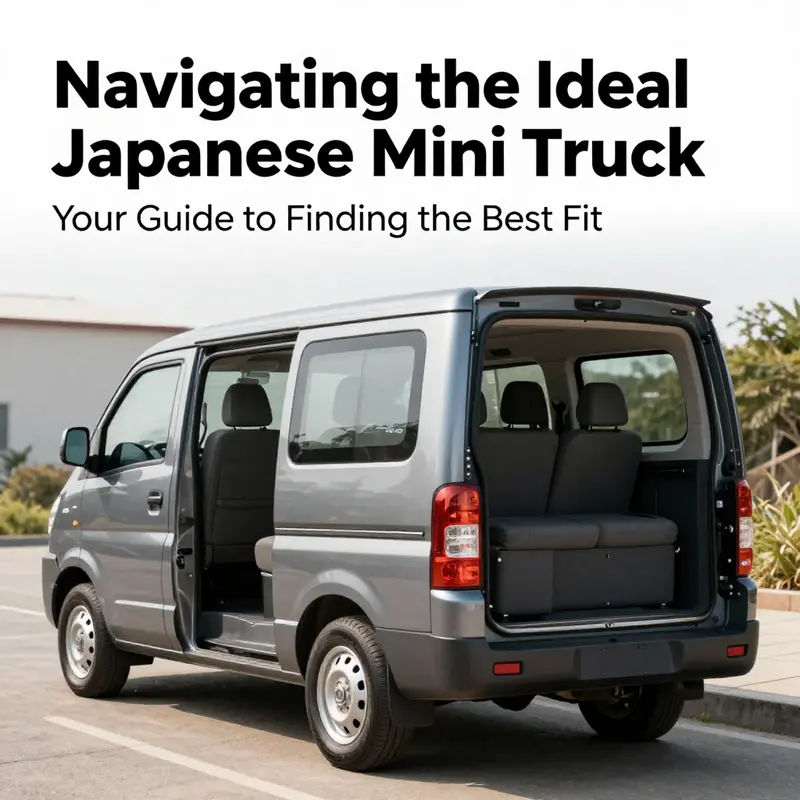
In the landscape of Japanese mini trucks, space efficiency has long been a quiet but decisive factor in determining which model earns the crown for urban practicality. Among the contenders, the boxy box truck from Mazda stands out not merely for its compact footprint but for how that footprint is transformed into usable, often surprising, cargo capacity. This chapter follows the thread of space consciousness through a design philosophy that prioritizes interior volume without surrendering maneuverability, fuel economy, or ergonomic comfort. It’s a reminder that in dense cities, the value of a mini truck often rests less on flashy power and more on how intelligently a vehicle uses every inch of its exterior to deliver what matters most: reliable load, easy parking, and a driver experience that doesn’t fatigue after a long day of deliveries.
From the curb, the Bongo Box reads as a deliberately rectangular silhouette. The rationale is straightforward: volume scales with squared inches, and when exterior dimensions are restrained, every cubic foot of space must count. Mazda’s approach to the boxy form—an architecture that emphasizes broad horizontal planes and a tall roofline—creates a capacious cabin that feels larger than the outside skin would imply. The result is not a cramped taxi-like grid but a flexible platform that accommodates a surprising variety of cargo shapes. Tradesmen who carry oddly shaped tools, small retailers who need to stage products, and courier outfits that shuttle parts between workshops and storefronts all benefit from a cargo bay that feels generous even when the parking space is anything but generous. In that sense, the Bongo Box reframes what it means to be small: its size is small, but its potential is large.
Inside, Mazda’s attention to space translates into smarter storage rather than merely larger compartments. The cabin layout prioritizes practical reach and unobtrusive storage nooks, so a driver can stow a toolbox, a laptop, or a cold bag without sacrificing passenger comfort. The seats, while compact, are designed to support longer shifts with adequate support and a driving position that reduces fatigue on congested city routes. Climate control is purpose-built for practicality as well: you get reliable air conditioning that keeps the cabin comfortable during summer’s heat and a heat source that doesn’t overwhelm the interior when winter weather bites. A user-friendly infotainment system anchors the drive in a modern reality, offering navigation, connectivity, and quick access to vehicle information that helps a small business stay on schedule rather than chasing it.
The Bongo Box’s mechanical heart is balanced between efficiency and capability. The engine options, typically lightweight inline-four configurations, are tuned to deliver adequate power for city corridors and gentle hills without tipping into excessive fuel consumption. A smooth manual transmission, when chosen, complements precise, economical driving—especially valuable for operators who must balance frequent starts and stops with steady highway legs on occasional rural runs. The emphasis on fuel efficiency is not just about keeping operating costs low; it’s about sustainability and reliability under regular use. Fewer visits to the pump mean less downtime and more miles delivering, which matters when every stop is a chance to serve a customer or move inventory from one point to another.
From a safety and comfort standpoint, the Bongo Box represents a maturity that often appeals to small fleets and solo operators alike. The cabin layout supports quick, confident checks around the vehicle, a critical feature in urban parking lots and narrow delivery lanes. Modern safety features—whether contemporary stability control systems, responsive braking, or advanced driver-assistance options—are integrated in a way that doesn’t overwhelm the driver with gadgets but rather complements the task at hand. With a vehicle that spends most of its life on tight streets, every assist helps preserve driver stamina and, by extension, delivery reliability. The balance Mazda achieves here is delicate: you want enough technology to protect and assist, but not so much that it becomes a distraction from the job of driving and loading.
Loading practicality is where the Bongo Box earns its space-focused reputation. Its cargo bay is designed to swallow parcels, crates, and equipment in configurations that can shift with changing needs. A low loading height reduces the physical strain of lifting heavy items, which is a boon for operators who regularly handle packages or tools without the luxury of a forklift or helper. The interior can be configured with removable shelving or tie-down points that adapt to daily demands, a feature that keeps downtime low and productivity high. For many small businesses, this adaptability translates into real-world savings: fewer separate vehicles required for different tasks, less time spent reconfiguring the space between stops, and more consistent service to customers who expect prompt, reliable deliveries.
Yet the space-conscious design does not sacrifice ride quality or daily usability. In fact, urban dwellers and city-based operators often praise the Bongo Box for its refined driving experience. The box-like exterior contributes to predictable handling in crowded streets, and the chassis setup aims to deliver a stable ride over varying pavement conditions. The ground clearance, carefully managed to accommodate uneven city surfaces while staying efficient on highways, gives the vehicle the resilience needed for occasional off-ploor tasks or rural pickup runs without compromising its core urban identity. The result is a vehicle that feels compact in traffic yet surprisingly capable once loaded, a dichotomy that many buyers find essential when their daily routes resemble a moving puzzle rather than a straight line.
There is also an argument to be made for the Bongo Box’s longer-term value. In a market where depreciation can bite hard and resale value varies with a model’s age and condition, a durable, space-efficient mini truck can maintain interest among buyers who need a practical, economical workhorse. The reputation for reliability—an attribute magnified by Mazda’s broader engineering philosophy—assists in lowering lifecycle costs. The owner, having chosen a vehicle designed to thrive on urban logistics, benefits from fewer unexpected maintenance disruptions and a stronger resale proposition when time comes to upgrade or reallocate fleet assets. This combination of dependability, efficiency, and adaptability makes the Bongo Box a compelling case study in how a compact utility vehicle can redefine what it means to handle space in modern commerce.
Of course, the question of which model is “the best” ultimately depends on what a buyer values most. If the priority is maximal fuel efficiency and minimal running costs, certain models with lighter powertrains may edge ahead in a straight metrics race. If the need is a balanced blend of modern features, robust interior quality, and a reasonable payload, the Bongo Box presents a persuasive argument. And if space plus comfort—perhaps for a small team’s daily commute and equipment transport—matters most, this particular configuration from Mazda becomes especially appealing. In the broader discussion of Japan’s mini trucks, the Bongo Box embodies a strategic philosophy: design a vehicle that respects the constraints of urban space while expanding the possibilities of what can be carried, loaded, and delivered in a single shift.
For readers who want a closer look at how real operators leverage this space-conscious design in their daily routines, the minitrucksocala blog offers a wealth of field notes and practical insights. It provides narratives that illustrate how seasoned drivers maximize interior layouts, secure loads in quick-turn environments, and adapt the cabin to the unpredictable rhythms of city life. minitrucksocala blog
As this chapter threads through the Mazda Bongo Box’s space-centric approach, it remains clear that the best choice among Japanese mini trucks is rarely a single, universal winner. It is a matter of fit—the right vehicle for the right job in the right environment. The Bongo Box excels in tight urban corridors where every inch of cargo space matters and every minute saved at a loading dock compounds into profitability. The Daihatsu Hijet may lead in extreme fuel economy or nimble maneuverability for the smallest footprints; the Suzuki Carry offers a blend of practicality and modern interior refinements for operators who want a contemporary feel without sacrificing utility; the Bongo Box, by contrast, carves out a niche for those who prize interior space and comfort as integral to daily performance. In the end, the best mini truck is the one that keeps a business moving—consistently, reliably, and with the least total cost of ownership over time.
For readers seeking to compare official specifications and current market availability, a straightforward way to start is to consult manufacturers’ pages and the latest showroom data. The Mazda official page for the Bongo Box provides a concise overview of dimensions, payload, and available features, helping you translate the qualitative strengths described here into concrete purchasing criteria. External resource: https://www.mazda.co.jp/vehicles/bongo_box/
The conversation around “which Japanese mini truck is best” continues beyond this chapter. The space-conscious strengths of the Mazda Bongo Box illuminate a broader principle: the most effective compact work vehicle is not simply the one with the most cargo space or the lowest price. It is the vehicle that aligns with how a small operation moves, how often it stops, how it loads, and how it serves customers with reliability that feels almost invisible yet deeply dependable. In that alignment, the Bongo Box reframes space not as a constraint but as a capability—an enabling factor that turns urban deliveries into a streamlined sequence rather than a daily scramble.
Finding Your Best Japanese Mini Truck: A Practical Guide to Needs, Terrain, and Value
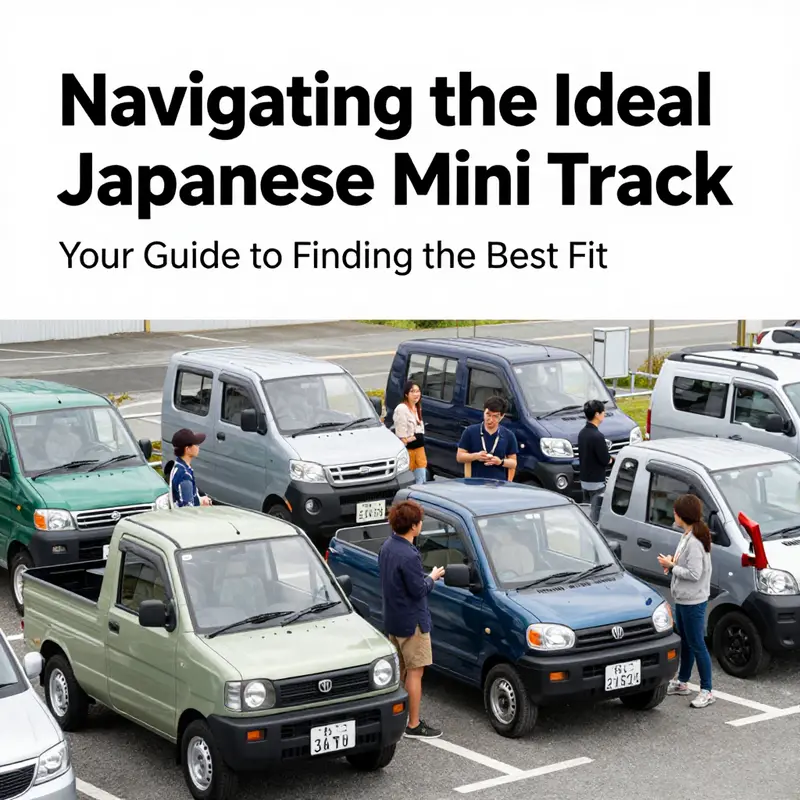
Choosing the best Japanese mini truck is about aligning a vehicle’s strengths with the tasks, environments, and financial realities that define a buyer’s life. The category rewards smart packaging and efficiency, so the best choice comes from mapping daily routines, job demands, and where the truck will live and work. Urban drivers face different priorities than those who tackle hillside lanes or snowbound rural roads, but both require reliable, economical transport that can fit into tight spaces, carry meaningful loads, and keep operating costs favorable over time. Start by articulating the must-haves and then translating them into concrete specifications. Consider payload relative to typical loads, cargo bed geometry, and how easy it is to load and unload in the places you work. Assess the driving environment—urban cores, warehouses with limited dock space, or remote fields where access is challenging. Climate, winter roads, heat, and dust influence wear patterns and longevity, so plan for durability and ease of maintenance. The decision process benefits from a disciplined approach to demonstrations and validation, including a test that mimics real payload scenarios, checks visibility, and evaluates cabin layout and control placement. Drivetrain options matter: two-wheel drive for flat terrain and higher efficiency, or four-wheel drive for variable conditions; consider vehicle history, import status, and availability of local parts. A broader perspective comes from community knowledge and external resources that contextualize market dynamics and total cost of ownership. Ultimately, the best mini truck is the one that fits the job, terrain, and budget without forcing compromises. For additional context, readers can consult industry sources that discuss urban-rural utility and evolving vehicle regulations.
Final thoughts
Selecting the right Japanese mini truck boils down to understanding your specific needs and evaluating the options available. Whether you lean towards the fuel-efficient Daihatsu Hijet, appreciate the reliable versatility of the Suzuki Carry, or need the spaciousness of the Mazda Bongo Box, each model offers distinct advantages. Understanding these can empower you to make a well-informed decision that suits both your business needs and personal preferences. In the end, the best choice is the one that aligns with your priorities, enhancing your day-to-day operations or adventures.