
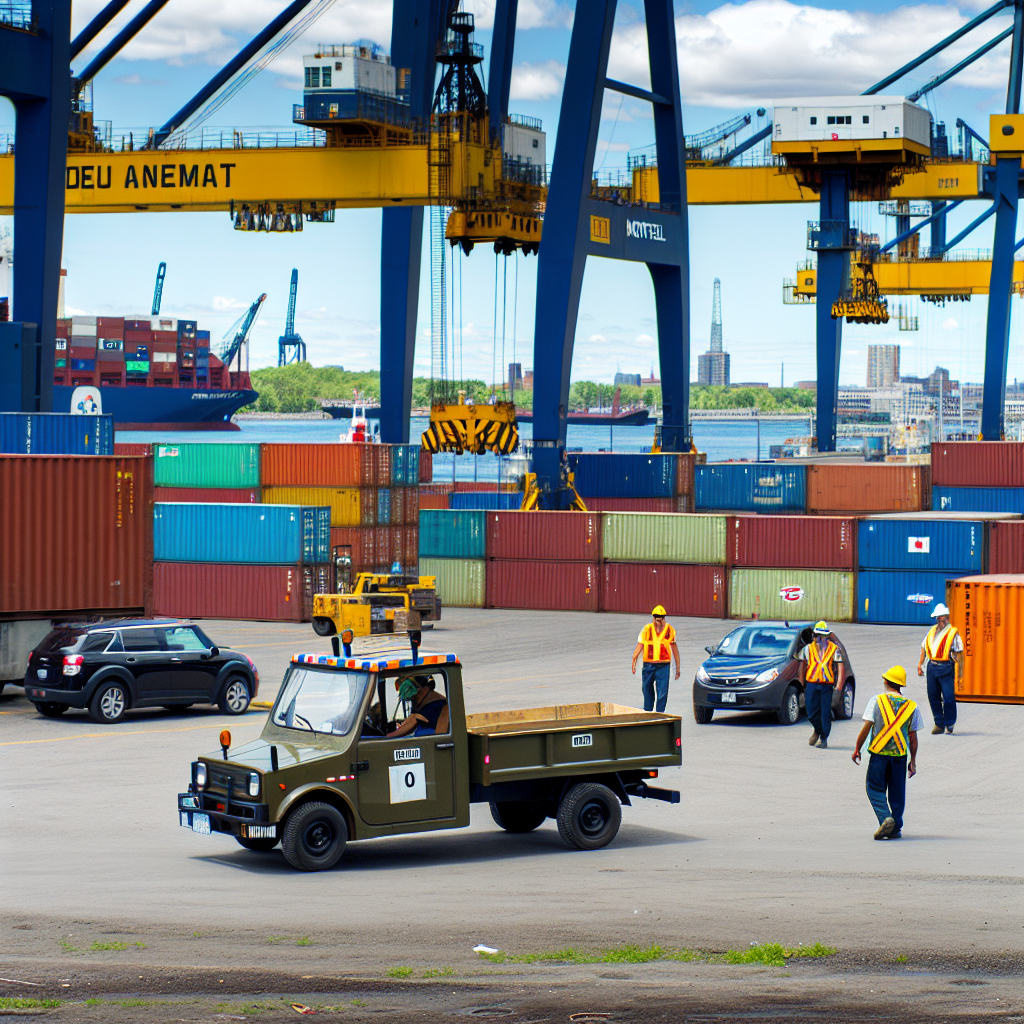
The Montreal port expansion is set to transform the landscape of trade in Eastern Canada, acting as a vital artery for the flow of goods and resources. With an ambitious capacity increase of 60%, this strategic development is not just about expanding physical space; it represents a robust response to the growing demands of global trade.
As Mark Carney highlighted, ‘This project will expand the Port of Montreal’s capacity by approximately 60%, to give Eastern Canada the trading infrastructure it needs to keep goods moving, meet growing demand, and diversify trade routes.’
Eastern Canada stands at the forefront of a significant economic upturn, as the port is poised to enhance trading capabilities, reassure supply chains, and create countless job opportunities. This initiative is more than infrastructure; it is a pivotal investment in the future of the region. The Montreal port expansion is not only a crucial improvement for Canada’s logistics but also a promising gateway to diversifying trade routes that can stimulate local economic growth.
As we dive into the specifics, let’s explore how this project will shape the economic landscape of Eastern Canada.

Significance of Grain Exports Through Canadian Ports and Logistics Improvement
Grain exports play a vital role in the Canadian economy, with significant implications for both local farmers and global markets. More than 50% of grain grown in Canada is funneled through the Port of Vancouver, showcasing its strategic importance in the nation’s agricultural export strategy. This substantial percentage underscores how crucial this port is as a major exporting gateway for Canadian grains such as wheat, barley, and canola.
The value of grain and grain products exported through the Port of Vancouver is an impressive $35 million daily, adding remarkable weight to its economic impact. This value exemplifies the port’s critical role in supporting Canada’s agricultural sector, ensuring that Canadian farmers have access to international markets and can compete on a global scale.
Additionally, the considerable export of grains through the Port of Vancouver not only benefits farmers but also contributes to job creation and economic stability in the region. It supports a multitude of sectors including transportation, logistics, and food processing, demonstrating the interconnected nature of trade and local economies.
As Canada continues to position itself as a key player in the global agricultural market, the significance of grain exports through these ports is likely to grow, making developments in port infrastructure and logistics improve even more vital for sustaining this economic momentum.
Related Keywords
- Grain exports
- Economic impact
- Agricultural sector
- Port of Vancouver
- Local economies
Insights on Job Creation from the Expansion
The Montreal port expansion will significantly boost job creation and economic revitalization in Eastern Canada. Here are key insights:
- The project’s capacity will increase by about 60%. This is not just an upgrade; it enhances regional trade capabilities.
- Thousands of new jobs are expected across various sectors due to this expansion.
- The construction phase will create immediate job opportunities. This includes positions in construction, engineering, and project management.
- Long-term benefits will arise as the port operates at its increased capacity. Industries like logistics, shipping, and agriculture will need more skilled workers.
- The Port of Montreal will be crucial for goods traded within Canada and internationally. This directly supports the local economy with sustained employment.
- Mark Carney highlighted that this project aligns with the government’s focus on delivering major initiatives to connect communities and empower Canadian workers.
- The port expansion is projected to generate approximately CAD 140 million in economic benefits annually.
In summary, the Montreal port expansion represents a major shift towards economic resilience. This project will create many jobs, boost local economies, and strengthen trade networks.
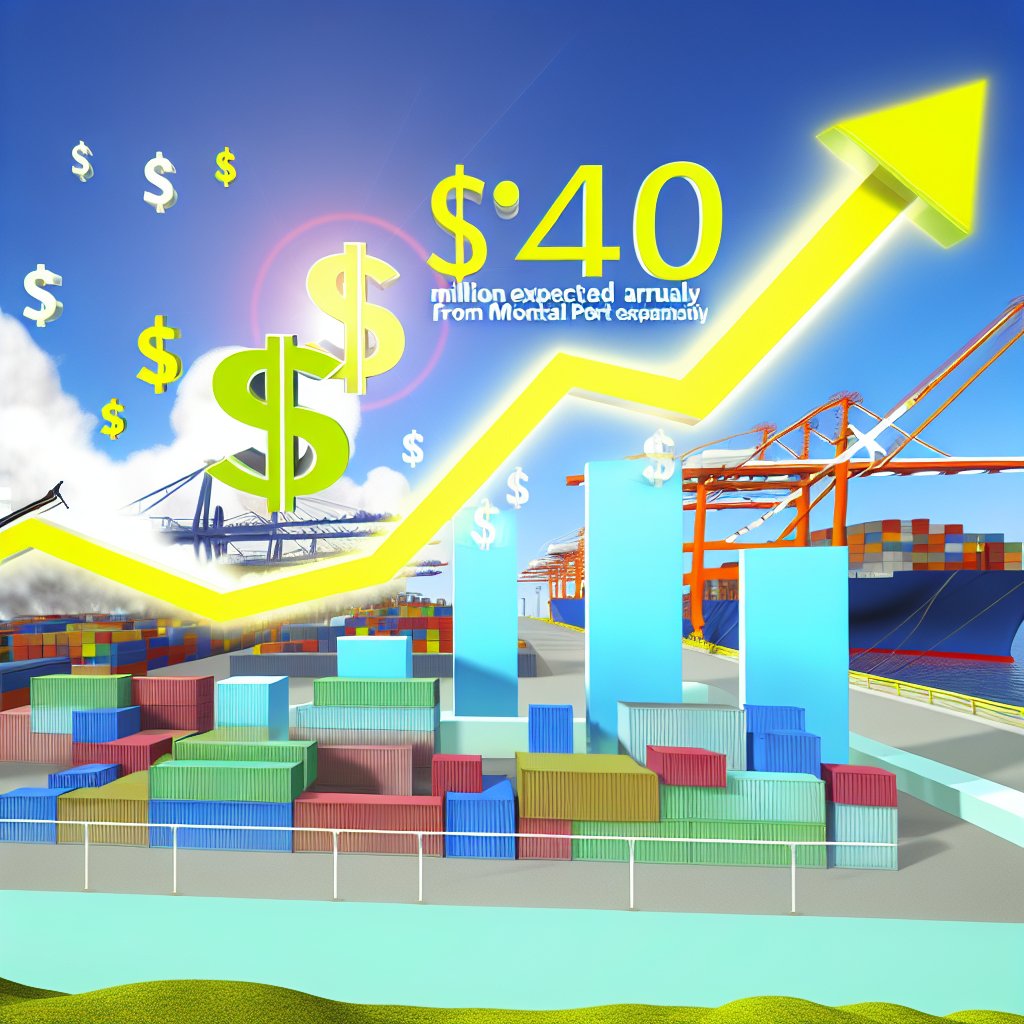
Analysis of Economic Benefits Visual
The visual representation illustrating the annual economic benefits of CAD 140 million from the Montreal port expansion encapsulates the project’s substantial financial impact on both local and national economies. This striking figure emphasizes not just the immediate economic infusion but also the long-term potential for job creation and improved logistical efficiency, reinforcing the significance of investing in crucial infrastructure that supports robust trade networks and economic stability.
| Port | Container Throughput Before Expansion (TEUs) | Total Cargo Capacity Before Expansion (Tonnes) | Container Throughput After Expansion (TEUs) | Total Cargo Capacity After Expansion (Tonnes) |
|---|---|---|---|---|
| Port of Montreal | 1.8 million | 65 million | 3.5 million | 70 million |
| Port of Vancouver | 3.5 million | 76 million | 4 million | 80 million |
| Prince Rupert Port | 600,000 | 25 million | 700,000 | 27 million |
| Port of Halifax | 900,000 | 32 million | 1 million | 35 million |
Conclusion
The Montreal port expansion is not just a mere enhancement of infrastructure; it is a beacon of hope for community growth and job creation in Eastern Canada. This monumental project signifies a commitment to strengthening local economies and building brighter futures for families across the region. The anticipation of a 60% increase in capacity resonates deeply as it opens doors to thousands of new job opportunities, empowering the workforce and transforming lives.
Moreover, with an estimated CAD 140 million in annual economic benefits, this project serves as a cornerstone for a thriving community, fostering collaboration among local businesses and professional sectors. Each job created, each trade route diversified, echoes the promise of community resilience and shared prosperity. It is a reminder that when investments are made in infrastructure, the ripple effect touches on the very fabric of society—enhancing livelihoods, stimulating growth, and creating a tapestry of opportunity.
As we stand on the verge of this transformative expansion, let us embrace the potential it holds for the betterment of our communities. By investing in robust infrastructure, we are investing in our people, our aspirations, and our shared future. The Montreal port expansion is more than just an upgrade; it is a heartfelt commitment to fostering a stronger, more vibrant, and interconnected Canada. Together, as we embark on this journey, we can cultivate a thriving trade landscape that promises not only economic stability but also hope and opportunity for generations to come.
Nation-Building Projects in Canada
Nation-building projects in Canada are large-scale government-led initiatives designed to enhance national infrastructure, foster economic growth, and cultivate a unified national identity. Historically significant examples include the Canadian Pacific Railway, the Trans-Canada Highway, and the St. Lawrence Seaway, all of which served to connect Canada’s vast geography, ease trade relations, and instill a collective sense of purpose among its citizens. These projects not only facilitated transportation but also created opportunities for economic development and social cohesion.
In contemporary times, the Montreal port expansion represents a pivotal nation-building project. This initiative aims to significantly increase the port’s capacity, projected to expand by approximately 60%. By enhancing its capabilities, the project will secure Canada’s East Coast as a critical trade gateway and strengthen national supply chains. The economic implications are enormous; it is anticipated that the expansion will generate substantial economic activity and job creation, fostering growth and resilience in Eastern Canada.
According to estimates, the construction and subsequent operations of the expansion project could contribute around CAD 1.2 billion in economic spin-offs, generating approximately 5,500 direct and indirect jobs. This aligns perfectly with the national focus on infrastructure development as a catalyst for economic growth. The ripple effects of such investments extend beyond immediate employment; they improve transportation efficiencies, reduce costs, invite new business investments, and enhance Canada’s competitiveness on a global scale.
Furthermore, the Montreal port expansion is essential for addressing the increasing demands of global trade in a context where supply chains are becoming more intricate and diverse. By bolstering one of Canada’s largest ports, this project will not only elevate local economies but also stimulate national economic growth by enabling smoother, faster, and more reliable trade routes. It embodies the spirit of nation-building, encapsulating a long-term vision for enhancing Canada’s economic landscape through strategic infrastructure improvements.
In summary, the Montreal port expansion is more than just an upgrade; it is a testament to Canada’s commitment to nation-building through infrastructure that supports both local communities and the national economy.
As we transition from discussing the importance of nation-building projects in enhancing infrastructure and spurring economic growth, it is vital to recognize how the Montreal port expansion exemplifies these principles. This project not only represents a significant investment in Eastern Canada’s trade capabilities but also embodies the broader impact of infrastructure advancements on local communities and national economy.
In conclusion, the Montreal port expansion marks a critical milestone in Canada’s transportation landscape, poised to revolutionize trade within Eastern Canada and beyond. The projected capacity boost of approximately 60% will alleviate current constraints and boost the efficiency of cargo handling, ensuring the port is equipped to support the increasing demands of modern global trade. This expansion will serve as a pivotal gateway for goods entering and leaving Canada while strategically positioning Montreal within the competitive international shipping arena.
Economically, the initiative is forecasted to generate CAD 140 million in annual benefits, acting as a catalyst for substantial economic growth. With the influx of resources and capital into the region, the groundwork for a diverse and resilient economy will be laid, fostering opportunities across logistics, manufacturing, and other sectors reliant on efficient transportation channels. The immediate and long-term job creation associated with this project will provide crucial support to local communities, empowering workers and stimulating economic vitality.
As Canada navigates fluctuating trade dynamics influenced by evolving global markets, the Montreal port expansion will underpin the nation’s strategic pivot towards diverse international trade partners. Enhanced connectivity with the U.S. Midwest and expanding trade routes with Europe and Asia will significantly elevate Canada’s export capabilities, paving the way for sustained economic resilience. Ultimately, the Montreal port expansion transcends mere infrastructural improvement; it is a proactive step towards cultivating a thriving and globally competitive trade landscape for Canada.