
Introduction
Welcome to the world of mini trucks – where versatility meets innovation! If you’re a small business owner, a property owner looking for efficient solutions, or simply a mini truck enthusiast, you’re in for a treat. Mini trucks are rapidly gaining popularity, not only for their compactness but also for their exceptional adaptability across various industries and personal uses. From transporting goods to navigating tight spaces, these nimble vehicles cater to a wide range of needs. The growing interest in mini trucks is driven by their impressive fuel efficiency, lower maintenance costs, and customizable features that make them ideal for both work and play. Join us as we dive into the exciting world of mini trucks, explore their benefits, and answer the pressing question: how much is a mini truck and what value does it bring to your daily life? Learn more about the mini truck community and discover how others are optimizing their experiences!
Advantages of Owning a Mini Truck for Small Business and Property Owners
Owning a mini truck offers a range of benefits, especially for small business owners and property owners. Whether you need it for deliveries, landscaping, or general transport, mini trucks can be a valuable asset. Here are some key advantages:
-
Cost-Effectiveness: Mini trucks are generally more affordable to purchase and maintain compared to larger vehicles. This makes them particularly appealing for small business owners who want to minimize overhead costs while maximizing utility.
-
Fuel Efficiency: One of the standout features of mini trucks is their fuel efficiency. They consume less fuel than traditional trucks, leading to significant savings over time. This is particularly beneficial for small businesses that rely on frequent deliveries or transport of goods.
-
Versatility: Mini trucks are incredibly versatile. They can be used for a variety of tasks, from transporting merchandise for retail businesses to hauling landscaping materials for property maintenance. Their adaptability allows owners to use them for multiple purposes, reducing the need for several different vehicles.
-
Maneuverability: The compact size of mini trucks allows for easy navigation in urban environments and tight spaces. This is especially advantageous for property owners managing multiple locations or those needing to navigate through narrow city streets.
-
Ease of Parking: Parking can often be a hassle in urban areas, but the smaller footprint of mini trucks makes finding parking spots much easier compared to full-sized vehicles. This convenience can save time and reduce driver stress.
-
Cargo Capacity: While they are smaller than traditional trucks, many mini trucks still provide ample cargo space for carrying goods and supplies. This makes them ideal for local businesses that need to transport items without the bulk of a full-sized truck.
-
Reduced Depreciation: Mini trucks often hold their value better than larger vehicles, meaning when it comes time for resale, owners might recoup more of their initial investment.
For more insights on the best mini trucks available, check out this great resource on mini truck models.
Average Prices of Mini Trucks
In general, mini trucks can range in price from approximately $5,000 to $20,000. Here’s a breakdown of some popular models and their typical price ranges:
| Mini Truck Model | Price Range |
|---|---|
| Suzuki Carry | $7,000 – $15,000 |
| Daihatsu Hijet | $5,000 – $12,000 |
| Mitsubishi Minicab | $6,000 – $14,000 |
| Honda Acty | $6,500 – $13,000 |
| Subaru Sambar | $5,500 – $12,500 |
Factors Affecting Mini Truck Prices
-
Condition: The overall condition of the mini truck (new vs. used) significantly affects its price. New models will obviously be pricier, while well-maintained used trucks are valued higher than those requiring repairs.
-
Features and Customizations: Additional features such as 4WD, air conditioning, or specialized customizations can increase the truck’s market value.
-
Market Demand: Seasonal demand can impact prices. For instance, mini trucks may be in higher demand during summer months for agricultural use.
-
Location: Prices can vary widely based on location because of the availability of specific models, regional regulations, and local demand.
-
Brand Reputation: Well-known brands often hold their value better than lesser-known manufacturers. Brands like Suzuki and Honda may command higher prices due to their reliability and parts availability.
-
Mileage and Maintenance History: Trucks with lower mileage and documented maintenance history tend to have higher resale values.
To give your business a competitive edge or if you’re in the market for one, consider checking local dealerships or platforms like Autotrader and Cars.com for the latest listings. Knowing the price variations and influential factors can surely aid in making an informed purchasing decision.
If you’re interested in finding more about specific models, you can learn more about comparing Kingstar Kruzr models or check out the buyer’s guide for pre-owned mini trucks.
Comparing Popular Mini Truck Models
Here’s a quick comparison of three popular mini truck models to help you make an informed decision:
| Model | Price (Approx.) | Fuel Efficiency (MPG) | Payload Capacity (lbs) | Features |
|---|---|---|---|---|
| Suzuki Carry | $21,000 | 25 | 1,400 | Compact design, high maneuverability, economical |
| Daihatsu Hijet | $19,500 | 30 | 1,250 | Versatile cargo bed, easy to park, fuel-efficient |
| Toyota Tacoma (Mini) | $29,000 | 20 | 1,500 | Advanced tech features, spacious interior |
Summary
Each of these models offers distinct advantages, making them suitable for different kinds of usage, from small businesses needing transport to individual enthusiasts looking for a practical vehicle. For more insights on specific models like the Kingstar Kruzr or other reviews, feel free to explore our blog!
Financing Options for Mini Trucks
When you’re a small business owner considering the purchase of a mini truck, financing can be a vital ally in easing that decision. Instead of paying for your mini truck outright, different financing options spread out the cost in manageable ways, helping you preserve your working capital and avoid cash flow stress.
Loans
Loans are a popular choice for mini truck buyers. You can secure a loan from a bank, credit union, or specialized vehicle financing company. Loans typically offer fixed interest rates and payment terms ranging from a few years up to seven years. This method allows you to own the mini truck outright once your payments are complete. Approval and rates depend on your credit score and financial history, but loans provide flexibility and eventual ownership.
Leasing
Leasing is another flexible option, especially attractive if you want lower monthly payments and don’t necessarily need to keep the truck long term. Leasing agreements last typically two to four years and include mileage limits. At the end of the lease, you can often choose to buy the truck, upgrade to a newer model, or return it altogether. Leasing also often comes with maintenance packages, easing ownership responsibilities.
Payment Plans
Some mini truck dealerships or manufacturers offer in-house payment plans. These payment plans may be more lenient and customized, often requiring lower down payments and more flexible monthly installments. These plans are designed to accommodate small business budgets, offering an accessible way to finance your mini truck without traditional loan hoops.
Why Financing Works for You
Financing your mini truck purchase means you can keep your business moving forward without dipping deeply into reserves. Scheduled payments help with budget planning and cash flow management. Plus, financing options often come with added benefits like warranties and maintenance packages.
Ready to explore your financing choices and find the best fit for your business? Check out our guide on managing finances as a first-time truck owner for valuable tips and insights. Whether you’re eyeing a rugged mini truck for tough jobs or a sleek model for deliveries, financing makes that dream truck more accessible.
By choosing the right financing path, you’ll be well on your way to enjoying the efficiency, versatility, and cost-effectiveness mini trucks bring to your operations. Financing isn’t just about making a purchase-it’s about empowering your business growth.

“Since purchasing my mini truck, it has become an essential part of my business. The size is perfect for navigating tight streets, and I’ve saved a ton on fuel compared to my previous vehicle. It’s both rugged and reliable, allowing me to transport equipment without a hitch. I couldn’t be happier with my decision!” – Alex T., Local Business Owner
Exploring Additional Costs of Mini Truck Ownership
Owning a mini truck can be an excellent investment, particularly for small business owners and property managers. However, it’s important to be aware of the hidden and ongoing costs associated with ownership to budget effectively. Here’s a detailed look at potential extra expenses that you might encounter:
1. Insurance Costs
- Average Costs: Insurance for mini trucks can generally range from $500 to $1,500 per year. The actual cost will depend on factors such as your driving history, age, the truck model, and coverage type (liability, collision, etc.). Smaller trucks often incur lower premiums due to their reduced repair costs.
- Comparison Shopping: It’s beneficial to obtain multiple quotes and utilize online comparison tools to find the best rates, which can significantly impact your overall budget.
2. Maintenance Expenses
Regular maintenance is vital to keep your mini truck running smoothly. Key expenses include:
- Oil Changes: Typically ranging from $30 to $75 depending on service location and oil type.
- Tire Replacement: Mini truck tires can cost between $400 to $600 for a full set, influenced by the tire brand and performance specifications.
- Brake and Engine Repairs: Regular inspections may lead to additional costs, which can vary widely depending on the truck’s condition.
3. Modification Costs
- Improving Utility: Many owners choose to customize their mini trucks for business needs. Modifications such as lift kits or specialized storage setups can range anywhere from $200 to several thousand dollars based on complexity and materials used. Consulting local auto shops can provide tailored quotes for desired modifications.
4. Fuel Costs
Depending on usage, fuel costs can vary. Mini trucks typically have better fuel efficiency compared to larger vehicles, averaging 20-30 miles per gallon. However, for small business owners who rely on these vehicles for daily operations, even minor fluctuations in gas prices can add up over time.
5. Registration and Taxes
- Annual Vehicle Registration: Depending on your state, registration fees can vary. Expect to pay between $50 to $200 annually.
- Sales Tax: When purchasing a mini truck, don’t forget about the sales tax, which varies by state and can add significantly to your initial purchase cost.
Conclusion
While mini trucks are economical in several aspects, it’s crucial to be prepared for the various costs associated with ownership. From insurance to maintenance and modifications, careful planning can help you manage expenses effectively. For more insights on maximizing your vehicle’s utility, consider perusing resources like Essential Mini Truck Maintenance Tips and explore options for buying pre-owned mini trucks. Having a complete picture of these costs allows you to make informed decisions and helps ensure the success of your small business.
Benefits of Using Mini Trucks for Small Businesses
Mini trucks offer a host of advantages, especially for local small businesses. One of the most compelling reasons to consider them is their cost-saving benefits compared to larger vehicles. Below, we look at key aspects such as fuel efficiency and maintenance costs that directly affect your bottom line.
Cost Comparison Chart
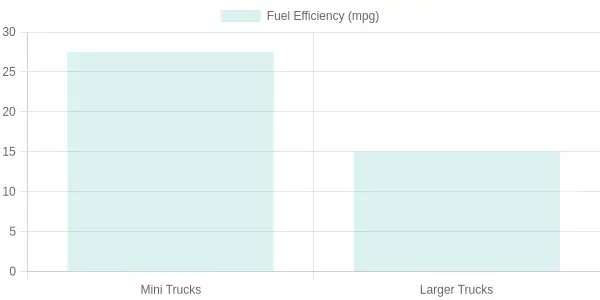
Here’s a bar chart illustrating the cost-saving benefits of using mini trucks:
| Truck Type | Fuel Efficiency (mpg) | Maintenance Cost (per service) |
|---|---|---|
| Mini Trucks | 25 – 30 | $100 – $200 |
| Larger Trucks | 10 – 20 | $300+ |
Summary of Cost Savings:
- Fuel Efficiency: Mini trucks are typically more fuel-efficient, averaging 25-30 mpg, compared to larger trucks that average 10-20 mpg. This could lead to significant savings depending on your fuel consumption.
- Maintenance Costs: The maintenance cost for mini trucks generally is much lower, with services costing between $100 to $200, while larger trucks can incur costs upwards of $300 per service.
These factors contribute to the overall cost-effectiveness of mini trucks, making them an excellent choice for small business owners.
If you’re interested in learning more about popular mini truck models, check out our detailed reviews on rugged mini trucks and new arrivals.
In conclusion, mini trucks present a compelling option for local small business owners, residential property owners, and mini truck enthusiasts alike. They come with a variety of benefits, including cost-effectiveness, fuel efficiency, and excellent maneuverability in urban environments. These advantages can significantly reduce operational costs and enhance productivity for businesses. Although specific financing options for mini trucks may not have been extensively covered, exploring various loan options or leasing agreements can be great ways to manage costs effectively.
As you consider investing in a mini truck, we strongly encourage you to elevate your vehicle’s functionality and aesthetics by exploring premium fairings from Summit Fairings. Adding quality fairings not only enhances your truck’s appearance but also contributes to its performance and longevity. Don’t miss out on optimizing your mini truck to better suit your needs!