

Have you ever wondered how much a mini pickup truck weighs? Whether you’re a local small business owner looking for that perfect vehicle to get your goods around town, a property owner who needs a reliable workhorse in your yard, or a mini truck enthusiast seeking the next great addition to your collection, understanding the weight of these charming vehicles is essential.
The weight of a mini pickup truck plays a significant role in determining its performance, payload capacity, and even fuel efficiency. Knowing this information helps you make informed decisions when purchasing or modifying a mini truck, ensuring you get the best for your specific needs. Get ready to dive into the fascinating world of mini truck weights and discover how they can impact your daily operations and adventures! If you’re interested in more insights, check out our article on buying pre-owned mini trucks or explore the Ocala mini truck community for more tips!
Average Weights of Popular Mini Pickup Trucks
When considering a mini pickup truck, it’s essential to understand its weight, as this can significantly impact performance, handling, and loading capacity. Below is a table showcasing some popular mini pickup truck models along with their average weights:
| Model | Weight (lbs) | Source |
|---|---|---|
| Suzuki Carry | 1,653 lbs | Mini Truck Models |
| Daihatsu Hijet | 1,485 lbs | Daihatsu Hijet – Wikipedia |
| Daihatsu Hijet (full load) | 2,670 lbs | Daihatsu Hijet Vs Suzuki Carry |
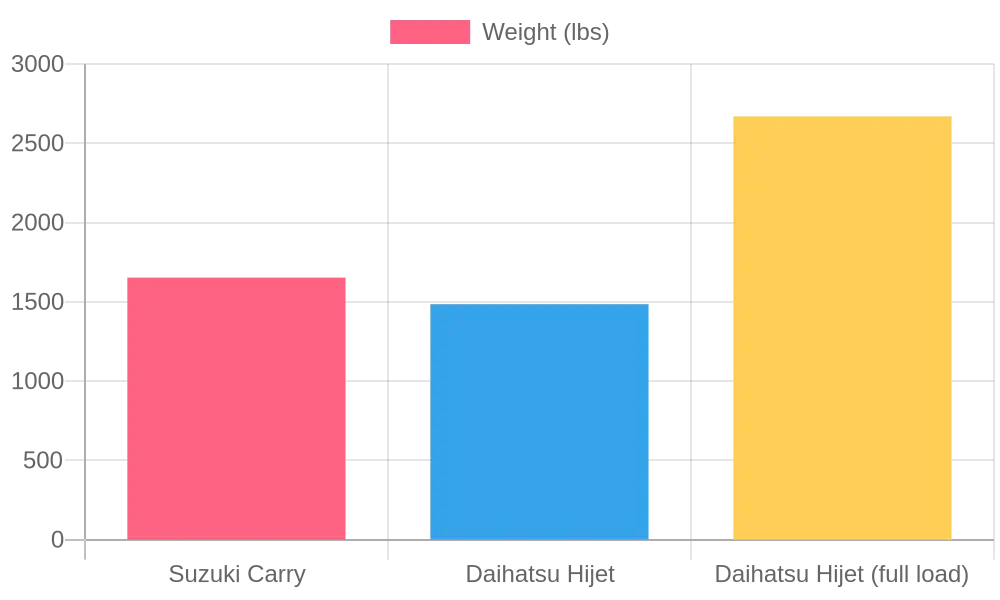
The average weight of these mini trucks provides useful insights for small business owners and hobbyists alike. Here’s how the weight impacts various aspects:
Driving Performance
- Weight Distribution: A lighter truck, like the Daihatsu Hijet, often benefits from agile handling, making it perfect for urban driving and tight spaces.
- Fuel Efficiency: Generally, lighter vehicles use less fuel, which can lead to savings over time, especially for businesses that rely on deliveries.
Loading Capacity
- Payload Considerations: Knowing the weight of your vehicle helps determine how much additional cargo it can carry. For instance, while the Suzuki Carry can handle its own heft, it still provides substantial payload capacity for transporting tools or goods.
- Towing and Hauling: Ethically, as mini pickups are designed for municipal and small business use, their R&D emphasizes balancing weight to not compromise towing capabilities.
In conclusion, understanding the average weights of mini pickups like the Suzuki Carry and Daihatsu Hijet not only helps potential buyers make informed decisions but also aids in optimizing their use for both personal hobbies and business operations. For more insights on selecting the right mini truck model for your needs, learn more about our mini truck community.
Comparison of Mini Pickup Truck Weights
When considering mini pickup trucks, it’s essential to look at their weights, payload capacities, and fuel efficiencies. Below is a table comparing some of the popular models available in 2023:
| Model | Weight (lbs) | Payload Capacity (lbs) | Fuel Efficiency (mpg) |
|---|---|---|---|
| Ford Maverick | 3,693 | 1,500 | 23 city / 30 highway |
| Nissan Frontier | 4,633 | 1,610 | 18 city / 24 highway |
| Toyota Tacoma | 4,550 | 1,685 | 19 city / 24 highway |
| Mahindra Veero | 3,037 | 3,527 | 18.4 (diesel) |
| Tata Intra V50 | 2,700 | 1,760 | 19.2 (CNG) |
These specifications can help you decide which mini pickup truck best meets your needs. For more details, feel free to check out our insights on buying pre-owned mini trucks!
Factors Affecting Mini Pickup Truck Weight
When considering how much a mini pickup truck weighs, various factors come into play. Understanding these can be incredibly beneficial for small business owners, property owners, and mini truck enthusiasts alike.
1. Materials Used
The type of materials employed in the construction of mini pickup trucks significantly influences their overall weight. Modern trucks often utilize lightweight yet strong materials such as high-strength steel and aluminum, which can help reduce body weight without compromising durability. For instance, trucks designed with composite materials not only offer weight savings but also enhance fuel efficiency and performance.
2. Engine Size
Engine size is another critical factor in determining the weight of mini trucks. Larger engines tend to be heavier and may require more robust frames, thereby increasing the vehicle’s weight overall. For example, newer models such as the Wuling Rong Guang offer varying engine options that affect not just the power output but also weight capacity and distribution, impacting handling and performance.
3. Configurations
The configuration of a mini pickup truck – including the length of the bed, cab size, and features like four-wheel drive – also plays a role in its weight. Trucks with a longer bed or enhanced features often weigh more due to the additional structural components. This can affect their practicality; for business uses, a heavier truck might mean more payload capacity but could also lead to higher fuel consumption, which is worth considering when choosing a model.
In summary, the interplay of materials, engine size, and configurations has a direct effect on the performance and practicality of mini pickup trucks. For businesses needing efficiency or individuals seeking lighter options, understanding these factors becomes essential.
For additional insights, check out our review of the Wuling Rong Guang and see how they stack up against other popular models.
How Much Does a Mini Pickup Truck Weigh?
When diving into the world of mini pickup trucks, one of the most common questions that arise is about their weight. This info is crucial not only for enthusiasts but also for small business owners and residential property owners who may need to transport goods or navigate through various terrains with their trucks.
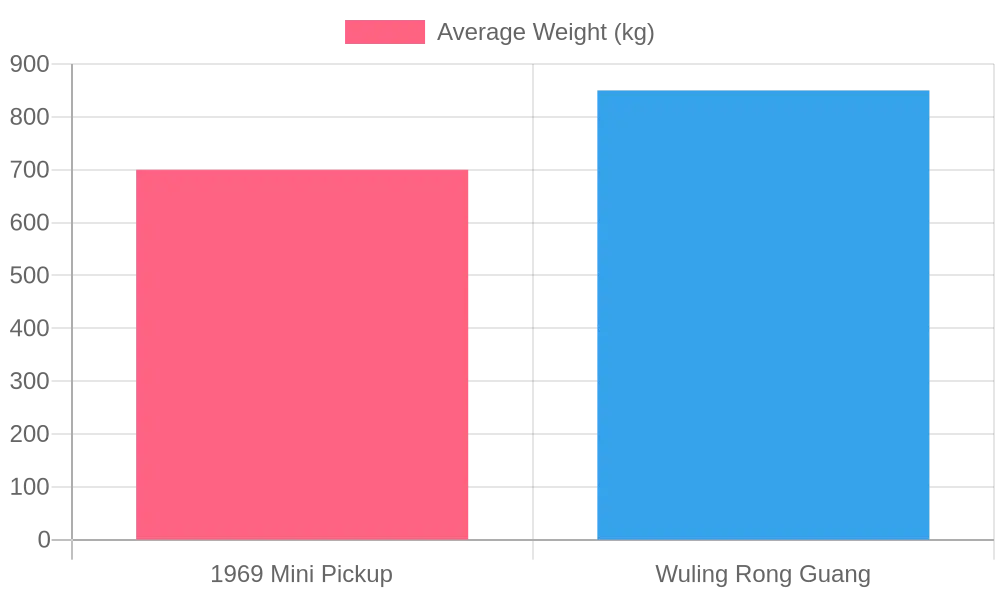
The weight of a mini pickup truck can vary significantly depending on the model and type. For instance, classic models like the 1969 Mini Pickup Truck weigh around 680 kg, while modern variations such as Kei trucks generally range from 250 kg to 500 kg. Electric versions, like the Eco-Friendly Mini Pickup, typically weigh about 350 kg, providing a lighter option for those looking at sustainable transport. On the heavier side, the Wuling Mini Pickup can weigh between 500 kg to 700 kg.
Understanding these weights can help in several aspects:
- Choosing the Right Truck: Knowing the weight can guide you in selecting a mini truck that suits your transportation needs.
- Weight Considerations for Roads: Some roads and areas have weight restrictions, making it essential for mini truck owners to be aware of their vehicle’s weight.
For more on specific truck models and their features, check out our comparison of Kingstar Kruzr models or other mini trucks that might interest you!
The Importance of Understanding Truck Weight for Local Business Owners
As a local business owner, investing in the right mini pickup truck can significantly impact your operations. Understanding truck weight is essential for several reasons, particularly when it comes to hauling capabilities, fuel economy, and compliance with local regulations.
Hauling Capabilities
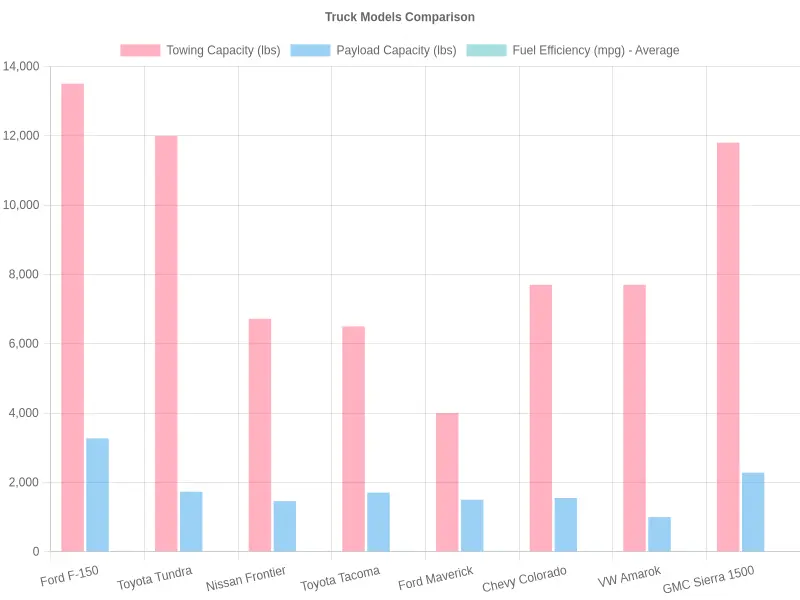
Weight dictates how much a mini pickup truck can safely carry. Different models have varying payload capacities-an important factor for businesses requiring transportation of heavy goods. For example, the Ford Maverick supports a hauling capacity of around 4,000 pounds, while the Chevrolet Colorado ramps it up to 7,700 pounds. Evaluating your needs based on the truck’s weight limits can help you avoid overloading, which can lead to accidents and costly repairs.
Fuel Economy
The relationship between weight and fuel economy cannot be overlooked. Heavier vehicles generally consume more fuel. Smaller mini trucks, designed for efficiency, often present better fuel economy. For instance, the Ford Maverick boasts an impressive average of 29 MPG, making it an economical choice for frequent local deliveries. By selecting a lighter and more fuel-efficient truck, you can lower operational costs significantly-an essential factor in tight budgets for small businesses.
Local Regulations
Local regulations often dictate weight restrictions for vehicles operating in your area. Being aware of your truck’s weight ensures compliance with these rules, avoiding fines and potential legal issues. Most municipalities have specific limits for commercial vehicle weights, and understanding these can guide your investment to ensure you’re choosing the correct vehicle for your operations.
Making the Right Decision
Given these factors, small business owners should carefully consider the weight of mini pickup trucks before making a purchase. Tools such as the Ford Maverick Specs and comparisons with other models can offer valuable insights into making a well-informed choice. These considerations help your business operate smoothly while staying within the law and minimizing costs.
In conclusion, understanding truck weight isn’t just about numbers; it can make or break your business’s efficiency and profitability. Choose wisely!
How Much Does a Mini Pickup Truck Weigh?
When it comes to mini pickup trucks, the weight can play a significant role in determining their performance and efficiency. Generally, mini trucks weigh between 1,500 to 2,500 pounds, but various factors such as model, cargo capacity, and materials used can influence this weight.
A notable aspect of weight is its impact on fuel efficiency. According to a recent study, every 100 kilograms of additional weight can reduce fuel economy by approximately 0.5 miles per gallon (mpg). For instance, a fully loaded Suzuki Carry may see its fuel efficiency drop from around 35 mpg to about 31 mpg when driven on highways. This highlights the critical need for careful load management in small businesses that rely on these trucks for transport.
“Adding extra weight to a truck decreases fuel efficiency because it forces the engine to work harder and burns more fuel. Balancing load management is essential for optimal performance.” – Truck Bed Guide
Understanding the implications of weight can help mini truck enthusiasts and small business owners make informed decisions. Whether it’s for local deliveries or recreational ventures, being aware of how weight affects performance is key. For more on optimizing mini truck efficiency, check out our tips on essential maintenance.
Tips for Selecting the Right Mini Pickup Truck
When choosing a mini pickup truck, there are several practical factors to consider to ensure it meets your needs effectively. Here are some tips to guide your selection:
-
Assess Your Needs: Identify what you’ll primarily use the truck for. This could range from transportation of goods to recreational activities.
-
Check Weight Specifications: Look for trucks with a suitable weight rating. Most mini pickup trucks weigh between 600 kg (1,323 lbs) to 1,500 lbs. Ensure the truck can support the load you expect to carry.
-
Consider Size and Dimensions: Measure the space where you plan to park or store the truck. Mini trucks typically measure around 3.4 meters in length and 1.48 meters in width, making them easier to maneuver in tight spaces compared to full-sized pickups.
-
Evaluate Payload Capacity: Understand the payload capacity of the mini truck. For light-duty tasks, a smaller capacity may suffice, but for heavier items, opt for a model with greater capacity.
-
Look for Fuel Efficiency: Mini pickup trucks are often more fuel-efficient than their larger counterparts. Research models known for their mileage, especially if you plan on frequent use.
-
Explore Customization Options: Some mini trucks offer customizable options to better suit your intended use- learn more about customization options here.
-
Check for Local Regulations: Familiarize yourself with local regulations about mini trucks, especially concerning emissions and license requirements. This can affect your operational use- understand regulations here.
By following these tips, you’ll be better equipped to select a mini pickup truck that meets your needs and fits within your operational framework.
Lighter vs Heavier Mini Pickup Trucks: A Comparison
When it comes to mini pickup trucks, the choice between lighter and heavier models significantly affects performance, fuel efficiency, and usability. Understanding these differences can help you make an informed decision based on your needs-be it for business, recreation, or hobby purposes.
Advantages of Lighter Mini Pickup Trucks
Lighter mini trucks, like the Ford Maverick, typically offer several distinct advantages:
- Fuel Efficiency: Lighter models often boast better fuel economy, translating into lower running costs. For instance, the Ford Maverick achieves an impressive 30 mpg on the highway.
- Agility and Maneuverability: Thanks to their reduced weight, lighter trucks excel in tight urban environments. They’re easier to park and navigate through narrow streets, making them an attractive choice for small business owners and delivery services.
- Lower Maintenance Costs: With less strain on components, lighter trucks often incur lower maintenance costs over their lifetimes. Their reduced wear on tires and suspension means fewer trips to the mechanic.
These features make lighter mini trucks especially appealing in metropolitan settings, where efficiency and convenience are paramount.
Advantages of Heavier Mini Pickup Trucks
On the other hand, heavier mini pickup trucks, such as the Toyota Tundra, are better suited for different tasks:
- Towing Capacity: Heavier mini trucks typically have a greater towing capacity-some models can tow over 12,000 lbs. This capability is essential for businesses requiring heavy-duty functions, such as transporting trailers or equipment.
- Payload Capacity: Alongside towing, heavier trucks often support higher payload capacities, making them ideal for hauling larger loads. For example, the Toyota Tundra can handle a payload of up to 1,730 lbs.
- Stability: The added weight contributes to a more stable driving experience, especially when carrying heavy loads. This stability is a key factor in performance for contractors and businesses that depend on reliable transport.
Conclusion
Ultimately, the choice between lighter and heavier mini pickup trucks depends on your specific needs. Whether you prioritize fuel efficiency or towing capacity, understanding these advantages will guide you to select the best model for your situation. For a deeper dive into specific models, you can check out MiniTrucks Ocala’s insights on mini trucks and their capabilities, or explore the community for shared experiences on choosing the perfect truck for your needs.
Visual Insights
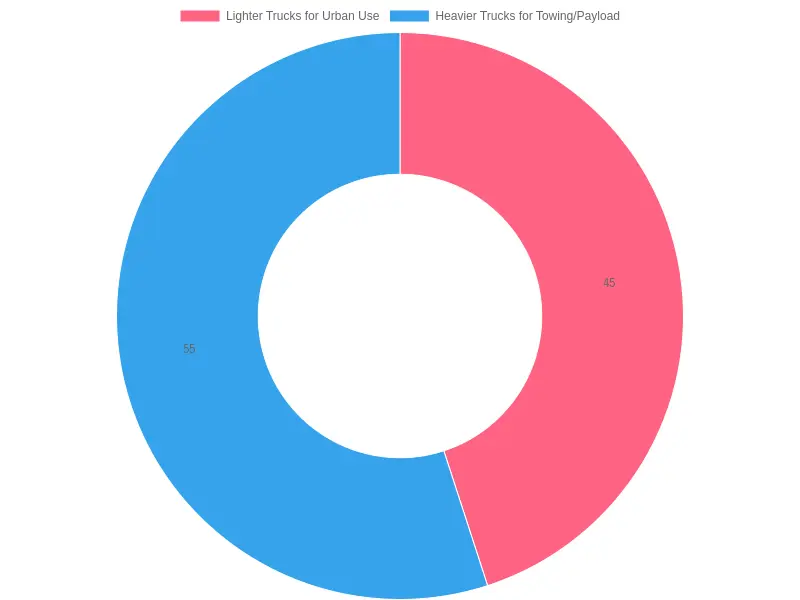
I’ve included some charts below to illustrate the differences in fuel efficiency, towing capacity, and payload capacity:
By recognizing these advantages and comparing the available options, you’ll be better equipped to make the right choice for your mini pickup truck needs.
As we wrap up our exploration of mini pickup truck weights, it’s crucial to recognize the varied weight ranges that can impact your driving and loading decisions. From the nimble Ford Maverick, weighing between 3,500 and 4,000 lbs, to the robust Honda Ridgeline, tipping the scales at approximately 4,400 to 4,700 lbs, each truck presents its unique set of capabilities and ideal uses for small business operations and personal adventures alike.
Choosing the right mini truck largely depends on your specific needs and what you plan to haul. Mini trucks not only excel in their versatile capacities but also offer significant advantages for small business owners by providing a balance of efficiency, maneuverability, and cost-effectiveness without the massive footprint of larger vehicles. For more insights into integrating these trucks into your business, check out the advantage of mini trucks for urban logistics.
If you’re ready to enhance your mini truck with premium accessories, look no further! Explore the exceptional selection of fairings at Summit Fairings that can enhance both the functionality and aesthetic of your vehicle. Your adventure in a mini pickup truck awaits!