
Introduction
Welcome to the thrilling world of mini trucks! If you’ve ever dreamt of owning one of these compact yet mighty machines, you’re certainly not alone. Mini trucks aren’t just fun; they represent a practical solution for local small business owners, residential property owners, and hobbyists alike. However, the adventure of acquiring one doesn’t come without its key considerations, especially when it comes to cost. In this guide, we’ll delve into the financial aspects of bagging your very own mini truck, including helpful tips and insights that will make the process smoother and more enjoyable. So, rev your engines and get ready to explore how you can turn that mini truck dream into reality-without breaking the bank! Learn more about mini truck options here and discover how to make the most of this exciting investment.
Here are some key factors that influence the cost of purchasing a mini truck, particularly relevant for potential buyers considering their options:
-
Vehicle Model: Different models come with varying features, specifications, and pricing. A popular model may cost more due to demand.
-
Features: Additional features such as advanced safety technology, entertainment systems, and cargo space arrangements can significantly affect the price.
-
Condition: New mini trucks generally have a higher price tag, while used models can provide savings. The overall condition (e.g., mileage, wear and tear) also plays a crucial role in the cost.
-
Location: Prices can vary based on geographical location. Areas with a high demand for mini trucks might see inflated prices compared to regions where such vehicles are less common.
-
Market Trends: Economic factors, supply chain issues, and new models entering the market can influence the pricing landscape.
-
Financing Options: Interest rates and financing terms can affect the overall cost of a mini truck over time, impacting monthly payments and total expenditure.
In your quest to find the perfect mini truck, understanding these factors is essential. Each can significantly impact the total investment required. If you’re considering purchasing a mini truck, check out our guide on buying pre-owned mini trucks to navigate your options effectively.
These insights should help you make an informed decision and find a mini truck that best fits your needs!
With further inquiries, you can always return for additional information!
Exploring the Average Cost of New Mini Trucks
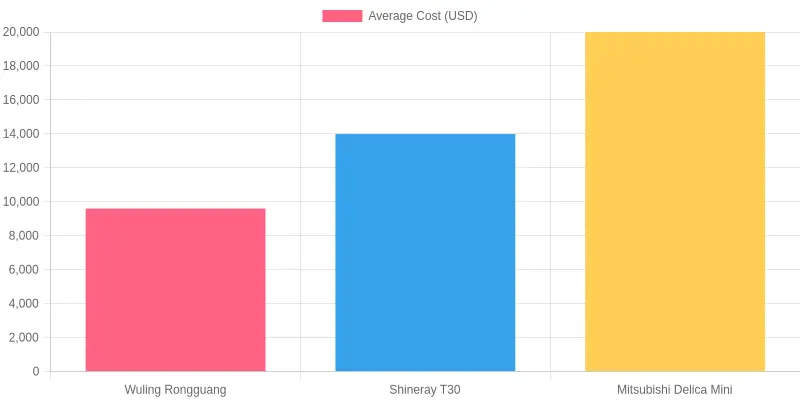
When it comes to investing in a new mini truck, small business owners and enthusiasts alike want to know how much they should expect to pay. Generally, the average cost of a new mini truck can range significantly based on the model and features, typically landing anywhere from $9,600 to $20,000. Let’s dive deeper into what buyers can anticipate regarding pricing and popular models available in 2023.
What Buyers Can Expect
The price of a new mini truck often correlates with its specifications and capabilities. Here are some price ranges of popular mini truck models:
- Wuling Rongguang: Approximately $9,600. This model is renowned for its affordability and utility. It’s a great fit for those who need a reliable workhorse without breaking the bank.
- Shineray T30: Priced at about $13,990. A bit more robust, the T30 offers enhanced features that appeal to those requiring more from their vehicle.
- Mitsubishi Delica Mini: Starting around $20,000, this mini truck is perfect for those looking for extra comfort and features, making it a favorite among urban drivers and families.
Insights for Buyers
When considering the purchase of a mini truck, it’s also essential to keep in mind:
- Purpose: Understand what you primarily need the truck for, whether it’s for transporting goods, recreational purposes, or both.
- Features: Look for essential features that cater to your needs like off-road capabilities, payload capacity, or fuel efficiency.
Conclusion
In conclusion, the investment in a new mini truck can yield significant benefits, especially for small businesses. By understanding the average costs and what to expect, you can make an informed decision that suits your budget and requirements.
For more on the specifics of features, you can check out the comparison of Kingstar Kruzr models or explore the Ocala Mini Truck community to see what others are saying!
Comparing Costs of Popular Mini Truck Models
If you’re a small business owner or a mini truck enthusiast looking for the best options in the market, here’s a handy comparison of some popular mini truck models to help you make an informed decision!
| Model | Cost (Approx.) | Fuel Efficiency (mpg) | Notable Features |
|---|---|---|---|
| Daihatsu Hijet | $17,000 – $19,000 | 34-38 | Compact design, versatile for cargo, 4WD option |
| Suzuki Carry | $15,000 – $19,000 | 29-35 | Multiple configurations (dump, food truck), reliable |
| Mahindra Supro Profit Truck | $9,000 – $10,000 | 21.94 | Turbo diesel engine, good payload capacity |
| Isuzu D-Max | $30,000 – $40,000 | 24-27 | Robust build, advanced safety features |
| Mitsubishi Minicab | $7,000 – $12,000 | 35-40 | Compact size, efficient for urban transport |
For more detailed insights on specific models, check out these reviews: Daihatsu Hijet Review and Mahindra Supro Profit Truck Review.
This comparison should serve as a guide to understand the investment needed for different mini truck options, especially if you’re considering bagging one for your business or personal use. Happy shopping!
If you’re considering purchasing a used mini truck, you’re in for an exciting journey! As a small business owner or a mini truck enthusiast, knowing the costs is essential for making a wise investment. Used mini trucks offer an affordable option for both residential and commercial needs, but several factors can influence their pricing. Let’s break this down.
Price Factors
1. Brand and Model: The brand of the mini truck can significantly impact its price. Popular models, like Suzuki Carry or Daihatsu Hijet, are often more sought after due to their reliability and performance, which can drive prices higher. According to Motor and Wheels, typical prices for used mini trucks can range between $4,000 to $13,000 depending on the model and its specifications.
2. Mileage and Condition: Just like any used vehicle, the mileage and overall condition play crucial roles. Trucks with lower mileage and in excellent shape tend to command higher prices. It’s wise to get a vehicle history report to assess any potential issues, ensuring you avoid a lemon!
3. Age of the Truck: Newer models will generally cost more than older units. However, older mini trucks might be more affordable and can still provide great reliability if well-maintained.
4. Customization: Many mini trucks can be customized to fit specific needs, such as adding components for off-road capabilities or installing unique cargo beds. Customizations can increase the overall cost but may offer valuable benefits. For instance, if you’re keen on a truck camper setup, you might want to check out our rugged mountain flatbed camper options!
Why Are Used Mini Trucks More Affordable?
Buying used mini trucks often results in significant savings compared to new models. Here’s why they may be more budget-friendly:
-
Depreciation: Just like houses and traditional vehicles, trucks depreciate in value. When you buy used, you’re benefiting from someone else absorbing that initial depreciation hit.
-
Lower Insurance Costs: Insurance rates on older vehicles tend to be lower, saving you money monthly.
-
Fuel Efficiency: Mini trucks are known for their efficient fuel consumption, meaning you’ll save more in the long run on gas costs.
Tips for Buying Used Mini Trucks
-
Do Your Research: Before you purchase, spend some time comparing prices online. Websites like Edmunds offer listings for used mini trucks where you can filter by model and price range.
-
Inspect Thoroughly: When you find a promising vehicle, don’t skip the inspection. Check the engine, tires, and brakes. It may even be worth hiring a mechanic for a second opinion.
-
Negotiate Wisely: Often, sellers are willing to negotiate, especially when they know that a buyer has done their homework. Prepare a reasonable offer based on market analysis.
Conclusion
In conclusion, used mini trucks represent a fantastic opportunity for small business owners and hobbyists alike to get a practical vehicle without breaking the bank. Whether you’re looking to haul materials for renovation, transport goods, or enjoy some weekend adventures, these trucks can do it all while keeping costs manageable. For those ready to dive deeper, visit our guide to buying pre-owned mini trucks to unlock more tips and tricks!
By taking the time to research and consider your options, you can drive away with a mini truck that serves your needs perfectly and fits your budget. Happy truck hunting!
Financing Options for Mini Truck Purchases: Loans vs. Leasing
When it comes to financing your mini truck, you have a couple of main options: loans and leasing. Each has its share of benefits and drawbacks, so let’s break them down in a friendly way to help you make an informed decision.
1. Loans
Benefits:
- Ownership: With a loan, you own the truck outright once it’s paid off. This means you can customize it as you please and don’t have to worry about mileage limits.
- Equity Building: Every payment you make increases your equity in the truck. Once paid off, it becomes an asset that can potentially provide some resale value.
- Flexible Usage: No restrictions on mileage or how you use the truck, making it ideal for business owners who need to transport goods.
Drawbacks:
- Higher Monthly Payments: Typically, loan payments are higher compared to leasing payments because you’re financing the entire purchase price.
- Depreciation Risk: As with any vehicle, a mini truck depreciates over time, which could impact its resale value.
2. Leasing
Benefits:
- Lower Monthly Payments: Leasing often requires a lower upfront payment and has lower monthly payments, making it easier on your budget.
- Newer Models: The lease term usually lasts 2-3 years, allowing you to drive a newer model more frequently without worrying about long-term investments.
- Maintenance Coverage: Many leases come with warranty coverage, which can reduce maintenance costs.
Drawbacks:
- No Ownership: At the end of the lease, you have to return the truck, meaning no asset ownership or resale value.
- Mileage Limits: Leases often have mileage restrictions, and exceeding those can result in additional fees which can be a concern for heavy users.
In conclusion, deciding between financing and leasing your mini truck largely depends on your budget, how often you plan to use your truck, and whether you value ownership. If you want full control and ownership benefits, go with a loan; however, if you prefer lower costs and the opportunity to drive newer models, consider leasing. To dive deeper into choosing the right vehicle, check out our community page for discussions and resources tailored for mini truck lovers!
Maintenance Costs for Mini Trucks
Owning a mini truck can be an economical choice, but it comes with its own set of maintenance expenses. Understanding these ongoing costs is essential for any owner. Here’s a breakdown of typical maintenance costs associated with mini trucks:
- Regular Servicing: Expect to spend about $100 to $350 annually on routine maintenance, which includes oil changes, fluid checks, and tire rotations. This cost can vary depending on the service provider and the specific model.
- Repairs: On average, mini trucks incur about $300 to $600 per year on repairs. This includes fixing minor issues, brake replacements, or any unexpected malfunctions.
- Parts Replacements: Replacement parts for mini trucks tend to be less expensive than those for larger trucks. Common parts like brake pads, filters, and lights typically range from $50 to $150 each.
- Tires: A full set of tires can range from $200 to $600, depending on brand and specifications, and should be replaced every 40,000 to 60,000 miles.
- Insurance: Depending on the model and usage, annual insurance costs can range from $600 to $1,200.
By maintaining a budget for these expenses, mini truck owners can ensure their vehicles remain reliable and cost-efficient. For more tips on keeping your mini truck in top shape, check out our guide on essential mini truck maintenance tips.
“Owning my mini truck has completely transformed my daily life! From cruising around town to handling deliveries for my small business, it’s both fun and practical. I love how easy it is to park and maneuver in tight spots, and the fuel efficiency saves me a ton. Plus, the community of mini truck enthusiasts is fantastic – we share tips and modifications that make our rides even better! I truly couldn’t imagine going back to a full-sized truck after this experience.”
- A happy mini truck owner
For more insights, you can check out Mini Truck Community or how to buy a mini truck.
Conclusion
In conclusion, bagging a mini truck can be a fun and rewarding project, whether you want to enhance the vehicle’s aesthetics, improve its off-road capabilities, or simply make it stand out in your neighborhood. We’ve explored the costs associated with this process, including the various components and labor fees that contribute to the overall expense. By understanding these factors, you can better plan your budget and make informed decisions about the best products and professionals to choose from.
If you’re looking for high-quality, stylish options to elevate your mini truck to the next level, be sure to check out Summit Fairings. Their selection will surely provide you with the perfect fit for your custom project. Don’t wait to transform your mini truck into the envy of the road; take action today!