
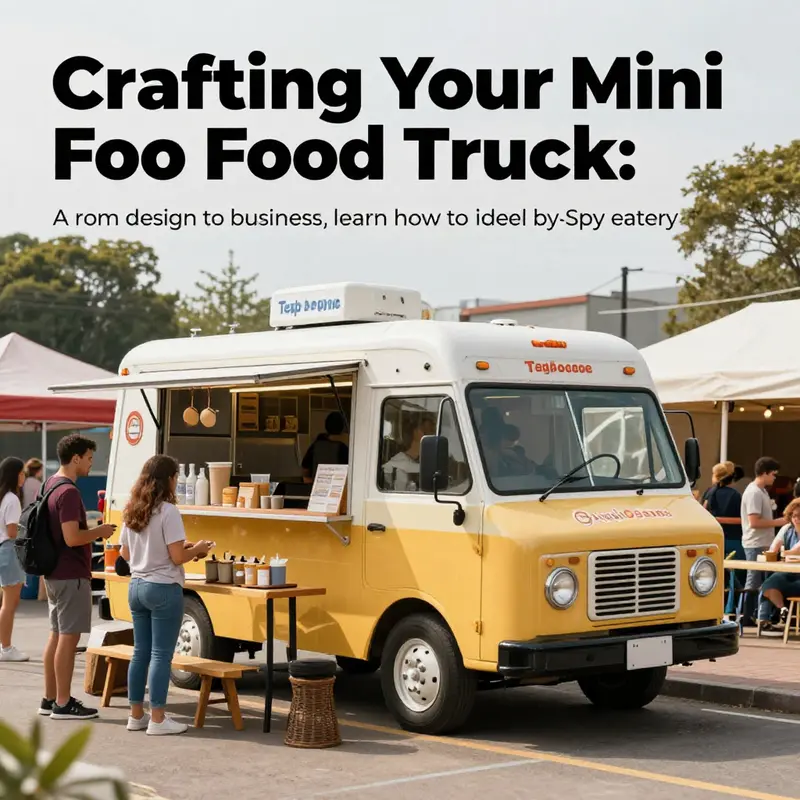
Ever dreamed of rolling into your neighborhood with a mini food truck, serving delicious bites and spreading joy with every meal? Whether you’re a local small business owner, a property owner wanting to host events, a mini truck enthusiast, or simply a hobbyist at heart, the journey to creating your own mini food truck is both exciting and fulfilling. In this guide, we’ll explore three key stages: designing and planning your food truck, constructing and assembling it, and finally transitioning your passion from a hobby to a budding business. Together, we’ll transform your dream into a reality!
Blueprints in Motion: Designing and Planning Your Mini Food Truck for Efficient, Compliant Operation
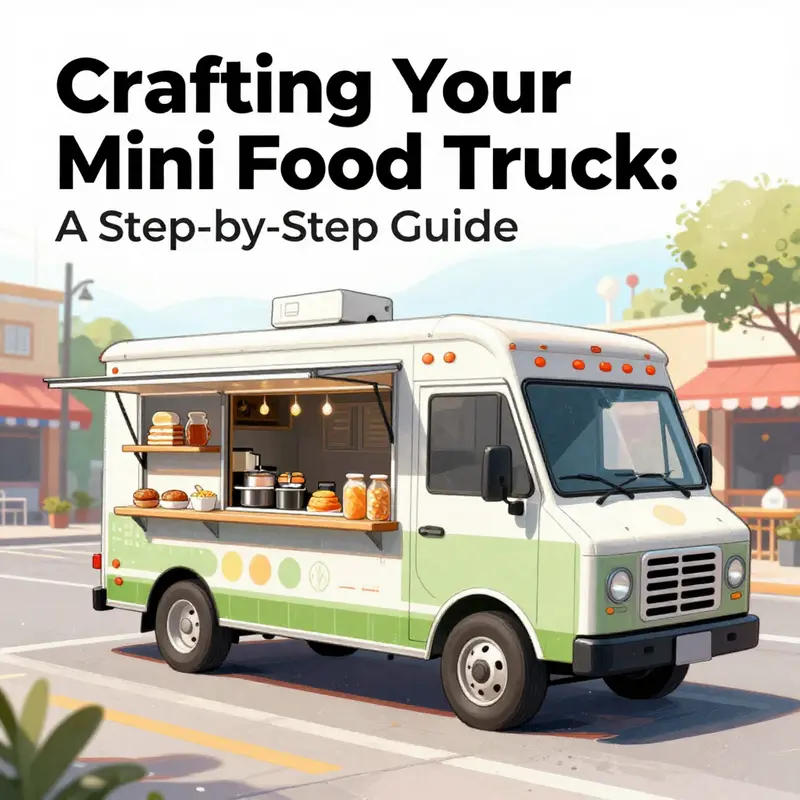
Designing and planning a mini food truck is more than sketching a pretty façade; it is about translating concept into a compact, workable system that performs under pressure, travels smoothly, and meets the rules that keep a business alive. The most successful mobile kitchens begin with a clear concept and a well-aligned plan for how that concept will unfold in a small, motorized space. Start by defining what you want to sell and who you want to serve. A mobile coffee stand demands different equipment, airflow, and a different daily rhythm than a gourmet burger cart or a healthy smoothie bar. This decision drives the vehicle choice, the layout, and the footprint you will defend as you move from dream to delivery. The target market also informs where you test the concept, what hours you operate, and how you tilt your menu to fit a compact kitchen while still delivering quality and speed. A thoughtful concept anchors every design choice from the chassis to the sink, from the fire extinguisher to the foldable awning that creates a welcoming street presence. When you begin to sketch, you should aim for a design that optimizes space, preserves safety, and anticipates maintenance so the unit can endure frequent use and occasional rough roads without becoming a constant work-in-progress.
The physical composition of a mini food truck is the next layer of planning. The chassis is the skeleton, and the kitchen module is the heart. A compact chassis—often based on a van or small truck platform—provides a stable base while keeping weight and maneuverability within practical limits. For the kitchen, think of a modular module that holds cooking appliances, refrigeration, and a sink with running water. The module should be wired and plumbed in a way that allows easy service, upgrades, and cleaning. Inside the walls, plan for storage compartments that can hold dry ingredients, utensils, packaging, and cleaning supplies, all organized so the team can reach what they need without stepping into a narrow corridor of gear or food. The physical layout must also consider safety and hygiene from the outset: a non-slip floor, splash guards behind the cooking surface, a grease trap that is accessible for cleaning, and a fire extinguisher within easy reach. The goal is to minimize cross-contamination risks while making daily routines straightforward enough to train quickly and reproduce reliably morning after morning.
Ventilation and electrical systems deserve careful attention as you lay out the plan. In a compact space, proper ventilation is not a luxury but a requirement for comfort, air quality, and equipment performance. The design should funnel heat and grease-laden air away from customers and staff while keeping a quiet, efficient operation. Electrical systems must be sized to handle lights, point-of-sale devices, refrigeration, and cooking equipment without overloading circuits. In many designs, a dedicated electrical feed runs from a secure power source, with surge protection and weatherproof connections to keep the operation safe in varying weather. Fuel sources—whether electric, gas, or a hybrid approach—should be chosen with reliability, cost, and safety in mind. Gas connections require secure fittings, proper ventilation, and routine inspections, while electric setups demand robust wiring, suitable circuit breakers, and a plan for backup power during peak service times. A well-planned electrical and fuel strategy reduces downtime and helps the business scale as demand grows.
Materials are the practical heartbeat of the build. Choose durable, non-slip, easy-to-clean surfaces for the floors and work surfaces. The walls and roof should resist weather and spills and be simple to sanitize. A lightweight yet sturdy construction approach helps keep fuel efficiency in mind if the unit is to be pulled by a small vehicle rather than towed as a trailer. Panels should be weather-resistant and able to endure the temperature swings of street life, while still being easy to repair or replace as wear and tear accumulate. The design must accommodate daily cleanings, not just occasional scrubs, so you should select materials that tolerate frequent washing and resist staining. The reaction of customers to color, lighting, and branding matters too; while aesthetics should draw attention, the functional spine of the truck—its layout and workflows—must remain the core driver of decisions.
Compliance sits at the intersection of safety, quality, and legality. The most robust plans treat compliance not as a hurdle but as the framework that enables repeatable operations. Local health departments lay out standards for food handling, storage temperatures, and hygiene practices. Fire safety codes guide the placement and maintenance of extinguishers, fire suppression systems, and escape routes in case of an emergency. Transportation laws determine how the vehicle is registered, towed, and driven, and some jurisdictions require specific inspections, permits, and certifications before a unit can begin trading. In the United States, for example, national standards provide guideline thresholds for mobile vending units, including electrical safety and fire protection practices. In the European Union, CE certification plays a role in safety and emissions compliance for mobile platforms. The UK example highlights another aspect: a Street Trading License is typically required to operate legally in public spaces, and fines for noncompliance can be substantial. Understanding these rules early allows you to design the truck in a way that naturally satisfies many requirements rather than having to retrofit later. It is wise to map out the regulatory landscape with your local council, build or borrow templates for permits, and align your insurance and liability coverage with the risks inherent in mobile food service. The aim is not to evade rules but to embed compliance into the daily rhythm of your business so that the unit remains ready to operate wherever you decide to set up shop.
Planning and budgeting are the practical engines driving the project from concept to wheels. A detailed plan should enumerate every cost category—from the vehicle purchase or lease to the custom modifications, equipment installation, permits, and initial inventory. It is important to forecast ongoing expenses—fuel, maintenance, insurance, and the cost of replacement parts—as well as revenue expectations and a break-even analysis. Location strategy should be woven into the plan: events, office parks, universities, and high-footfall neighborhoods can provide steady streams of customers if you time your presence well and balance variety with reliability. A strong plan also captures branding and marketing costs. Even in the earliest stages, name recognition and a cohesive visual identity help ensure that the truck’s appearance translates into trust and curiosity as soon as customers notice it. While the project leans toward a practical, almost engineering-minded discipline, a healthy share of the budget should be steered toward branding elements that will grow with the business, such as a memorable logo, a simple but attractive color palette, and a design that communicates the concept at a glance.
Design tools and templates can accelerate the planning phase without sacrificing quality. Sketches evolve into 3D considerations, which in turn inform the procurement and installation choices. Using free vector templates or design templates from reputable online platforms can help you visualize the space, arrange your menu, and test branding across different materials and signage. While it is essential to stay flexible during the early stages, having a vivid, shareable model helps align suppliers, financiers, and future staff with your vision. When you examine the chassis and the kitchen module side by side, you may find it useful to compare practical options for the base platform. As you refine the vehicle choice, you might consult one useful resource for chassis comparisons and specifications: comparing Kingstar KruZR models and specs. This kind of comparison can highlight how weight, wheelbase, and cargo capacity interact with your planned equipment layout and the flow of work. A single, coherent plan that ties together concept, layout, and compliance reduces surprises during the build and helps you stay on schedule and within budget.
The balance between concept and practicality is delicate but crucial. A truck that looks striking but cannot meet health standards or cannot be cleaned quickly will fail in the field. Conversely, a perfectly compliant unit that lacks a clear market position or a strong branding story may vanish in the crowd. The most resilient designs fuse concept clarity with operational practicality. The concept guides the number and type of appliances, the ventilation strategy, and the way you present your menu; the practical constraints—available space, weight, power, water, waste management, and cleaning cycles—shape those choices into a working system that performs with minimal friction.
As you move from idea to a tangible build, treat the early steps as a living blueprint rather than a fixed contract. Build in modularity: design the kitchen module so that a future upgrade can be swapped in with minimal disruption; position the electrical and plumbing runs to allow for easier upgrades; and leave room for additional shelving or a second cold unit if demand grows. The best plans anticipate the unpredictable rhythms of street life—the long lines in a busy market, the sudden need to switch menus for a seasonal offering, or a weather shift that demands a more protective canopy. With a flexible, well-documented blueprint, you can adapt without starting over.
In this phase, the narrative you create around the build matters as well. The stories you tell about the truck—why you chose a specific layout, how you sourced durable materials, how you designed for safety and sanitation—have a direct effect on how staff approach daily tasks and how customers perceive your professionalism. A clear narrative also supports training. When a new cook joins the team, they should be able to read the design as a language: where the prep zone ends, where the hot zone begins, how waste flows to the grease trap, and how to reach a water source without crossing into restricted areas. The simplest layouts, with clearly defined zones and a straight-line workflow, often yield the best performance in peak hours. The more complex the plan, the more critical it becomes to document it in a way that is easy to understand at a glance.
Finally, the transition from planning to execution is not a one-time conversion but an ongoing conversation between design, build, and operation. The first week of service can reveal gaps that were invisible in the blueprint. You may discover that a shelf layout blocks a vent or that a sink drains more slowly than expected when the unit is packed with ingredients. Your plan should accommodate these learnings and provide a mechanism to adjust, revise, and refine. This is not a failure; it is the normal evolution of a mobile kitchen that must work reliably in a dynamic street environment. By acknowledging this reality, you keep your project aligned with the overall objective: a mini food truck that is not only visually compelling but also functionally robust, regulatory-compliant, and capable of turning a steady stream of customers into a sustainable business.
To keep the design aligned with the broader article you are building, remember that the blueprint is your map, not your cage. It should guide your assembly without constraining creativity. It should accommodate future needs, not lock you into a single configuration. It should harmonize with the broader strategy of branding, customer experience, and growth you plan to pursue after the first launch. In the end, the design and planning phase is where your business begins to shed myth and begin measurable progress. It is where a concept becomes a mobile, compliant kitchen capable of delivering taste, speed, and reliability to streets and events alike. As you continue to other chapters, you will see how the decisions made here ripple through every practical choice—from the choice of equipment and the arrangement of shelves to the tone of your service and the cadence of your daily operations.
External resource for further guidance on standards and industrial applications can be found at: https://www.example.com/minifoodtruckstandards
From Frame to Feast: The Cohesive Construction and Assembly of a Mini Food Truck
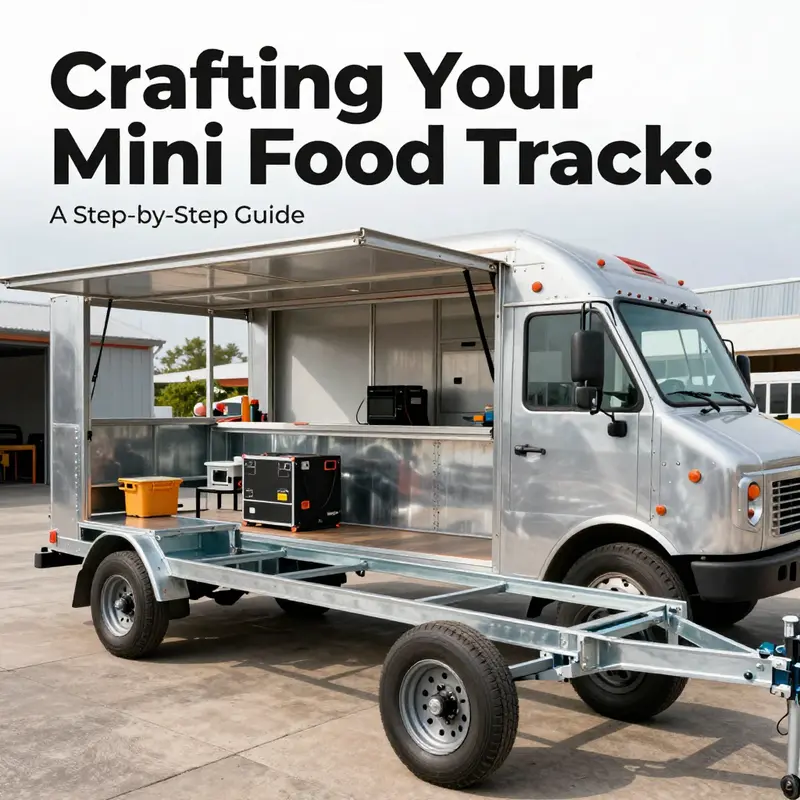
A mini food truck is more than a portable kitchen; it is a compact workshop where safety, efficiency, and personality fuse to create a credible business on wheels. The journey from concept to chassis and from blueprint to bustling service window rests on a single principle: design for flow. Every inch of space should support a smooth sequence from storage to prep to serving, and every connection—electrical, plumbing, and mechanical—must be robust enough to survive the road as well as the stove. The process begins with choosing a base platform that can bear the load of equipment, withstand vibration, and roam through urban corridors with fuel efficiency and reliability. Rather than anchoring to specific brands or models, the emphasis is on a light commercial chassis that offers a balance of stiffness, maneuverability, and serviceability. In the city, where tight streets and frequent stops dictate pace, the right platform behaves like a partner: predictable, compact, and forgiving to the operator. You look for a platform with a proven track record of dependable performance, good suspension, and a base that accommodates a kitchen’s weight distribution without compromising maneuverability. Once a suitable chassis is secured, the frame is the next frontier. A sturdy skeleton—welded or bolted from a corrosion-resistant steel or aluminum alloy, depending on climate and budget—forms the bed of the operation. The goal is a frame that resists flex during acceleration, braking, and pothole-ridden streets while remaining light enough to keep fuel costs reasonable and handling responsive. At this stage the size of the working footprint matters less as a fixed number and more as a planning discipline. It is common to imagine a compact footprint that allows for a 1-meter square feel in a workshop sketch, because that mental anchor helps you respect ergonomics and efficiency in real life. In practice, most professional mini trucks expand the concept to a longer, narrow body with a defined cooking zone, a separate prep line, and a dedicated service counter. The segmentation helps prevent cross-contamination and streamlines the workflow in tight quarters. The body enclosure is then clad with weather-resistant panels, typically stainless steel for the cooking zone and durable plywood or aluminum with exterior sealant for non-contact areas. Behind the panels, the floor should be a seamless, easy-to-clean surface with rounded edges and a slip-resistant finish. A service door at the rear or side completes the integrated flow, allowing staff to load ingredients, move packaging, and retrieve tools without stepping into the cooking area. Inside, every surface should be easy to sanitize and resistant to heat, moisture, and day-to-day abuse. The kitchen’s core is the cooking module: a compact electric griddle, a small gas burner, or an induction cooktop, securely mounted and vented. The choice of appliance is guided by the final menu and the electrical and gas capacities of the chassis. The cooking line should have a dedicated sink with a constant supply of clean water and a drainage system that leads to a properly designed waste management plan. The water system often requires a modest tank and pump that keep the flow steady during service, with the sink sized to handle the restaurant’s expected pace without creating bottlenecks. The grease trap is not just a luxury; it is a legal and hygienic necessity. It must be installed in a way that intercepts fats and oils before they reach the drain, with a maintenance schedule that keeps the system from clogging, odors, or leaks. Ventilation is another crucial element. You need a hood or equivalent venting system sized to the cooking load and configured to move air out of the vehicle efficiently. Inadequate ventilation is a health and safety risk as well as a recipe for stubborn smoke alarms and failed inspections. The power and fuel plan is the backbone of reliability. Power can come from a compact generator, a battery bank, or a hybrid combination, with care taken to balance weight and noise. Propane remains a popular option for gas appliances, but any gas system requires rigorous attention to line routing, shutoffs, and leak detection. Professional installation is not optional at this stage; it is a compliance issue as well as a safety imperative. Placing electrical conduits, wiring, and junction boxes within a protected channel reduces damage from vibrations and makes future maintenance straightforward. All wiring should be installed to code, with GFCI outlets where appropriate and adequate grounding. A waterproof splash guard behind the cooking area protects the walls from heat and splatter, preserving the truck’s surface and reducing maintenance. The final floor plan should reflect a deliberate priority: the most frequent tasks—ingredient retrieval, preparation, cooking, plating, and serving—must happen with the least possible distance traveled. A well-ordered interior not only speeds up service but also reduces staff fatigue, a critical factor during long shifts or event bookings. Sustainability considerations can shape material choices as well. Stainless steel is durable and hygienic, but it comes with a higher upfront cost. Food-grade plywood or aluminum composites offer a pragmatic compromise for non-critical zones while still being easy to clean and maintain. The finish should resist heat, moisture, and abrasion; subtle shading can help minimize glare on sunny days and make the service window inviting. The service counter is a visual anchor as well as a functional station. It should present a clean line from the customer to the food, with a lip to prevent items from falling and a seal to maintain temperature. A foldable awning or a compact LED lighting system can transform the stall’s curb appeal, especially in dim conditions, and the branding elements should be integrated into the structure rather than added as an afterthought. Branding becomes part of the architecture—your name, logo, and color palette should feel like an extension of the truck’s body rather than an overlay. After the frame, body, and utilities are installed, the unit undergoes a staged testing process. This includes dry runs of the workflow—loading ingredients, performing prep steps, running the cooking cycle, and cleaning sequences—to verify that the layout supports a safe and efficient operation. The checks extend to safety: ensuring that fire suppression capabilities are in place, that escape routes are clear, and that all electrical components meet local codes. A test drive is also necessary to confirm that the vehicle handles road conditions and that the wheelmounts, suspension, and braking respond predictably under real-world loads. If you are operating in a jurisdiction with specific health and safety expectations, you will have aligned the electrical and gas installations with licensed professionals who understand those rules and hold the appropriate permits. This is not simply a matter of meeting a standard; it is a practical guarantee that the kitchen will perform under pressure, and that it can be inspected and approved by health and safety authorities without delay. Beyond the mechanics, the truck must carry a compact, practical inventory of containers, utensils, and packaging supplies. Shelving and drawers should be sized for quick access without overloading the space; your aim is to keep food and packaging within reach while still allowing for easy cleaning and restocking. The storage design should also consider waste handling—separation of organic waste, recyclables, and trash can reduce clutter and simplify post-service cleanup. One lesson that often emerges during assembly is that the most effective mobile kitchens feel like they were designed by people who have cooked in small spaces. The ergonomics of the work triangle—where ingredients, tools, and heat source align in a smooth loop—reduce motion waste and fatigue. The finishing touches are both practical and promotional. A clean, cohesive exterior with weatherproof seals invites customers to approach and makes the interior feel more professional. Lighting, signage, and a tidy layout help communicate the concept at a glance and set expectations for the guest. It is worth noting that the practicalities of construction extend into branding and permits. A well-built unit supports compliance, permits, and licenses because inspectors see a kitchen that is assembled with care, integrated with proper ventilation, and secured to a sturdy chassis. The narrative of the truck’s construction should also echo the broader business story: a professional, mobile operation that can move between venues, adapt to different menus, and maintain consistent quality under changing conditions. If you are seeking inspiration for how a cohesive aesthetic can be achieved, consider the design templates available online to visualize your ideas and to refine the layout before you cut metal or lay panels. As you refine your plan, keep a steady link to ongoing learning and community resources. For example, the Mini Trucks CaLa blog hosts insights from people who have navigated the same choices and challenges, offering practical tips and progress updates that bridge the gap between concept and live operation. You can explore their notes here: Mini Trucks CaLa blog. When you feel the pull of professional benchmarks and industry standards, you may also consult a comprehensive external guide that walks through the technicalities of building a mini food truck, from chassis selection to final test and compliance: https://www.foodtrucks.com/building-your-mini-food-truck-guide. The integration of practical construction with regulatory awareness is what turns a clever idea into a legitimate, rentable asset. The result is not merely a vehicle with a stove; it is a compact, resilient platform capable of delivering consistent quality in diverse environments, from busy city streets to remote job sites. In this sense, the project becomes more than a build; it becomes a micro-enterprise with potential for on-site catering, event service, and regional food distribution. For operators, the payoff is both operational and strategic: the truck, when built with thoughtful spacing, proper utility integration, and a clear compliance plan, can adapt to a range of business models and menus while maintaining the nimbleness that first attracted the idea of a mobile kitchen. The path from blueprint to first service is paved with attention to detail—the kind of detail that makes a difference between a kitchen that works and a kitchen that endures. In the end, the mini food truck stands as a small-scale but serious business tool, capable of delivering hospitality, performance, and a distinctive identity wherever it rolls. For those who want to stay connected with evolving practices and community perspectives, the journey is ongoing, and the resource network remains a valuable ally.
From Hobby to Streetfront: Turning a Mini Food Truck Dream into a Practical, Profitable Venture
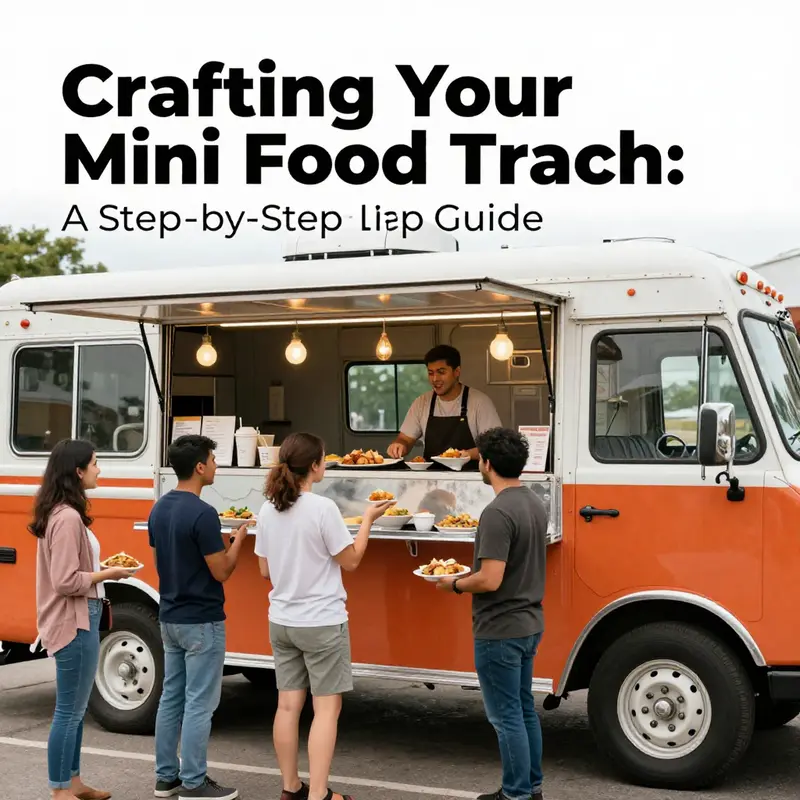
The shift from kitchen hobbyist to mobile entrepreneur often arrives not with a thunderclap but with a quiet, persistent nudge: a recipe you know by heart, a handful of people who keep asking for your food, and a sense that your tiny kitchen could travel farther than a porch stand. The journey into a mini food truck business begins with a clear pull toward a culinary passion and a practical sense of how to translate that passion into repeatable, dependable performance on wheels. It’s not merely about cooking well; it’s about crafting a portable experience that travels with you and your concept, while staying compliant, safe, and financially sustainable. The move from hobbyist to operator hinges on three intertwined threads: personal fit, market testing, and operational discipline. When you thread these together, the result is not a flash-in-the-pan side hustle but a lean, adaptable venture capable of surviving the road’s rougher miles.
First comes a hard, honest look at what you enjoy making and what you do best. The guiding question is simple: what’s easy for you to cook consistently, at a level that makes people come back? That inquiry isn’t about chasing the easiest recipe. It’s about identifying a core competency that can scale in a compact mobile space. If you find you excel at a certain preparation method—say, a signature sauce, a hand-formed tortilla, or a perfected plant-based filling—that becomes your anchor. The concept should feel almost inevitable: the menu you design around that skill isn’t merely a list of items; it’s a story you tell with each plate, wrapped in a voice customers recognize and trust. A long-standing truth from practitioner guides echoes here: build on what you genuinely enjoy and excel at, because passion sustains quality when the days grow long and the service window tightens.
With the concept in hand, validation becomes the next critical step. A practical rule of thumb is to test in low-risk environments before committing to a mobile footprint. Farmers’ markets, community events, or pop-up collaborations offer a valuable proving ground. The goal is not to perfect the entire menu from the outset but to observe what resonates in a real audience: which items fly off the pan, which flavors invite repeat purchases, and where the price-to-value balance feels right. This approach aligns with the maturity phase described in contemporary small-business frameworks, where iterative learning curates a product that matches actual demand rather than imagined preference. The advantage of this testing phase is not merely feedback; it’s a data-driven sense of timing and scale. You learn how much kitchen space you truly need, how many hands are essential during peak hours, and which packaging options customers actually value. It’s in these practical moments that the idea of a micro-vehicle becomes more than a dream; it becomes a viable plan of action.
The personal side of this transition is equally important. The operator’s temperament shapes how the business runs, and recognizing your own strengths helps you assign roles that maximize efficiency and enjoyment. An introvert who thrives behind the scenes may excel at recipe development, cost control, and operations logistics—where precision and consistency are everything. An extrovert drawn to interaction with people may gravitate to the front-of-house duties: engaging customers, building brand loyalty, and managing on-site branding and partnerships. As a growing body of guidance stresses, don’t force yourself into a role that doesn’t fit; align your responsibilities with your natural skills and interests. This alignment doesn’t just make work more enjoyable; it often leads to better customer experiences because your enthusiasm translates into authentic service.
With concept validation and personal alignment in place, cross-functional innovation becomes a powerful differentiator. Sustainability in packaging, a themed or rotating menu, and even small live elements can turn a simple food truck stall into a memorable experience. The ideas don’t have to be radical to be effective; they should, however, be intentional. A compostable packaging strategy, for example, can resonate with customers who crave both flavor and responsibility. A limited-time theme—think seasonal toppings, a regional twist, or a playful concept tied to a local event—can keep the menu fresh without overburdening the kitchen. Live music or a collaboration with local artists, though modest in scale, can elevate the encounter, transforming a quick service moment into a small social occasion. The aim is not showmanship but a layered, repeatable experience that remains financially sane and logistically manageable within a compact vehicle.
Timing and resource management are the practical brakes and accelerators of this transition. Capital is rarely unlimited, so many first-time operators begin with a used or DIY mini truck, focusing on core equipment and essential permits rather than a perfect showroom. You’ll often hear that you don’t need a pristine setup to begin; you need a clear vision, a realistic budget, and a plan that can evolve as you learn. A measured start reduces risk while allowing room to grow. The work of moving from hobby to business is as much about the process as the product: defining a feasible footprint, selecting equipment that delivers reliability rather than novelty, and ensuring every dollar spent has a clear link to value for the customer.
As the plan solidifies, branding and presentation become more than cosmetic decisions. The truck’s exterior, the counter layout, and the way products are presented all contribute to how customers perceive your business. A foldable awning, LED lighting, and a consistent color story create a recognizable presence that travels with you, turning a roadside stop into a recognizable destination. The branding doesn’t merely attract attention; it communicates your concept, your values, and your commitment to quality. The creative energy behind branding can be inspired by a broader ecosystem of food-truck communities and design thinking, where the visuals and the menu narrate a cohesive story. Even small touches, like neatly labeled containers, clear signage, and an organized handoff at the window, reinforce the sense of reliability and care that customers remember and tell their friends about.
In the quiet hours of planning, there is also a practical procedural layer that cannot be neglected. You’ll need to establish a legal framework that covers licensing, health compliance, and safe operation. This is where the concept intersects with the work of real-world operators who have walked the same road. Understanding the local street-trading or mobile-food regulations, registering the business, and arranging appropriate liability coverage create a safety net that lets you innovate with confidence. The path is not glamorous, but it is essential. Compliance, once in place, frees you to focus on the craft and the customer rather than on the friction of sudden enforcement checks or unexpected fines. It’s a quiet but powerful enforcement of discipline that ensures your growth is sustainable rather than merely aspirational.
To anchor these ideas in practice, consider consulting a living, evolving resource that gathers stories, tips, and continuing guidance from people who have walked the path. For readers who want a straightforward hub for ongoing ideas—branding tweaks, seasonal menus, or community partnership strategies—the Mini Trucks Kala Blog can be a helpful companion. It isn’t a prescription; it’s a catalog of experiments, successes, and missteps that can spark your own iterations without requiring you to reinvent the wheel every week. The value lies not in copying a single move but in absorbing a flexible mindset: test, observe, adapt, and repeat.
As you move from the planning table to the first practical runs, you’ll notice a natural rhythm emerging. You’ll begin to see which items travel best, how much space each preparation demands, and how customers respond to a quick, friendly service window. The process rewards patience and persistence. You don’t need a flawless prototype to begin; you need a disciplined, iterative approach that enables you to refine your concept, scale your operations, and honor the constraints of a mobile kitchen. The lessons from this transition are not only about making food; they are about making a small business that can ride a street-friendly wave of demand while maintaining control over quality, costs, and customer relationships.
If you pause to reflect on the journey so far, the arc becomes clear: a hobby transforms into a business through deliberate concept selection, transparent testing, and disciplined execution. The success criteria flip from “great taste alone” to “consistent experience, good margins, and reliable service under dynamic conditions.” It is in this balance—between culinary craft and the logistical savvy of mobile retail—that a mini food truck finds its footing. And once that footing is secure, the same principles can guide you through expansions, menu pivots, or collaborations that keep your business agile and relevant amid changing tastes and regulations.
All these threads—passion-driven concept, market-tested viability, personality-aligned roles, cross-functional innovation, and prudent capital management—form a coherent path from hobby to a streetfront business. They acknowledge the reality of working with a compact vehicle, the need for practical, repeatable kitchen processes, and the importance of safety and compliance as the foundation rather than an afterthought. The result is not a glossy, one-off spectacle but a lean, resilient operation capable of growing with experience, customer trust, and community support. The road ahead is not a straight line; it’s a constellation of small, repeatable decisions that compound over days, weeks, and seasons. Each decision about a recipe, a packaging choice, or a partnership reinforces the story you’re building on four wheels. And as you test, refine, and learn, your small truck becomes more than a vehicle moving food—it becomes a signal to neighbors, event organizers, and regulars that a thoughtful, capable business has arrived, ready to serve with consistency, care, and a sense of place.
To further enrich your ongoing journey, explore other practical reflections and case studies that align with the same spirit of iteration and care. The core principle remains constant: begin with a clear, authentic culinary core; validate it in the real world with affordable trials; and scale thoughtfully as your strengths and resources grow. When you honor your own strengths, you design a business that not only survives the road but shines on it, inviting customers to return not merely for what’s on the plate but for the entire experience—the aroma, the warmth, and the sense that this is a venture that cares enough to keep improving. The next chapters will circle back to the design and construction details that translate these strategic ideas into a tangible, drive-ready unit, followed by stories of operations, marketing, and community engagement that keep a mini truck thriving in a crowded marketplace.
For a deeper dive into the practical mechanics of starting and running a mobile kitchen, you may wish to consult additional sources that discuss regulatory basics, cost controls, and the cadence of testing and iteration in real-world settings. The whole process, after all, is as much about learning to move with the road as it is about moving food from grill to plate. The chapter that follows will bring you closer to execution, with a focus on translating a tested concept into a compact but durable platform, and on creating a brand that travels as much as your truck does.
Final thoughts
Creating a mini food truck offers a wonderful opportunity to combine creativity with business savvy. By following the journey from design to construction and eventually to operation, you not only build a vehicle but also a viable business that can bring great joy to your community. Remember, each step is progress, so embrace the process and enjoy every moment of your mini food truck adventure!