Purchasing a truck is more than just an exciting milestone; it marks the beginning of a significant financial journey as a first-time truck owner. Managing finances as a first-time truck owner involves understanding not only the initial purchase price but also the ongoing expenses, such as vehicle financing, insurance, maintenance, fuel, and other operational costs.
While the thrill of owning a new truck brings plenty of joy, it also comes with the responsibility of budgeting wisely. Many new owners find themselves surprised by costs they may not have anticipated, emphasizing the need to approach truck ownership with careful planning and preparation.
This guide will navigate you through the essential financial responsibilities tied to your new vehicle, ensuring you feel excited and equipped to manage your finances effectively on this new path.
Ongoing Expenses Associated with Truck Ownership
Owning a truck involves several ongoing expenses that can add up quickly. Here are the key costs you should know about, along with tips for managing them effectively:
-
Insurance:
- One of the largest ongoing expenses.
- Premiums depend on your truck’s model, the type of coverage, and your driving history.
- Compare various providers and coverage options to find a balance between protection and cost.
-
Maintenance:
- Regular maintenance is essential for keeping your truck in good condition.
- Tasks include oil changes, fluid checks, and tire rotations.
- Set a maintenance schedule to help manage costs. Routine care can prevent more expensive repairs later.
-
Fuel:
- Fuel costs can vary based on gas prices and your driving habits.
- Monitor your fuel consumption and consider adopting efficient driving practices to cut costs.
- Joining loyalty programs or using apps that provide fuel discounts can also help.
-
Registration Fees:
- Annual registration comes with fees that differ by state.
- Set aside money each month to avoid financial strain when the registration is due.
-
Repairs:
- Unexpected repairs can be a significant financial burden if not planned for.
- Establishing an emergency repair fund can help you cover these costs without impacting your regular budget.
-
Tire Replacement:
- Tires need regular maintenance to perform well and last longer.
- Regularly checking the health of your tires and rotating them can extend their lifespan, thus reducing replacement costs.
To effectively manage your finances as a truck owner, keep track of these expenses and plan your budget accordingly. Consider maintaining a monthly spreadsheet or using budgeting apps to document costs. By anticipating these ongoing expenses, you can enjoy your truck without the worry of unplanned financial burdens.
Fuel Economy Tips for Truck Owners
Fuel economy is a critical factor for truck owners looking to save on operational costs while maximizing efficiency. Improving fuel economy can translate into significant cost savings, especially for first-time truck owners. Here are some expert strategies and practical tips:
-
Maintain a Consistent and Moderate Speed: Driving steadily between 55 and 60 mph can enhance fuel efficiency. Every 5 mph over 60 mph adds approximately 24 cents per gallon to fuel costs due to increased resistance.
source -
Utilize Cruise Control: Using cruise control on highways helps maintain a steady pace, which can result in up to a 6% reduction in fuel consumption.
source -
Monitor and Maintain Proper Tire Pressure: Keeping tires inflated to the recommended levels can improve fuel economy. For each psi drop in tire pressure, fuel economy decreases by 0.2%.
source -
Reduce Unnecessary Idling: Idling consumes fuel without moving the vehicle. Turning off the engine when stationary for prolonged periods can contribute to significant fuel savings.
source -
Implement Regular Maintenance Checks: Keeping up with routine maintenance, including oil changes and brake inspections, ensures efficient operation.
source -
Optimize Aerodynamics: Enhancing your truck’s aerodynamics with fairings and streamlined mirrors can reduce drag and improve fuel efficiency on the highway.
source -
Use the Manufacturer’s Recommended Motor Oil: The correct grade of motor oil can notably improve fuel economy. Using inappropriate oil may lead to decreased performance and efficiency.
source -
Plan Efficient Routes: Using GPS to identify the most efficient routes can minimize mileage and fuel use by avoiding congested areas and detours.
source -
Lighten the Load: Reducing unnecessary weight can enhance fuel efficiency. Every 10% drop in truck weight can decrease fuel consumption by 5% to 10%.
source -
Train Drivers on Fuel-Efficient Practices: Equipping drivers with knowledge about smooth driving techniques can save between $1,200 in fuel costs annually.
source
Incorporating these fuel economy tips into your driving habits can lead to substantial savings and is essential for managing your ongoing expenses as a first-time truck owner.
Comparison of Truck Insurance Providers Including Insurance Types for Trucks
| Provider Name | Type of Coverage | Average Premium Costs | Notable Pros | Notable Cons |
|---|---|---|---|---|
| Geico | Comprehensive, Liability, Collision, Trucking Insurance | $1,200/year | Competitive rates, excellent customer service | Limited coverage in some states |
| Progressive | Comprehensive, Liability, Collision, Trucking Insurance | $1,300/year | Flexible payment options, customizable coverage | Higher rates for younger drivers |
| State Farm | Comprehensive, Liability, Collision, Trucking Insurance | $1,500/year | Strong local agents, nationwide availability | Premiums can be higher for some trucks |
| Allstate | Comprehensive, Collision, Trucking Insurance | $1,400/year | Great discounts for safe driving | Complex rating system |
| Farmers | Comprehensive, Liability, Collision, Trucking Insurance | $1,600/year | Extensive list of discounts | Customer service can be inconsistent |
| Nationwide | Comprehensive, Liability, Collision, Trucking Insurance | $1,300/year | Strong financial backing, good claims process | Fewer discount options |
In this section, the different insurance types for trucks, including comprehensive, liability, collision, and specific trucking insurance options, are compared across various providers to help you make informed decisions about truck insurance and select the best coverage for your needs.
Maintenance Costs
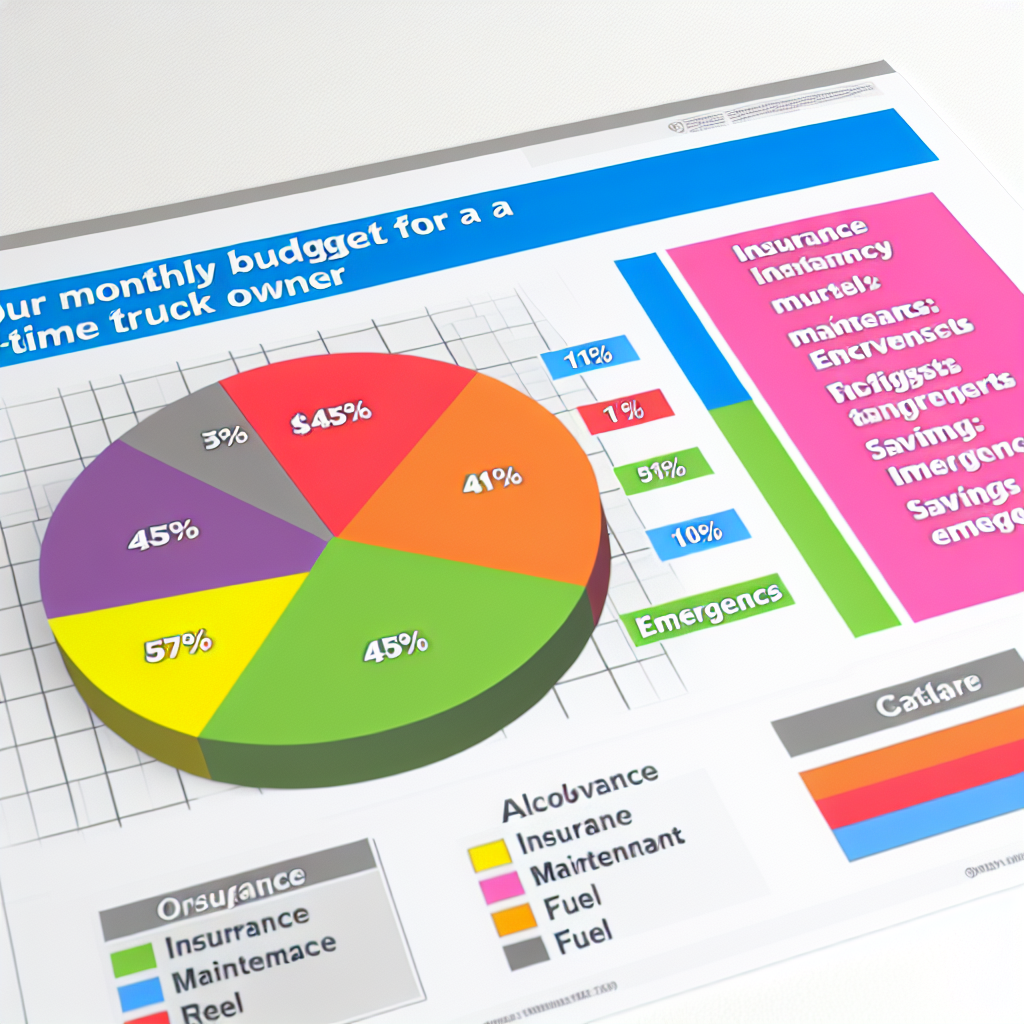
Routine maintenance costs can quickly accumulate for truck owners, especially if they are not adequately planned for. It is essential to allocate funds for maintenance to avoid the pitfalls of unexpected expenses that can interfere with your budget and financial stability. Regular maintenance tasks, which include oil changes, tire rotations, brake inspections, and fluid checks, carry specific costs that should be factored into your owner’s financial plan.
Common Routine Maintenance Tasks and Their Costs
-
Oil Changes
Frequency: Every 15,000 to 25,000 miles, depending on engine type and usage.
Cost: Approximately $150 to $300 per service.
Regular oil changes are crucial for preventing engine wear and overheating. Neglecting this task can lead to severe engine damage, costing thousands in repairs. -
Tire Rotations
Frequency: Every 5,000 to 8,000 miles to ensure even tread wear.
Cost: Typically between $20 and $62 per rotation.
Maintaining your tires can enhance safety, improve fuel efficiency, and extend their lifespan. -
Fluid Checks and Replacements
Typical Costs: Each fluid service ranges from $50 to $200.
Ensuring proper levels of coolant, brake fluid, and diesel exhaust fluid (DEF) is essential to prevent vehicle performance issues. -
Brake System Inspections
Frequency: Every 25,000 to 30,000 miles.
Cost: Inspections can cost between $300 and $500; delaying them can escalate repair costs to over $1,000.
Regular brake maintenance is necessary for safety and can prevent significant repair costs.
Insights on the Importance of Maintenance
Routine maintenance offers several significant benefits to truck owners:
- Enhanced Safety: Regular checks identify potential problems before they evolve into dangerous situations.
- Cost Savings: Tackling minor issues early prevents them from developing into major failures that require expensive repairs.
- Increased Fuel Efficiency: A well-maintained truck will typically consume less fuel, resulting in lower monthly expenses.
- Extended Lifespan: Consistent upkeep increases the operational life of your truck, maximizing your investment.
As Grant Davis noted, “Managing finances as a first-time truck owner comes down to preparation and smart planning.” Establishing a dedicated maintenance budget is a critical aspect of this strategy. Without tracking these costs, it is easy to underestimate how much money is actually going toward the vehicle each year. By planning ahead and prioritizing maintenance, first-time truck owners can enjoy the benefits of their investment while minimizing unexpected financial burdens.
A Personal Anecdote by Grant Davis
When I became a first-time truck owner, I was ecstatic about the freedom and opportunities it brought. However, that joy quickly turned to anxiety when I encountered unexpected expenses that I had not budgeted for. One evening, after a long day on the road, I discovered a flat tire. The replacement cost nearly derailed my tight monthly budget.
After that experience, I realized that financial planning was not just an option; it was essential. I learned to set aside a specific amount each month for maintenance, unexpected repairs, and even routine expenses like fuel and insurance. As I often say, “Managing my finances as a first-time truck owner comes down to preparation and smart planning.”
Tracking these costs has transformed how I approach truck ownership. It not only relieves stress but also empowers me to enjoy my journey without the relentless worry of what unexpected bill might come next. My advice to fellow first-time truck owners? Start your financial planning today and treat it as a pivotal part of your ownership experience. Knowing your financial footing makes all the difference in navigating the rewards and challenges ahead.
Tips for Budgeting Repairs and Establishing an Emergency Repair Fund
As a first-time truck owner, unexpected repairs can be stressful and financially draining. Here are practical tips to help you budget for repairs and set up an effective emergency repair fund:
- Assess Your Historical Repair Costs: Start by reviewing any previous repair costs or maintenance expenses for your truck model. This assessment will give you an idea of potential future expenses and help you set a realistic budget.
- Create a Separate Savings Account: Open a dedicated savings account for emergency repairs. This way, you can easily track funds designated for unexpected costs and avoid tapping into your regular budget.
- Allocate a Fixed Amount Monthly: Determine a reasonable amount to transfer to your emergency repair fund each month. A good rule of thumb is to set aside 1% to 3% of your truck’s value annually. For example, if your truck is worth $30,000, aim to save between $300 and $900 per year.
- Prioritize High-Impact Repairs: Identify repairs that could cause significant problems if neglected, such as brake or engine issues. Allocate extra funds in your budget for these critical repairs to avoid larger expenses later.
- Utilize Maintenance Packages: Some dealerships offer maintenance packages that include regular checks and services at discounted rates. Consider this option as it can prevent future repairs and save you money.
- Monitor and Track Expenses: Keep a detailed log of both monthly maintenance and unexpected repairs. By logging each expense, you can identify trends and areas where you may need to adjust your budget.
- Plan for Seasonal Expenses: Depending on your region, certain seasons may require more maintenance, such as winter tire changes or air conditioning checks in summer. Factor these seasonal expenses into your monthly budget to avoid surprises.
- Learn Basic Repair Skills: Equip yourself with knowledge about basic repairs, such as changing oil or replacing wiper blades. This not only saves money but also keeps you prepared for any minor issues without heading to a mechanic.
- Review Your Insurance Policy: Ensure your truck insurance covers repairs, and understand any deductibles. Knowing the terms can help you budget for out-of-pocket costs.
- Join a Community or Forum: Engage with other truck owners in online communities or forums. They can provide insights into common repairs for your truck model and help you budget effectively based on shared experiences.
By proactively budgeting for repairs and establishing a solid emergency repair fund, you empower yourself to handle unexpected expenses with confidence, allowing you to enjoy your truck ownership journey without the stress of financial strain.
The Importance of Tracking Costs in Truck Ownership
Tracking all costs associated with truck ownership is vital for first-time owners. Many individuals may not fully understand or foresee the overall expenses that come with owning a truck. These costs can quickly accumulate, leading to significant financial strain if not properly managed. This includes the direct costs of purchasing and insuring the vehicle, but it also encompasses various ongoing expenses such as maintenance, fuel, and unforeseen repairs.
The risks of underestimating expenses can lead to unexpected financial burdens that may detract from the enjoyment of truck ownership. As highlighted in the quote,
‘Without tracking these costs, it is easy to underestimate how much money is actually going toward the vehicle each year.’
This emphasizes the importance of diligent cost tracking to avoid potential financial pitfalls. By keeping a close eye on all expenditures, truck owners can better plan their budgets, ensuring a fulfilling experience without the stress of unanticipated costs.
Conclusion
Embracing truck ownership as a first-time buyer is an exciting journey filled with possibilities. However, it also necessitates a strong commitment to preparation and smart planning. As you’ve learned throughout this article, understanding and managing your finances effectively is crucial in navigating the ongoing expenses associated with owning a truck.
Start by creating a detailed budget that accounts for all anticipated costs, from insurance and maintenance to fuel and repairs. Regularly tracking these expenses will not only provide clarity but will also help you build an emergency fund for unforeseen expenses in the future.
To take actionable steps, consider implementing the following suggestions:
- Use Budgeting Apps: There are various apps available that can help you track your spending effectively.
- Maintain a Monthly Spreadsheet: Keep a dedicated spreadsheet where you log all expenses associated with your truck.
- Schedule Regular Reviews: Set a specific date each month to review your expenses and adjust your budget accordingly.
- Set Up Automatic Transfers: Consider automating transfers to your emergency repair fund to ensure you’re consistently saving.
Remember, the way you manage your finances today will set the tone for your overall ownership experience. Take charge of your financial planning and have confidence in your ability to maintain a successful and enjoyable journey as a truck owner. You’ve got this!