
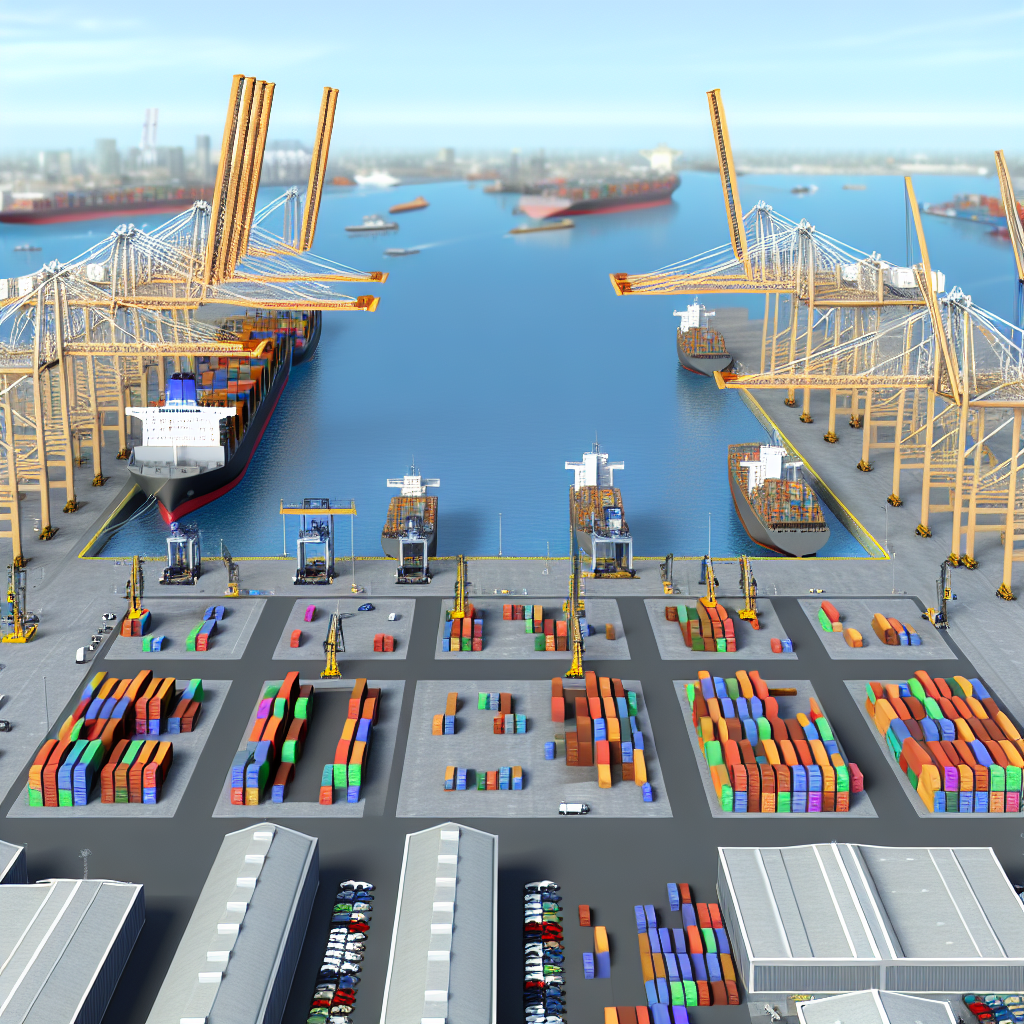
The Montreal port expansion is set to redefine the landscape of trade in Canada, serving as a crucial nexus for economic growth. As the demands of global trade evolve, this significant infrastructure project is crucial for Eastern Canada’s economic future. By expanding the Port of Montreal’s capacity by approximately 60%, the project promises not only to keep goods moving efficiently but also to diversify trade routes, empowering Canadian businesses to reach new markets. Furthermore, the anticipated economic benefits, estimated at around $140 million annually, underscore the project’s critical role in strengthening both Quebec’s and Canada’s economies. This endeavor will not only enhance supply chain efficiencies but also create job opportunities, ultimately fostering a more robust and resilient economy. With the support of key figures like Prime Minister Mark Carney, the Montreal port expansion symbolizes a commitment to nation-building and economic development, ensuring that Canada remains competitive in the global marketplace.
“This project will expand the Port of Montreal’s capacity by approximately 60%, to give Eastern Canada the trading infrastructure it needs to keep goods moving, meet growing demand, and diversify trade routes.”
Economic Benefits of the Montreal Port Expansion
The Montreal port expansion is poised to generate significant economic benefits for both Quebec and the entire country of Canada. With an estimated annual impact of approximately $140 million, this expansion project will enhance economic activity and create numerous advantages, including:
- Boost to Local Economy: The expansion will stimulate local businesses through increased demand for goods and services.
- Job Creation: Thousands of jobs are expected to be created during construction and operation, providing employment opportunities for local residents.
- Enhanced Trade Capacity: By fostering an increase in container capacity, businesses can engage in greater trade, thus diversifying markets and routes for Canadian products.
- Improved Logistics Efficiency: The expansion will streamline the supply chain, reducing costs and meeting the rising demands in trade.
- Increased Tax Revenue: With heightened economic activity, local and provincial governments will benefit from increased tax revenues, which can be reinvested into community projects.
- Support for Export Industries: The expansion will facilitate export of goods, further strengthening Canada’s position in global trade.
In summary, the Montreal port expansion is not just an infrastructure upgrade; it is a pivotal investment in the economic future of Quebec and Canada as a whole.
For further reading on the economic aspects of maritime infrastructure, you can check out this reputable source on maritime economics: World Maritime University – The Economics of Shipping.
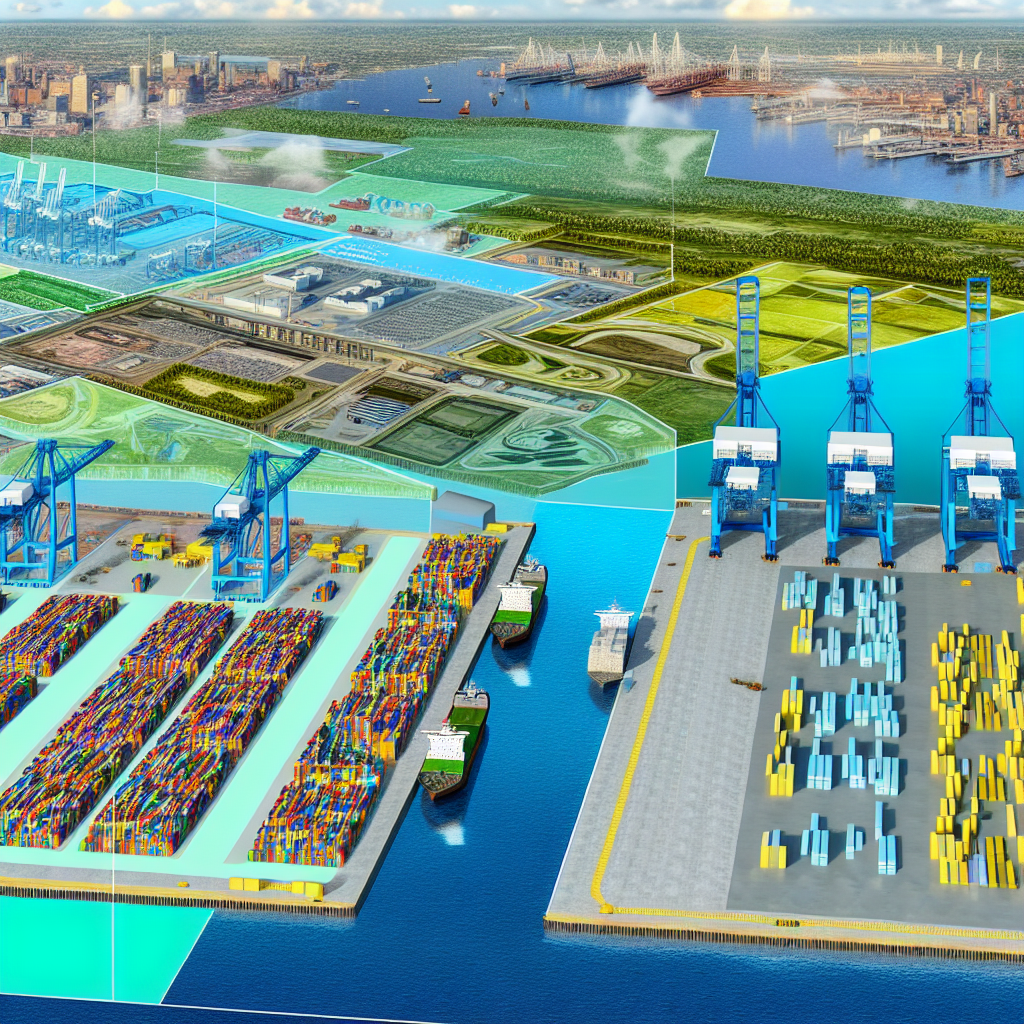
| Port | Capacity Increase | Economic Impact | Timeline |
|---|---|---|---|
| Port of Montreal | 1.15 million TEUs (60% increase) | Estimated $140 million annually for Quebec and Canada | Preparatory work began in 2025; major construction in 2026 |
| Port of Vancouver | 2.4 million TEUs (Roberts Bank Terminal 2) | Significant contribution to GDP through increased trade, job creation | Construction expected late 2020s |
| Port of Halifax | 160,000 TEUs (South End Container Terminal) | Economic growth and enhanced trade capabilities | Completed in 2023 |
| Port of Prince Rupert | 1.8 million TEUs (Fairview Terminal) | Job creation and improvements to supply chain efficiency | Fairview expansion completed in 2022; Ridley Island expected in 2026 |
Supply Chain Implications of the Montreal Port Expansion
The Montreal port expansion is a significant change for supply chains in Canada. It is set to change how goods are transported and distributed. With an expected increase in capacity by about 60%, this expansion will boost the port’s capabilities and affect various trade routes and logistics in the region.
As the main entry point for trade between Canada and other countries, the Port of Montreal will become more efficient. The increase in handling capacity will allow the port to process more goods, helping to eliminate delays that often disrupt supply chains. This improvement is vital for businesses that depend on timely deliveries, especially in a fast-changing global market.
Moreover, the expansion will open up new trade routes. This will help Canadian companies access new markets both at home and abroad. Better logistics will make operations smoother and lower transportation costs. This is especially beneficial for businesses that import and export goods, such as those in agriculture.
The improved logistics infrastructure will have positive effects throughout the supply chain. Faster transit times and higher capacity will allow companies to react quickly to market changes, improving efficiency and productivity. Local suppliers and service providers will also find more opportunities due to the increase in operations at the expanded port.
In summary, the Montreal port expansion will create a strong supply chain network. It will enhance trade routes, logistics, and the overall economy, helping Canada maintain its competitive edge in global trade.
“At this moment of transformative change, Canada’s new government is focused on delivering major projects to connect our communities, empower Canadian workers, and build Canada’s strength.”
Conclusion
The Montreal port expansion marks a pivotal moment in Canada’s trade landscape, promising to redefine economic relationships both domestically and internationally. By increasing the port’s capacity by approximately 60%, the project not only meets the growing demands of global trade but also opens new opportunities for businesses across various sectors. With an estimated annual economic benefit of around $140 million, the expansion will boost local economies, create thousands of jobs, and enhance the efficiency of supply chains crucial for timely deliveries.
Furthermore, the expansion enables Canadian goods to reach new markets more effectively, strengthening Canada’s competitiveness in global trade. As Prime Minister Mark Carney noted, such infrastructure projects are essential for nation-building, connecting communities, and empowering workers. Ultimately, the Montreal port expansion stands as a testament to Canada’s commitment to fostering economic growth and securing its position as a leader in international trade.
User Adoption and Economic Impact of the Montreal Port Expansion
The expansion of the Port of Montreal’s facilities, particularly the Contrecœur terminal, is set to dramatically improve user adoption and enhance local economies and trade. This project is expected to increase the port’s container-handling capacity by over 50%, adding 1.15 million TEUs to its existing capacity of 2.1 million TEUs. The positive ramifications for local economies are already becoming clear.
Economic Contributions: The Port of Montreal supports roughly 589,364 jobs across Canada, with about 267,941 situated within Quebec alone. It generates an impressive $93.5 billion in economic activity, contributing approximately 3.5% to Canada’s Gross Domestic Product (GDP) and a notable 10% to Quebec’s GDP, which further highlights its significance. Moreover, the port’s activities produce around $1.5 billion in tax revenues for local and provincial governments, translating into resources for community projects and infrastructure improvements.
Increased Trade and User Engagement: As of 2024, the Port handled 35.41 million tonnes of goods, experiencing a marginal increase of 0.2% from the previous year. More importantly, container traffic reveals resilience with a reported 4% increase in twenty-foot equivalent units (TEUs) during the first half of 2025 compared to the same time frame in 2024. Market diversification efforts are also noteworthy, with Northern Europe accounting for 36% of the port’s handled volumes, up from 32% the previous year, showcasing a shift to global supply chains.
Through these statistics, it is evident that the Montreal Port expansion is not only pivotal to enhancing user adoption of its facilities but is also a driving force for substantial economic growth and trade facilitation in the region. This improvement aligns with the goals set forth in the broader Montreal Port improvement project, aimed at bolstering trade and economic resilience.
Indigenous Equity Ownership in the Montreal Port Expansion
Indigenous equity ownership plays a vital role in the Montreal port expansion project, presenting unique opportunities for collaboration and economic empowerment. As the project progresses, partnering with Indigenous communities can ensure that their interests, rights, and perspectives are integrated into the development process.
Such collaborations can lead to innovative solutions tailored to the land’s cultural and ecological contexts. By investing in ownership stakes, Indigenous groups can secure a share in the economic benefits associated with the expanded port operations, including job creation, supplier contracts, and revenue sharing. This economic participation not only aids in community development but also helps in preserving cultural heritage and promoting sustainable practices.
Moreover, engaging Indigenous communities fosters shared decision-making, allowing for the inclusion of traditional knowledge and practices that can enhance operational efficiency and environmental stewardship. This collaborative approach can significantly reduce potential conflicts, creating a more inclusive atmosphere for all stakeholders involved.
The economic empowerment derived from Indigenous equity ownership can be transformative, fostering self-determination and contributing to the broader economic landscape of Quebec and Canada. The Montreal port expansion thus represents not just an infrastructural upgrade, but also a pivotal step towards equitable and sustainable economic development for Indigenous communities in the region.
In summary, featuring Indigenous equity ownership at the core of the Montreal port expansion can result in meaningful partnerships that benefit all parties while advancing reconciliation and economic justice.
Environmental Impact of the Montreal Port Expansion
The expansion of the Port of Montreal carries several environmental implications that merit careful consideration. While the project promises significant economic benefits and enhanced trade capabilities, it also brings challenges related to ecological sustainability and community health.
- Ecosystem Disruption: The construction and subsequent operation of the expanded port facilities can lead to habitat disruption for local wildlife. It is essential to assess how increased marine traffic and construction activities may impact marine ecosystems, including fish populations and coastal flora and fauna.
- Pollution Concerns: Increased shipping activities could escalate air and water pollution levels in the surrounding areas. Emissions from ships, trucks, and cranes contribute to air quality issues, while runoff from construction sites poses risks to waterways and marine life. Effective measures will be necessary to mitigate these impacts, such as adopting cleaner technologies and pollution controls.
- Climate Change Considerations: As one of Canada’s significant logistical hubs, port expansion must align with broader climate goals. The project should prioritize sustainability by implementing practices aimed at reducing greenhouse gas emissions and incorporating renewable energy sources in operations.
- Community Engagement: Ensuring that the voices of local communities, especially those directly affected, are heard is vital in addressing environmental concerns. Initiatives to engage and educate the public on the environmental measures being implemented can foster collaboration and transparency.
In conclusion, while the Montreal port expansion presents a multitude of economic opportunities, it is crucial to address the associated environmental impacts comprehensively. Prioritizing sustainability and community health will ensure that the development supports not only economic growth but also the preservation of the local environment.