
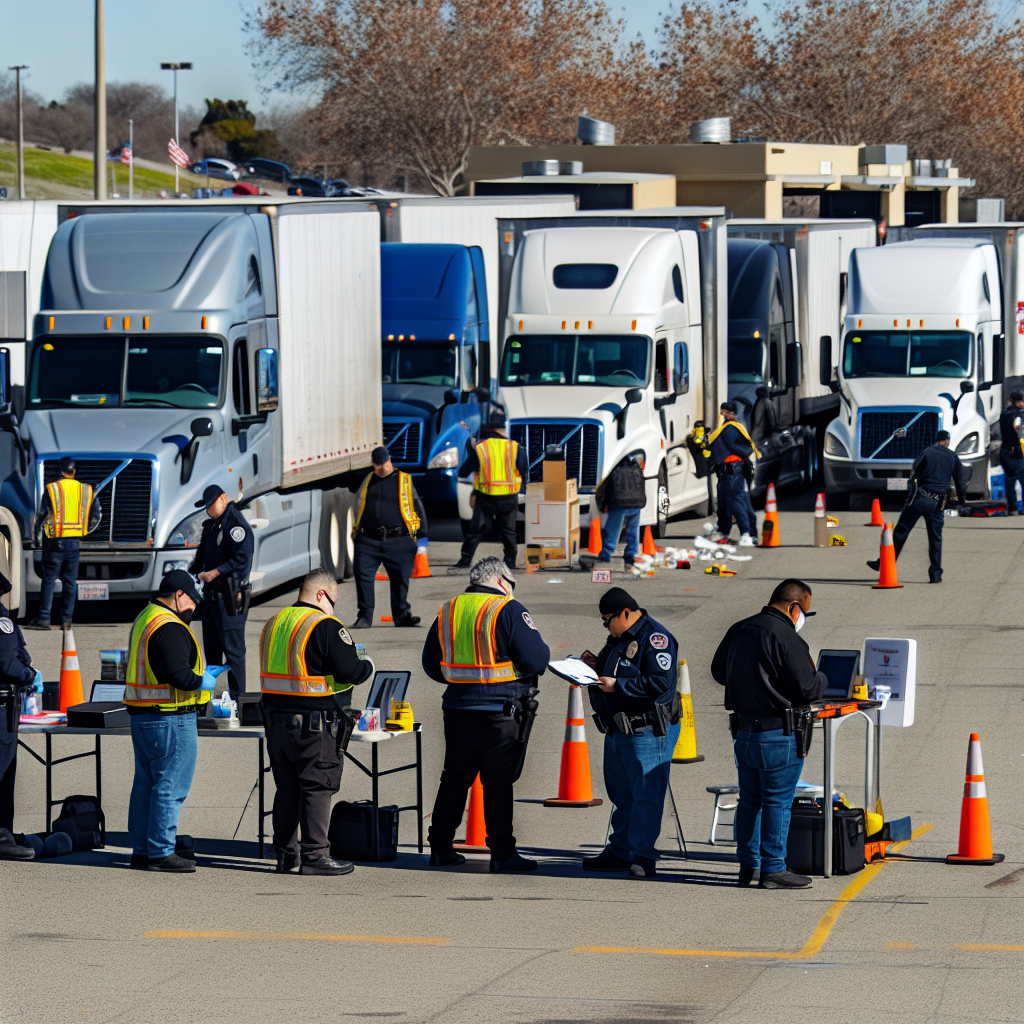
Truck enforcement plays a crucial role in maintaining safety on our roadways, ensuring that commercial vehicles adhere to regulations designed to protect both drivers and pedestrians alike. With the increasing number of trucks on the road, enforcement blitzes have become more frequent, serving as a proactive approach to curb unsafe driving behaviors and vehicle deficiencies.
Recently, a significant two-day enforcement blitz in Milton, Ontario, underscored the ongoing commitment to road safety. During this blitz, enforcement officers inspected 517 trucks, resulting in 161 being placed out of service due to serious mechanical defects, highlighting the urgency of such operations. These measures not only aim to prevent collisions but also serve as a vital reminder of the shared responsibility in ensuring that our highways remain safe for all users.
As we delve deeper into the impact of truck enforcement initiatives, it becomes evident that these efforts are essential in paving the way for safer roadways for everyone.
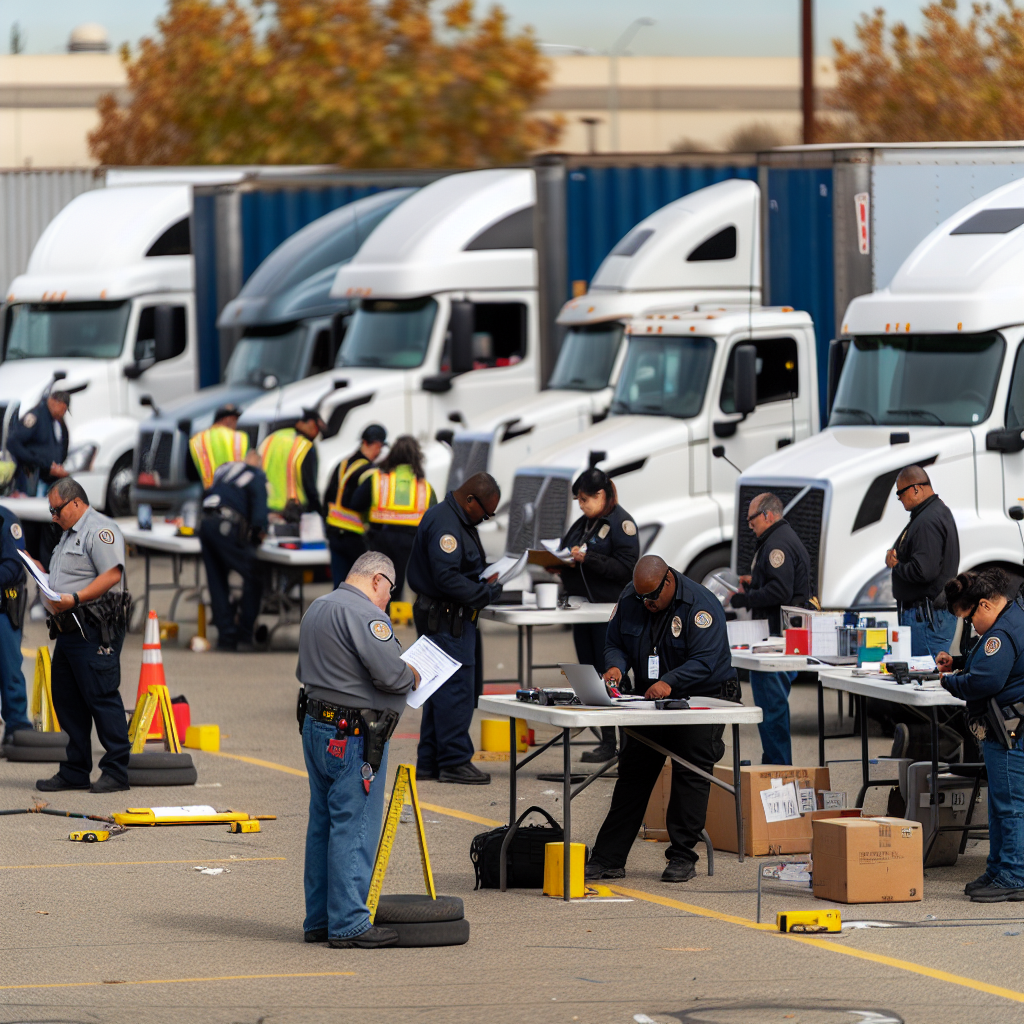
Key Facts about Truck Enforcement Blitzes
- Significant Blitzes Conducted: Recent truck enforcement blitzes have demonstrated a commitment to improving roadway safety and compliance in relation to commercial vehicle safety.
- Total Trucks Inspected: During the International Roadcheck in May 2023, enforcement officials inspected over 59,000 commercial motor vehicles, with 475 vehicles inspected in Milton, Ontario, during a recent enforcement blitz focusing on truck compliance.
- Trucks Placed Out of Service (OOS):
- 11,270 vehicles (19%) were placed OOS during the International Roadcheck.
- In the Halton Region, 149 trucks were placed OOS (31%) during a two-day blitz as part of road enforcement initiatives.
- Charges Laid: Over 290 charges were issued in Halton for various defects and infractions, with significant violations occurring across other blitzes as well.
- Common Violations: Frequent issues found included defective service brakes, improper cargo securement, and hours of service violations for drivers, emphasizing the need for compliance in truck operations.
- Trends: Reports indicate a need for continued focus on mechanical fitness and driver safety, with statistics reflecting the ongoing challenges in commercial vehicle compliance, underlining the importance of these targeted enforcement measures.
- Related Statistics since 2010: 6,482 CVSA inspections performed with 2,445 commercial motor vehicles placed OOS, showing a 36% OOS rate and 5,668 charges issued.
- Related Keywords for SEO: truck enforcement, out of service (OOS), commercial vehicle enforcement, mechanical defects, driver safety, CVSA inspections, road safety, truck compliance.
Implications of the Milton Blitz
In October 2025, the Halton Regional Police Service (HRPS) conducted a significant two-day Commercial Motor Vehicle (CMV) Enforcement Blitz in Milton, Ontario, marking the 25th anniversary of this initiative. The operation involved over 125 officers and inspectors from various agencies across the Greater Toronto Area and Southwestern Ontario.
Key Outcomes:
- Inspections and Violations: Out of 517 trucks inspected, 260 (50%) were found with prescribed defects, and 161 vehicles (31%) were placed out of service. Common issues included brake and tire defects, mechanical fitness problems, load security violations, and weight discrepancies.
- Enforcement Actions: A total of 316 charges were laid for various infractions, accompanied by 120 warnings. Additionally, 15 trucks were in such deteriorated condition that their license plates were seized, necessitating repairs and re-certification before returning to service.
Impact on Road Safety and Community:
The blitz underscores ongoing concerns about commercial vehicle safety in the region. The high rate of vehicles taken out of service highlights the need for stringent enforcement to prevent potential accidents and ensure public safety. Such proactive inspections are vital in maintaining safe roadways and protecting community members from the risks associated with non-compliant commercial vehicles.
Statements from Officials:
- Deputy Chief Kevin Maher: Emphasizing the significance of the blitz, Maher stated, “These proactive inspections prevent collisions and save lives, the results of which speak directly to our shared commitment to commercial vehicle safety and enforcement.”
- Constable Marc Taraso: Highlighting the importance of thorough pre-trip inspections, Taraso noted that some defects, such as worn brake air lines causing air leaks, were “easily observable/audible without even getting under the truck.”
These statements reflect the HRPS’s dedication to road safety and the critical role of enforcement initiatives in identifying and addressing safety violations within the commercial vehicle sector.
Personal Anecdotes:
During this blitz, truck driver Terry Fanson stood out as he was the only driver to receive a CVSA decal for a flawless Level 1 inspection. He expressed pride in his commitment to safety: “I feel pretty good. I’m particular about what I drive, so I’m all over everything.” On the other hand, enforcement officers like Constable Laura Brooker encountered serious violations, noting, “mind-boggling stuff” like “holes in cabs, brakes falling off, and disconnected air lines.” Such experiences illustrate the crucial need for routine maintenance and strict compliance with safety measures within the trucking industry.
These statements and stories reflect the HRPS’s dedication to road safety and the critical role of enforcement initiatives in identifying and addressing safety violations within the commercial vehicle sector.
| Year | Trucks Inspected | Vehicle OOS Rate (%) | Charges Laid |
|---|---|---|---|
| 2025 | 56,178 | 18.1 | 6,682 |
| 2024 | 48,761 | 23 | 5,574 |
| 2023 | 59,429 | 19 | 8,248 |
| 2022 | Not provided | 20 | 7,804 |
| 2021 | 2,156,862 | 23 | 12,131 |
| 2020 | 2,741,564 | 21.8 | 11,026 |
| 2019 | Not provided | Not provided | Not provided |
| 2018 | Not provided | Not provided | Not provided |
| 2017 | Not provided | Not provided | Not provided |
| 2016 | Not provided | Not provided | Not provided |
| 1994 | 1,974,000 | 23.9 | Not provided |
| 2004 | 2,152,000 | 23.6 | Not provided |
This table summarizes truck enforcement statistics over the years, illustrating trends in the number of trucks inspected, out-of-service (OOS) rates, and charges laid. It highlights the importance of ongoing enforcement efforts in enhancing road safety.
User Adoption of Enforcement Blitzes in the Trucking Community
Enforcement blitzes are important operations in the trucking industry. They help keep trucks safe and help drivers follow rules to keep everyone on the roads safe. Recently, these operations have led to different feelings among truck drivers and industry workers about how effective they are.
Effectiveness Statistics
In the International Roadcheck 2024, officials checked 48,761 trucks. They found that 9,345 trucks, or about 19%, were unsafe to drive and had to be taken out of service. Many of these unsafe trucks had problems with their brakes, which were involved in 25% of the major safety issues. Also, about 4.8% of drivers had issues with how long they had been driving.
Community Sentiments
People in the trucking community have mixed feelings about enforcement blitzes. Many agree that these inspections are necessary for making roads safer. However, some think the actions are unfair. For example, during Operation Safe Driver Week in July 2025, commercial drivers got a lot more tickets than regular car drivers. This left many truckers feeling targeted.
There are also big concerns because enforcement actions dropped by 60% since January 2025. This makes people worried that unsafe driving might increase. In states like Texas, there are fears because they have seen more truck accidents, which might be linked to fewer enforcement actions.
Historical Context on Safety Impact
According to assessments from the FMCSA, enforcement actions have saved lives. For example, in 2012, these roadside checks helped save 472 lives and also prevented about 9,000 injuries in 14,000 accidents involving big trucks. High-visibility enforcement, like blitzes, helps ensure drivers follow safety rules. This shows how important these blitzes are for road safety.
Conclusion
Overall, enforcement blitzes are very important for safety in trucking. However, the trucking community’s feelings show that there is a need for a fair and smart approach. It is important to keep checking and improving these programs so that they protect road safety while also considering the concerns of truck drivers. Working together, regulators and truck drivers can make enforcement efforts better and safer for everyone.
Conclusion
In conclusion, truck enforcement blitzes represent a vital strategy in promoting road safety and ensuring compliance within the trucking industry. The recent enforcement efforts, like the significant blitz in Milton, Ontario, emphasize the imperative role these operations play in identifying non-compliant vehicles and promoting safe driving practices. With a notable percentage of trucks being placed out of service due to serious mechanical defects during these blitzes, it is clear that continuous oversight is essential for safeguarding our roadways.
The importance of these enforcement initiatives cannot be overstated. They not only deter unsafe driving behaviors but also serve to educate drivers and operators about the critical nature of vehicle maintenance and adherence to regulations. As we move forward, an ongoing commitment to conducting regular enforcement blitzes will remain essential in the mission to improve road safety for all users.
As stakeholders in the trucking industry, it is crucial for both professionals and the community to support these efforts. By recognizing the shared responsibility of maintaining safe roads, we contribute to a culture of compliance that benefits everyone. Together, with the tireless work of law enforcement and the cooperation of the trucking community, we can foster a safer environment on our highways, ultimately saving lives and preventing accidents. Let us continue to support these important initiatives, holding ourselves and each other accountable in the pursuit of safety.
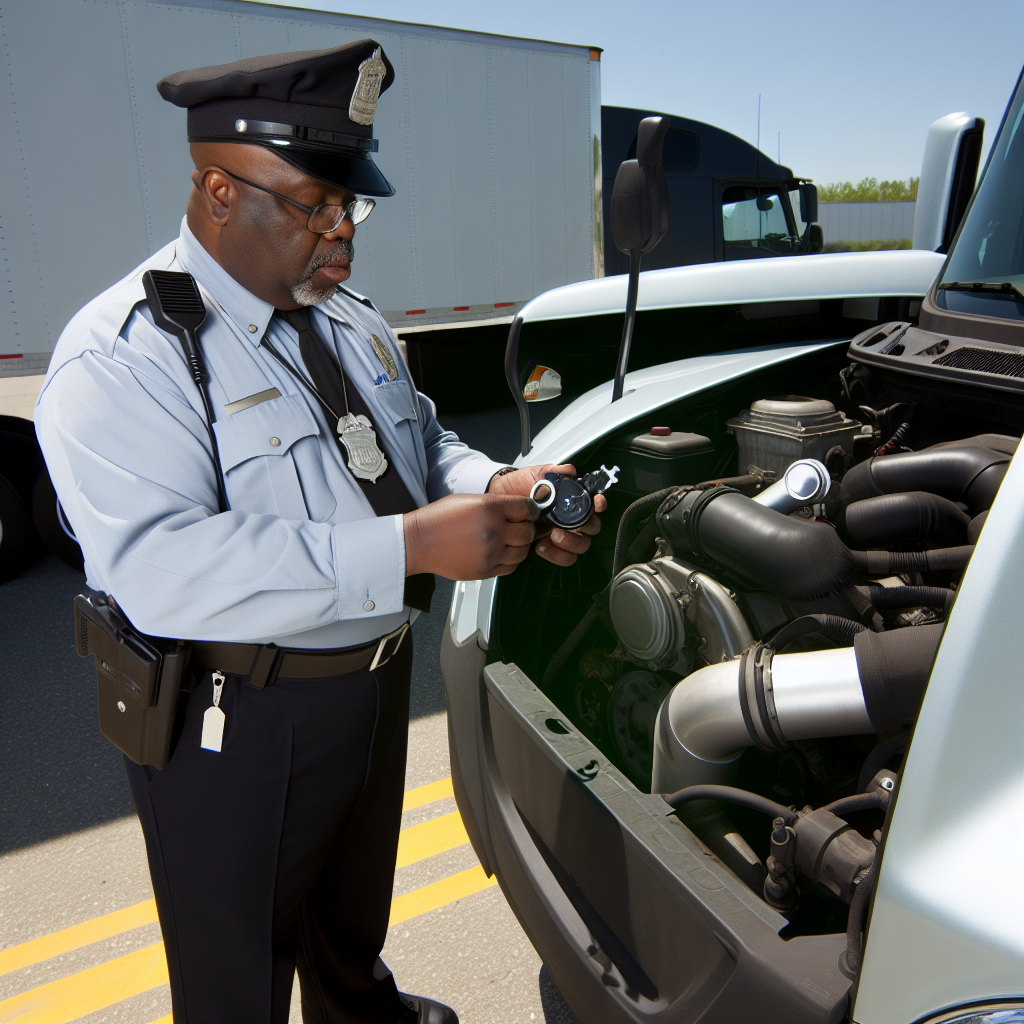
Q&A with Industry Experts on Truck Enforcement
Q1: Why is truck enforcement essential for community safety?
A1: Truck enforcement is crucial for ensuring that commercial vehicles meet safety standards, ultimately protecting both drivers and communities. Kevin Maher, Deputy Chief of the Halton Regional Police Service, noted, “These proactive inspections prevent collisions and save lives, the results of which speak directly to our shared commitment to commercial vehicle safety and enforcement.” With the statistics from recent blitzes showing high out-of-service (OOS) rates, it’s evident that enforcement plays a vital role in identifying unsafe vehicles before they can cause accidents.
Q2: What recent statistics highlight the effectiveness of enforcement blitzes?
A2: The recent enforcement blitz in Milton, Ontario, was particularly telling. Of the 517 trucks inspected, 161 were placed OOS due to serious mechanical defects. This high rate signals the necessity of such operations, illustrating that a significant proportion of trucks on our roads may not be fit for safe operation. According to industry reports, over 6,482 inspections have led to a 36% OOS rate in commercial vehicles since 2010, demonstrating ongoing challenges that require consistent enforcement.
Q3: How do enforcement blitzes impact the trucking industry’s reputation?
A3: While some in the trucking industry feel that blitzes can unfairly target drivers, many acknowledge their importance in fostering accountability. Expert opinions suggest that this public enforcement helps to improve the overall safety culture within trucking. As Marc Taraso, an industry official, mentioned, “We’re trying to get a good cross-blend of trucks from across the industry to get a good idea of how safe the trucks are on our roads.” By highlighting positive enforcement outcomes, the industry can work towards enhancing its image and building community trust.
Q4: What role does driver education play in the context of enforcement?
A4: Driver education is pivotal in complementing enforcement efforts. Adequate training ensures that drivers understand the regulations and the importance of vehicle maintenance. During discussions, experts pointed out that ongoing education helps mitigate the risks of severe violations, such as weight discrepancies and other mechanical failures that often lead to vehicles being taken OOS. Consistent training initiatives empower drivers with knowledge and encourage them to uphold safety standards proactively.
Q5: What future improvements are being discussed regarding truck enforcement?
A5: There is a growing conversation around utilizing technology to enhance enforcement measures. Advancements in monitoring systems and data analysis could lead to more effective inspection processes, ensuring a higher level of safety on the roads. Industry leaders advocate for regulatory reforms that not only require financial considerations but also prioritize community safety sectors. As Brenda Neville stated in her testimony before Congress, “We need to address the truck parking shortage and other infrastructural improvements to ensure that regulations are efficiently enforced and community safety is prioritized.” This proactive stance is vital as the industry evolves and safety concerns grow.
Conclusion
The insights from industry experts underscore the critical role that truck enforcement plays in safeguarding our roads. With continued advocacy for effective enforcement measures and community support, the trucking industry can enhance its commitment to safety and compliance, ultimately benefiting everyone involved.
Affordable and robust truck enforcement initiatives are essential to maintaining safety on roads, ensuring compliance among commercial vehicles. By conducting regular inspections and enforcement blitzes, authorities aim to identify mechanical defects and unsafe driving practices.
Recently, a significant two-day enforcement blitz in Milton, Ontario, showcased the direct impact of these efforts, leading to a substantial number of trucks being placed out of service. These initiatives not only strengthen road safety but also serve to educate drivers about the importance of adherence to regulations, ultimately enhancing the safety of our transportation system and communities.