
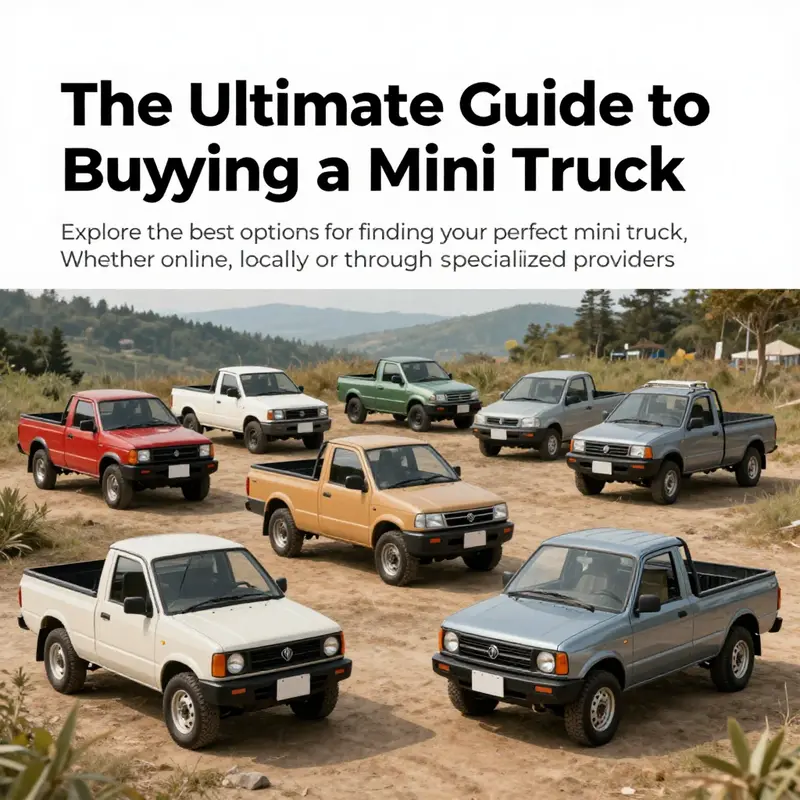
For small business owners, residential property owners, and mini truck enthusiasts alike, the search for the perfect mini truck can be a thrilling yet daunting journey. Mini trucks are versatile machines, perfect for everything from light deliveries to personal projects. Understanding where to find them is essential to making a smart purchase. From the vast selection available online through platforms like Alibaba to local dealerships and specialty manufacturers, buyers have numerous options to consider. Each chapter of this guide will explore various purchasing avenues—ensuring you have all the information you need to make the best choice for your needs.
Beyond the Showroom: Navigating Online Marketplaces to Buy a Mini Truck
When you ask where to buy a mini truck, the answer often unfolds as a journey from the showroom to the screen. The question isn’t merely about price or color; it’s about finding a pathway that fits your use case, your region, and your appetite for risk and reward. Mini trucks are popular for last‑mile deliveries, farm work, and compact utility tasks, and that versatility shows up in the markets that sell them online. The modern buyer can move from a local dealership to a global marketplace in a few clicks, but the navigation requires a steady eye and a clear brief about what really matters: reliability, regulatory compliance, support, and total cost of ownership. In this landscape, the online marketplace emerges as the most comprehensive doorway to both entry-level models and more specialized configurations, whether you need a diesel‑powered workhorse with a robust payload, or an electric option designed for urban delivery routes. The challenge is to read listings with the right questions in mind and to balance price against service networks, export logistics, and warranty coverages. The path you choose will shape not only the initial purchase but the ease with which you keep the vehicle productive on the ground.
A global wholesale platform sits at the top of the list for buyers who intend to source in volume or who want factory-direct pricing. These platforms connect you directly to manufacturers and suppliers, mostly from Asia, and they present an expansive catalog that spans platform configurations, drive layouts, and powertrains. A feature set that matters here is the ability to negotiate, to view factory-direct pricing, and to arrange shipment to international destinations. In practice, you’ll see listings that list a wide array of variants—a mix of diesel and electric drivetrains, 4×2 and 4×4 chassis, and payloads tailored to different use cases. The appeal is simple: low minimum order quantities, sometimes as low as a single unit, which makes this option attractive to fleet operators, small logistics outfits, and importers testing the market. But with scale also comes complexity: you’ll want to verify the supplier’s credibility, confirm warranty terms, clarify after‑sales support, and understand shipping costs and potential customs duties. The larger the volume, the more critical it becomes to align on documentation, transfer of title, and service plan for the vehicle once it lands in your country.
A second lane unfolds within a major regional retailer that operates like a conventional online store yet specializes in commercial vehicles. Such platforms are especially convenient for individual buyers and small businesses in the country they serve, offering a retail‑style purchase experience. The catalog is typically smaller than wholesale marketplaces, but it provides a familiar checkout flow, real‑time price comparisons, customer reviews, and straightforward after‑sales service. For urban deliveries or light‑duty applications, this path often yields rapid turnover from inquiry to delivery. It’s important to examine the product pages for up‑to‑date specifications, warranty terms, and the availability of local support or service centers. The sense of assurance that comes with a retailer‑style process can be a decisive factor for buyers who want a predictable buying experience and a clear, direct channel for service inquiries.
Outside these two main routes, the landscape continues to expand with platforms that leverage short video formats or mobile app ecosystems. These venues may host quick demonstrations, financing options, or limited‑edition listings that appeal to niche buyers or early adopters. A few of these platforms emphasize fast, mobile‑first transactions and service integration. While the breadth of selection may be more compressed, the speed of discovery and the convenience of in‑app payment can be compelling for buyers who want to test-drive ideas before committing. As with any online channel, diligence remains essential: confirm the model’s specifications, request current photos or a live video walkaround, and verify what after‑sales options accompany the purchase. In practice, the best outcome often comes from blending these channels—using a broad wholesale listing to understand options, a regional retailer for local comfort and service, and a mobile app funnel for rapid confirmations when you’re ready to move forward.
For buyers crossing borders, export and logistics become central considerations. International shipments open doors to a wider range of options, but they also introduce taxes, duties, and regulatory hurdles. You’ll want to verify how the seller handles export documentation, confirm whether the vehicle complies with your country’s emissions and safety standards, and understand who will service the vehicle once it arrives. Regional freight costs can be significant, but these costs are easier to manage when you know the total landed cost upfront. It’s also worth asking about warranty coverage across borders. A vehicle purchased abroad may carry a limited or localized warranty, and access to genuine parts and factory-backed service can vary by region. The practical takeaway is simple: the best online sourcing strategy aligns the marketplace’s strengths with your delivery timeline, your local compliance needs, and a clear plan for maintenance and parts supply.
Across all routes, credibility remains the common currency of trust. Before pulling the trigger, verify the seller’s identity, check their response times, and seek out verifiable references. A cautious buyer will compare multiple listings, request a detailed spec sheet, and seek confirmations around critical elements like chassis specifications, drivetrain configuration, payload, and brake system. With electric mini trucks, in particular, vetting the battery chemistry, range under realistic loads, charging infrastructure, and the presence of a service network is essential. When information isn’t readily available, treat the listing as a starting point rather than a final decision and push for documentation or a video walkthrough that confirms what you’re considering. If you’re building a fleet, you’ll also want to explore bulk pricing, customization options, and the feasibility of future upgrades or parts compatibility across models. The more you can anchor your choice to a clear use case and a credible supply chain, the better you’ll navigate the abundance of options without falling into the trap of chasing the lowest sticker price in a vacuum.
As you reflect on where to buy a mini truck, consider consulting sources that compile buyer experiences, technical comparisons, and region‑specific advice. For readers who want a deeper set of perspectives and practical buyer stories, the blog at minitrucksocala.com/blog offers curated insights and community commentary that can illuminate regional considerations and operational realities. Exploring that resource alongside listings can help you distinguish between a vehicle that looks good on paper and one that remains reliable in daily use. You can visit the blog directly through this link: minitrucksocala.com/blog.
Ultimately, the choice of marketplace comes down to your goals. If you plan to scale quickly or need factory pricing for a fleet, a wholesale platform with strong export capability may be your best bet. If your priority is a straightforward, transparent retail experience with clear after‑sales support, a regional retailer’s online storefront could offer the simplest path to purchase. And for those who want to stay nimble and experiment with new formats or financing, emerging mobile marketplaces can complement the broader strategy. The key is to maintain a steady judgment about total cost of ownership, the likelihood of ongoing service accessibility, and the practical realities of operating a vehicle in your environment. With careful research and a disciplined approach to assessing listings, you can secure a mini truck that meets your needs while keeping the door open for future growth or adaptation.
External resource: Alibaba.com
Where Can I Buy a Mini Truck: Electric Options and Providers
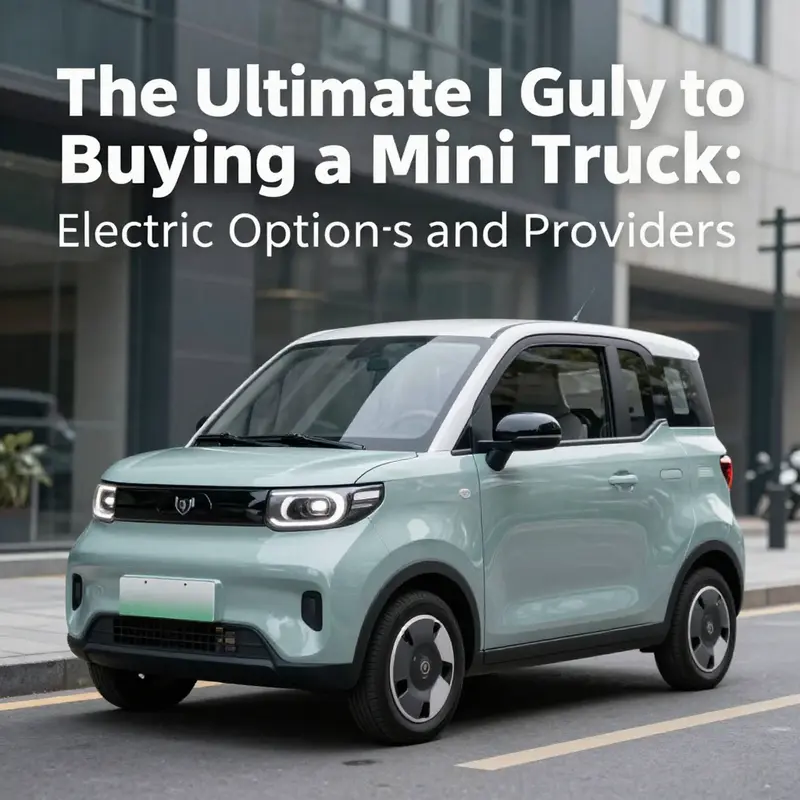
Buying a mini electric truck can be done through three main channels: online marketplaces that aggregate multiple brands, direct-from-manufacturer channels and authorized distributors, and local dealerships that offer fleet programs and in-person testing. Online marketplaces provide breadth and rapid comparisons but require careful due diligence on seller credibility, battery specifications, charging compatibility, warranty terms, and local service networks. Direct-from-maker purchases can offer clearer warranty coverage, access to official charging solutions, and consistent parts availability, while regional distributors can simplify logistics and support. Local dealerships let you see the vehicle in person, test drive, and discuss financing, installation of charging hardware, and maintenance plans, though inventory may be limited and lead times longer. When evaluating options, consider battery life, charging infrastructure, payload, range, service accessibility, total cost of ownership, and cross-border requirements if buying internationally. The goal is to match the vehicle’s capabilities to your duty cycle and to partner with a provider who offers reliable uptime and practical support.
From Corner Showrooms to Global Marketplaces: Where to Buy a Mini Truck
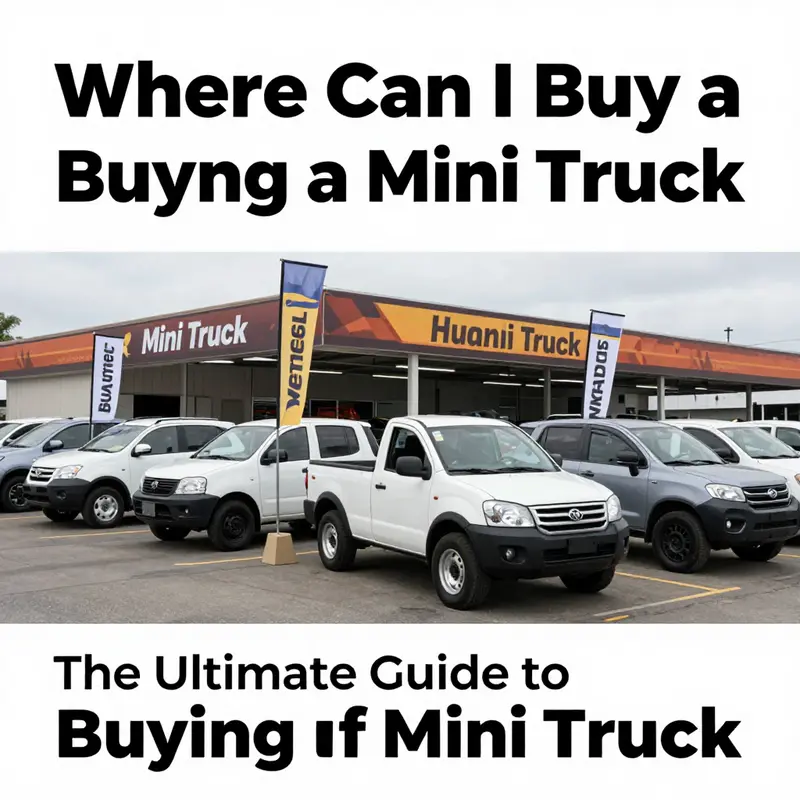
When you start asking where to buy a mini truck, it’s tempting to picture a single showroom on a quiet street. In reality, the path to a compact workhorse is more labyrinth than straight line. A mini truck, in common parlance, refers to a small, utility-oriented pickup or cargo vehicle used for light hauling, urban deliveries, or farm work. It does not refer to the MINI car brand, which focuses on passenger models. The distinction matters, because traditional car brands and their mainstream showrooms rarely carry the kind of utility-focused vehicles buyers actually want. If you walk into a conventional passenger-car dealership hoping to test-drive a mini truck, you may leave with a polite explanation that they do not stock vehicles built for commercial use. Access to these compact workhorses often requires a different route: specialized dealers, fleet suppliers, or international distributors that source from manufacturers directly, coupled with careful vetting of warranties, service networks, and after-sales support. In short, the journey from curiosity to purchase tends to be less about a single dealer and more about aligning your needs with the right buying channel.
A practical starting point is to broaden the lens from local brick-and-mortar showrooms to the wider ecosystem that supports small, work-ready vehicles. In many markets, local auto retailers focus on passenger cars and light-duty pickups from established brands with full dealer networks. They seldom stock mini trucks as a distinct category, especially when demand is uneven or tied to specific commercial uses. If your goal is to evaluate a vehicle you can rely on for regular cargo transport, this reality nudges you toward two parallel paths: first, a dedicated commercial or specialty vehicle dealer that handles compact trucks, utility vehicles, or micro-trucks; second, a direct-from-manufacturer or factory-direct route that can tailor a build to your payload requirements, working range, and local compliance standards. The value of this approach is not merely the price tag. It is the assurance that you can obtain warranty coverage, access spare parts, and secure a service network capable of keeping a busy small-truck fleet in operation.
A common misconception is that you must find a local showroom that explicitly markets “mini trucks” as a product category. In practice, a large share of buyers turn to manufacturers or importers who specialize in compact, utility-ready chassis that can be configured with different cargo bodies. Some suppliers offer wholesale or retail access, with configurations that include two-wheel-drive and four-wheel-drive variants, diesel powertrains, and electric propulsion options. In the fast-growing segment of electric mini trucks, urban delivery and last-mile logistics have become a compelling case. Electric models tend to emphasize payload efficiency, compact dimensions, and a quiet operation suitable for night-time or noise-sensitive work zones. The marketplace reality for these vehicles is similar across regions: you can often source directly from the factory floor or through a vetted intermediary, with options for shipping support and even start-from-one-unit purchase strategies for smaller fleets.
Taking this broader view invites a more strategic buying process. It means asking the right questions up front: What is the expected daily payload, and how many stops does a typical route entail? What environment will the vehicle operate in—urban, rural, farm, or industrial? What are the local emission or road-usage regulations, and do you need a Euro6-compliant diesel, a battery-electric drive, or another drivetrain option entirely? What is the availability of spare parts, and how robust is the service network once the vehicle enters your area? These questions help steer you toward dealers or distributors who can provide clear specifications, reliable after-sales service, and transparent warranty terms. They also help you set expectations about after-sales support in overseas purchases, where parts and service networks may be more limited than in domestic markets.
A critical, if sometimes overlooked, piece of due diligence is credibility. The buyer’s checklist should include verification of the seller’s business license, factory backing, and warranty policies. If you are exploring import routes, confirm that the seller can accommodate export procedures, provide accurate documentation for customs clearance, and offer after-delivery assistance such as onboarding for charging infrastructure or maintenance planning. For buyers outside the primary export hubs, freight options, lead times, and incoterms can be decisive. Some platforms connect buyers with manufacturers for wholesale pricing and international shipping, making it feasible to secure a compact truck even when a domestic dealer network is sparse. While these channels expand your options, they also require careful scrutiny of the vehicle’s specifications, the supplier’s credibility, and the terms of delivery and after-sales service.
On the topic of official brands and authorized dealerships, it is useful to clarify how traditional passenger-brand networks relate to the mini-truck category. In certain markets, authorized dealers for passenger-oriented brands may exist widely in major cities, but their core offerings revolve around passenger cars, maintenance, and genuine parts for those lines. Those outlets rarely, if ever, stock commercial or cargo-focused mini trucks. This mismatch can be confusing for buyers who assume a broad dealer footprint guarantees access to every type of vehicle. The practical upshot is that when you intend to buy a mini truck, you should not rely on mainstream passenger-brand dealerships to fulfill your needs. Instead, search for dedicated truck dealers or manufacturers that specialize in commercial or utility vehicles, or pursue factory-direct channels that can tailor a configuration to your use case while handling export or import logistics and warranty considerations.
For buyers seeking a more global set of options, the landscape often includes suppliers who concentrate on electric mini trucks, with a focus on last-mile delivery and farm-use models. These vehicles can be offered in single-unit purchases or incremental fleet builds, sometimes including cargo boxes, flatbeds, or specialized configurations suited to a particular workflow. The electric variants especially benefit urban operators who require compact maneuverability, lower running costs, and compliance with city charging standards. Yet even in this space, the same core principles apply: verify the vehicle’s range and charging compatibility, confirm the availability of spare parts and maintenance services, and ensure that local regulations permit the specific model to operate on public roads.
As you navigate these avenues, a practical step is to engage with content and resources that focus on buyer education. You may find buyer guides or model comparison resources produced by independent outlets or industry blogs that discuss payloads, range, and maintenance considerations in accessible terms. While it is important to consult multiple sources, it is equally important to cross-check details with the seller and request formal specifications in writing. If you want a readily navigable entry point for buyer-focused insights and model comparisons, you can visit the minitrucksCoala blog, which aggregates perspectives and practical considerations for buyers exploring compact work vehicles. For readers who want a direct pointer to related buyer content, this link leads to a resource that emphasizes comparisons and practical criteria: minitrucksocala blog.
In sum, the question of where to buy a mini truck often travels beyond a single showroom. It invites a disciplined exploration of a market that blends factory-direct options, specialized commercial dealers, and cross-border sourcing. The right path depends on your local regulatory environment, your tolerance for international logistics, and your appetite for tails-on support after delivery. The takeaway is straightforward: if your aim is a vehicle built for cargo and routine hauling, start with specialists who understand compact, utility-oriented platforms. Bring clarity to your specifications, insist on credible warranty coverage and service networks, and be prepared to navigate shipping and import considerations when a domestic option does not exist.
External perspective can sharpen your approach. For a broader framework on buying a vehicle—covering research, negotiation, and the mechanics of a purchase—an established consumer guidance resource provides a solid companion piece alongside supplier-specific information. This external guide complements the practical, market-specific advice in this chapter and can help you structure a plan before you contact any seller or dealer.
null
null
Global Avenues for the Small Workhorse: Navigating How and Where to Buy a Mini Truck Across Borders
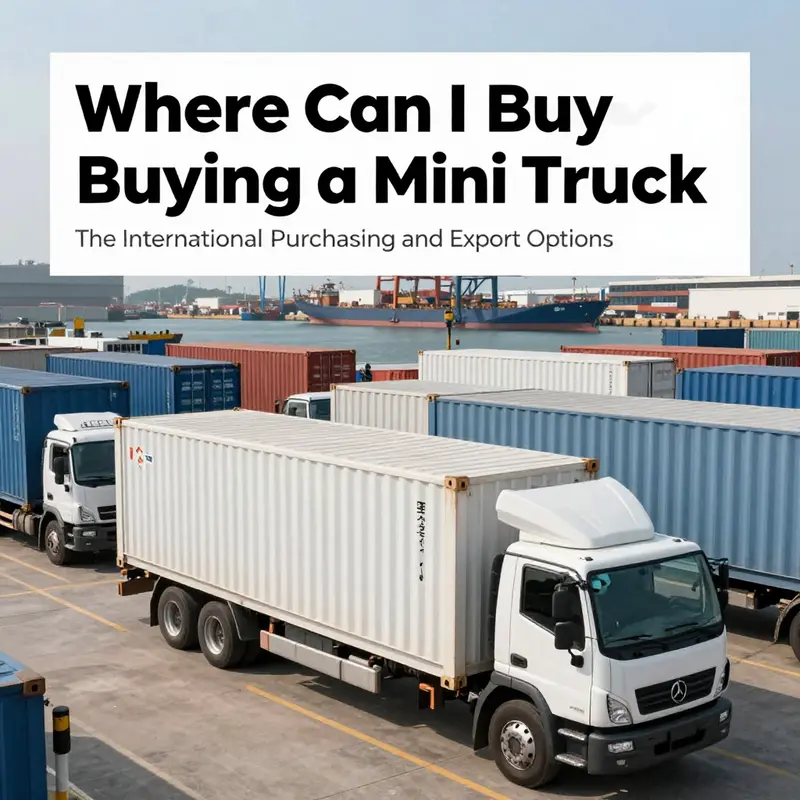
When a buyer asks where to buy a mini truck, the answer isn’t a single storefront but a map of global sourcing routes that branch into marketplaces, factories, and logistics networks. The journey starts online for many, but it can end with a selection that is tailored to a specific use case, budget, and regulatory landscape. The core question shifts from simply locating a seller to understanding how an international purchase can be executed smoothly, from the moment a listing is opened to the moment the keys are handed over at the destination. In this landscape, the options expand beyond local showrooms to a constellation of avenues that connect buyers with manufacturers, exporters, and service providers capable of turning a rough idea into a road-ready machine.
Online marketplaces sit at the center of most international buying journeys. They bring together numerous manufacturers and traders into one digital space, offering new and used mini trucks that span a spectrum of configurations, from compact cargo models to larger, more robust utility variants. Importantly, these platforms usually provide export services that help bridge the gap between factory pricing and international delivery. Buyers can compare specifications, request quotes, and negotiate terms with sellers who are accustomed to crossing borders. The information surface tends to be detailed enough to gauge whether a vehicle fits a particular job—things like drive configuration, payload capacity, and compliance certifications are commonly listed. At the same time, the breadth of options means buyers must be discerning, because a low price on a page can mask risks such as uncertain warranty coverage, inconsistent build quality, or vague after-sales support. The careful buyer spends time verifying technical details, delivery timelines, and the scope of export services, recognizing that a truly good deal balances price with dependable logistics and sustained support after the sale.
A practical route through online marketplaces is to look for listings that clearly present what matters for import: a transparent specification sheet, a documented export process, and a trackable shipping plan. Buyers often encounter multipledrive configurations, such as 4×2 versus 4×4, and a mix of propulsion options including diesel and electric variants. Even when those terms are familiar, it helps to ask pointed questions about certifications that align with the destination country’s standards, such as emissions compliance or safety approvals. The ability to customize, through factory options or post-purchase add-ons, is another compelling feature, particularly for buyers who intend to tailor vehicles to specific duties—last-mile delivery fleets, on-farm tasks, or narrow-aisle operations. The potential savings from factory-direct pricing through these channels can be significant, especially when combined with bulk-order incentives. Yet the upside carries a corresponding obligation: buyers must perform due diligence on the seller’s credibility, confirm warranty coverage, and obtain clear terms about parts availability and service networks once the vehicle lands overseas.
For buyers who want to keep the process tightly anchored to electric mobility, the niche of electric mini trucks deserves special attention. Electric variants often come with advantages in city logistics, such as lower operating costs and reduced emissions, but they also introduce additional considerations. Battery configurations, charging compatibility, and range figures become part of the core evaluation. Export logistics for electric models may involve careful handling of batteries, certification for cross-border transport, and knowledge of any destination-specific charging infrastructure or service requirements. A prudent buyer treats these electric options not as novelties but as core specifications alongside chassis and body configurations. The online marketplace path makes it possible to source such electrified units from multiple manufacturers, while still relying on export support to navigate freight, customs, and local installation needs.
Beyond general marketplaces, the option of direct manufacturer engagement remains a central pillar of international sourcing. Some buyers choose to reach out to factories directly, bypassing intermediaries to secure favorable terms or shorter lead times. This route often requires more hands-on project management: clarifying production timelines, confirming export documentation, and coordinating with freight forwarders who understand the peculiarities of cross-border vehicle shipments. Direct purchase can also open doors to higher degrees of customization. With a direct line to the factory, buyers may specify cargo bed dimensions, added reinforcement, or specialized controls that align with their operational requirements. The upside is clarity and potential price leverage with bulk orders, but the trade-off is the need for meticulous planning and a robust understanding of international trade terms. For businesses with ongoing needs, establishing a long-term sourcing channel—whether through an agent, an export consultant, or a dedicated procurement team—can stabilize procurement costs and streamline compliance.
Then there is the reality of logistics, which often drives the feasibility of any given sourcing path. International shipping, freight costs, and insurance push the total landed cost into a sphere buyers must anticipate. Freight costs can be highly variable, shifting with fuel prices, berth availability, and the chosen mode of transport. Lead times can stretch as manufacturers prepare batches, containers move through ports, or customs processes play out. Buyers should anticipate not just the base price but the landed cost, which includes freight, insurance, port charges, handling fees, and duties. For electric models, there is often a need to consider additional components such as batteries, which may be subject to separate transport rules or handling requirements. Import regulations, too, shape the viability of a purchase. Some destinations maintain rigorous testing, certification, or homologation standards for light commercial vehicles, which can extend the time from order to deployment and affect the vehicle’s eligibility for use in commercial fleets. A thoughtful buyer acquires local regulatory clarity before committing to a purchase, ensuring compliance and avoiding penalties or costly post-import adjustments.
To manage risk in this cross-border dance, verification becomes a cornerstone of due diligence. Prospective buyers should verify supplier credentials, review credible feedback from previous buyers, and seek documentation that confirms warranty terms, after-sales service, and spare-parts availability. Language barriers and time-zone differences can complicate negotiations, so it helps to establish a clear point of contact, request written commitments, and set expectations for response times. When possible, buyers should request samples or trial configurations, especially for larger fleets or specialized use cases, to confirm that the build quality, fit, and finish meet operational needs. For those who lack the bandwidth to conduct this verification themselves, engaging an experienced export intermediary or procurement specialist can provide essential safeguards. The goal is a transparent transaction where expectations—production quality, delivery timelines, and service coverage—are documented and matched by the supplier’s assurances.
As buyers weigh the path that best suits their situation, a sensible approach is to balance the convenience of marketplaces with the reliability of direct factory engagement, all while keeping a sharp eye on logistics and compliance. This means considering the total cost of ownership, not just the sticker price. It means aligning the vehicle’s specifications with the specific job at hand, whether it is on a busy city street, a rural farm, or a compact industrial facility. It means understanding that parallel imports or specialized importers can offer access to older or niche models, but with heightened diligence needed to verify condition, compatibility, and support networks. It also means recognizing that a successful cross-border purchase relies on more than the vehicle itself; it depends on a smooth flow of documentation, a robust shipping plan, and a service ecosystem that can keep the vehicle productive long after the initial sale.
For readers seeking broader context on how these channels fit into the broader ecosystem, a resource-rich overview can be found at minitrucksocala.com/blog/. This repository of industry insights can illuminate trends, practical considerations, and case studies that complement the specifics of any one purchase route. As buyers navigate their options, they also benefit from staying attuned to market dynamics: shifts in demand, evolving safety and emissions standards, and the emergence of new configurations tailored to last‑mile delivery, farm work, or recreational use. The world of mini trucks is not monolithic; it is a mosaic of options that reward patience, due diligence, and strategic planning.
Ultimately, the question of where to buy a mini truck comes down to mapping one’s needs against the realities of cross-border trade. Online marketplaces offer breadth and speed, while direct manufacturer engagement can unlock customization and price advantages. Local dealer networks near the destination can provide hands-on testing and immediate post-purchase support, while export agents can translate regulatory and logistical complexity into a manageable process. The prudent buyer designs a sourcing plan that includes verification milestones, a clear freight strategy, and a realistic timeline for customs clearance and delivery. In practice, a well-structured approach reduces surprises and ensures that a compact, capable workhorse arrives ready to tackle the tasks at hand—whether in a bustling urban corridor, a quiet rural lane, or a dynamic delivery hub. External factors such as currency exchange, warranty coverage, and service accessibility must stay on the radar, but with thoughtful preparation, a cross-border mini truck purchase can be a straightforward project with lasting value.
External resource: Alibaba’s mini truck showroom can be a starting point for direct listings and current inventories, offering a broad view of options and export capabilities. See https://www.alibaba.com/showroom/mini-truck.html for more details.
Final thoughts
Navigating the world of mini truck purchasing can open many doors for small business owners, residential property owners, and passionate hobbyists. Whether you’re looking for a new electric model, a utility truck for specialized tasks, or a competitive deal from local dealerships, there are options available to suit your needs. Each avenue from exploring online marketplaces to local dealers offers unique advantages and opportunities. Take time to research, and you’ll find the perfect mini truck that meets your demands.