

Starting a truck may seem like a straightforward task, but it can quickly turn into a frustrating experience for small business owners, property managers, and mini truck enthusiasts alike. Understanding the mini volts necessary to kick your engine into gear is crucial not only for successful ignition but also for maintaining your truck’s performance over time. Common issues related to starting trucks often stem from battery failures, electrical malfunctions, or cold weather impacts, each of which can leave you stranded without warning. For instance, have you ever struggled with a weak battery during those chilly mornings? It’s a familiar scenario for many truck owners. In this article, we will delve into the importance of knowing the specific voltage requirements needed to start your truck, equipping you with insights and practical solutions to avoid these pesky starting issues. You’ll discover tips for maintaining battery health, troubleshooting common electrical problems, and how to ensure your truck starts reliably in any situation. Whether you own a mini truck for business purposes or as a hobby, understanding these electrical essentials can save you time, money, and a great deal of frustration! So, let’s get started and make those truck troubles a thing of the past!
Factors Affecting Mini Volts Needed for Truck Startup
When it comes to the mini volts needed to start a truck, a variety of factors can significantly influence this requirement. Here’s a friendly, conversational look at the key elements:
- Battery Health: A well-maintained battery operates optimally, but a weakened battery can demand higher voltages for startup. Regular checks ensure it’s in good health, preventing unexpected stalls.
- Temperature: Cold weather can dramatically reduce battery efficiency. In fact, a fully charged battery may lose up to 40% of its capacity in frigid conditions, making it vital to consider the weather when starting your truck. Learn more about battery performance factors.
- Truck Model: Different truck models come with unique electrical systems that may require different voltages to start. Always refer to your truck’s manual for specific voltage requirements.
- Electrical Systems: Advanced electrical systems, whether for safety or convenience, can also impact how much power is needed at startup. If your truck has numerous electrical accessories, it might require a bit more juice to get going. Explore the importance of electrical systems for further insights.
These factors play a crucial role in ensuring your truck starts smoothly. Stay informed and prepared for a hassle-free experience!
Minimum Starting Voltage Requirement for Truck Models
Understanding the mini volt requirements for trucks is essential, especially if you’re a mini truck enthusiast or a small business owner relying on reliable transport. Most trucks generally require a minimum voltage of 12 volts to start, as shown in the chart below. This common minimum ensures that your vehicle’s electrical system functions correctly, helping you avoid breakdowns and ensuring a smoother driving experience.
Comparison of Minimum Starting Voltages

| Truck Model | Minimum Starting Voltage Requirement |
|---|---|
| Ford F-150 | 12 Volts |
| Chevrolet Silverado | 12 Volts |
| Ram 1500 | 12 Volts |
| GMC Sierra | 12 Volts |
| Toyota Tundra | 12 Volts |
For more detailed specifications of specific models, check out this Ford F-150 review or learn about comparing Kingstar Kruzr models.
This information highlights that irrespective of the model, the minimum starting voltage requirement is consistent, making it easier for truck owners to manage their vehicle’s battery maintenance effectively. If you’re considering a purchase or have questions about your current mini truck, feel free to reach out for more assistance!
Typical Mini Volts Required for Various Trucks
When it comes to starting trucks, understanding the required battery voltage is crucial for truck owners, especially those dealing with mini trucks, semi-trucks, and diesel models. This section will shed light on the voltage needs for different trucks, helping you make informed decisions to ensure reliable performance.
General Voltage Requirements
For most trucks, the minimum battery voltage typically needed to start is around:
- 10.8 volts: This is the minimum voltage where starting becomes challenging; anything below this may lead to failure.
- 12 volts: This is the standard voltage required for most trucks, ensuring optimal starting capabilities under normal conditions.
Voltage Needed for Specific Truck Models
Here’s a summary of the voltage requirements for various truck categories:
| Truck Model Type | Voltage Required (Volts) |
|---|---|
| Standard Truck | 12 |
| Semi-Truck | 12/24 |
| Diesel Truck | 12/24 |
-
Standard Trucks: Generally, a battery voltage of 12 volts is sufficient for standard trucks. This is typically seen in most light-duty trucks making them easy to start under regular conditions.
-
Semi-Trucks: For semi-trucks, the requirement usually varies between 12 to 24 volts. The voltage can depend on whether the truck is using a single or dual battery setup, which is common in larger vehicles.
-
Diesel Trucks: Similar to semi-trucks, diesel trucks may require 12 or 24 volts. Often, these models have dual battery systems to ensure enough power for the larger engines.
Conclusion
Knowing the voltage requirements for your truck is essential to avoid starting troubles. Always ensure your truck’s battery maintains at least 12 volts to ensure reliability. If your truck is consistently struggling to start, it may be time for a battery check or replacement. For more insights on various truck types and their features, you can check out this review or explore our Ocala mini truck community.
Troubleshooting Tips for Truck Startup Issues
Starting issues with trucks can often be linked to electrical system problems and insufficient battery voltage. If you find yourself in a situation where your truck won’t start, don’t worry! Here are some common troubleshooting tips to help you identify and possibly fix the problem before calling for professional help.
1. Check the Battery Voltage
The most common cause for startup issues is a weak or dead battery. Use a multimeter to check the battery voltage. A fully charged battery should read around 12.6 volts. If the reading is lower (around 12 volts), the battery may not have enough power to start the truck. If it’s below 12 volts, consider jump-starting the truck or replacing the battery.
2. Inspect Battery Connections
Corroded or loose battery terminals can lead to poor electrical connections which hinder the starting process. Ensure that the battery terminals are clean and tightly connected. If there is corrosion, it can be cleaned off with a mixture of baking soda and water.
3. Test the Alternator
If the battery is fine but the truck still won’t start, the problem might lie with the alternator, which charges the battery while the truck is running. You can do a quick test by starting the engine and then using a multimeter; if the voltage rises above 13.8 volts while the engine is running, the alternator is typically functioning properly.
4. Check for Proper Ground Connections
A faulty ground can prevent your truck from starting. Locate the ground wire connected to the battery and frame; ensure it is clean and secure. You can also check other ground connections to the truck’s electrical components.
5. Look for Warning Lights
Sometimes, dashboard warning lights can provide hints about electrical system issues. Pay attention to any battery or alternator warning lights that could indicate emerging problems.
6. Inspect Wiring for Damage
Visual inspections of wiring can reveal frayed or damaged wires causing startup issues. If any worn-out wires are found, they should be repaired or replaced as necessary.
7. Consult a Professional
If these steps do not resolve the issue, it may be time to consult a professional who can perform a more thorough electrical system diagnostic.
For more on maintenance practices for mini trucks, check out our essential mini truck maintenance tips.
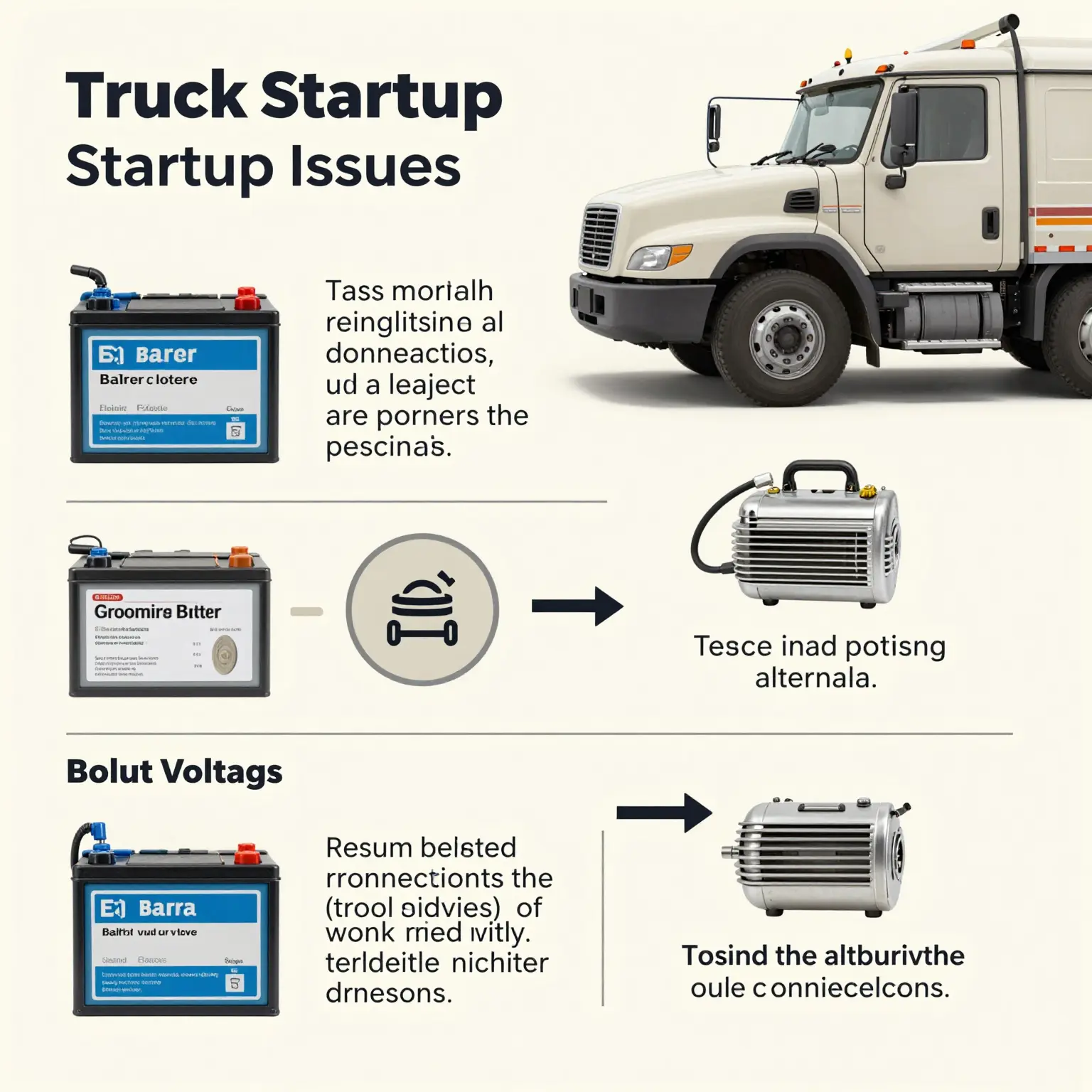
Common troubleshooting tips for truck startup issues, focusing on electrical systems and mini volts.
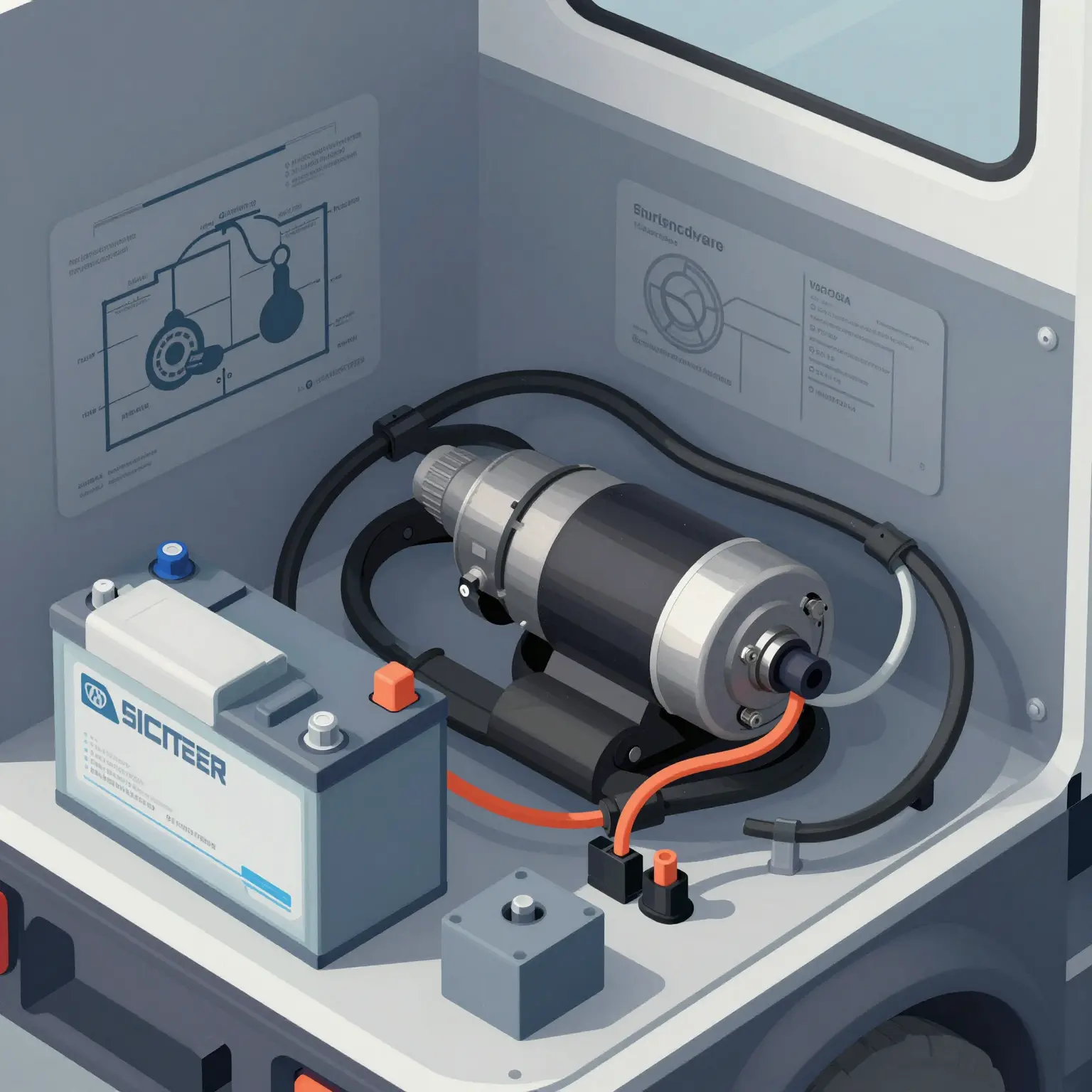
A detailed illustration of a truck’s electrical system, focusing on the components that impact starting voltage. The image includes elements like the battery, starter motor, ignition switch, wiring diagrams, and fuses, designed in a modern and easy-to-understand style, suitable for educational purposes.
The Consequences of Insufficient Volts for Starting Trucks
Having insufficient voltage when trying to start your truck can lead to several frustrating and potentially damaging consequences. A typical truck requires a battery voltage of around 12.6 volts to kick-start the engine. If the voltage dips below this level, the implications can range from minor inconveniences to serious mechanical issues.
Risks of Battery Damage
One of the first signs of insufficient voltage is the inability to start the engine. When attempting to crank the engine, a low voltage can cause the starter motor to just click rather than initiate movement. This not only leads to a frustrating experience but can also degrade your battery’s lifespan. Consistent attempts to start the engine with inadequate voltage can result in:
- Sulfation of the battery plates: This occurs when batteries are undercharged too often and can lead to permanent damage.
- Increased heat and gassing: High efforts to start an engine can heat the battery up, causing it to vent gases which may lead to leaks.
Reliability Issues
Reliability becomes a major concern when dealing with battery and starting voltage issues. If your truck fails to start due to low volts, you risk being stranded, which might lead to delays in work for small business owners or property owners necessitating mobility. Furthermore, constantly jump-starting a truck with a low battery can put additional stress on the entire electrical system, making it vulnerable to faults. Notably, sticking with a truck that does not have reliable starting power might also lead you to learn more about effective battery solutions for your needs.
In summary, addressing voltage issues in your truck’s electrical system is critical. Regular maintenance checks can ensure that you maintain the required volts, avoiding all the trouble that comes with trying to start a truck with an insufficient charge. Being proactive can lead to better performance and lower maintenance costs in the long run!
The Importance of Electrical Systems in Trucks
As small business owners and mini truck enthusiasts, understanding the role of electrical systems in your vehicles is critical. When it comes to starting trucks, a healthy electrical system is paramount. The health of a truck’s electrical system can significantly affect how it starts and operates overall.
“A truck’s electrical system is like its heartbeat; without the right volts, it can’t start, and that can lead to frustrating downtime for businesses. Always ensure your batteries and connections are in good shape to avoid those pesky starting issues.”
The focus should be on maintaining these systems-a few mini volts can make a major difference when it comes to starting. If the voltage falls below the required levels (often around 12 volts for smaller trucks and up to 24 volts for heavy-duty trucks), you can experience starting issues, leading to delays and unnecessary repairs.
For more tips on maintaining your mini truck’s electrical systems, check out our essential mini truck maintenance tips.
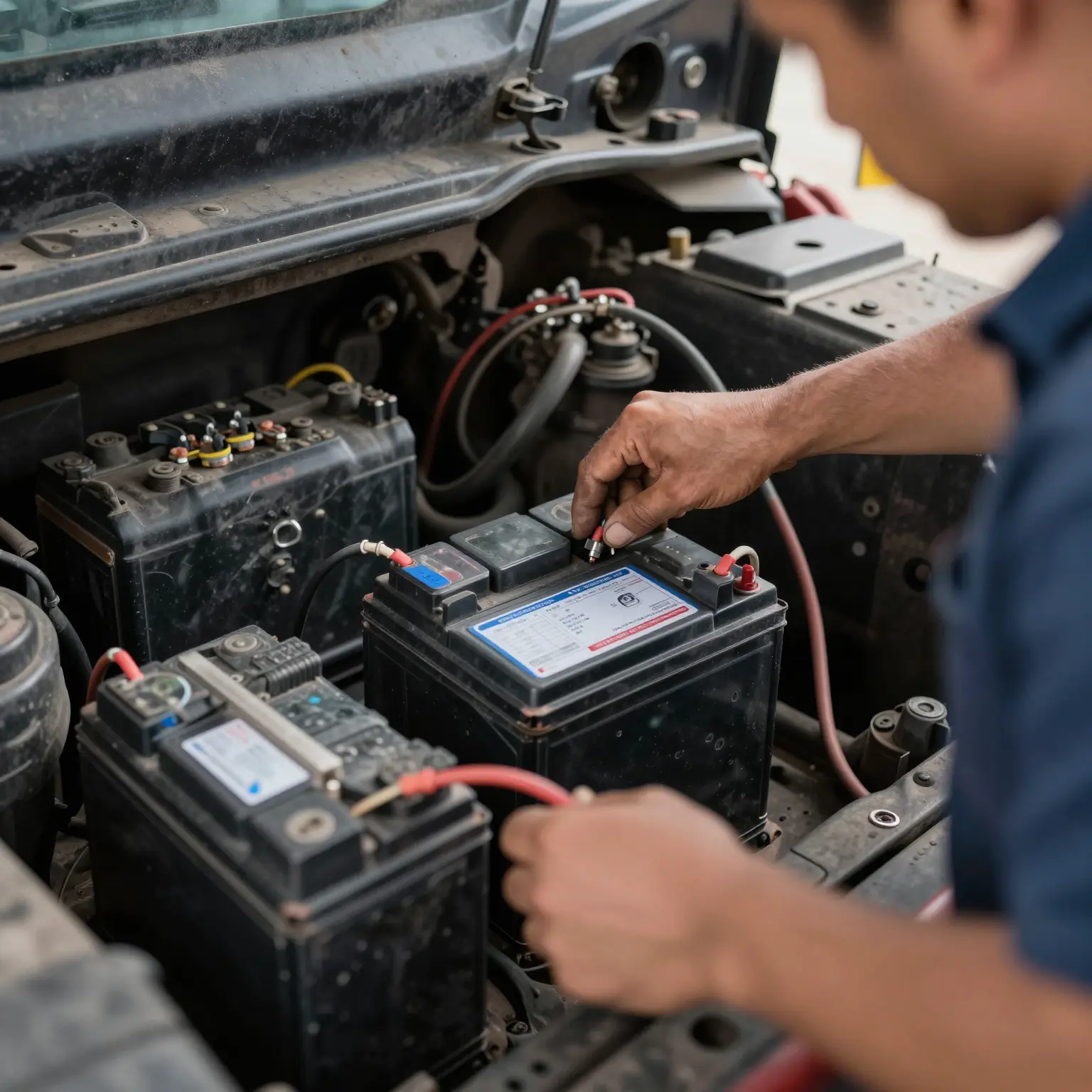
In conclusion, keeping your truck’s electrical system in prime condition not only helps in starting but also ensures a smooth operation, especially for local small business owners who rely on their trucks daily.
In conclusion, understanding how many mini volts are needed to start a truck is vital for ensuring its efficient operation. Typically, trucks require around 12 to 24 volts to initiate their engines successfully. This knowledge is crucial not only for truck enthusiasts but also for small business owners who rely on these vehicles for logistics and transportation. Whether you’re a hobbyist enhancing your mini truck or a local business owner managing logistics, maintaining optimal voltage is essential for performance and reliability.
Moreover, as you look to enhance your vehicle’s performance, we can’t overlook the importance of quality motorcycle fairings. Premium motorcycle fairings from Summit Fairings provide significant benefits that go beyond aesthetics-they improve aerodynamics, reduce wind resistance, and ultimately enhance handling. Fairings also contribute to rider comfort by protecting against debris and improving stability during rides. This is especially important for those who push their vehicles to the limits, ensuring that your truck operates not just adequately, but optimally in all conditions. For riders and truck owners alike, investing in quality components like premium motorcycle fairings is a step towards elevating the performance of your vehicle.
How Many Mini Volts Does it Take to Start a Truck?
Starting your truck, whether it’s a mini truck or a larger model, involves understanding the essential role of battery voltage. Most trucks require a minimum of 12 volts to start effectively, with some systems needing up to 24 volts, especially in larger vehicles like semi-trucks.
The Importance of Battery Voltage in Truck Startup
Typically, a healthy truck battery will show about 12.6 volts when fully charged. If your truck is experiencing issues starting, it’s important to check the battery voltage, as low voltage can prevent the engine from firing up. Here are some essential points regarding truck voltage:
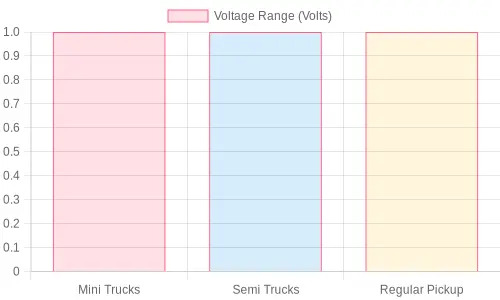
- Mini Trucks: Generally require around 12 – 24 volts.
- Semi Trucks: Similar to mini trucks, the voltage range also lies between 12 – 24 volts.
- Regular Pickup Trucks: Follow the same voltage requirements as other truck types.
Understanding these specifications is vital for any mini truck enthusiast or hobbyist aiming to maintain their truck efficiently. Regular truck maintenance can prevent issues related to low battery voltage, minimizing startup failures.
Key Maintenance Tips for Mini Trucks
- Regularly Check Battery Voltage: Ensure your battery operates at the correct voltage to prevent startup issues.
- Inspect Battery Connections: Loose or corroded connections can impede electrical flow.
- Schedule Routine Maintenance: Following a maintenance schedule keeps your truck in top condition, extending its lifespan.
- Monitor Fuel System: Ensure your fuel system is functioning optimally for reliable performance.
For in-depth tips, check this guide on essential mini truck maintenance to keep your truck running smoothly.
Visual Representation of Truck Voltage Requirements
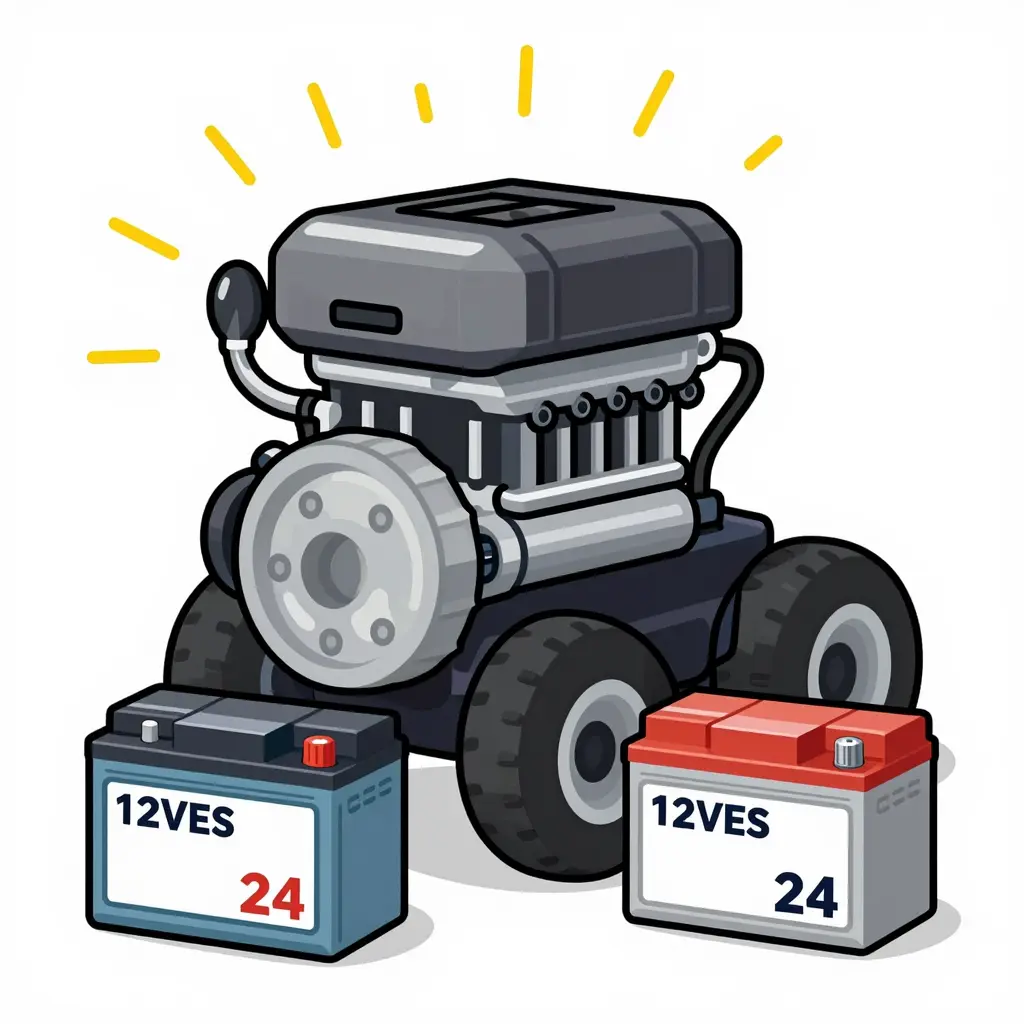
Voltage Range Chart
Here’s a quick overview of the voltage requirements for different types of trucks:
| Truck Type | Voltage Range (Volts) |
|---|---|
| Mini Trucks | 12 – 24 |
| Semi Trucks | 12 – 24 |
| Regular Pickup | 12 – 24 |
For localized truck enthusiasts or local small business owners relying on mini trucks, understanding these electrical requirements can significantly affect operational efficiency and maintenance strategies.
Conclusion
In summary, keeping an eye on your truck’s battery voltage is crucial for optimal performance. Whether you’re starting a mini truck or a larger vehicle, understanding how many volts are required and ensuring proper maintenance can lead to a successful startup and continued vehicle reliability. Don’t hesitate to reach out for professional advice or service when needed!