
Introduction
Have you ever wondered just how many miles per gallon (MPG) a Kei mini truck can really get? These compact vehicles are all the rage in Japan, and they’re beginning to make waves in the U.S. too! With their fuel-efficient engines and slim profiles, Kei trucks are not just a quirky choice; they can be a savvy business move for small business owners and property managers alike. In this article, we’ll dive deep into MPG statistics for Kei mini trucks and explore why understanding this figure is crucial for anyone considering these efficient workhorses. Whether you’re hauling supplies for a small boutique or managing a rental property, knowing the fuel efficiency of these trucks can help you save on costs and optimize productivity. Join us as we untangle the facts behind these little giants and see what they can do for your budget! Learn more about mini truck options.
The Importance of Fuel Efficiency for Small Businesses
Fuel efficiency is a vital component for small businesses, especially those that rely on Kei mini trucks for deliveries and services. These compact trucks, with their small engines and aerodynamic designs, are tailored for efficiency, making them an essential asset for cost-conscious entrepreneurs.
Cost Savings and Operational Impact
Kei mini trucks typically achieve an impressive fuel efficiency of 35 to 50 miles per gallon (mpg), significantly outperforming traditional pickup trucks, which average only 15 to 25 mpg. This major difference can lead to considerable savings on fuel expenses, allowing small businesses to redirect funds into growth and development. Imagine having a delivery fleet that not only costs less to operate but also requires less maintenance due to its efficient engine.
Here’s a quick comparison for context:
| Vehicle Type | Average MPG (Range) |
|---|---|
| Kei Mini Trucks | 35 – 50 |
| Traditional Pickup Trucks | 15 – 25 |
Environmental Advantages
In addition to saving money, using Kei mini trucks contributes to environmental sustainability. Higher fuel efficiency results in lower carbon emissions, helping businesses become more eco-friendly. This not only enhances the company’s image in communities increasingly concerned about environmental issues but can also lead to new customer bases prioritizing sustainable practices.
Conclusion
For small business owners considering how to optimize their operations, fuel efficiency in vehicles like Kei mini trucks is an outstanding approach. The ability to increase profit margins while contributing positively to the environment is a win-win scenario. As the demand for cost-effective and sustainable practices continues to grow, investing in Kei mini trucks can be a strategic move. If you’re looking to learn more about the functionality of Kei mini trucks, check out our best mini trucks for small business success.
Embracing fuel-efficient practices can be a game-changer for small businesses aiming for success without compromising on sustainability.
Here is a comparison table of various Kei mini truck models and their miles per gallon (MPG) ratings. These figures illustrate the impressive fuel efficiency these vehicles offer, highlighting key models that are popular among small business owners and enthusiasts.
MPG Comparison of Popular Kei Mini Truck Models
| Model | MPG Range (City/Highway) | Engine Size | Notable Features |
|---|---|---|---|
| Daihatsu Hijet | 35 – 40 | 660cc | Compact design, easy to maneuver |
| Suzuki Carry | 30 – 35 | 660cc | Reliable, payload capacity of 1,000 lbs |
| Suzuki Every | 35 – 45 | 660cc | Versatile cargo and passenger options |
| Honda Acty | 30 – 50 | 660cc | 4WD option available, great traction |
| Mitsubishi Minicab | 30 – 40 | 660cc | Strong build, excellent for rural areas |
Summary
- Daihatsu Hijet and Honda Acty lead with higher MPG ratings, making them ideal for fuel-conscious drivers.
- Suzuki Carry and Suzuki Every offer a balance between urban efficiency and payload capacity, appealing to local business owners.
These Kei mini trucks are not only economical but also practical for various tasks, from deliveries to transport. For more insights into the advantages of owning these vehicles, feel free to check out our guide on mini truck essentials.
Did you know that many Kei trucks achieve MPG ratings ranging from 30 to 50 based on their small-displacement engines and lightweight construction? Their design is a game changer, making them efficient choices for both personal and business use!
Now, you’re equipped with the knowledge of which Kei mini truck models are not only fuel-efficient but also cater to distinct needs based on performance.
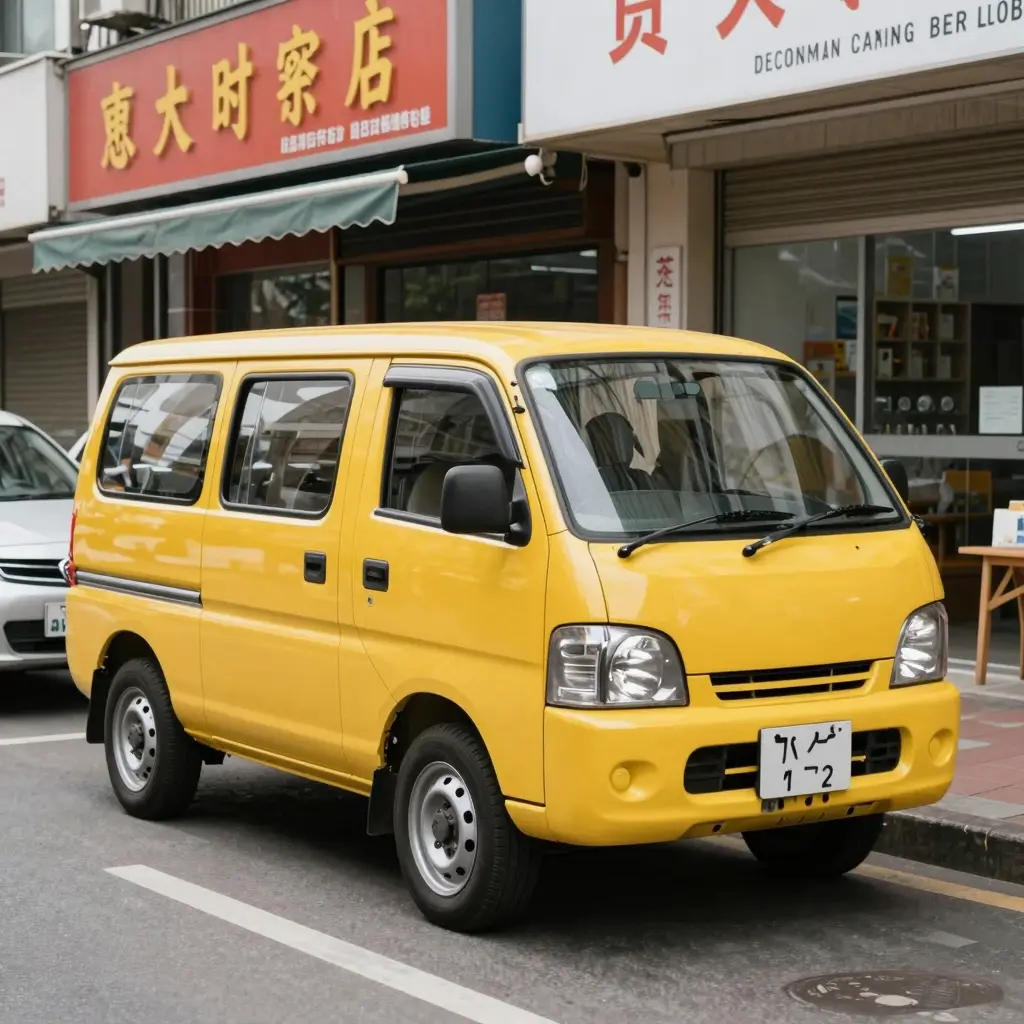
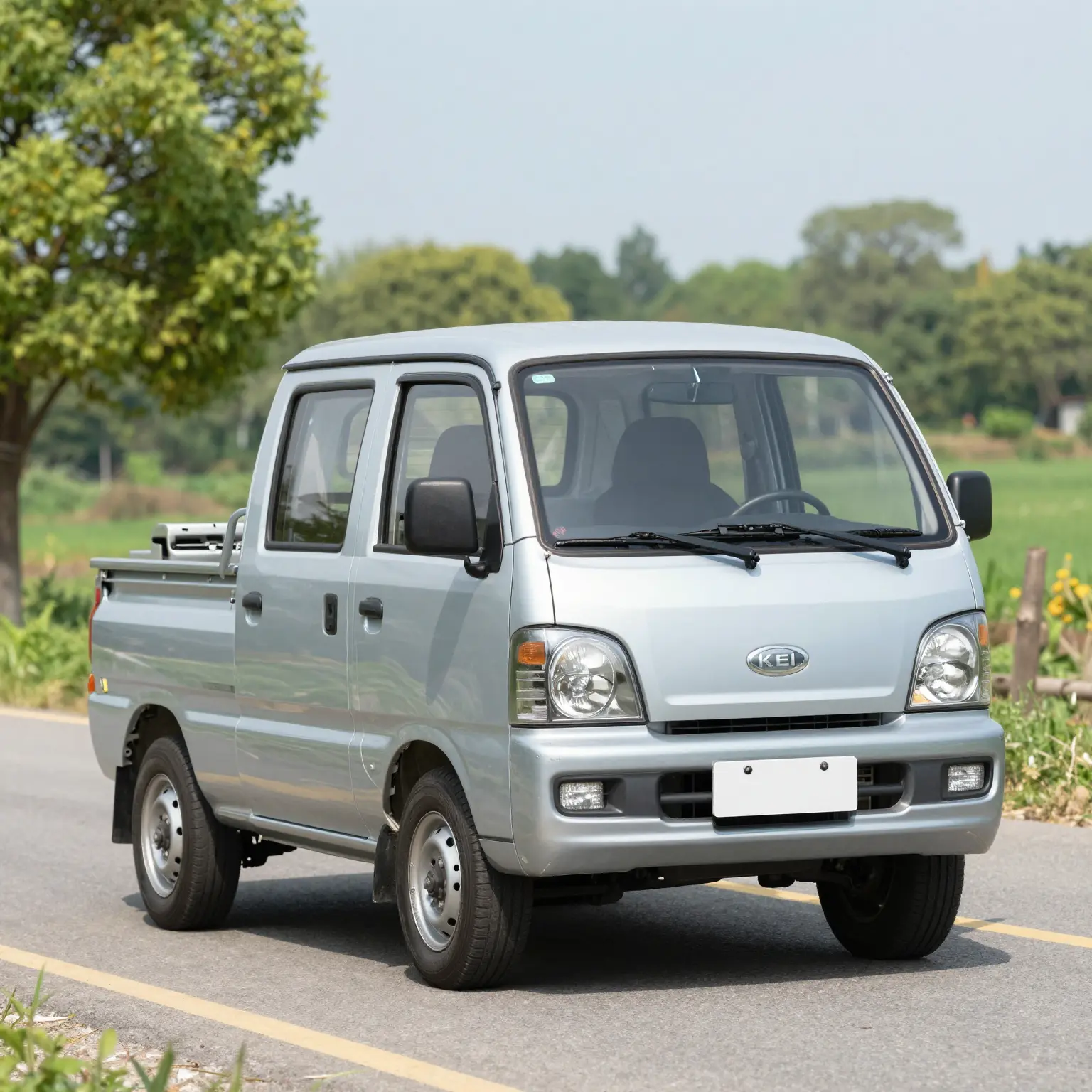
This image showcases a Kei mini truck parked in an urban environment, highlighting its compact size and utility for small businesses. The setting illustrates its role in local commerce, making it an ideal vehicle for delivery and day-to-day operations in city settings.
Customer Testimonial about Kei Mini Trucks
“As a local flower shop owner, I can’t express how much our Kei mini truck has transformed our operations. Its compact size allows us to navigate through crowded city streets easily, and the fuel efficiency means we save on costs each month. Plus, the flatbed makes it perfect for transporting everything from bouquets to garden supplies. It’s an invaluable asset for my business!”
- Maria Lawson, Owner of Petal Pushers Flowers
This testimonial highlights the advantages of Kei mini trucks, such as fuel efficiency, maneuverability, and versatility, which resonate well with other small business owners. If you’re interested in learning more about how these trucks can enhance your operational efficiency, check out our overview of mini truck benefits.
How Driving Habits Affect MPG in Kei Mini Trucks
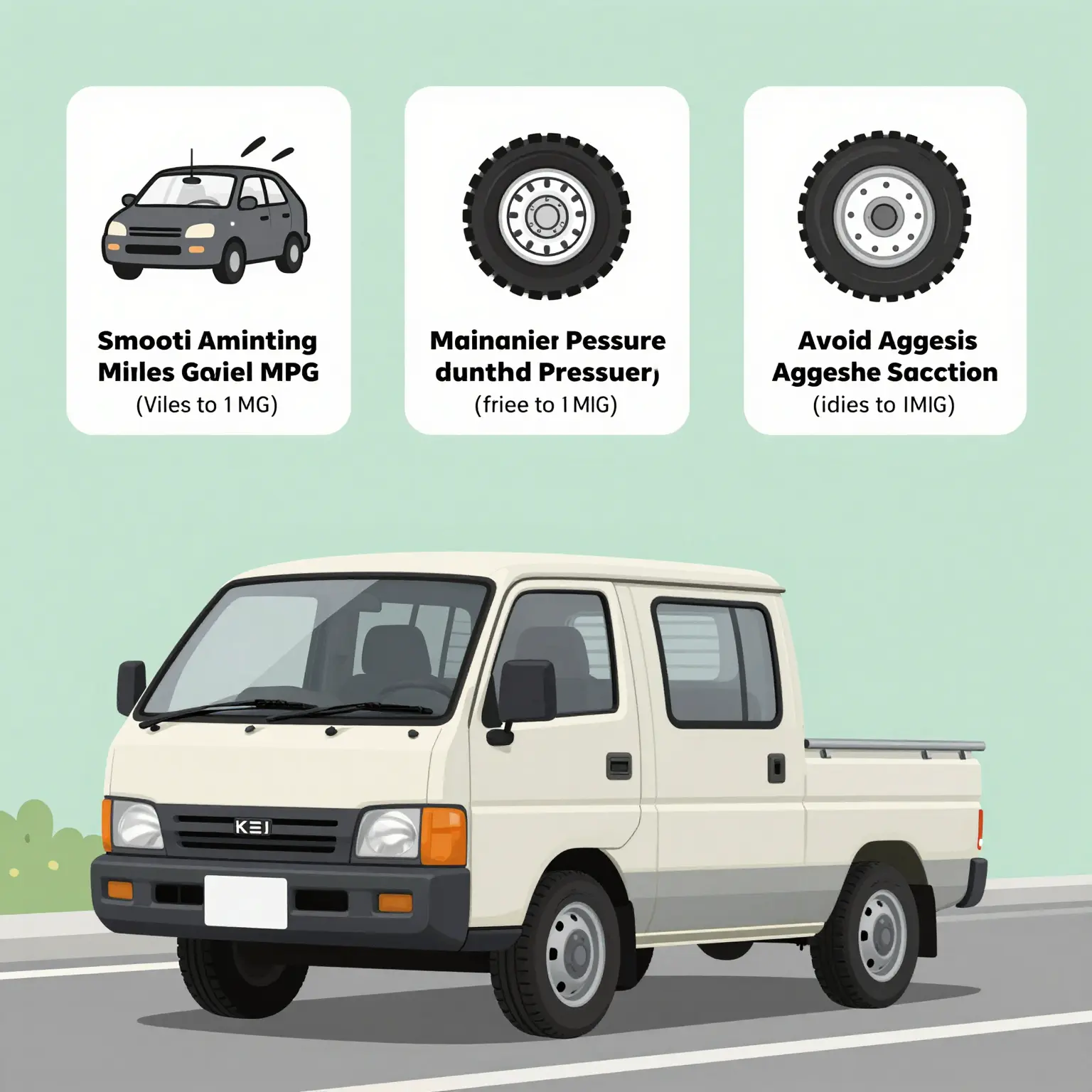
Driving habits play a crucial role in determining the fuel efficiency of Kei mini trucks, which are beloved for their compact size and economy. Various factors related to how a truck is driven can significantly influence miles per gallon (MPG). Here are some essential habits that can either help or hinder fuel efficiency:
Key Factors That Impact Fuel Efficiency
-
Aggressive Driving: Rapid acceleration and hard braking can reduce fuel efficiency by 20% to 30%. It forces the engine to work harder, consuming more fuel. To improve MPG, focus on smooth acceleration and gradual stops.
-
Speeding: Driving at high speeds increases aerodynamic drag, which requires more fuel. Keeping your speed within recommended limits can enhance efficiency.
-
Idling: Keeping your engine running while stationary wastes fuel unnecessarily. If you expect to stop for more than a minute, shut off the engine to save gas.
-
Tire Pressure: Properly inflated tires reduce rolling resistance, improving fuel efficiency. Regularly check and maintain your tire pressure as a part of your vehicle’s maintenance routine.
Practical Tips to Enhance MPG
- Maintain Steady Speeds: Use cruise control on highways to maintain a constant speed, which can help save fuel.
- Plan Your Routes: Optimize routes to avoid heavy traffic, which can lead to more idling and stop-and-go driving.
- Reduce Cargo Weight: Carry only necessary items to minimize weight. Extra weight requires more fuel.
- Regular Maintenance: Keep your truck well-maintained, including regular oil changes and engine checks, to ensure optimal performance.
The Economic Benefits of Better Driving Habits
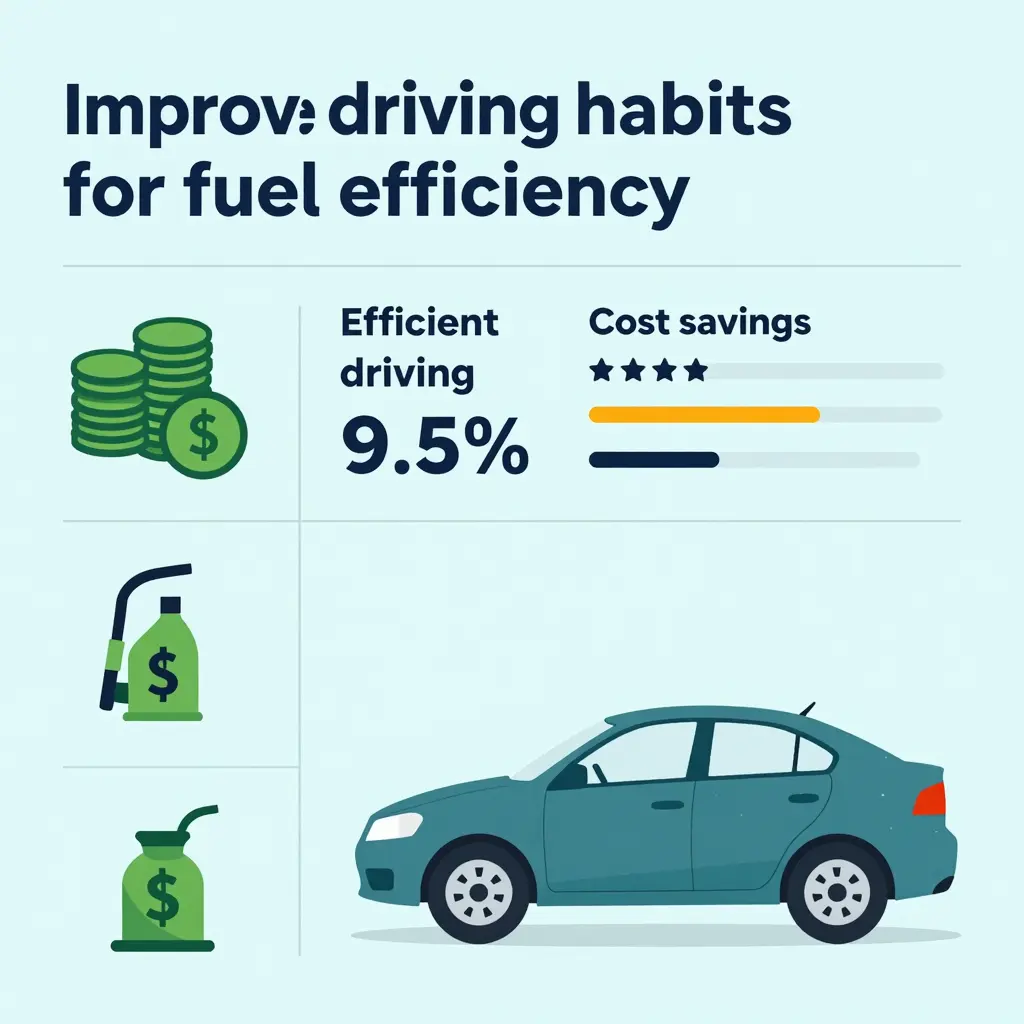
Improving driving habits not only enhances fuel efficiency but also leads to significant cost savings. According to Fleet Safety International, adopting fuel-efficient habits can lower fuel costs and potentially reduce maintenance expenses due to less wear on the vehicle. For small business owners and residential property owners relying on Kei mini trucks, this can lead to a better bottom line.
To sum up, conscious driving habits can make a considerable difference in fuel efficiency. Embracing these efficient practices can reduce expenses significantly while also contributing positively to the environment. For more tips on maintaining your Kei mini truck, check out essential mini truck maintenance tips!
By implementing these habits, not only do you save on fuel costs, but you also help promote an eco-friendly approach to driving.
Word Count: 525
Tips to Improve Gas Mileage in Kei Mini Trucks
Here are some practical tips for owners of Kei mini trucks to enhance their fuel efficiency:
-
Maintain Proper Tire Pressure: Regularly check your tire pressure to ensure they are inflated to the recommended levels. Under-inflated tires can lead to increased rolling resistance, which decreases fuel economy.
-
Reduce Weight: Minimize unnecessary items in your truck. The lighter your vehicle, the better the gas mileage. Remove any items that are not needed for your daily operations.
-
Smooth Driving Habits: Adopt gentle acceleration and braking techniques. Rapid starts and stops can significantly impact fuel efficiency.
-
Regular Maintenance: Keep up with routine maintenance such as oil changes, air filter replacements, and spark plug checks. A well-maintained engine runs more efficiently.
-
Aerodynamic Accessories: Consider removing or modifying unnecessary accessories that can disrupt airflow, such as large roof racks. A smoother aerodynamic body can enhance MPG by reducing drag.
Implementing these tips can lead to noticeable improvements in your mini truck’s fuel efficiency and save you money in the long run. For more discussions about mini trucks, you can check out the Ocala mini truck community.
Impact of Weight on MPG for Kei Mini Trucks
Kei mini trucks are known for their compact size and efficient fuel usage. The relationship between the weight of these vehicles and their miles per gallon (MPG) can significantly influence purchasing decisions for local business owners and mini truck enthusiasts alike. Below is a chart that illustrates this relationship:
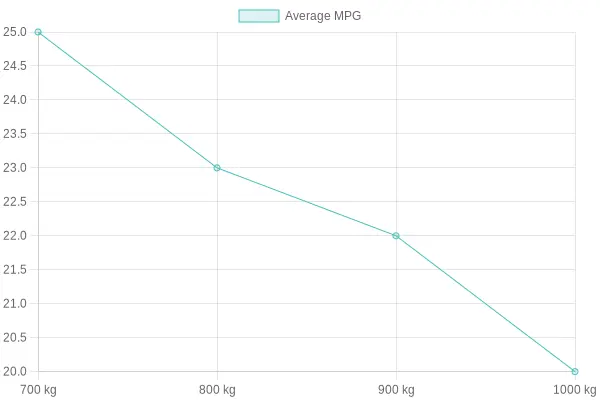
| Weight Category (kg) | Average MPG |
|---|---|
| 700 | 25 |
| 800 | 23 |
| 900 | 22 |
| 1000 | 20 |
As depicted, lighter Kei mini trucks (around 700 kg) can achieve an impressive 25 MPG, while heavier models (1,000 kg) drop to 20 MPG. This is an important factor for small businesses considering fuel efficiency in their operations. For detailed specifications on different models, be sure to check out our comparison of the Kingstar Kruzr models and maintenance tips.
Conclusion
In summary, Kei mini trucks are not just economical vehicles; they are a practical choice for local small business owners, residential property owners, and mini truck enthusiasts alike. With an average MPG ranging between 35 and 40, these compact trucks excel in delivering impressive fuel efficiency, supporting businesses that require cost-effectiveness in their operations. Their lightweight construction and small engines make them perfect for navigating busy urban environments while minimizing fuel expenditure.
For small businesses, especially those heavily reliant on transportation for deliveries and services, the low running costs and ease of maneuverability make Kei trucks an indispensable asset. Furthermore, residential property owners benefit from their compact size, which is ideal for various home improvement and gardening projects, allowing them to tackle tasks that require hauling without the commitment of a full-sized truck.
Now is the time to enhance your driving experience with an investment in these versatile vehicles. Consider upgrading your Kei mini truck with high-quality accessories from Summit Fairings, which can improve both functionality and aesthetics. Don’t miss out on the chance to optimize your truck and enjoy all the benefits it can offer! Join the conversation in our Ocala Mini Truck Community and share your experiences with fellow mini truck owners as you embark on this exciting journey.
Common FAQs About Kei Mini Truck Fuel Efficiency
Kei mini trucks are becoming increasingly popular among small business owners and local enthusiasts due to their excellent fuel efficiency. Here are some common questions about their fuel economy:
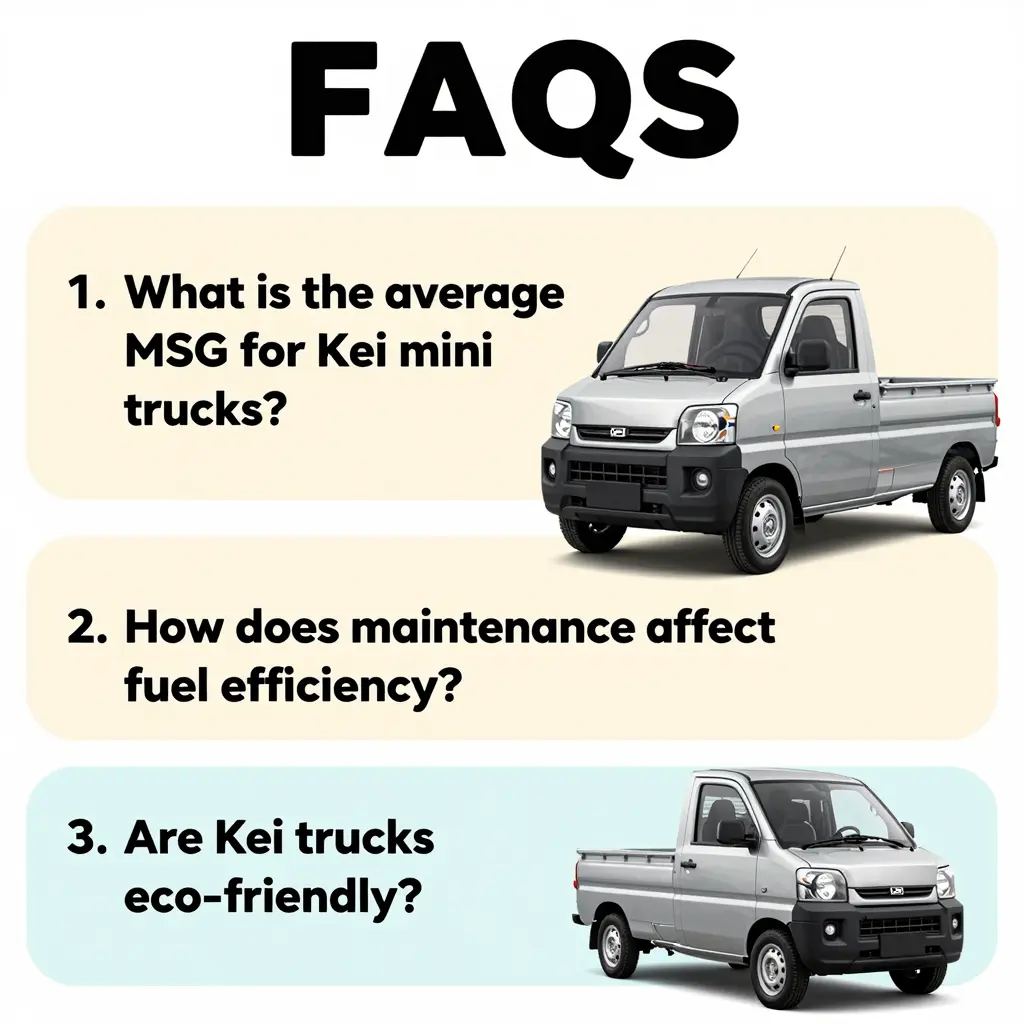
1. What is the average MPG for Kei mini trucks?
Most Kei mini trucks achieve remarkable fuel efficiency, typically averaging between 30 to 45 miles per gallon (MPG). Models like the Daihatsu Hijet and Suzuki Carry are recognized for their lightweight design and efficient 660cc engines, enabling them to provide competitive MPG ratings suitable for city driving and utility tasks.
2. How does maintenance affect fuel efficiency?
Maintenance plays a crucial role in a Kei truck’s fuel economy. Regular upkeep, such as oil changes, air filter replacements, and tire checks, can significantly impact how efficiently your truck runs. According to Samurai Trucks, trucks that are well-maintained can see improvements in their MPG.
3. Are Kei trucks eco-friendly compared to larger vehicles?
Yes, Kei trucks can be considered more eco-friendly due to their smaller engines and lower emissions. Their lightweight construction not only enhances fuel efficiency but also reduces pollutants compared to larger vehicles. This makes them an excellent option for environmentally-conscious drivers.
4. What factors influence fuel efficiency in Kei mini trucks?
A variety of factors can affect how fuel-efficient a Kei truck is, including:
- Driving habits: Smooth acceleration and braking can improve MPG.
- Load weight: Heavier loads will decrease fuel efficiency.
- Tire pressure: Properly inflated tires help maintain optimal fuel economy.
5. How does city driving compare to highway driving for fuel efficiency?
Generally, Kei trucks perform better in city driving conditions than larger trucks, as they are designed for urban environments. While highway driving can sometimes yield lower MPG due to higher speeds, the compact size of Kei trucks helps maintain decent fuel efficiency. A study by Oiwa Garage noted that average MPG for Kei trucks can range from 25-30 MPG in more varied driving conditions.
Conclusion
The impressive fuel efficiency of Kei mini trucks makes them an appealing choice for local businesses and enthusiasts alike. Whether for deliveries, recreational use, or off-road adventures, these trucks provide a balance of economy and utility. Interested in learning more about their diverse applications? Check out our community of Mini Truck Enthusiasts.